


Material Handling Safety Powerpoint Ppt Template Bundles




Try Before you Buy Download Free Sample Product
 Impress Your
 Audience
 100%
100% Editable
 Save Hours
 of Time


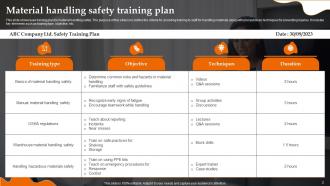
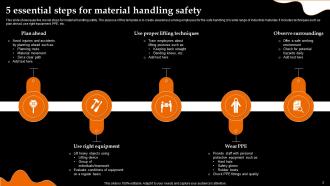
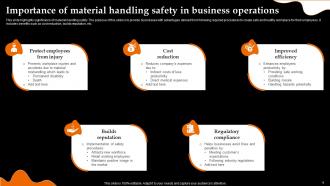
Introducing our comprehensive PowerPoint presentation on Material Handling Safety a vital resource for promoting workplace safety and efficiency. This informative PPT is designed to equip your team with essential knowledge on Materials Handling Safety, Material Transport Safety, and Industrial Material Safety practices. From warehouse operations to industrial settings, this presentation covers best practices, hazard identification, and risk management, ensuring safe material handling procedures. With visually engaging slides, it imparts key insights on equipment safety, ergonomics, and incident prevention, fostering a safety first culture. Empower your workforce with the latest industry guidelines and boost productivity by implementing these safety measures. Invest in our Materials Handling Safety PPT today and safeguard your employees and workplace assets.
People who downloaded this PowerPoint presentation also viewed the following :
Material Handling Safety Powerpoint Ppt Template Bundles with all 25 slides:
Use our Material Handling Safety Powerpoint Ppt Template Bundles to effectively help you save your valuable time. They are readymade to fit into any presentation structure.










FAQs for Material Handling Safety Powerpoint
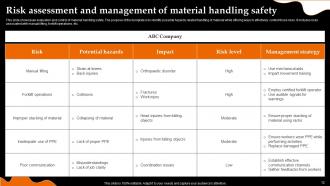
Back injuries are the worst - seen too many people try to lift heavy stuff solo and regret it later. Sharp edges will get you with cuts, and falling objects or forklifts can seriously mess you up. Slips happen all the time from spills or messy walkways. Crushing injuries are no joke either when stacked materials come loose. I know it sounds boring, but wear your PPE and don't rush the lifting technique thing. Honestly, most accidents happen when people think they can skip the safety steps to save a few minutes.
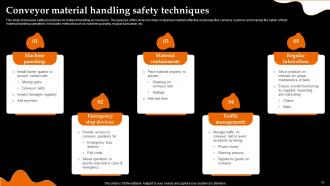
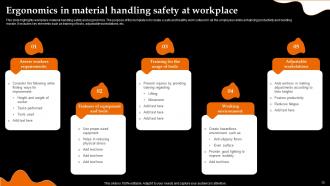
Hey! So the biggest thing is keeping stuff close to your body when you lift - that "lift with your legs" advice actually works, but only if you're not reaching way out for something. Get things at waist height whenever you can. Dollies and conveyor belts are your best friends for the heavy stuff, trust me on that. Try switching up what you're doing throughout the day so you're not repeating the same movements constantly. Look at your usual lifting tasks first and figure out how to cut down on all that bending and twisting - your back will thank you later.
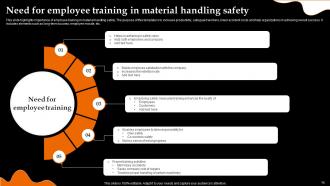
Dude, you really gotta train your people properly - it's literally the difference between someone going home healthy or ending up with a messed up back. I've watched way too many guys try to hero-lift stuff they shouldn't. Make sure everyone knows the right lifting techniques, how to spot hazards, and obviously how to run any equipment safely. Forklifts are no joke. Don't just do the basic onboarding thing either - you need regular refreshers because people get lazy with safety over time. Also those weight limits aren't suggestions, they're actual limits for a reason.
Steel-toed boots are a must - dropped stuff hurts like hell. Safety glasses keep debris out of your eyes, and those work gloves actually help your grip way more than you'd think. Hard hat if there's anything overhead that could fall. High-vis gear is smart around forklifts and machinery so people can see you coming. Back belts might help with lifting but honestly proper technique matters more. Oh and don't get lazy on the "quick" jobs - that's always when something goes wrong. Trust me on that one.
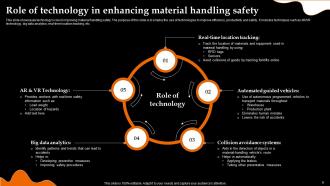
Honestly, robots and automation are game-changers for getting people out of the sketchy stuff. Those automated guided vehicles can haul heavy loads around so your workers don't mess up their backs - I've seen way too many people get injured doing that kind of lifting. Robotic arms handle all the stacking and sorting that usually causes the most accidents in warehouses. Your team gets to do more interesting work instead of just moving stuff around all day. I'd say look at whatever tasks are causing the most injuries right now and figure out if robots make sense there first.
Oh dude, definitely squat down and use your legs instead of your back - learned that one the hard way moving last year, ugh. Get super close to whatever you're lifting and grab it with both hands. Stand up smooth, no jerky movements. Don't twist your body while holding stuff either, just move your feet around instead. If it feels sketchy heavy or weird shaped, honestly just get help or grab a dolly. Trust me, being stubborn isn't worth weeks of back pain. Your spine will hate you otherwise!
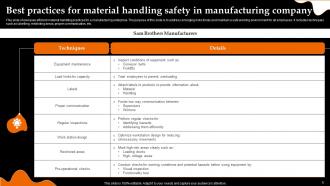
Keep heavy stuff at waist level or lower - your back will thank you later. Make sure you've got stable, level surfaces for stacking things. Clear aisles are huge too, honestly I've seen so many people eat it because someone left random junk in walkways. Don't mix chemicals that shouldn't be together, that's just asking for trouble. Everything needs proper labels so people know what they're dealing with. Oh, and don't overload your shelving - it has weight limits for a reason. Maybe do a quick walk around your storage areas this week and see what looks sketchy.
Okay so first things first - get the right PPE. Gloves, goggles, maybe a respirator depending on what you're dealing with. Those SDS sheets are actually worth reading (yeah I know, super thrilling). Good ventilation is key, plus keep spill kits close by just in case. Don't eat or drink anything near the hazmat stuff - seems obvious but people do it. Wash your hands really well after. Store things properly and keep incompatible chemicals away from each other. Honestly, if you're not 100% sure about something, just ask someone who knows their stuff. Way better than guessing and regretting it later.
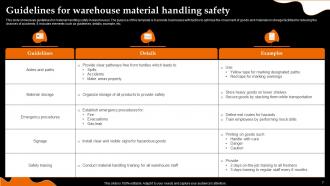
Oh man, warehouse layout is everything for safety. Poor design = constant accidents and near-misses. You get narrow aisles, can't see around corners, pedestrians walking wherever - it's chaos. I've watched forklifts literally playing frogger with workers because nobody planned the flow. Wide aisles help a ton. Clear sightlines too. Separate walkways for people, and keep your heavy equipment away from foot traffic. Honestly, just map out where everyone actually walks and drives right now. You'll spot the danger zones pretty quick - that's where you need to focus first.
Honestly, regular safety audits are huge for catching material handling problems before someone gets hurt. Walk around monthly and check equipment, storage setups, workflow - all that stuff. People get so used to sketchy conditions they don't even notice anymore, which is crazy when you think about it. Fresh eyes help tons, so rotate who does inspections. Look for worn conveyor belts, blocked exits, bad lifting form, overloaded shelves. Document everything you find though - otherwise what's the point? I'd get different team members involved since they'll spot things you might miss.
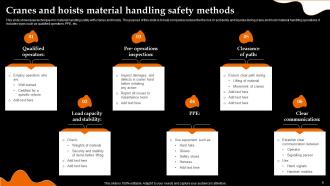
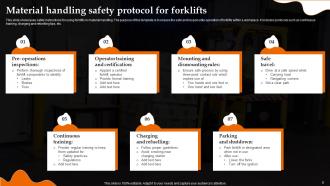
Dude, check your brakes, steering, lights and hydraulics before you even think about moving stuff. Keep loads low and don't go over weight limits - I swear half the guys I work with think they're invincible until something goes wrong. Horn at corners, maintain sight lines, and never let anyone hitch a ride. Pull instead of push with pallet jacks when you can, keeps your back happy. Oh and keep your back straight too, obviously. Most accidents? People skipping the boring safety stuff because they're in a rush. Those 30 seconds you "save" aren't worth it.
Dude, report that stuff to your supervisor right away and get the incident form done within 24 hours. Write down everything - what went down, when it happened, where you were, who else was there, what equipment you were using. I get it, the paperwork is annoying as hell, but your safety team actually uses these reports to spot patterns and figure out why things keep going wrong. Honestly, they can't fix problems they don't know about. Don't blow off the near-misses either - those are just as valuable for stopping actual accidents from happening later.
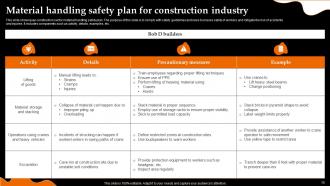
So OSHA covers the basic stuff everyone needs to know - proper lifting, equipment checks, training workers. But then each industry piles on their own rules too. Construction's got way stricter crane requirements, hospitals have all these hazmat protocols, and manufacturing places need specific conveyor safety stuff. Honestly, it can get pretty overwhelming. Start with OSHA's general material handling standards first. Then dig into whether your specific industry has extra requirements - some do, some don't. You'll probably find industry-specific guidelines on OSHA's site or through other regulatory groups.
Honestly, get your workers involved in writing the safety rules - they're the ones dealing with the actual dangers every day. Don't just lecture from the top down. Regular safety meetings help, but here's the key thing: when someone reports a close call, don't punish them for it. I've worked places where people kept their mouths shut because they were terrified of getting fired. Celebrate the wins when teams hit safety goals. Give them proper gear and training, obviously. Lead by example too - if you're cutting corners, they will be. Make talking about safety as normal as discussing the weather, not something that only happens after someone gets hurt.
Look, proper signage is honestly a game-changer for warehouse safety. Workers get instant info about weight limits, hazards, and how to handle stuff correctly. It's like having safety reminders everywhere without being annoying about it. OSHA requires labeling for hazardous materials anyway, so you're already halfway there. Make sure signs are at eye level where people will actually notice them - I've seen too many signs placed weird spots where nobody looks. Good signage prevents accidents by marking dangerous zones and showing emergency procedures. Just keep everything visible and current. Trust me, it's worth the effort.
-
“I've always gotten excellent slides from them and the customer service is up to the mark.”
-
Definitely a time saver! Predesigned and easy-to-use templates just helped me put together an amazing presentation.