


Housekeeping Safety Powerpoint Ppt Template Bundles




Try Before you Buy Download Free Sample Product
 Impress Your
 Audience
 100%
100% Editable
 Save Hours
 of Time


Introducing our comprehensive Housekeeping Safety Program PPT, designed to ensure a safe and secure environment for your workplace. This informative presentation is an invaluable resource for organizations committed to maintaining high safety standards. With a focus on safety practices, our PPT provides a step by step guide to implementing effective housekeeping protocols, reducing the risk of accidents, and promoting a culture of safety. Whether you are a small business or a large corporation, this PPT equips you with the tools to develop a robust safety budget tailored to your specific needs. Invest in the Housekeeping Safety Program PPT today to safeguard your employees, protect your assets, and foster a productive and secure work environment.
People who downloaded this PowerPoint presentation also viewed the following :
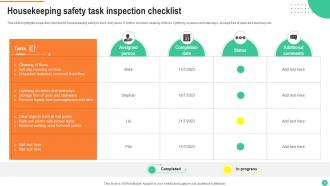
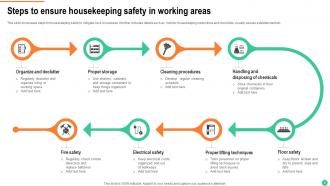
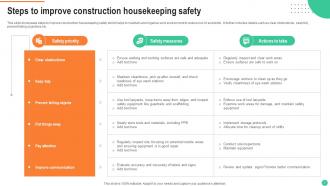
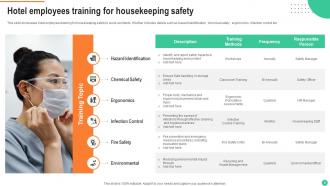
Housekeeping Safety Powerpoint Ppt Template Bundles with all 22 slides:
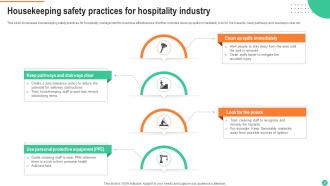
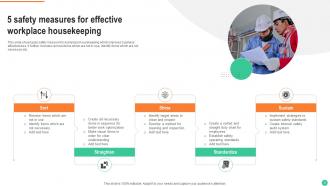
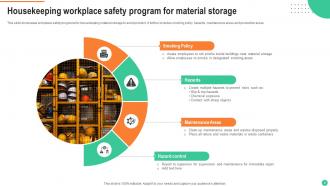
Use our Housekeeping Safety Powerpoint Ppt Template Bundles to effectively help you save your valuable time. They are readymade to fit into any presentation structure.










FAQs for Housekeeping Safety Powerpoint
Oh man, there's honestly a ton to keep track of! First thing - never mix chemicals together, trust me on that one. Always throw on gloves and good shoes with grip. Keep your cleaning cart stocked right and do a quick look-over before you start your shift. Wet floor signs are your best friend, use them everywhere. Report sketchy stuff immediately - loose carpet, broken anything, whatever. Lifting technique matters way more than you'd think for your back. The whole thing is really about catching problems before someone gets hurt, you know?
Honestly, just walk through your area before you even grab your cleaning stuff. Spills are the worst - I've seen so many people eat it on wet floors! Check for loose cables too, or any equipment that looks sketchy. Poor lighting is another big one that'll trip you up. Look out for chemical containers leaking, sharp furniture edges, worn carpet spots. Oh and ladders - make sure they're actually stable before using them. Really though, just make it part of your routine from day one. Those first few minutes doing a safety sweep will save you so much hassle later.
Look, PPE saved me from getting chemical burns once, so I'm pretty religious about it now. Gloves are non-negotiable when you're dealing with cleaning chemicals or anything sharp. Get yourself some safety goggles too - trust me, you don't want bleach splashing in your eyes. Non-slip shoes are a game changer on wet floors. Oh, and if you're using heavy-duty disinfectants or dealing with dust, grab a mask. Don't just throw on whatever's closest - actually think about what could go wrong with each task and protect yourself accordingly.
Dude, safety training actually works wonders. Your crew learns proper lifting, how to handle chemicals without poisoning themselves, and spots dangers before someone face-plants. Way fewer back injuries and cuts when people aren't just winging it. The good programs do hands-on stuff, not just PowerPoint hell. People need refreshers too since everyone forgets. I'd look at what injuries you're getting most, then train specifically for those. Honestly, once people understand WHY the rules exist instead of just following orders, they actually care about staying safe.
Dude, first rule - never mix chemicals, that's how people end up in the ER. Check labels before using anything. Keep stuff in original containers with tight lids, stored somewhere cool and dry. Gloves are your friend, and crack a window for ventilation when using strong cleaners. Oh, and store things below eye level - learned that one the hard way when I knocked over some tile cleaner once. Keep bleach far away from ammonia products. You'll want those safety sheets nearby too, just in case something goes sideways.
Keep your back straight and don't twist into weird positions - that's the biggest thing. Get tools with longer handles so you're not hunching over constantly. Lifting stuff? Bend those knees and keep whatever you're carrying close to your chest. Your back will definitely thank you. Switch between different tasks so you're not doing the same motion forever. Oh, and take little breaks every 20-30 minutes - even just stretching helps. Good shoes are worth it too, trust me on that one. Instead of contorting yourself, adjust your workspace height when you can. These tiny tweaks actually prevent so much pain later.
Hey! So first off, keep all your cleaning stuff away from anything hot and just follow whatever the labels say for storage. Check your vacuum cords and floor buffers before you plug them in - frayed wires are sketchy. Don't jam too many things into one outlet, that's like electrical suicide. Know where the fire extinguishers are in each area you work. Never park your cart blocking exits, even for a second. Oh, and those oily rags? Toss them in metal containers because they can literally catch fire on their own (weird but true). Just spend a few minutes each shift figuring out where all the safety stuff is.
Always check your stuff first - damaged cords, loose attachments, basic functionality. Keep those cords dry and don't drag them around corners like a maniac (seriously, vacuum cord accidents are so dumb but they happen constantly). Match your settings to whatever surface you're cleaning, and don't jam equipment into spaces where it obviously won't fit. Here's the big one though - turn everything off and unplug before you mess with any maintenance or clear jams. I know it feels like overkill but trust me, two extra seconds beats a trip to urgent care.
Report it to your supervisor right away and get that incident form filled out within 24 hours. Write down everything while you still remember - what went down, when it happened, where, all that stuff. Honestly, even the tiny incidents are worth reporting because they help spot patterns before someone gets seriously hurt. Most companies have moved to online systems which is so much better than those awful paper forms we used to deal with. Snap some photos if there's any visible damage. Just be detailed in your writeup so they can actually fix whatever caused it.
So basically, good communication prevents most housekeeping accidents - like seriously, it makes a huge difference. Report hazards right away and give everyone heads up about wet floors or broken stuff. Also let people know when you're using chemicals nearby. I can't tell you how many times I've seen someone eat it because nobody mentioned they just mopped! During shift changes, do quick check-ins so everyone knows what's going on. Set up something simple - walkie-talkies, group chat, or just yell out warnings. Whatever works for your team so everybody stays safe.
Dude, both places are honestly pretty dangerous if you're not paying attention. Hospitals have all that blood stuff, nasty chemicals, and infectious crap that'll definitely make you sick. Kitchens are basically accident zones - everything's either burning hot, razor sharp, or covered in grease ready to catch fire. My cousin learned that the hard way with a mandoline slicer. Never skip your safety gear, even when you're crazy busy. Treat everything like it's contaminated in hospitals. In kitchens, assume it'll burn or cut you until you know otherwise.
Honestly, just get ahead of stuff before it bites you. Good non-slip shoes are everything - learned that the hard way lol. Always scan your area first for wet spots or random clutter blocking walkways. Spills need to get cleaned up right away, and yeah put up those wet floor signs even when it feels dumb. I swear people will slip on the most obvious puddles. Keep cleaning supplies organized so you're not doing weird reaches or leaving junk everywhere. Replace dead lightbulbs ASAP - can't avoid what you can't see. Don't rush even when you're swamped. Test surfaces before stepping.
Dude, ALWAYS knock first - even on "vacant" rooms. Learned that one the embarrassing way lol. Put up your housekeeping signs and prop doors open so people can see you're working. Don't block hallways with your cart, that's just common sense. Wet floor signs are your friend, especially around the elevators where people rush. Oh and definitely tell the front desk which rooms you're hitting. Guests hate squeezing past housekeeping stuff in narrow hallways, so give them space to walk around your equipment.
Honestly, apps have been a lifesaver for me with housekeeping safety stuff. I use digital checklists so I don't forget to check chemical labels or grab my PPE - way better than relying on my terrible memory lol. Safety apps are clutch too - you can pull up SDS sheets instantly, report incidents, get maintenance reminders. Everything gets tracked automatically which is nice because you start noticing patterns in potential hazards. The documentation part sounds boring but it actually helps prevent accidents before they happen. I'd start with just a basic checklist app and see how it goes from there.
Safety audits are like having a heads up before accidents happen - they catch wet floors, cluttered walkways, busted equipment, all that stuff. Monthly works best from what I've seen. Document everything you find because it helps you spot if the same areas keep having problems. Maybe your team needs more training on certain things? I mean, yeah it's kind of boring work, but it's way better than dealing with someone getting injured. Think of it as preventive maintenance but for keeping people safe. You'll actually be able to track if things are getting better too.
-
Much better than the original! Thanks for the quick turnaround.
-
Wonderful templates design to use in business meetings.