

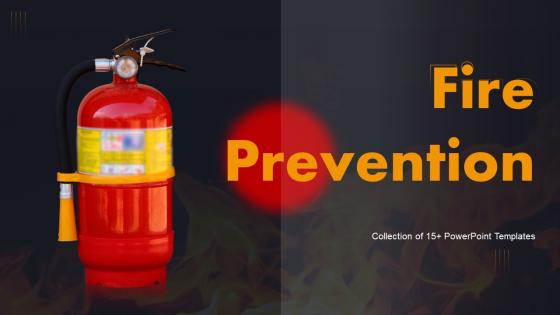
Fire Prevention Powerpoint Ppt Template Bundles




Try Before you Buy Download Free Sample Product
 Impress Your
 Audience
 100%
100% Editable
 Save Hours
 of Time


Our Fire Prevention Powerpoint Ppt Template Bundles are topically designed to provide an attractive backdrop to any subject. Use them to look like a presentation pro.
People who downloaded this PowerPoint presentation also viewed the following :
Fire Prevention Powerpoint Ppt Template Bundles with all 22 slides:
Use our Fire Prevention Powerpoint Ppt Template Bundles to effectively help you save your valuable time. They are readymade to fit into any presentation structure.
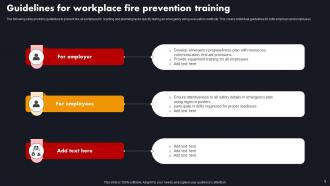
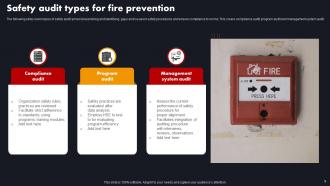
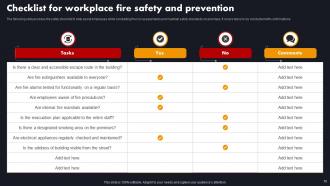
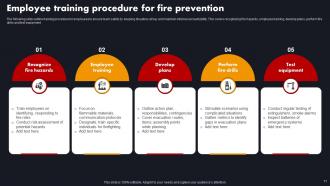






FAQs for Fire Prevention Powerpoint
Honestly, most house fires start in the kitchen - we're talking like half of them. Cooking accidents are huge. After that, it's usually heating stuff going wrong, especially if you haven't serviced your furnace or fireplace in forever. Electrical problems cause tons too - overloaded outlets, sketchy wiring, beat-up extension cords. Cigarettes and candles still mess people up pretty regularly. My neighbor almost burned his place down leaving a candle lit when he went to the store. Just watch your stove closely, get your heating checked yearly, and don't be an idiot with open flames.
Test monthly by hitting that button - I set a phone reminder since I'd totally forget otherwise. Batteries need swapping once a year, and honestly the daylight saving trick works great for remembering. Every few months, vacuum off the dust because apparently that messes with the sensors. The whole unit should be replaced every 10 years even if it's working fine. Check the back for the manufacture date. I know it sounds like a pain but the monthly test literally takes 30 seconds and could save your life.
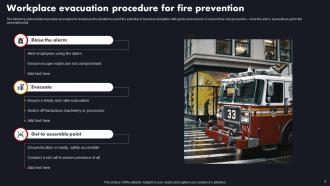
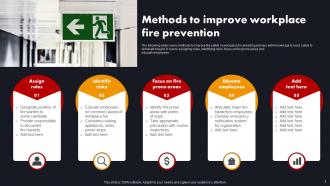
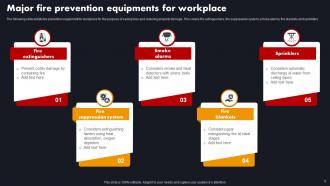
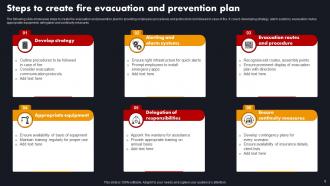
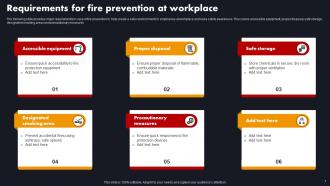
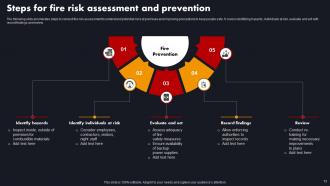
So for fire safety, you'll want proper storage and electrical upkeep to prevent fires in the first place. Smoke alarms and sprinklers for detection - test those batteries though, seriously. Mark your exits clearly and pick meeting spots everyone knows about. Train your staff regularly because panic makes people stupid. Also designate fire wardens and keep emergency contacts current. Make sure people actually know where the extinguishers are too. Practice at least once a year so it's automatic when things go sideways - that's honestly the part most places slack on.
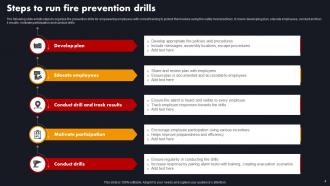
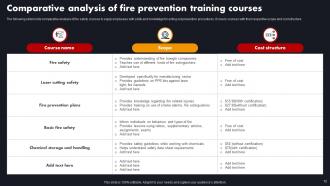
Start with basic fire safety training - evacuation routes, extinguisher use, the usual stuff. Make it quarterly and mandatory, even though people will complain about leaving their desks. Get actual fire extinguishers for hands-on practice if you can swing it. Pick fire wardens for each floor too. Your local fire department usually does free training sessions, which is honestly pretty awesome. They'll customize it for whatever hazards you've got. Oh, and document everything because compliance paperwork never ends. The hands-on part makes a huge difference though.
Dude, building design is everything when it comes to fire safety. You need fire-rated walls and doors to contain the flames, multiple exits so people can actually get out. Sprinkler systems have to be planned from the start - retrofitting later is such a pain and costs way more. Material choices are huge too. Fire-resistant stuff gives you those extra minutes that really matter. Oh, and get fire safety engineers involved early, not when you're scrambling for permits at the end. They'll catch things you'd never think of. It's basically your best shot at keeping people safe.
Start with a 30-foot zone around your house - clear out dead plants, trim tree branches so they're at least 6 feet from your roof. Keep the grass watered and mowed short. Any woodpiles or random flammable junk needs to go too. I actually don't mind this kind of yard work, there's something oddly satisfying about it. Past 30 feet you can thin things out but don't need to go crazy clearing everything. Work from your house outward - closest areas first since that's what matters most for stopping fires.
Dude, the fire detection stuff now is wild. AI systems can actually tell the difference between real smoke and your burnt bagel - game changer for false alarms. Thermal cameras catch heat before you even see flames, which is honestly kind of creepy but useful. Instead of those old sprinklers that destroy everything, newer ones use mist so your stuff doesn't get completely soaked. Oh, and everything's wireless now - sensors ping your phone AND 911 at the same time. Some setups will even shut off air systems and unlock doors automatically. The AI detection cuts false alarms by 90% if you're thinking about upgrading.
Dude, these community fire safety programs are actually really helpful. They teach you the basics - like clearing brush around your house, spotting sketchy electrical stuff, having an evacuation plan ready. Most people don't even know their fire station's number (I didn't until last year). When your whole neighborhood gets involved, everyone starts watching out for each other's properties. It's pretty cool how it creates this safety network. The practical tips alone make it worth it. Check if there's already a program in your area you can jump into first.
Dude, watch out for overheated cooking oil - that stuff goes up SO fast if you walk away. Grease buildup is another big one, especially around your stovetop and that exhaust fan (which btw, get cleaned way more than you think). Don't leave pot handles sticking out where you'll knock them over, and keep dish towels away from burners. Electrical stuff with old appliances can be sketchy too. Oh, and test your fire suppression system monthly if you've got one. Most fires I've seen? Someone left hot oil unattended.
So basically, wood and cheap plastics will go up like crazy while concrete and steel won't. The weird thing is some "safer" materials still put off nasty fumes when they get hot - learned that the hard way during a kitchen incident last year. Drywall actually protects steel beams from heat damage, which is pretty cool. Honestly, fire codes are your best friend here since they tell you exactly what ratings you need for walls, floors, whatever. Just don't mix flammable stuff with heat sources and you'll be fine most of the time.
Honestly, start by clearing out all the dead stuff around your house - like 30 feet out if you can. Those gutters are fire magnets when they're full of leaves, so clean 'em out. Ember-resistant vents are clutch because those little sparks are sneaky as hell and find the weirdest ways inside. Don't use your lawnmower or grill when it's super dry and windy - learned that one the hard way from a neighbor's close call. Oh, and make sure firefighters can actually reach your water sources. Do a walkthrough this weekend while you're thinking about it!
Ugh, electrical stuff scares me but you gotta stay on top of it - like 13% of house fires come from electrical problems. Check your outlets and cords for damage every month or so. Don't daisy-chain power strips (learned that one in college lol). Replace frayed wires right away, and honestly? If something feels warm when it shouldn't, unplug it immediately. My phone charger once got sketchy hot and I ignored it way too long. Keep electrical things away from sinks obviously. Takes maybe 10 minutes to do a quick check but could save your whole place.
So you'll mainly deal with IBC and IFC - most places use those as their foundation. NFPA codes matter a ton too, like NFPA 101 for life safety and NFPA 13 for sprinklers. Your local fire marshal will probably have their own tweaks on top of everything though, which honestly can be annoying. It's kind of a nightmare trying to keep track of all these overlapping rules. Start with your AHJ to see what applies to your specific project and location. That'll save you from going down rabbit holes with codes that don't even apply to you.
Honestly, we started doing this twice a year after a neighbor had a close call. Pick two different ways out of each room, especially bedrooms. Time everyone - you'll be shocked how much longer it actually takes than you think! Meet somewhere obvious outside like your mailbox. Practice the crawling thing and checking doors with the back of your hand first. My kids thought it was weird at first, but now it's just normal. The whole point is making it automatic so nobody freezes up if something actually happens.
Honestly? Most people just think "that'll never happen to me." Your brain tricks you into believing bad stuff only happens to other folks. We also assume tomorrow will look exactly like today, so why bother checking smoke detector batteries or whatever, right? Fire safety feels super abstract until you're actually smelling smoke - then it's way too late. People get paralyzed by all the stuff they're "supposed" to do. My advice? Just pick ONE thing this week. Test your alarms or something simple like that. Once you start, the rest gets easier.
-
The team is highly dedicated and professional. They deliver their work on time and with perfection.
-
The presentations are very helpful. I am always able to get appropriate templates for the different topics related to my profession.