


Safety Strategy Powerpoint Ppt Template Bundles




Try Before you Buy Download Free Sample Product
 Impress Your
 Audience
 100%
100% Editable
 Save Hours
 of Time


Our Safety Strategy Powerpoint Ppt Template Bundles are topically designed to provide an attractive backdrop to any subject. Use them to look like a presentation pro.
People who downloaded this PowerPoint presentation also viewed the following :
Safety Strategy Powerpoint Ppt Template Bundles with all 31 slides:
Use our Safety Strategy Powerpoint Ppt Template Bundles to effectively help you save your valuable time. They are readymade to fit into any presentation structure.









FAQs for Safety Strategy Powerpoint
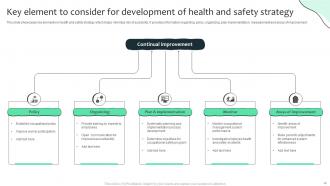
Honestly, you need four solid foundations: policies people can actually understand, training that doesn't bore everyone to death, good incident reporting, and bosses who practice what they preach. Nobody learns from terrible PowerPoints - that's just the truth. Also throw in regular audits, feedback from your crew, and make sure safety equipment is easy to find and works properly. The biggest thing though? People have to feel safe calling out problems without getting in trouble. I'd start by ditching your current policies if they suck and just asking your team what scares them most at work.
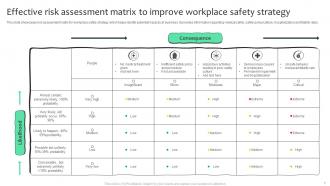
Honestly, just walk around your workplace like you're hunting for problems - what could mess someone up? Check your equipment, workflows, all that stuff. Get your frontline people involved since they actually know what's sketchy out there. Those incident reports everyone ignores? Yeah, read those too, even the tiny ones. Grab some industry checklists to catch the obvious hazards, but don't sleep on weird stuff like bad ergonomics or chemicals that don't play nice together. I'd do this every quarter or so - sounds like overkill but trust me, it's not. Document everything because your future self will thank you when something actually goes sideways.
Look, you can write the most amazing safety manual in the world, but if nobody reads it or gets it, what's the point? Training is where the magic happens - that's when people actually learn to spot problems before they blow up. I've seen too many places skip this step and regret it later. Good training needs to be hands-on, not some boring PowerPoint. Show them real scenarios they'll face. When employees feel like you care about keeping them safe, they'll actually follow the rules. Plus they'll make better calls when weird stuff happens that isn't in any handbook.
Tech can seriously up your safety game - IoT sensors catch problems before they explode, AI cameras watch for risky behavior, wearables monitor your team's vitals. Mobile apps make incident reporting way less of a headache. VR training is honestly pretty cool for practicing sketchy scenarios without actual danger. My buddy's company started with just basic sensors and now they're obsessed with all the data they get. Predictive analytics help you see accidents coming before they happen. Don't go crazy though - pick one thing that fixes your worst safety issue first.
You need both types of metrics - leading and lagging. Leading ones are like safety training completion, near-miss reports, audit scores. They catch issues early. Lagging indicators? Injury rates, workers' comp claims, lost time incidents. Most companies obsess over the lagging metrics because they're concrete numbers you can point to. But honestly, that's backwards thinking. Your leading indicators tell you what's coming down the pipeline. Pick maybe 3-4 from each category that actually fit your workplace. Don't go overboard - you'll drown in data and miss the important stuff.
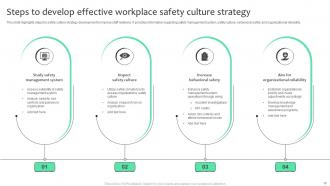
Hey! So basically you gotta get everyone bought in, not just have bosses lecture about it. Listen to people when they bring up concerns - and actually DO something about it. I can't stress this enough: ignoring feedback kills everything. Your supervisors need to walk the walk, not just talk. People notice actions way more than words anyway. Set up regular times for workers to pitch safety ideas, then celebrate the good ones publicly. Oh, and never ever punish someone for reporting close calls or problems. That's safety culture suicide right there. Make speaking up feel safe and worthwhile.
Start with OSHA - that's your foundation for US workplace safety stuff. Industry standards come next like ANSI or ISO 45001, depends what sector you're in. State and local regs can actually be tougher than federal ones, so don't skip those. If you're global, international standards matter too. Honestly? The whole regulatory mess feels overwhelming at first - totally normal though. I'd run a compliance audit to see where you stand currently. Then just focus on closing gaps and maybe go beyond minimums where it actually helps your business. Oh, and NFPA codes if you deal with fire safety at all.
Yeah, it's all about the specific hazards you're dealing with. Construction sites are crazy dangerous - you've got heavy equipment everywhere, people working at heights, sites changing daily. So they're big on hard hats, harnesses, making sure everyone knows what hazards are around. Healthcare's totally different though. They worry about infections, lifting patients safely, needle sticks. Manufacturing? That's all machine guards and lockout procedures so nobody gets crushed or exposed to chemicals. Honestly, what keeps you safe in one place could be pointless (or worse) somewhere else. You really have to match your safety plan to whatever risks your workplace actually has.
Dude, get your employees involved in making safety rules - they'll actually follow stuff they helped create. Your frontline people know the real hazards way better than some corporate consultant ever could. They deal with the wonky equipment and weird workflow issues daily. Honestly, I've seen so many companies push down safety protocols that just don't work in reality. It's such a morale killer. When workers contribute their own ideas, you get solutions that make sense AND they feel like they own the safety outcomes. Just ask them what problems they see most - you'll be shocked at what they notice.
Hey! So emergency plans work way better when they're built into your whole safety setup from the start. Don't just slap them on at the end - that never works well. Map out how your current safety stuff connects to emergency procedures first. Your drills should actually test the risks you've already identified, and response teams need the same training everyone else gets. It's like having different security systems that actually communicate instead of ignoring each other. Prevention and emergency prep should back each other up, not work separately. Honestly, most places mess this up by keeping everything in separate boxes.
Honestly, people lose their minds when things go wrong - doesn't matter how well-trained they are. Panic kicks in and protocols go out the window. I've watched it happen so many times it's not even funny. Plus if your safety steps are super complicated, tired workers will absolutely cut corners. There's this thing where experienced people get cocky too and skip stuff they think is pointless. Oh, and when someone's stressed? Their brain basically shuts down. So you've gotta design systems that work even when people aren't thinking straight. Keep it simple and intuitive.
Honestly, you've got to stay on top of this stuff when things shift at work. First, figure out what new risks popped up - like if everyone's working from home now, suddenly you're dealing with wonky home office setups and cyber issues. Your old safety protocols probably don't cover half of it. Talk to your actual employees about what they're seeing day-to-day. They'll spot problems management misses completely. Update your procedures based on that feedback, then train people on the changes. Oh, and actually check if it's working! I've watched companies roll out new safety rules and never follow up - total waste of time.
Don't make it a checkbox thing - you need your team actually bought in. Complex procedures? People will ignore them completely. I've watched gorgeous safety manuals collect dust while everyone just wings it. Training can't be one email blast either. You've got to keep updating based on what actually goes wrong (and almost goes wrong). My advice? Start simple, get everyone helping create the rules, then check if it's working in the real world. Oh, and measure results - otherwise you're just guessing.
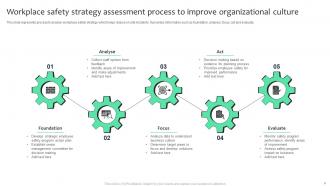
Look, audits are basically how you figure out if your safety plan is actually working or just sitting pretty on paper. They'll show you where things are falling apart - like which safety protocols people are totally ignoring or what new hazards popped up that you never thought of. Honestly, some of my biggest "aha" moments came from walking around and seeing what was really happening. The data you get is super valuable for figuring out what needs fixing first. Then you just keep the cycle going: audit, fix what's broken, update your training, and do it all over again.
Honestly, communication is everything when it comes to safety culture. Your team needs to feel comfortable reporting problems without getting thrown under the bus - that's huge. Two-way conversations work way better than those boring memos nobody reads. Regular meetings help, but the real magic happens when leadership actually shows up and listens. Here's the thing though - if someone speaks up about a concern, you've got to follow through or at least explain why you can't fix it. Otherwise they'll stop talking. Start by asking what's actually getting in their way safety-wise. You'll probably learn stuff that surprises you.
-
Eye-catching PPT designs, outstanding team, and best customer service. I’m a super satisfied customer here!
-
I am so thankful for all of the templates I've found on your site. They have saved me hours every week and helped make my presentations come alive. Keep up with these amazing product releases!