


Safety Improvement Plan Powerpoint PPT Template Bundles




Try Before you Buy Download Free Sample Product
 Impress Your
 Audience
 100%
100% Editable
 Save Hours
 of Time


Our Safety Improvement Plan Powerpoint PPT Template Bundles are topically designed to provide an attractive backdrop to any subject. Use them to look like a presentation pro.
People who downloaded this PowerPoint presentation also viewed the following :
Safety Improvement Plan Powerpoint PPT Template Bundles with all 19 slides:
Use our Safety Improvement Plan Powerpoint PPT Template Bundles to effectively help you save your valuable time. They are readymade to fit into any presentation structure.





FAQs for Safety Improvement Plan Powerpoint
Honestly, most safety plans fail because people write them and then never look at them again. You need four things that actually matter: figure out what went wrong and why, create specific fixes with real deadlines, assign someone to own each task, and - this is huge - track progress regularly. I'd suggest quarterly check-ins or whatever works for your schedule. Also, definitely get input from your frontline people since they catch stuff management completely misses. Oh, and don't try to fix everything at once. Pick one high-risk area first, get that process down solid, then expand from there. Way easier than overwhelming yourself.
Start with your incident reports and safety data from the last couple years - that's where you'll spot the patterns. Check injury rates, workers comp claims, any OSHA stuff too. Numbers are helpful but honestly, your frontline people know what's really going on. Do some quick surveys or just chat with them - they're dealing with this stuff every day. Oh, and compare yourself to industry benchmarks so you know where you actually stand. Once you've got all that info, just focus on the worst problem areas first. Way easier than trying to fix everything at once.
Look, training is literally everything when it comes to your Safety Improvement Plan. Without it, you're just wasting paper. Your team needs to actually understand the new protocols and know how to use equipment correctly. Plus they've got to recognize hazards before stuff goes wrong. I've watched so many companies try to cut corners here - big mistake. You can't just do one training session and call it done either. Schedule regular refreshers or people forget. Trust me, the best written procedures mean nothing if nobody knows how to follow them properly.
So basically, data analytics stops you from just guessing what safety issues might pop up. You can dig into incident patterns and near-miss data to catch problem areas before they blow up into actual accidents. Real-time dashboards are clutch for seeing if your safety programs actually work or if you're just burning money. The predictive algorithms are honestly pretty impressive - they'll flag potential hazards based on what's happened before. Just make sure you're tracking the right stuff from the start. Set up automated reports so you can spot trends fast and tweak things before minor issues turn into major headaches.
Honestly, the biggest pain points are always budget issues and people just hating change - like, nobody wants their routine messed with even if it keeps them safer. Leadership buy-in is huge too. You'll probably deal with crappy training resources and trying to do everything at once, which just stresses everyone out. Oh, and departments that don't talk to each other? Total momentum killer. Start with one area that'll make a real difference. Get some wins under your belt first - makes everything else way easier. And your leadership better be out there actually supporting this stuff, not just paying lip service to it.
Honestly? Leadership commitment will make or break your whole safety plan. I've watched initiatives crash and burn when execs just talk a good game but don't actually show up. Walking the floor matters. Asking real questions matters. Backing safety decisions even when they're expensive - that's where you see the difference. Your team picks up on whether leaders genuinely care or if it's just corporate theater. When there's authentic buy-in from the top, people actually follow through instead of treating it like paperwork. Don't even bother launching without visible leadership support first.
Honestly, you've gotta make people feel like they're part of it, not just getting lectured at. Regular safety huddles work great - let them actually talk and suggest stuff. Rotating safety committees are smart too, gives everyone a chance to contribute. And yeah, bringing food to meetings isn't silly, it actually helps! Set up some kind of suggestion box system, but here's the thing - you have to actually follow through visibly when someone brings up a good point. People notice that stuff. Celebrate the wins publicly when someone spots a hazard. Shows their input matters.
Look, regulatory stuff is basically your foundation - you can't skip it. Map out which regs hit your industry first, then build everything else on top of that baseline. OSHA has some weird subsections that'll catch you off guard if you're not careful. Your plan has to show compliance AND cover your specific risks. I'd start with a full audit of what applies to you - honestly, there's probably more than you think. Then use those requirements as your minimum bar when you're designing the actual improvements. Don't get fancy until you've got the basics locked down.
Look, you need both types - leading and lagging indicators. Leading stuff catches problems early: safety training rates, how often people report near-misses, audit scores. Lagging is your incident rates, injury severity, workers' comp claims. Most companies get obsessed with the lagging metrics but honestly that's backwards - you're just staring at what already happened. Check these monthly, not weekly (too much noise). Compare quarter to quarter trends instead. Oh and don't go crazy with metrics - pick 3 or 4 you can actually do something about.
Don't wait for accidents to happen before talking safety. Make it part of every team meeting - like a quick 5-minute check-in where people share close calls or concerns. Nobody gets in trouble for speaking up, that's crucial. Some people won't talk in meetings though, so give them other options. Anonymous suggestion boxes work, or digital platforms. Here's the thing - you've gotta actually DO something with their feedback or they'll stop caring. When someone points out a hazard and you fix it quickly? That sends a message. People need to see that raising safety concerns gets rewarded, not punished.
Honestly, there's a bunch of tech that'll make your safety stuff way easier to handle. IoT sensors catch hazards in real-time, which is pretty cool. Mobile apps work great for incident reports and those endless checklists we all hate doing on paper. Dashboard analytics help you track compliance and see what's actually working. I'd definitely recommend digital audit tools - so much better than dealing with clipboards and forms that get lost. Oh, and wearable devices can automatically monitor things like worker vitals and air quality. Start small though. Pick maybe two tools that fix your worst headaches first, then add more once everyone's used to it.
Look, you gotta flip how you think about safety - it's not something that slows you down, it actually makes things run smoother. Find the stuff that's both dangerous AND annoying operationally. Equipment breaking down constantly? Injuries messing up your workflow? Start there. Way too many places try to handle safety and efficiency separately when they're basically the same problem. Better training helps everything run better, not just safer. Same with maintenance schedules - prevents breakdowns AND accidents. I swear, once you start connecting these dots, you'll wonder why anyone treats them as separate things.
Figure out who really cares about this stuff first - regulators, community folks, your suppliers, emergency teams, local politicians maybe. Bring them in early though, don't wait until you've made all the calls already (trust me on that one). Quarterly check-ins work well, or some kind of advisory group where they actually get to weigh in on decisions. Be upfront about your plans and reasoning. Let them help spot risks and review how things are going - they'll catch things you totally missed. Honestly, the transparency piece makes everything else way easier.
Honestly, you've got to create multiple ways for people to actually talk to you about safety stuff. Weekly huddles work great - let your frontline folks bring up issues without feeling like they're gonna get blamed for something. Then do monthly sit-downs with team leads to go through incident reports and near-misses. I'd also throw in some anonymous reporting option because, let's be real, not everyone's comfortable speaking up face-to-face. The whole thing only works if you're tracking trends over time and actually changing procedures when you spot patterns. Otherwise you're just going through the motions.
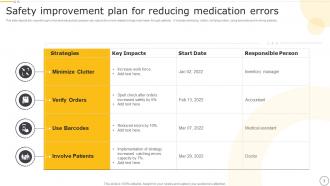
Oh definitely! Toyota's probably the best example - they baked safety right into their manufacturing and cut workplace injuries by crazy amounts. Boeing's another one, though honestly that took them forever to rebuild trust after their mess. Hospitals have had success too, especially with medication errors and patient falls. What really made the difference wasn't just writing some fancy plan. These companies actually measured everything and - this is huge - got their frontline people on board. Without that buy-in you're basically screwed. I'd look at whatever industry matches yours best since those insights will actually be useful.
-
Every time I ask for something out-of-the-box from them and they never fail in delivering that. No words for their excellence!
-
SlideTeam never fails to surprise me with its amazing PPT designs. Thanks team for providing me with your constant support!