


Safety Performance Powerpoint Ppt Template Bundles




Try Before you Buy Download Free Sample Product
 Impress Your
 Audience
 100%
100% Editable
 Save Hours
 of Time


Our Safety Performance Powerpoint Ppt Template Bundles are topically designed to provide an attractive backdrop to any subject. Use them to look like a presentation pro.
People who downloaded this PowerPoint presentation also viewed the following :
Safety Performance Powerpoint Ppt Template Bundles with all 17 slides:
Use our Safety Performance Powerpoint Ppt Template Bundles to effectively help you save your valuable time. They are readymade to fit into any presentation structure.






FAQs for Safety Performance Powerpoint
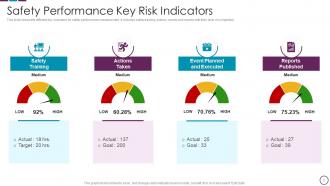
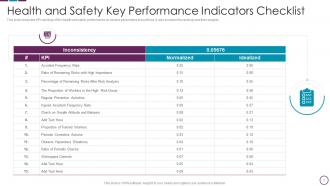
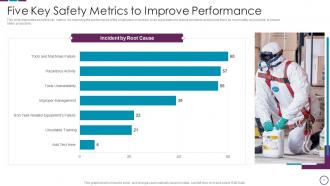
You want to track both leading indicators (training completion, near-miss reports, audit scores) and lagging ones (actual injuries, lost time, comp costs). Honestly, leading indicators are where it's at - they catch problems before someone gets hurt. Lagging indicators just confirm you already screwed up. Focus on frequency AND severity rates when stuff does happen. My old supervisor used to say "track everything" but that's terrible advice. Pick maybe 3-4 metrics that actually make sense for your workplace. Don't overthink it - you can always adjust later if something isn't working.
Safety's gotta feel like everyone owns it, not just some management thing they check off. Get your leaders actually talking to workers on the floor about what scares them - then do something about it. Most places totally bomb here because they never follow through. Oh, and celebrate when people report near-misses instead of getting mad. Workers need power to stop everything if something feels wrong without getting in trouble. I've seen too many places talk a good game but still push production over safety. Show them through real actions that you care more about people going home in one piece.
Honestly, training is huge for keeping people safe at work. Your team needs to know how to spot hazards and use equipment properly - that's where most accidents get prevented. Good training also means people watch out for each other more, which is honestly one of the best parts. Don't just do generic stuff though. Make it relevant to what they're actually dealing with day-to-day, not some cookie-cutter program. Regular refreshers help too, and definitely ask your crew what they're seeing that maybe the training didn't cover. Sometimes they catch things management misses.
Honestly, digital tools blow traditional safety monitoring out of the water. IoT sensors give you real-time hazard tracking, while mobile apps let people report incidents instantly - way better than those nightmare spreadsheets we all hate. Dashboards actually make sense now too. AI's pretty cool because it spots patterns and predicts problems before they bite you. Oh, and automated reporting saves you from those soul-crushing hours compiling monthly reports. I'd start with just one tool though, maybe a mobile app, then add more once everyone's used to it.
Start with a good checklist hitting all the big stuff - equipment, procedures, training records, you know the drill. Get your frontline people involved because honestly, they're the ones who actually know what's broken. Take real photos and write detailed notes, not just vague "fix this" comments. Don't wait for accidents to happen before you audit - that's backwards. Set up a regular schedule instead. And here's the thing that kills me - so many companies do these audits then let them collect dust. Follow through with actual deadlines and action items, or you've just wasted everyone's time and money.
Honestly, your team's gonna copy whatever you do with safety stuff. If you're always cutting corners to hit deadlines, they will too. But when you actually stop work for safety issues and listen to their concerns without getting pissy about it, things change fast. I've watched some pretty terrible safety cultures get turned around just because the manager started giving a damn. Train people properly, don't punish anyone for reporting close calls - that's huge. Oh and actually bring it up in meetings regularly, not just when something goes wrong.
Oh man, the worst thing companies do is chase those zero-incident streaks - total BS because people just stop reporting stuff. Plus they only look at injury rates after the fact instead of catching red flags early. I've seen so many places where workers won't speak up about near-misses because they're scared of getting blamed. Management treats it like checking boxes rather than actually building a safety culture. Training's usually garbage too, and there's this huge disconnect between the office folks and people on the ground. Bottom line? People need to feel safe reporting problems without getting thrown under the bus.
Regulations are just your bare minimum - the floor you can't drop below without getting smacked with penalties. Aviation and healthcare have crazy strict rules that actually push safety forward. But here's the thing: companies that only shoot for compliance? They're usually playing catch-up to the ones going above and beyond. I've noticed the best safety records come from places that see regulations as their starting point, not the goal. Honestly, compliance should be automatic. Then you build your real safety culture on top of that foundation.
Honestly, monthly safety huddles work really well - people can bring up concerns without drama. Track your incidents and near-misses, plus stuff like training completion rates. Regular audits help catch problems early too. The teams I've worked with had good luck sharing lessons learned across departments instead of keeping everything siloed. Oh, and celebrate the wins! Don't just focus on what went wrong. Make it part of your regular routine rather than some once-a-year checkbox thing. Consistent feedback loops are what actually move the needle.
So basically, you're looking at patterns in your near-misses and operational stuff before things actually go wrong. Equipment trends, weather conditions, how people are working, maintenance timing - all that feeds into spotting red flags early. Yeah, machine learning can catch weird correlations you'd probably miss, but honestly the simple stuff works fine too if you're just starting out. The trick is getting good, consistent data from sensors, reports, inspections, whatever you've got. I'd pick your 3 biggest risk areas first and focus on leading indicators instead of just counting up incidents after they happen. Way more useful that way.
Honestly, it's mostly about risk perception and whether people think "that'll never happen to me." When everyone's cutting corners, it becomes the norm - peer pressure works both ways. Trust is huge here too. Your team needs to believe you actually care about them, not just covering your ass legally. Fear-based approaches? They work for maybe a week, then people get resentful. What really works is making safety feel relevant to them personally. Oh, and here's something most managers miss - actually ask your employees which safety rules feel stupid or pointless to them. You'll probably find some easy fixes that get everyone more on board.
Honestly, you've got to stop sending the same boring safety report to everyone - that's why nobody reads them. Instead, give leadership the big picture stuff with trends and benchmarks. Supervisors need team-specific data they can actually act on. Workers want to see how what they're doing day-to-day makes a difference. Visual boards work great, plus safety huddles and maybe a decent mobile app. The trick is figuring out what metrics each group actually cares about first, then building everything around that. Oh, and dashboards are clutch for executives who love their data pretty.
Dude, getting your team to speak up about safety stuff is like the golden ticket. Seriously, the numbers don't lie - companies that actually listen to their workers see way fewer accidents. Makes sense though, right? The people doing the job every day know where things get sketchy better than some manager sitting behind a desk. What really works is making reports anonymous so nobody feels like they're being a snitch. And here's the key part - you've gotta actually do something when people report issues. Otherwise they'll just stop bothering. I've seen it happen too many times where good feedback gets ignored and then surprise, someone gets hurt.
Look at your TRIR and DART rates first - those are the big ones everyone tracks. Grab your last two years of data and compare it to what OSHA or BLS publishes for your industry. Trade associations usually put out annual safety stats too, which honestly can be more useful than the government stuff. Just make sure you're not comparing yourself to companies that are way bigger or smaller - that'll throw everything off. Industry safety groups are solid for getting real data since companies share their numbers anonymously. Near-miss tracking is huge too, though not everyone reports it the same way.
Hey! So predictive analytics with AI is massive right now - you can actually catch risks before stuff goes sideways. Also seeing this huge push toward psychological safety where people aren't scared to report close calls (which honestly should've been obvious years ago). There's this "safety differently" approach too, focusing on what works instead of just failures. Wearables and IoT for real-time monitoring are everywhere now. I'd probably start by checking how your reporting culture actually feels to workers, then maybe test some basic predictive tools in your riskiest spots.
-
It saves your time and decrease your efforts in half.
-
If you have visited their site and failed to find the products, try reaching the customer service because it will be the case that you didn't use the search bar well.