


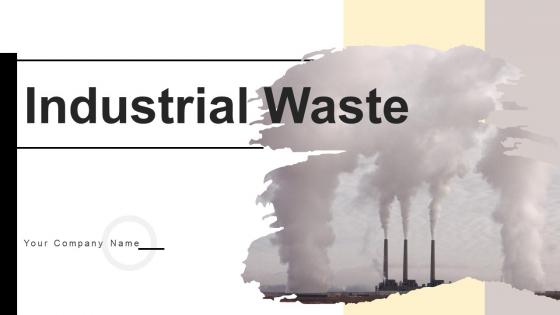
Industrial Waste Powerpoint Ppt Template Bundles




Try Before you Buy Download Free Sample Product
 Impress Your
 Audience
 100%
100% Editable
 Save Hours
 of Time


Introducing our comprehensive Industrial Waste PowerPoint PPT presentation, your ultimate resource for understanding and managing industrial waste. This meticulously crafted slide deck delves into the crucial aspects of industrial waste management, offering insights on pollution control, recycling, and sustainable practices. With vivid graphics and data-driven charts, our PPT elucidates the environmental impact of industrial waste, emphasizing keywords such as sustainability, pollution control, recycling, regulations, and best practices. Whether you are an environmentalist, a business owner, or a policy-maker, this presentation equips you with the knowledge and tools needed to address industrial waste challenges effectively. Elevate your understanding and action on industrial waste with our informative and visually engaging PPT today.
People who downloaded this PowerPoint presentation also viewed the following :
Industrial Waste Powerpoint Ppt Template Bundles with all 25 slides:
Use our Industrial Waste Powerpoint Ppt Template Bundles to effectively help you save your valuable time. They are readymade to fit into any presentation structure.
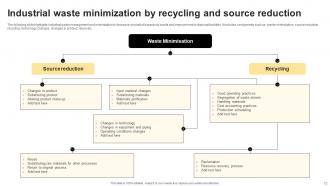
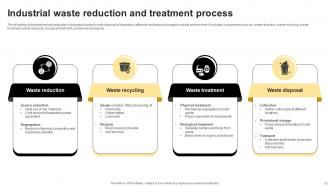









FAQs for Industrial Waste Powerpoint
Dude, chemical plants are the worst offenders - they're churning out liquid waste like crazy. Metal processing and textile factories aren't much better. Food processing facilities generate tons of solid waste, and don't even get me started on electronics manufacturing. We're making so many gadgets now it's insane. Paper mills dump both liquids and solids, while pharma companies deal with hazardous chemicals. Steel mills, car plants - they all contribute different waste streams. If you're trying to track this stuff at your place, just walk the production floor and see where materials get tossed or weird byproducts pile up.
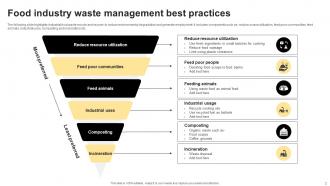
Yeah so it really depends on your industry. Manufacturing creates tons of chemical waste and metal scraps. Food processing is different - they get organic waste that can actually become compost or energy, which is pretty cool. Tech companies deal with mostly e-waste and packaging stuff. The tricky part is management though. Pharma companies have crazy strict rules they have to follow for disposal. Smaller manufacturers usually just hire waste companies to handle everything. I'd look up what regulations hit your sector specifically, then maybe peek at what your competitors are doing for ideas.
So first thing - figure out if your stuff counts as hazardous waste under RCRA. That's the big federal law that tracks everything from creation to disposal. If you're dumping liquids anywhere, Clean Water Act kicks in too. State rules are usually worse than federal ones, which is fun. EPA makes the basic rules but your state agency actually does the permits and comes around to check on you. Honestly the whole system's pretty confusing - I'd start with RCRA classification then see what extra hoops your state makes you jump through.
Honestly, start with the classics - reduce, reuse, recycle. But do them in that exact order because preventing waste beats dealing with it later. First, dig into your production and figure out where you're being wasteful. Better planning, lean processes, different materials - whatever works. Reusing stuff is where it gets interesting though. Your waste might be perfect raw material for someone else. I've seen companies get super creative with this! Set up decent recycling after that and actually track your numbers each month. Don't try to fix everything at once - pick one process, get it right, then move on.
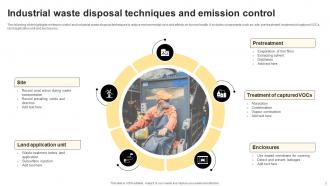
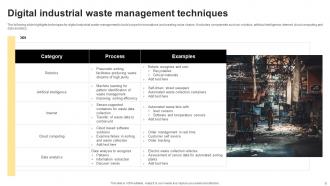
Hey! Most facilities use biological stuff like activated sludge and anaerobic digestion. Physical-chemical methods work too - membrane filtration, ion exchange, that kind of thing. Thermal treatment's pretty big now, especially incineration with energy recovery. What's cool is companies are mixing these technologies together and actually making money off the byproducts. AI optimization is happening too, which is honestly kind of wild to see in waste management of all places. I'd definitely do a waste audit first though - you gotta know what you're dealing with before picking technologies.
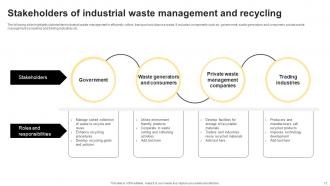
So these companies are like your cleanup crew for all the nasty industrial stuff. They'll sort and treat hazardous waste properly, plus keep you compliant with EPA regs (trust me, those fines are brutal). Some do waste-to-energy conversion too, which is actually pretty neat. The good ones will also help you cut down waste at the source - my buddy's factory saved tons doing that. Honestly, if you're running any industrial operation, get a solid waste management partner early. Way easier than dealing with compliance nightmares later.
Dude, industrial waste is seriously brutal for nearby communities. Air and water pollution spike respiratory disease and cancer rates - and of course it's always the poorest neighborhoods getting hit worst. Ecosystems get absolutely wrecked too. Fish die-offs, toxic plants, contaminated soil that stays unusable for decades. Food chains collapse, wildlife disappears. It's honestly infuriating how predictable this pattern is. When you're checking out industrial sites, map the surrounding demographics first. Look at environmental features too. That's how you'll actually see what communities are at risk and what kind of damage we're talking about.
Honestly, waste management costs add up fast - disposal fees, compliance stuff, fines if you screw up regulations. But flip your thinking here. Good waste management actually makes you money through recycling and energy recovery programs. My old boss learned this the hard way after a small spill cost us like 50k in cleanup. Waste reduction strategies cut operational costs too. Really though, audit what you're throwing away first - that's where you'll spot the biggest savings opportunities. Don't think of it as just another expense to deal with.
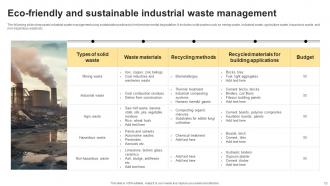
So basically you're flipping the whole "make stuff, toss it" thing on its head. Map out what waste you're creating first - that's your goldmine right there. One department's trash becomes another's raw materials, which honestly saves you money too. Look for companies nearby who might want your scraps. My buddy's factory started selling their metal shavings to a parts manufacturer down the road. It's all about closing the loop instead of throwing everything away. Start with a waste audit and you'll be surprised what you find.
Honestly, getting the sorting right from day one makes everything else way easier. Have your team use proper containers and label stuff clearly - saves so much hassle later. Find certified disposal companies that actually know your waste types (some are surprisingly clueless). Keep detailed records because compliance audits are brutal when you're unprepared. Train everyone quarterly since one person messing up can snowball fast. Oh, and build this into daily routines instead of scrambling at the end. Regular procedure reviews help catch problems before they bite you.
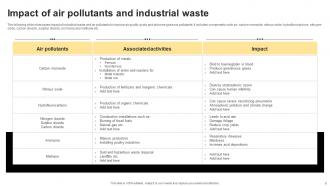
So basically, all that industrial stuff - factories, power plants, chemical processing - they're just constantly spewing CO2 and methane into the air. Manufacturing alone is responsible for like 21% of global emissions, which is honestly insane when you think about it. Then you've got landfills where all the organic waste just sits there rotting and making even more methane (ugh, I know). What you can do is back companies that actually have real carbon reduction programs - not just greenwashing BS. Also definitely push for tougher regulations locally if you can.
Honestly, there's decent money in going greener with your business. Tax breaks for clean tech, utility rebates on efficient equipment - that stuff adds up. Some states throw grants at waste reduction projects too. But the real win? You're spending way less on disposal and materials when you're not throwing everything away. Plus you dodge those brutal environmental fines - I've seen companies get hammered for that. Oh, and check out EPA's WasteWise thing, it's actually pretty helpful. Start local though, see what your city offers first.
Dude, training your employees is seriously the best move you can make for cutting waste. Your team handles all the materials every day - they see the real problems way better than management does. Teach them basic sorting and how to spot when stuff's getting wasted, and they'll become like little waste-watching detectives. I'm not even exaggerating, some places I know dropped their waste by 30-40% just from this. Start simple though - show them how to track what gets tossed and figure out why. Once they get it, they'll catch overproduction and material screwups you'd totally miss.
Start with a waste audit - seriously, you can't fix what you don't measure. Bio-based materials are solid, especially bioplastics if they fit your product. 3D printing's where it gets interesting though - only prints what you actually need instead of carving away tons of material. Have you looked into industrial symbiosis networks? Companies basically trade waste streams and resources. It's recycling but way more efficient. Green chemistry helps too by ditching toxic stuff from day one. Oh, and closed-loop systems turn your byproducts into inputs for other processes - pretty neat concept.
So it's a total mess, honestly. The EU goes crazy with their tracking requirements - like, they want to know where every scrap of hazardous material ends up. Meanwhile the US just gives states some federal guidelines and lets them figure it out. Japan actually has their shit together though, their protocols are pretty impressive. Developing countries used to be way more relaxed about this stuff, but they're tightening up fast thanks to international pressure. Here's the thing - even when countries say they follow the same ISO standards, enforcement is all over the place. If you're shipping waste internationally, you gotta research each country's rules separately. Don't assume anything.
-
Thrilled to see several customizable templates catering various verticals and industries.
-
Excellent template with unique design.