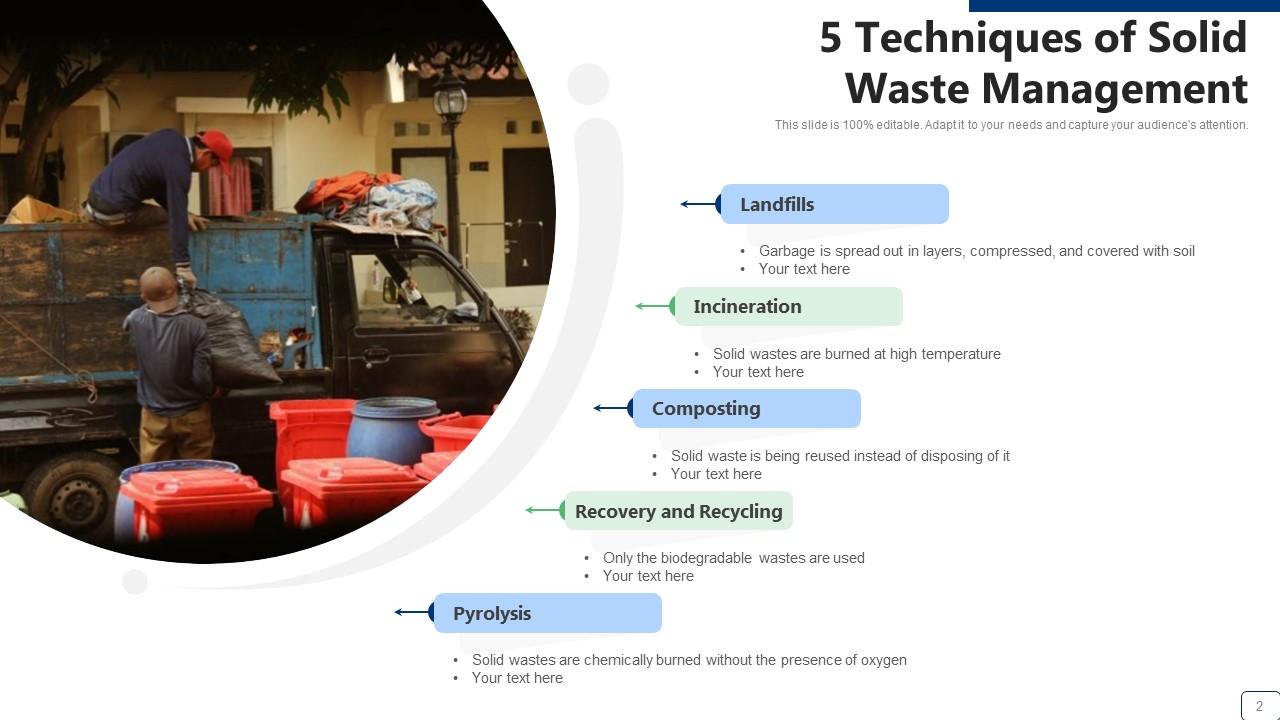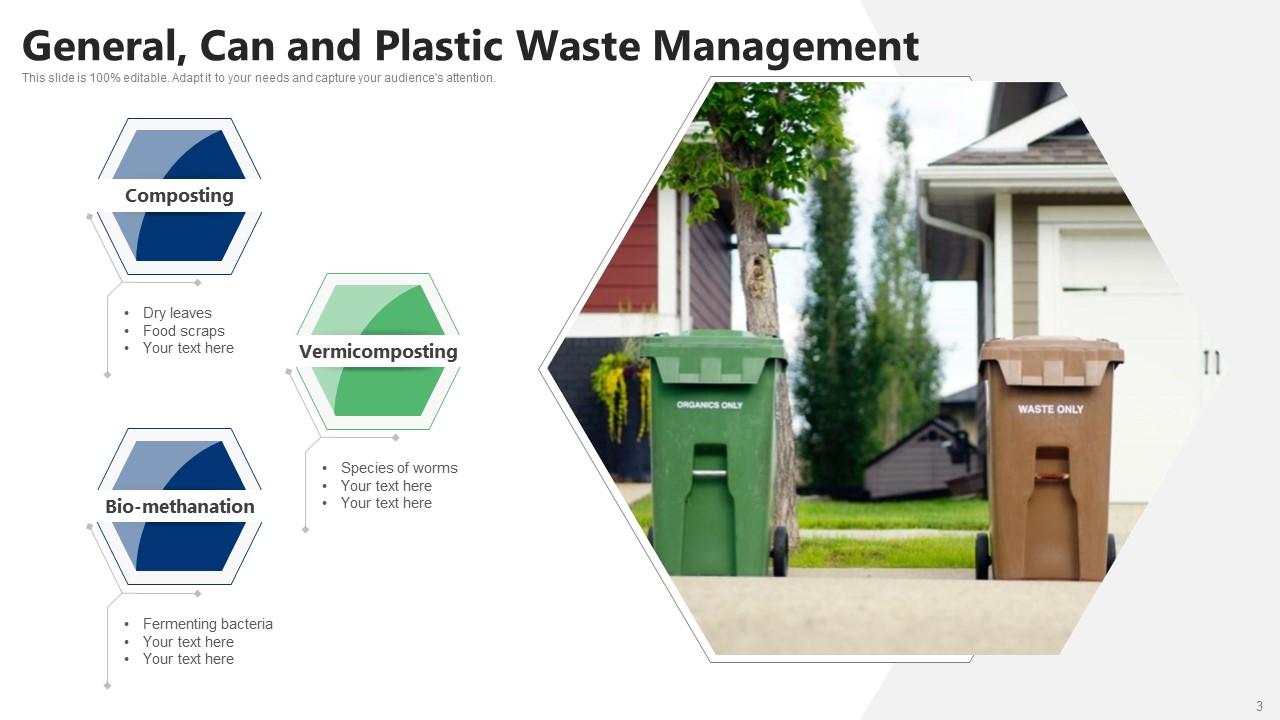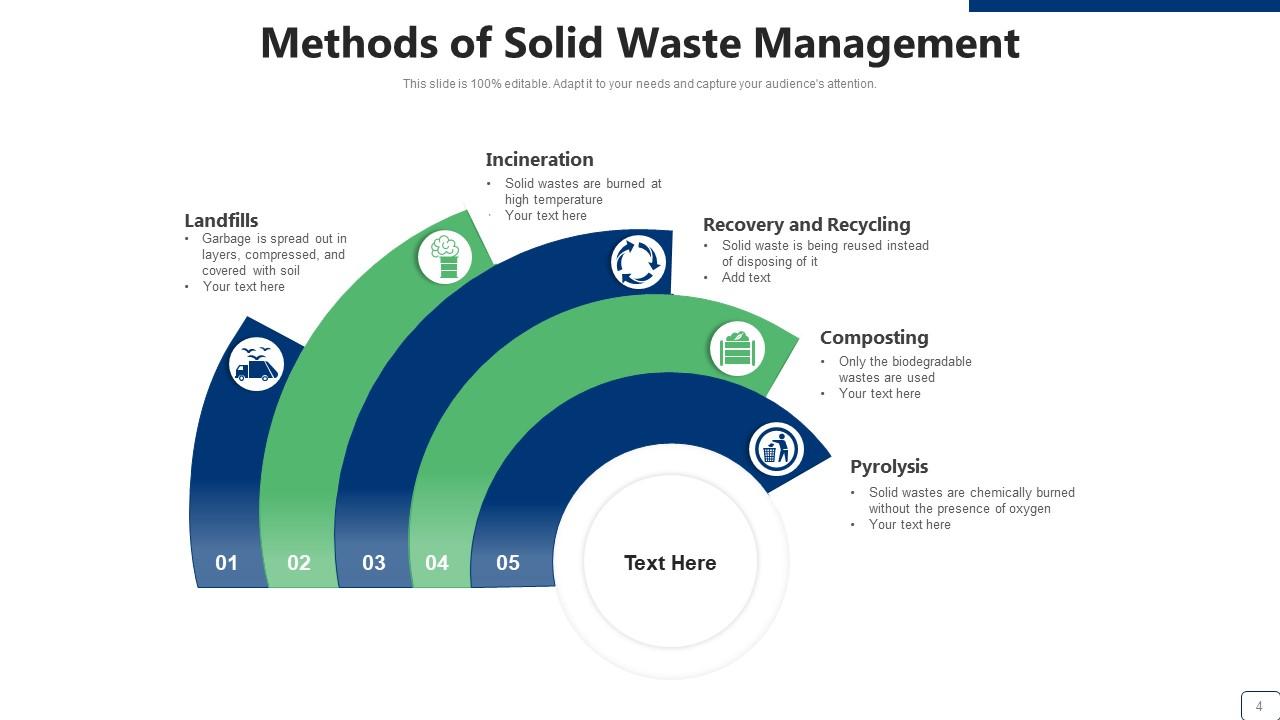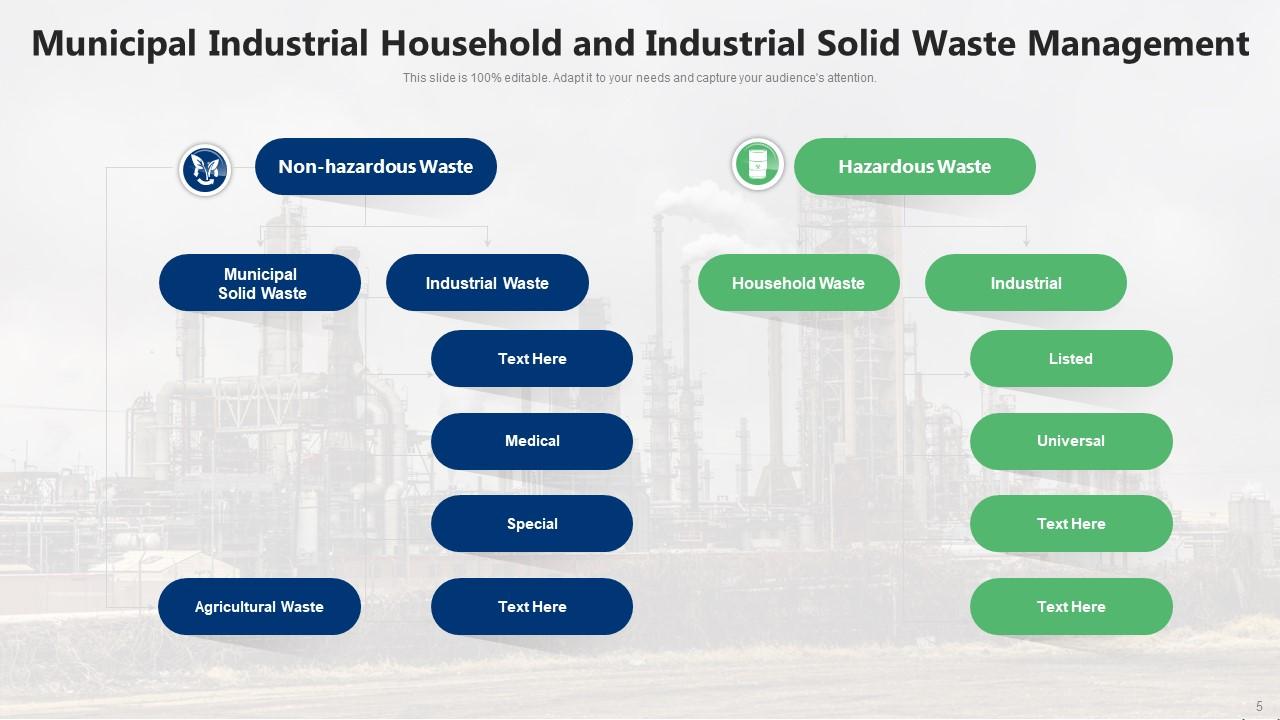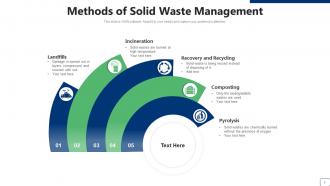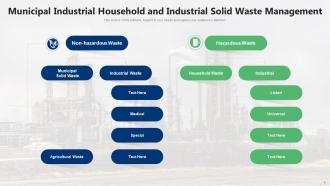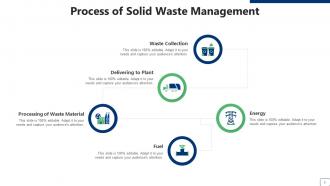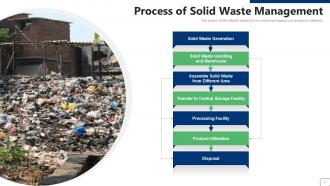
Solid Waste Management Powerpoint PPT Template Bundles
Try Before you Buy Download Free Sample Product
Audience
Editable
of Time
Our Solid Waste Management Powerpoint PPT Template Bundles are topically designed to provide an attractive backdrop to any subject. Use them to look like a presentation pro.
People who downloaded this PowerPoint presentation also viewed the following :
Solid Waste Management Powerpoint PPT Template Bundles with all 17 slides:
Use our Solid Waste Management Powerpoint PPT Template Bundles to effectively help you save your valuable time. They are readymade to fit into any presentation structure.
FAQs for Solid Waste Management Powerpoint
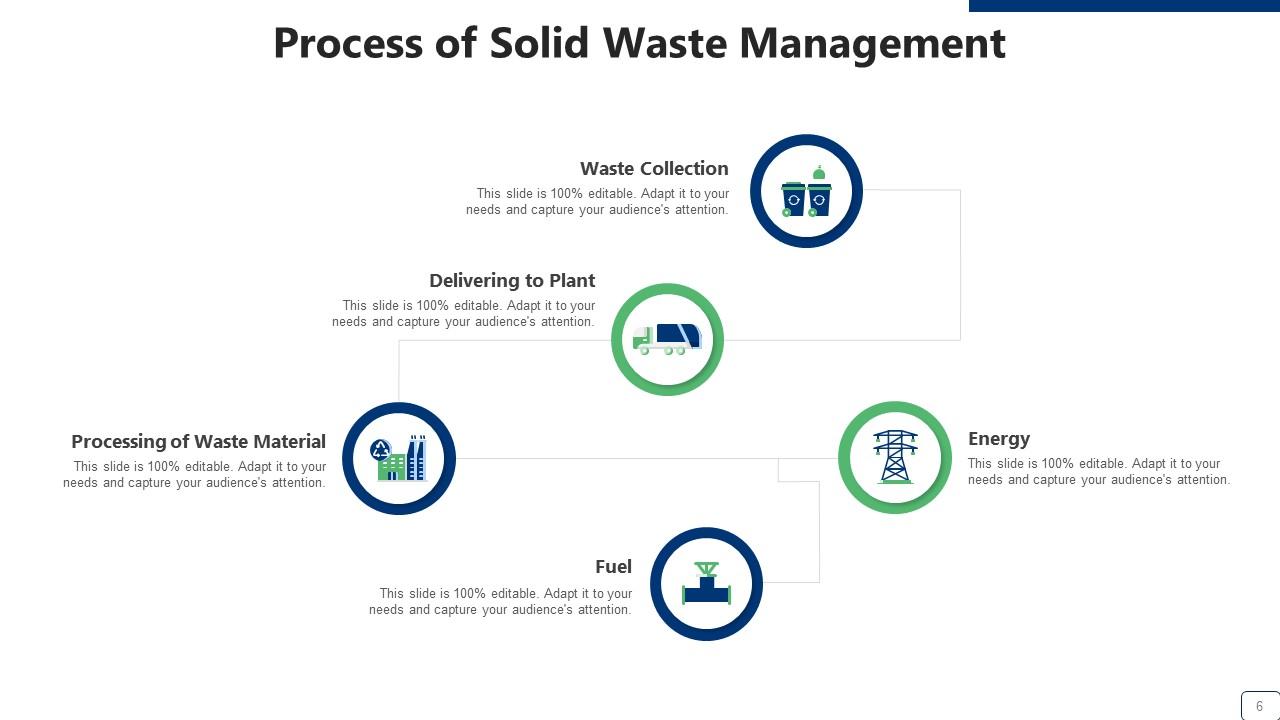
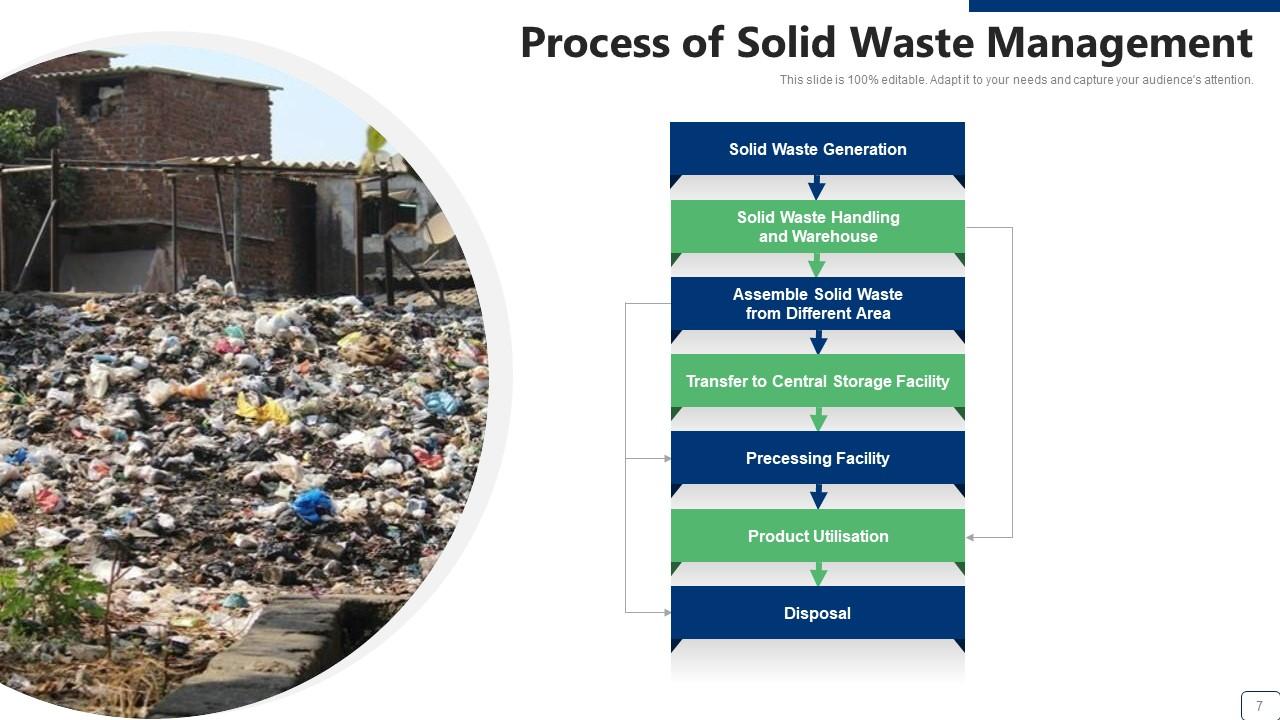
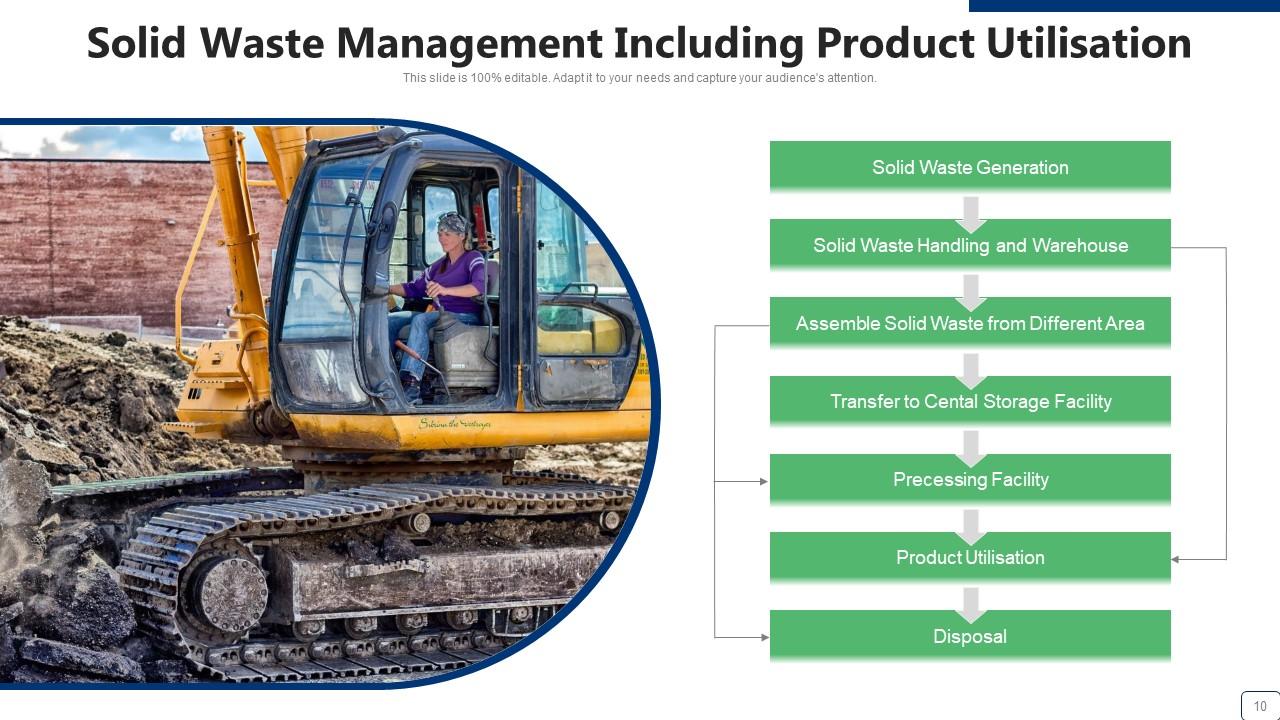
You need to think about the whole cycle - pickup, transport, processing, and disposal. Get solid trucks and routes set up first. Processing is where it gets interesting though - sorting facilities, recycling centers, composting operations. Whatever's left goes to landfills. Don't skip the boring regulatory stuff either, trust me on that one. Honestly the biggest difference maker is getting people in your community actually excited about reducing waste and recycling properly. I'd start by figuring out what infrastructure you already have vs what's missing.
Honestly, source segregation makes such a huge difference for recycling. When you sort stuff at the source, processing plants don't have to waste time and money on that step - they can go straight to the actual recycling part. Mixed waste is a nightmare - I think it takes like 3x more work to deal with properly? Plus clean streams mean way less contamination, which is key. Without good sorting upfront, you just end up with contaminated batches that get tossed in landfills anyway. Definitely worth getting your team solid on sorting protocols right away.
Your city or county handles pretty much everything waste-related that you actually see. Trash pickup schedules, recycling programs, permits for waste companies - that's all them. They're stuck dealing with complaints about missed pickups too, which honestly sounds terrible. Local offices also run the landfills and write ordinances about dumping. Basically, they take whatever the state decides and figure out how to make it work in your neighborhood. Got a waste problem? Start with city hall - they're usually the ones who can actually fix it or at least tell you who can.
Honestly, those campaigns work pretty well when they're done right. People need to see how their small actions actually make a difference - like showing them the exact impact of recycling one bottle. Make it local and social too, because peer pressure is real lol. Nobody wants to be the only house not participating when everyone else is. The trick is pairing education with super clear instructions. Don't just say "recycling matters" - tell them exactly where to put what and when pickup happens. Start small so people feel successful right away. Oh, and convenience is huge. If it's complicated, people just won't bother.
Honestly, it's pretty bad - soil and groundwater get contaminated, plus you've got air pollution from burning waste. Landfills pump out greenhouse gases when organic stuff decomposes. What really gets me is how much waste ends up in waterways and oceans. Way more than people realize. Then you're dealing with rats, flies, mosquito breeding grounds - the whole nasty cycle. Food chains get contaminated too. The groundwater thing is probably the scariest part since entire communities can lose their drinking water. I'd start by figuring out where your biggest disposal problems are first.
So these waste-to-energy plants are actually pretty cool - they burn your garbage at crazy high temps and turn it into electricity. Way better than just dumping everything in landfills forever, you know? The whole process cuts waste volume by like 90%, which is huge. Plus modern ones have way better emission controls than the old sketchy incinerators from back in the day. I mean, it's not perfect but it's definitely smart for communities trying to figure out their waste situation. You're basically killing two birds with one stone - less trash AND renewable energy.
Money's the biggest issue, obviously. Cities are exploding in size but waste systems can't catch up - garbage literally everywhere. Most places don't have enough trucks or proper landfills. The informal waste pickers? They're honestly doing more work than the official programs half the time. Training staff costs too much, equipment breaks down constantly. Oh and people are buying way more packaged stuff now, so the waste is totally different than before. If you're working on this, don't try to bulldoze the existing informal networks. Work with them instead - they actually know what they're doing.
Start with figuring out what you're actually throwing away - do a waste audit first. Then tackle the obvious stuff: ditch single-use items, get reusable packaging, set up recycling and composting. Train your people on sorting because honestly, so much recyclable stuff gets tossed just because nobody knows where it goes. Work with suppliers who don't go crazy with packaging. Oh, and donate what you can instead of trashing it. Pick one department to test everything out, track how it's going, then expand once you've got it figured out.
Start with pilot programs in a few neighborhoods first - way easier to work out the kinks. You can either do big centralized facilities that handle waste from across the city, or go smaller with community programs (honestly I think the community ones work better for getting people actually involved). Make pickup super simple though - confusing schedules kill participation every time. Separate bins for organic waste are a must, and throw in some incentives to get people on board. The decentralized approach doesn't get enough love but it's solid for building neighborhood buy-in.
Honestly, start with a waste audit - you need to know what you're actually dealing with first. Budget's huge obviously, since some systems cost a fortune upfront. Your community size matters a ton too. What works for a small town of 5,000 won't handle 500,000 people (learned that the hard way when I researched this stuff). Local regulations can be a real pain, so check those early. Don't forget your waste types vary - rural vs urban communities produce totally different garbage. Climate and geography play into it more than you'd think. Match whatever system you pick to your actual resources, not some ideal scenario.
Dude, you've got so much useful data just sitting there untapped. Start with one specific problem - maybe optimizing collection routes using fill sensors or predicting when trucks need maintenance before they actually break down. Peak waste patterns vary crazy amounts between neighborhoods too. Recycling contamination rates can guide your outreach efforts. Honestly the hard part isn't finding insights, it's not getting overwhelmed trying to analyze everything simultaneously. Pick something that's bugging you most and build from there. The operational data you're already collecting? Half the battle's won.
Yeah, the upfront costs are pretty steep - we're talking hundreds of thousands for equipment, training, all that setup stuff depending on how big your operation is. But honestly? Most places break even in like 2-3 years from cutting disposal costs and making money off recycling. Plus you won't get slammed with compliance fines, which can be absolutely brutal. I'd hit up 3 or 4 vendors for quotes first - that'll give you real numbers to work with. Then you can actually build a solid business case around the savings you'll see. Worth looking into for sure.
Dude, it's crazy how much culture affects recycling rates. Japan and Germany absolutely crush it because people there see sorting waste as their civic duty - like, you'd be embarrassed NOT to do it properly. But in places where folks don't trust government programs or just prioritize convenience? Yeah, those recycling bins stay pretty empty. What really gets me is the neighbor effect though. Once everyone on your block starts doing it religiously, suddenly you feel weird being the only one throwing everything in regular trash. Bottom line - any program that fights against local values instead of working with them is basically doomed from the start.
Dude, there's some crazy stuff happening in waste management right now. AI sorting systems can identify materials better than people can - honestly blew my mind when I first saw it. Chemical recycling literally breaks plastics down to molecules, which is insane. Smart bins track themselves and optimize pickup routes. Oh, and cities are experimenting with blockchain for waste tracking (still not sure why everything needs blockchain these days lol). Waste-to-energy plants keep getting better at turning garbage into actual electricity. Most of this stuff follows circular economy ideas where your trash becomes someone else's raw materials. Check what your city's testing - might give you project inspiration.
Honestly, public-private partnerships are pretty smart - you get government oversight mixed with private companies that actually know how to innovate and move fast. Private firms usually have way better equipment and tech expertise than what cities can afford to keep around. Meanwhile, the government side keeps environmental standards in check and makes sure companies don't just ignore what the community needs (because let's be real, they totally would sometimes). Risk gets split between both parties too. So if things go sideways, your city won't get completely screwed over. I'd definitely look into those hybrid deals where the city still owns everything but just contracts out the day-to-day operations.
-
Awesome use of colors and designs in product templates.
-
Attractive design and informative presentation.