

Pharmaceutical Marketing Plan Powerpoint Ppt Template Bundles




Try Before you Buy Download Free Sample Product
 Impress Your
 Audience
 100%
100% Editable
 Save Hours
 of Time


Our Pharmaceutical Marketing Plan Powerpoint Ppt Template Bundles are topically designed to provide an attractive backdrop to any subject. Use them to look like a presentation pro.
People who downloaded this PowerPoint presentation also viewed the following :
Pharmaceutical Marketing Plan Powerpoint Ppt Template Bundles with all 17 slides:
Use our Pharmaceutical Marketing Plan Powerpoint Ppt Template Bundles to effectively help you save your valuable time. They are readymade to fit into any presentation structure.
-
Pharmaceutical Marketing Plan
-

Pharmaceutical product strategic marketing plan
-

Online marketing plan for pharmaceutical companies
-

Launch plan for pharmaceutical product marketing
-

Pharmaceutical companies strategic marketing plan
-

Pharmaceutical product campaign marketing budget plan
-

Multichannel marketing plan for pharmaceutical companies
-
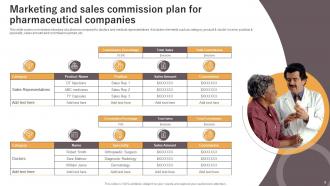
Marketing and sales commission plan for pharmaceutical companies
-

Pharmaceutical company social media marketing plan
-
Calendar for pharmaceutical marketing plan icon
-

Pharmaceutical product marketing plan icon
-

Pharmaceutical Marketing Plan
-

-

-

-

-

FAQs for Pharmaceutical Marketing Plan Powerpoint
Start with figuring out who you're actually selling to - that's where everything else comes from. You'll need solid market research and competitive analysis to see what's already out there. Build a value prop that actually sets your drug apart, not just generic fluff. Set clear objectives you can measure, map out your budget across channels, and create a timeline that makes sense. Regulatory stuff is non-negotiable - trust me, you don't want those headaches later. Your messaging has to match your clinical data while solving real problems doctors and patients face. Oh, and track ROI on everything - digital, conferences, sales reps, the works.
Look, market research is literally your lifeline here. It shows you who's actually buying and why they care. Dig into how doctors prescribe stuff, map out the patient journey, scope out competitors. I swear, half the campaigns I've seen tank because people just wing it instead of doing the homework first. Your research shapes everything - messaging, where you spend money, which channels to hit. Oh and timing matters huge - you need to catch doctors when they're open to hearing about new treatments. Start with surveys for the numbers, then do some real conversations with your target docs to get the full picture.
Dude, you really can't skip digital anymore in pharma - it's just too big now. LinkedIn works great for reaching doctors, while Facebook and YouTube are solid for patient education. Yeah, the compliance stuff is a total pain, but the audience you can hit is massive. Building communities around specific conditions through social media? Game changer. Plus you get direct engagement with both doctors and patients that traditional marketing just can't touch. Oh, and don't spread yourself too thin - figure out where your audience actually hangs out first, then go hard on those platforms instead of trying to be everywhere.
Oh man, pharma marketing is a total maze. The FDA makes you include all the scary side effects whenever you mention benefits - like those drug commercials where half the time is just listing ways it might kill you. You can't say anything unless you've got solid clinical data backing it up. Legal has to approve literally everything before it goes live, which is such a pain and adds weeks to every project. Also you're stuck tracking adverse events that come through your channels. My advice? Loop in regulatory from the start and pad your timelines like crazy.
So you'll want to track the usual stuff - brand awareness, recall scores, website traffic, social engagement. But honestly, the prescription data and market share changes are where the real action is. Revenue attribution is a nightmare in pharma since everything takes forever, but still worth tracking. HCP engagement rates matter too, plus event attendance if you're doing those. The tricky part? Connecting your campaigns to actual prescribing behavior over months. I'd set up a monthly dashboard so you can catch trends before they get out of hand. Oh, and don't forget patient adherence programs - those can be goldmines for data.
Look, doctors are already overwhelmed with similar drugs, so the "me too" thing is dead. What actually sets yours apart? Better results, fewer side effects, easier dosing - whatever it is, that's your gold. Skip the marketing fluff and focus on real patient outcomes. Get some respected doctors on board early to back up your claims. Your sales team better be able to explain the difference in like 30 seconds max. Honestly, if you can't sum up why it matters in one sentence, you're screwed. Neither will anyone else.
Honestly, MSLs are your golden ticket here - they can sit down with docs and really get into the weighty clinical stuff. Conferences and symposiums give you that broader reach, and physicians actually show up for those. What really works though is getting respected docs to present to their peers instead of having company reps do it. Way more street cred. Digital's obviously huge now - webinars, online portals, all that. Even journal ads still have their place. I'd start by figuring out which doctors prefer what format, then just hit them where they're most comfortable.
Dude, patient stories are gold for pharma marketing. Way better than another boring efficacy chart, honestly. Real outcomes beat clinical data every time when you're trying to convince people. Build up a collection early though - getting consent and legal approval takes forever. You can use them everywhere once you have them: sales decks, websites, conferences. Just make sure you're following privacy rules because that's where things get messy. Social media's tricky depending on your compliance team, but worth asking about. Trust me, these testimonials will carry your campaign way further than you'd think.
Honestly, figuring out your target audience is like the whole foundation of pharma marketing. Each group - patients, doctors, specialists, caregivers - they all have totally different pain points and ways they like to communicate. A cardiologist won't care about the same stuff that resonates with a diabetes patient, you know? Skip this step and you'll blow your budget on wrong channels, use messaging that falls flat, and mess up your timing completely. I always tell people to build out detailed personas first - sounds boring but it actually saves you so much headache later. Trust me on this one.
Honestly, those healthcare partnerships can totally make or break your whole strategy. Doctors and nurses are the ones actually prescribing your stuff, so having real relationships with them is huge. Patients trust their doctor's opinion way more than any fancy ad campaign - that's just reality. Plus you get amazing feedback on how things work in actual practice, not just lab results. Oh, and the credibility boost is insane. Don't just treat it like a transaction though. Give them educational stuff that actually helps their patients. Build something genuine and you'll see the difference.
Patient safety comes first - don't oversell benefits or brush off risks. Back up your claims with real clinical data and have medical affairs review everything. That "sell at any cost" approach? Total nightmare in pharma. Be upfront about side effects, even with doctors. FDA guidelines aren't optional - same goes for local regs wherever you're working. Honestly, the regulatory landscape changes so fast it's hard to keep up sometimes. Run everything by legal and regulatory before launching. Trust me, an FDA warning letter isn't worth the headache.
Look, forget the guessing games - data analytics shows you what's actually working. Track which channels get HCP engagement and spot prescription patterns by region. Plus you can see what messaging hits with different specialties. Honestly? We're drowning in data these days, but I'd rather have too much than flying blind. The real win is catching trends early - like which docs will jump on new therapies first or if competitors are stealing your turf. My advice: pick 2-3 KPIs that matter for your launch and build dashboards around those. Don't overcomplicate it at first.
So pharma's getting way more personal now - they're ditching broad campaigns for precision targeting based on your actual genetic data. Wild, right? COVID basically forced everyone into digital mode overnight. Companies are bypassing doctors more and going straight to patients with education content. Social media partnerships with telehealth platforms are exploding too. AI's making content that changes in real-time based on who's viewing it. Honestly, the speed of change has been insane. For planning, I'd build campaigns that can pivot fast and really beef up your data analytics - you'll need it.
Honestly, LinkedIn's your best bet for reaching doctors - way better than trying to chase them elsewhere. For patients, Facebook groups are gold. SEO stuff works too if you're not being salesy about it. Write actual helpful content about conditions, maybe throw in some videos. Oh, and programmatic ads are clutch - you can target people based on what health topics they're looking at online. Email's still solid if you segment it right, like by specialty or where patients are in their treatment journey. Just don't be that company that's obviously trying to sell first, educate second. People see right through that. Map out where you're already reaching people, then find the gaps.
So content marketing in pharma is like being the translator between all that crazy complex science stuff and real people who need it. You're making webinars, patient guides, white papers - basically anything that actually teaches something instead of just selling. Doctors want to stay updated on new treatments, patients want to understand what's happening to them. The whole point is building trust first by answering questions people actually have, then maybe they'll consider your product later. Honestly way more effective than just pushing sales pitches. Start by figuring out what your audience is googling at 2am.
-
“Immediate response, professional support, and effective solutions that were customized and immediately provided. Well done- Thank you!”
-
Eye-catching PPT designs, outstanding team, and best customer service. I’m a super satisfied customer here!