High Level Project Plan Powerpoint PPT Template Bundles

Rating:
90%
High Level Project Plan Powerpoint PPT Template Bundles
Slide 1 of 25
Favourites Favourites

Try Before you Buy Download Free Sample Product

Audience Impress Your
Audience
Editable 100%
Editable
Time Save Hours
of Time
The Biggest Sale is ending soon in
0
0
:
0
0
:
0
0
Rating:
90%
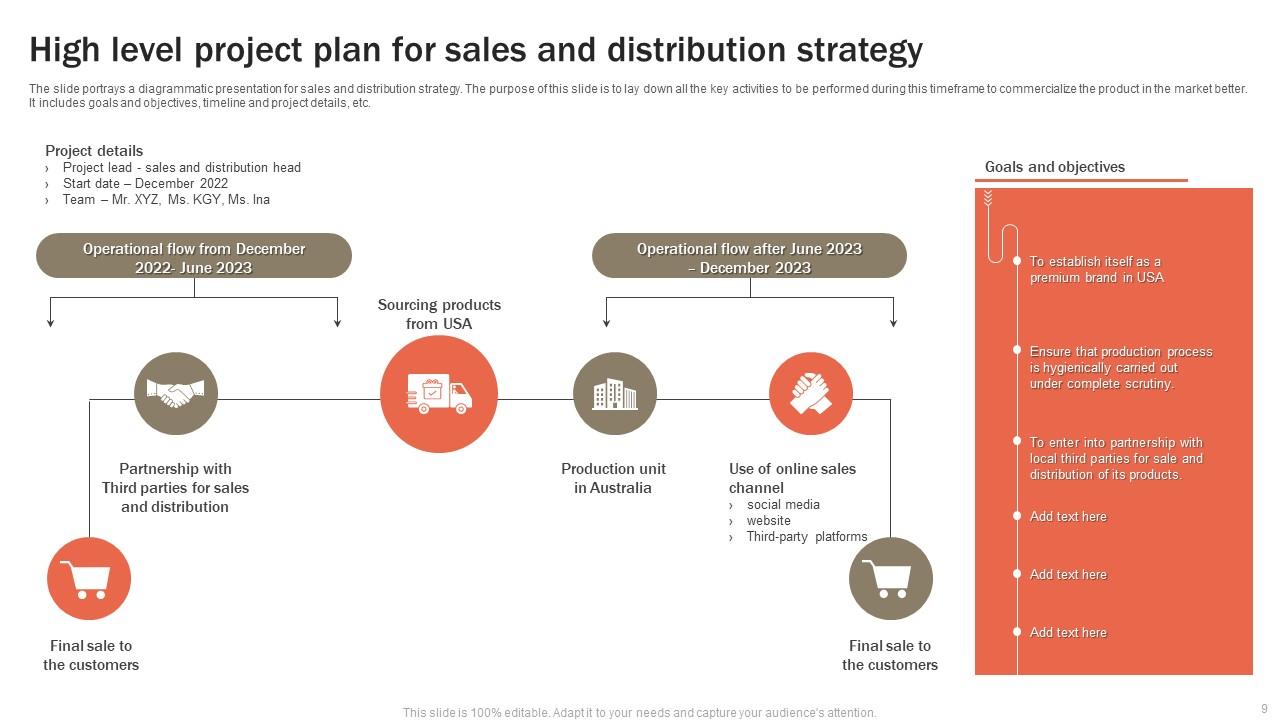
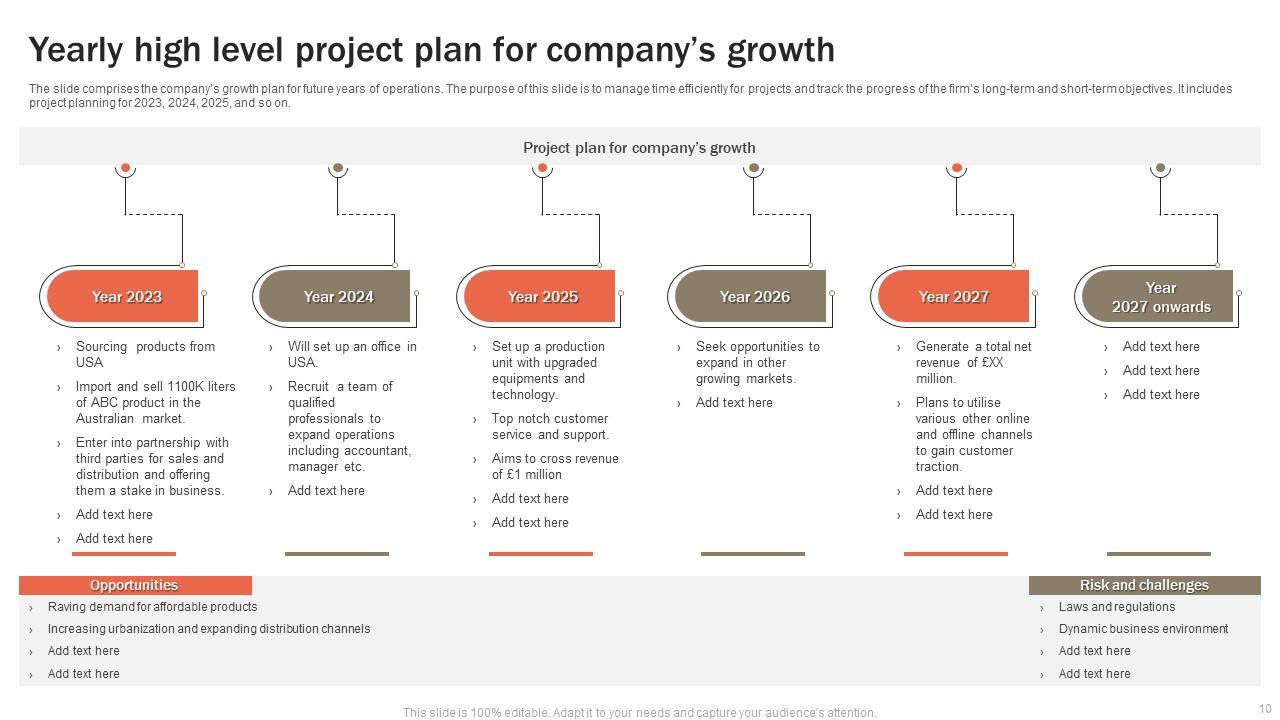
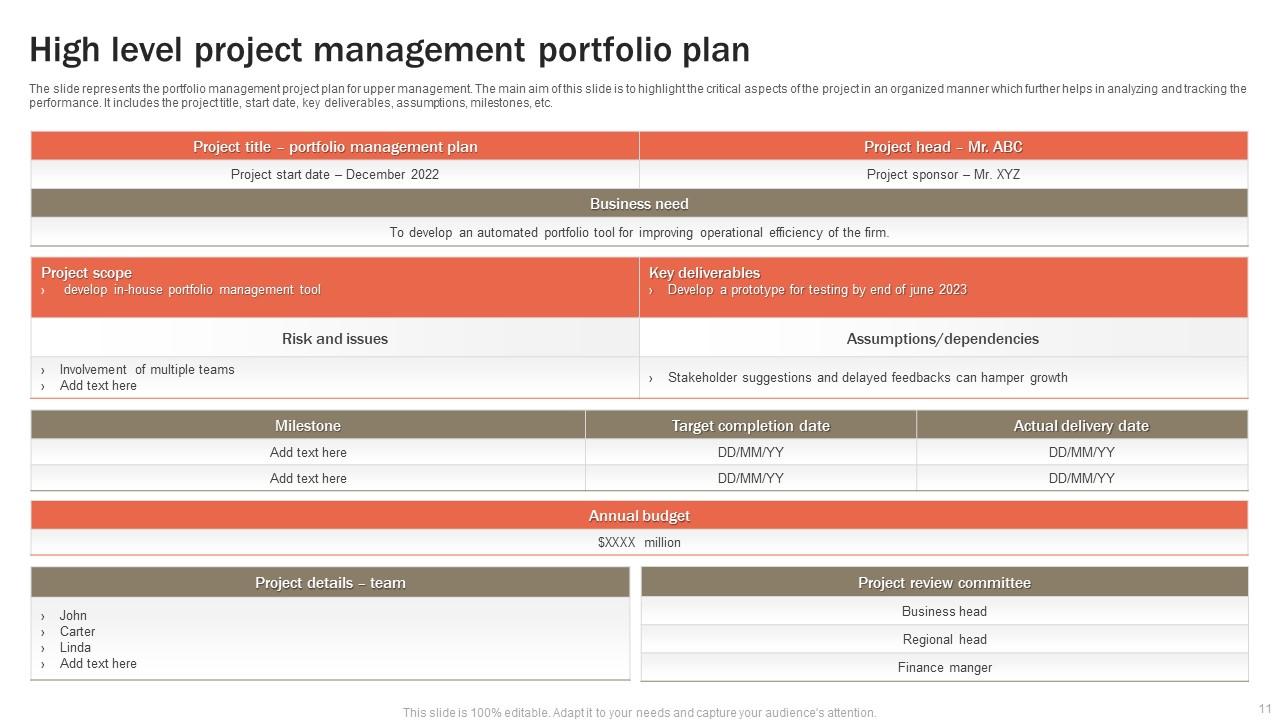
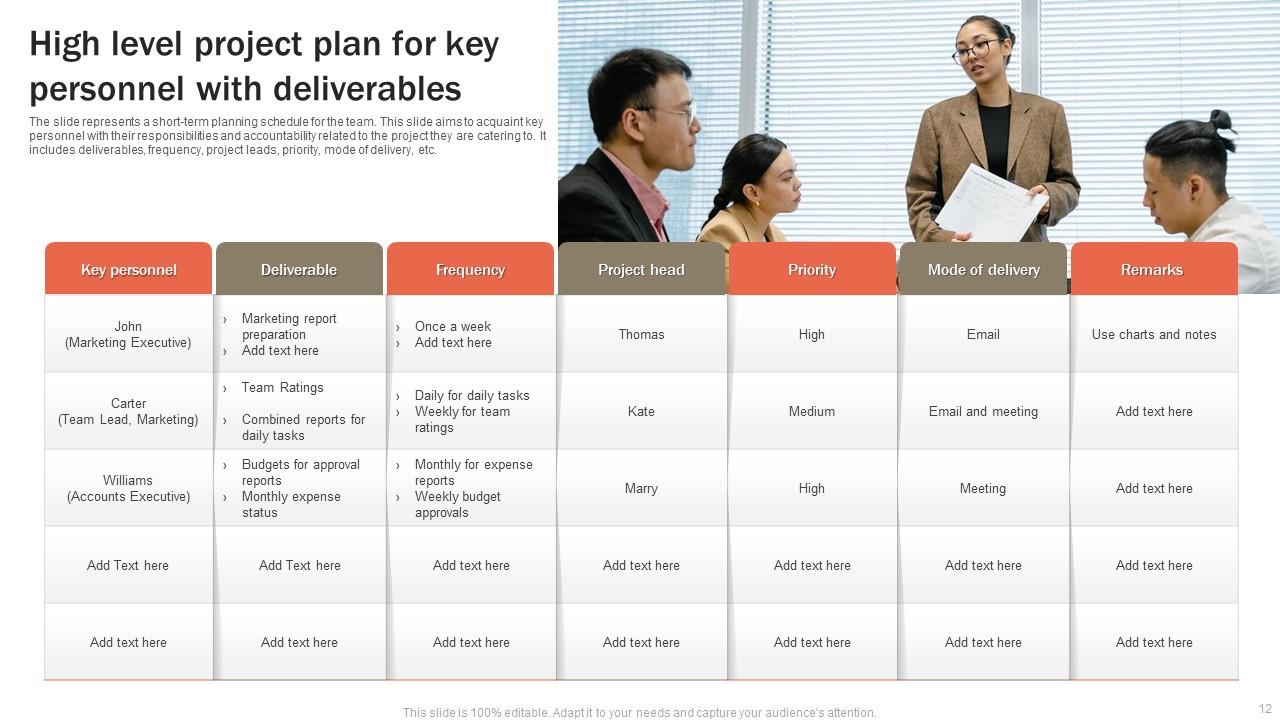
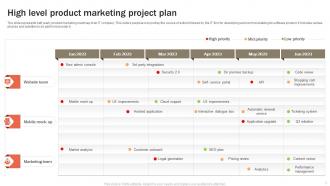
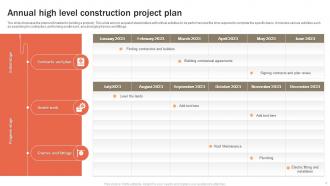
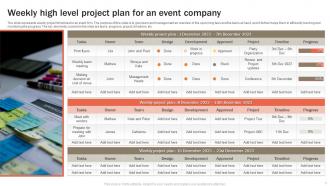
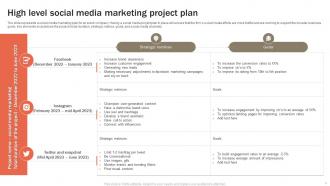
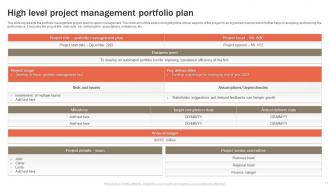
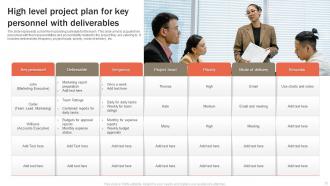
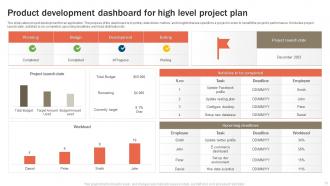
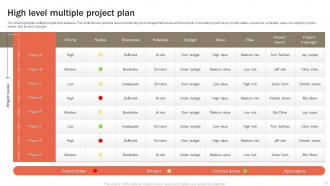
Engage buyer personas and boost brand awareness by pitching yourself using this prefabricated set. This High Level Project Plan Powerpoint PPT Template Bundles is a great tool to connect with your audience as it contains high-quality content and graphics. This helps in conveying your thoughts in a well-structured manner. It also helps you attain a competitive advantage because of its unique design and aesthetics. In addition to this, you can use this PPT design to portray information and educate your audience on various topics. With twenty slides, this is a great design to use for your upcoming presentations. Not only is it cost-effective but also easily pliable depending on your needs and requirements. As such color, font, or any other design component can be altered. It is also available for immediate download in different formats such as PNG, JPG, etc. So, without any further ado, download it now.
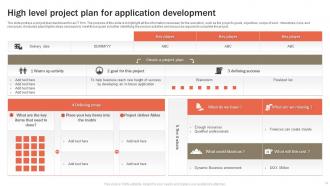
FAQs for High Level Project Plan Powerpoint

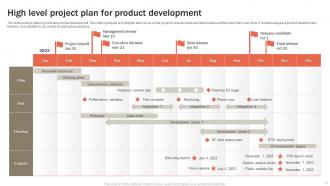
So you'll need the basic stuff - scope, timeline, budget, who's involved. Add your major milestones and what success looks like when you're done. Honestly, resist the urge to get super detailed right now. Save that headache for later planning phases. Think big picture - what are you building, when will it be ready, what do you need to make it happen? Keep it short though, like 1-2 pages tops. Nobody's gonna read a novel, and stakeholders have the attention span of goldfish anyway. Just give them that high-level view so everyone's on the same page from the start.

So basically, high-level plans are like the big picture stuff - major milestones, key phases, overall timeline. You're not getting into all the nitty-gritty details yet. Detailed plans break everything down into specific tasks, who's doing what, dependencies, all that granular stuff. I used to make this mistake where I'd try to cram everything into one giant detailed plan from the start. Total nightmare. High-level works great for presentations and getting initial buy-in from stakeholders. Then once everyone's on board, you can dive into the detailed execution roadmap. Way less overwhelming that way, trust me.

Think of stakeholder identification as your cheat sheet for who matters in your project. You're figuring out everyone from sponsors to end users to - honestly, this is key - that random compliance person who'll torpedo everything if caught off guard. Map out decision-makers, communication chains, and who might push back before you start. Otherwise you'll definitely miss someone crucial who pops up mid-project with "concerns." I always start with the obvious people, then ask each one "who else gives a damn about this?" That's how you find the real influencers hiding in the background.

Build risk assessment into your project from day one - don't slap it on as an afterthought. During planning, pick your top 5-7 risks and give each one an owner plus a mitigation plan. I keep a basic risk register that we actually look at during milestones (shocking, I know). Update the probability and impact as things change - that terrifying risk from kickoff might be no big deal three months in. Honestly, most people treat this like checking a box, but it should be part of your actual workflow.

Honestly, Microsoft Project or Asana are solid if you want something heavy-duty. But Excel or Google Sheets work fine for most stuff - I've done tons of projects just using basic Gantt charts there. Miro's pretty cool for visual mapping, makes everything click when you see it laid out. My team uses Monday.com already so we just stick with that. Don't overthink it though - whatever tool your people will actually open and update is the right one. You can always switch later if you outgrow it.

Honestly, project plans are lifesavers because everyone can see what's happening and when. Like, Sarah from marketing won't have to bug the dev team constantly about campaign deadlines - she'll already know if they're on track. It shows who's doing what and how everything connects. You'll avoid those super awkward meetings where everyone's like "oh wait, I thought YOU were doing that." Just keep it somewhere everyone can actually find it (not buried in some random folder). And update it regularly or it becomes useless pretty fast. Trust me on this one.

Honestly, skip the task-by-task breakdown and jump straight to outcomes and timelines. That's what they actually care about. Gantt charts or roadmaps work way better than boring spreadsheets - I learned this the hard way in way too many painful meetings. Call out your big milestones, dependencies, and risks right at the start so nobody freaks out later. Stay high-level but know your details in case someone drills down. Oh, and translate everything into business impact instead of PM speak. They'll tune out if you start throwing around project jargon.

Honestly, just focus on the big three: are you hitting your milestones, staying on budget, and actually delivering what you promised? Don't check these daily though - monthly works fine or whenever you hit major milestones. Stakeholder happiness is huge too, probably more than people realize. Oh, and figure out what "good enough" quality looks like before you start, not halfway through when everyone's arguing about it. Set your targets now, then review them with your steering committee regularly. Catches problems way earlier that way.

Build in buffer time between big milestones right from the start. Keep deliverables broad instead of getting into tiny task details. I learned this the hard way - one small scope change can wreck an entire rigid plan. Set up clear change processes and make everything modular so you can swap pieces around. Monthly reviews are clutch for staying ahead of problems instead of scrambling to catch up. Oh, and tell stakeholders about changes immediately - nobody likes surprises. Keep a running list of risks that might shift your scope too.

Honestly, timelines are what keep your whole project from falling apart. They create urgency and help everyone understand what "fast" actually looks like. Realistic timelines? Your team can plan properly and do good work. But go too aggressive and people burn out or start cutting corners - been there, not fun. Make them too loose though, and all your momentum just dies. I've learned you need some buffer time built in, but not so much that people get lazy. It's this weird balance of pressure without the chaos.

Biggest mistake? Being way too vague with timelines and scope. You'll hate yourself later when people want specifics you never planned for. Don't jam-pack your schedule either - stuff always breaks or takes longer than expected. Talk to the actual people doing the work before promising any dates (learned this the hard way). Also, resist going into crazy detail right now. High-level is fine at this stage. Oh, and buffer time is your best friend - something weird always pops up. Keep it realistic but not so loose that it's meaningless.

Just do high-level milestones, don't get crazy detailed since it'll all change anyway. Something like "Phase 1: Discovery - $50K" instead of itemizing every little expense. Use ranges too - like $75K-$100K - because honestly who knows what'll actually happen? I've watched teams burn entire weeks perfecting budgets that got scrapped after one meeting with the client. Call out your big assumptions upfront. Oh, and split your one-time costs from the ongoing stuff - that always comes up later. You can always get more precise once things solidify.

Honestly, think of it as your GPS for people and timing. Without a solid project plan, you're basically winging it with resources - trust me, that gets messy fast. Map out your big milestones first, then figure out who you'll need when. This way you can catch conflicts early, like when two phases both want your best developer. I've seen teams scramble because they didn't plan ahead. Plus it makes those awkward budget meetings so much smoother when you can actually explain why you need specific people at certain times. Work backwards from deadlines - that usually clicks better than going forward.

Honestly, just bake the feedback stuff right into your timeline from day one. I do stakeholder check-ins every 2-3 weeks and quick team pulse checks weekly. Coffee chats work way better than formal meetings sometimes - people actually tell you what's really going on. Document everything consistently so you can spot patterns. Oh, and decide upfront what kind of feedback should actually change your plan vs. just noting it. Don't make these touchpoints optional or they'll be the first thing that gets dropped when you're busy.

Think of your high-level project plan as your safety net with stakeholders. It shows you've mapped out the big picture and gives everyone clear milestones to follow. Executives and PMOs will reference it constantly during reviews (they're obsessed with their dashboards, honestly). You'll need it for compliance stuff - company standards, regulatory requirements, budget approvals. The plan also pins down who's doing what and when. My biggest tip? Keep it fresh and visible. When people start questioning your scope or timeline in meetings, that updated plan becomes your best friend. Trust me on this one.

Ratings and Reviews

90% of 100
Review Form
Write a review
Most Relevant Reviews
  1. 80%

    by Damon Castro

    Keep doing the good work guys. Surpass the needs and expectations always!!
  2. 100%

    by Jack Johnson

    Love how there are no boring templates here! The design is fresh and creative, just the way I like it. Can't wait to edit and use them for my extended projects! 

2 Item(s)

per page: