


Phishing As A Social Engineering Technique Training Ppt




Try Before you Buy Download Free Sample Product
 Impress Your
 Audience
 100%
100% Editable
 Save Hours
 of Time


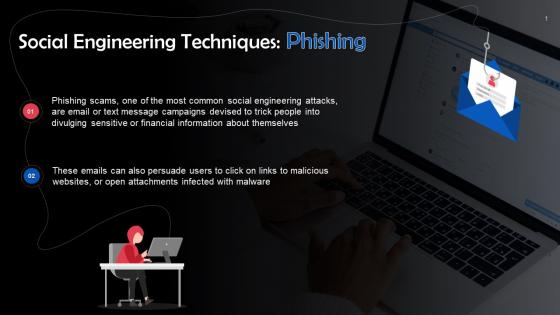
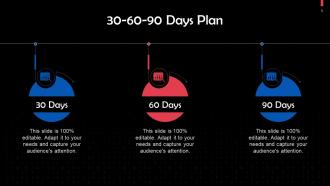
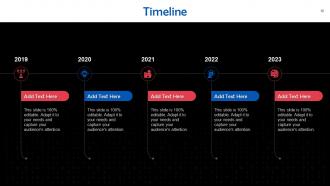
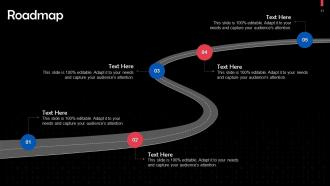
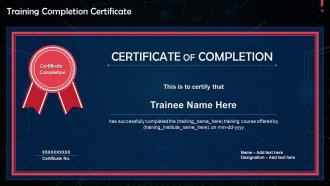
This slide revisits phishing which can be considered as a social engineering technique. Phishing scams are email or text message campaigns devised to trick people into divulging sensitive or financial information about themselves.
People who downloaded this PowerPoint presentation also viewed the following :
Phishing As A Social Engineering Technique Training Ppt with all 20 slides:
Use our Phishing As A Social Engineering Technique Training Ppt to effectively help you save your valuable time. They are readymade to fit into any presentation structure.









FAQs for Phishing As A Social Engineering
The most common phishing attacks targeting businesses include spear phishing, business email compromise (BEC), whaling attacks, credential harvesting, and ransomware delivery campaigns. These sophisticated approaches increasingly target financial services, healthcare organizations, and retail companies through personalized messaging, ultimately compromising sensitive data and costing organizations millions in security breaches and operational disruptions.
Organizations can educate employees through comprehensive security awareness training, simulated phishing exercises, regular updates on emerging threats, clear reporting procedures, and interactive workshops that demonstrate real attack scenarios. These programs enhance recognition skills by combining hands-on experience with ongoing education, while many companies find that regular simulation testing significantly reduces successful phishing attempts, ultimately strengthening overall cybersecurity posture.
Social engineering tactics are fundamental to phishing success, leveraging psychological manipulation through urgency, authority, fear, and trust to bypass rational decision-making. These techniques exploit human emotions and cognitive biases, with attackers impersonating trusted entities like banks, colleagues, or government agencies, ultimately making recipients more likely to click malicious links, share credentials, or transfer funds without proper verification.
Anti-phishing technologies include email filtering systems, DNS blocking, machine learning detection algorithms, browser security extensions, and multi-factor authentication platforms. These tools enhance cybersecurity by identifying suspicious links, analyzing sender patterns, and blocking malicious domains, with many financial institutions and healthcare organizations finding that layered technological approaches significantly reduce successful phishing attempts while streamlining security operations.
Phishing attacks significantly damage customer trust and brand reputation by creating doubt about an organization's security capabilities, data protection measures, and overall reliability. When customers fall victim to phishing schemes targeting a brand, they often lose confidence in that company's digital services, with many financial institutions and retailers finding that recovery requires extensive transparency initiatives, enhanced security communications, and sustained reputation management efforts.
Signs of phishing emails include suspicious sender addresses, urgent language demanding immediate action, generic greetings, spelling errors, unexpected attachments, and requests for sensitive information. These warning signs help individuals recognize fraudulent attempts by examining sender credibility, message tone, and content quality, ultimately protecting personal data and maintaining cybersecurity across organizations and personal communications.
Companies implement phishing response plans through immediate containment protocols, user notification systems, forensic analysis procedures, and communication workflows with IT security teams. These frameworks enable organizations to quickly isolate affected systems, assess breach scope, and restore normal operations, with many financial institutions and healthcare providers finding that structured response plans significantly reduce recovery time and minimize data exposure risks.
Legal consequences from phishing victimization include potential liability for data breaches, regulatory fines under privacy laws like GDPR, shareholder lawsuits, and contractual violations with partners or clients. Organizations may face compliance penalties, customer litigation, and regulatory investigations, while individuals could encounter identity theft complications, financial disputes, and credit issues, ultimately requiring comprehensive legal and financial remediation across multiple jurisdictions.
Phishing attacks vary significantly between industries, with financial sectors facing credential theft and fraudulent transactions, while healthcare organizations encounter medical record breaches and ransomware targeting patient data. Financial institutions typically see sophisticated social engineering focused on account access, whereas healthcare faces compliance-related threats exploiting HIPAA vulnerabilities, ultimately requiring industry-specific security protocols and employee training programs.
Organizations can secure communication channels through email filtering systems, multi-factor authentication, employee training programs, domain authentication protocols, and regular security audits. These measures work by blocking suspicious messages, verifying sender identities, and educating staff to recognize threats, with many financial institutions and healthcare providers finding that comprehensive phishing protection significantly reduces successful attacks while enhancing overall cybersecurity posture.
Multi-factor authentication significantly reduces phishing-related breaches by requiring additional verification beyond compromised passwords, creating multiple security layers that attackers must overcome. While sophisticated phishing campaigns can sometimes bypass MFA through SIM swapping or social engineering, organizations implementing robust MFA protocols typically see 99% reduction in successful account compromises, ultimately delivering stronger security posture and enhanced user protection.
Phishers exploit psychological triggers including urgency through fake deadlines, authority by impersonating trusted institutions, fear via account suspension threats, and social proof through fabricated testimonials. These manipulation tactics target emotional responses rather than logical thinking, with many cybersecurity experts finding that combining multiple psychological pressures significantly increases victim susceptibility, ultimately bypassing rational decision-making processes.
Businesses can utilize phishing simulation training by deploying controlled fake phishing emails, tracking employee responses, providing immediate educational feedback, and conducting regular assessments. These programs enhance security awareness by identifying vulnerable employees, delivering targeted training modules, and creating a security-conscious culture, ultimately reducing successful phishing attacks and strengthening organizational cybersecurity defenses.
Long-term consequences for phishing victims include identity theft, ongoing financial fraud, damaged credit scores, compromised personal accounts, and persistent privacy violations. These impacts can extend for years through unauthorized transactions, fraudulent loan applications, and continued data exploitation, with many individuals finding that restoring their digital identity and financial standing requires extensive monitoring and remediation efforts.
Data analytics identifies phishing trends by analyzing email patterns, URL structures, sender behaviors, domain registrations, and attack timing across networks. Through machine learning algorithms, organizations can detect anomalies in communication flows, predict emerging attack vectors, and proactively strengthen defenses, with many financial institutions and healthcare systems finding that predictive analytics reduces successful phishing attempts significantly.
-
I never had to worry about creating a business presentation from scratch. SlideTeam offered me professional, ready-made, and editable presentations that would have taken ages to design.
-
I joined SlideTeam last month and there’s no doubt that I tend to find our bond only strengthening over time. Best place to find world-class themes, templates, and icons.