


Real estate industry in us powerpoint presentation slides





Try Before you Buy Download Free Sample Product
 Impress Your
 Audience
 100%
100% Editable
 Save Hours
 of Time


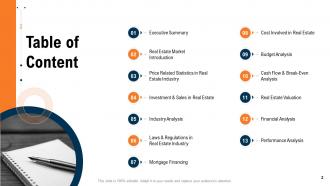
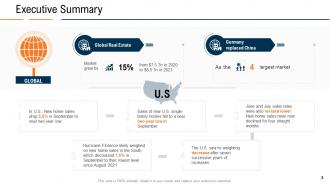
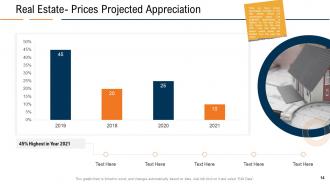
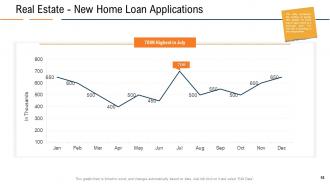
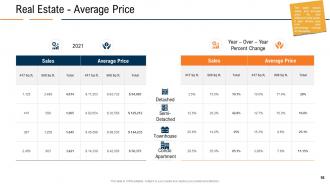
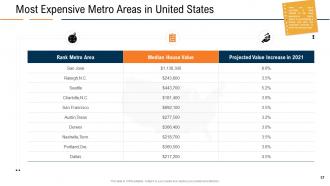
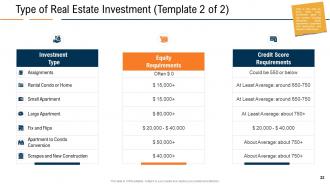
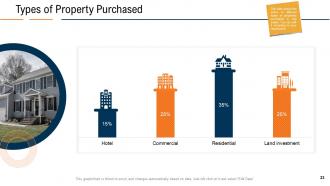
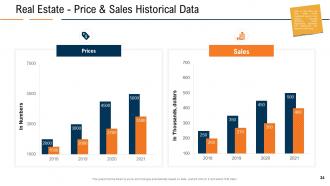
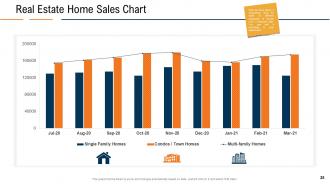
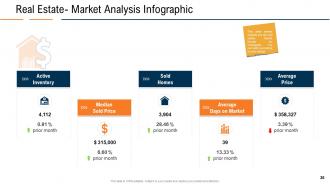
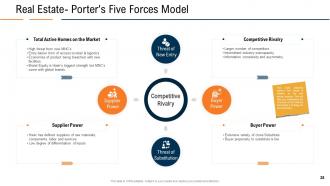
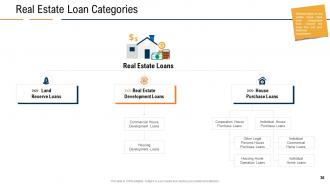
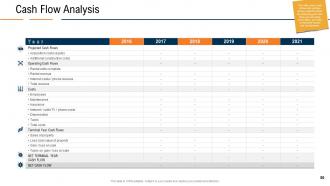
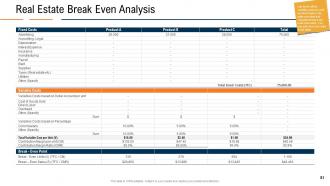
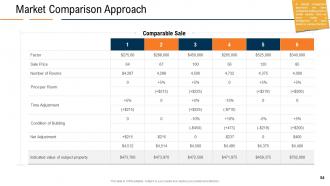
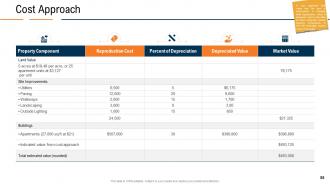
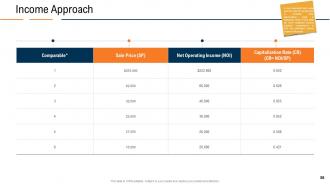
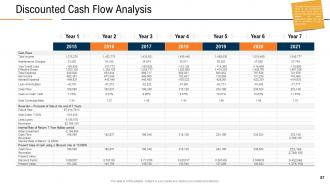
Incorporate our Real Estate Industry In US PowerPoint Presentation Slides and give a detailed overview of the market. Use our real estate sector PPT themes to showcase the price related statistics and graphically represent the real market trends. Highlight the investment and sales in the real estate market by employing our construction industry PPT slides. Depict the real estate sales growth and types of real estate investment by adopting our real estate market PPT templates. You may take the aid of our real estate sector PPT themes to describe the laws and regulations in the real estate industry. Portray the industry analysis and discuss real estate loan categories by utilizing real estate business PPT layouts. With the assistance of our real estate sector, exhibit performance analysis, financial analysis, cash-flow and break-even analysis, budget analysis, and real estate valuation. Download our construction industry PPT slide and deliver a remarkable presentation for your audience.
People who downloaded this PowerPoint presentation also viewed the following :
Real estate industry in us powerpoint presentation slides with all 74 slides:
Use our Real Estate Industry In US Powerpoint Presentation Slides to effectively help you save your valuable time. They are readymade to fit into any presentation structure.







FAQs for Real estate industry in us
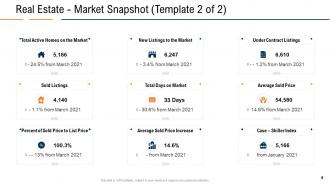
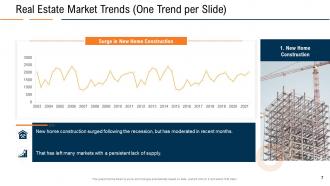
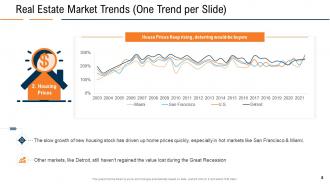
Current trends shaping the US real estate market include rising mortgage rates, increased demand for suburban properties, growth in remote work flexibility, adoption of PropTech solutions, and shifting generational buyer preferences. These developments streamline property transactions, enhance virtual touring experiences, and enable data-driven investment decisions, with many real estate firms finding that technology integration delivers competitive advantages and improved client services.
Remote work has significantly increased suburban residential property demand by enabling location flexibility, offering larger living spaces at lower costs, and providing better work-life balance opportunities. Many professionals are relocating from expensive urban centers to suburban markets like Austin, Denver, and Charlotte, ultimately driving up property values while creating new growth corridors for long-term investment.
COVID-19 significantly impacted commercial real estate valuations through reduced demand for office spaces, declining retail property values, and increased vacancy rates across urban markets. While sectors like hospitality and retail experienced substantial devaluations, industrial and warehouse properties saw increased valuations due to e-commerce growth, with many investors finding opportunities in adaptive reuse and mixed-use developments.
Interest rate fluctuations significantly impact housing affordability for first-time buyers by affecting monthly mortgage payments, purchasing power, and loan qualification requirements. When rates rise, buyers face higher borrowing costs and reduced budgets, while falling rates enhance affordability and market access, with many first-time purchasers finding that even small rate changes can alter their homeownership timeline and neighborhood options considerably.
Government policies significantly shape housing markets through interest rate adjustments, tax incentives, zoning regulations, mortgage lending standards, and housing assistance programs. These mechanisms directly influence affordability, supply availability, and market accessibility, with policies like first-time buyer credits and down payment assistance programs enabling broader homeownership while zoning reforms streamline development, ultimately delivering enhanced market stability and competitive pricing.
Real estate investors can assess risks by analyzing market volatility, interest rate fluctuations, local economic indicators, property cash flow projections, and demographic trends. Through comprehensive due diligence tools and data analytics, investors evaluate neighborhood stability, rental demand patterns, and exit strategy viability, ultimately enabling more informed decisions that minimize exposure while maximizing long-term returns in uncertain markets.
Multifamily property investments offer steady cash flow, economies of scale, easier financing options, reduced vacancy risk, and strong appreciation potential. While these properties require higher initial capital and more intensive management, they deliver diversified income streams across multiple units, with many investors finding that operational efficiencies and consistent rental demand ultimately provide superior long-term returns.
AI and big data revolutionize real estate transactions by automating property valuations, predicting market trends, and streamlining due diligence processes through advanced analytics. These technologies enable faster loan approvals, more accurate pricing models, and enhanced customer experiences, with many brokerages and financial institutions finding that automated systems reduce transaction times while delivering greater transparency and competitive advantage.
Residential real estate investment strategies focus on single-family homes, condos, and small multifamily properties, emphasizing cash flow, appreciation, and tax benefits through rental income. Commercial real estate involves office buildings, retail centers, warehouses, and apartment complexes, requiring larger capital investments but delivering higher returns, longer lease terms, and greater scalability, with many investors finding that commercial properties provide more stable income streams and professional tenant relationships.
Sustainable development is revolutionizing US real estate through green building certifications, energy-efficient technologies, renewable energy integration, and eco-friendly materials that reduce operational costs and environmental impact. These practices enable developers to attract environmentally conscious tenants, achieve higher property values, and meet increasingly stringent regulatory requirements, while investors find that sustainable properties deliver stronger long-term returns.
Common pitfalls include inadequate market research, overleveraging with excessive debt, underestimating renovation costs, neglecting property inspections, and failing to maintain cash reserves. New investors often rush decisions without analyzing neighborhood trends, rental demand, or exit strategies, while experienced investors emphasize thorough due diligence, conservative financing, and maintaining liquidity for unexpected expenses, ultimately delivering sustainable returns.
Short-term rental platforms like Airbnb have transformed real estate by creating new investment opportunities, increasing property values in tourist areas, and enabling property owners to generate higher yields than traditional long-term rentals. This model has revolutionized urban housing markets, vacation destinations, and residential neighborhoods, with many investors now purchasing properties specifically for short-term rental income, ultimately reshaping how real estate is valued and utilized.
The Sun Belt states, including Texas, Florida, Arizona, and North Carolina, are experiencing the fastest real estate growth, driven by job creation, favorable business climates, and population migration from higher-cost regions. These markets deliver significant appreciation potential, rental yields, and development opportunities, with many investors finding that emerging secondary cities within these states offer optimal risk-adjusted returns and scalability.
Real estate professionals can effectively market properties through strategic digital marketing, professional staging and photography, competitive pricing analysis, targeted social media campaigns, and strategic open house events. These approaches streamline visibility by leveraging online platforms, enhancing property appeal, and reaching qualified buyers directly, with many agents finding that combining virtual tours with personalized outreach ultimately delivers faster sales and competitive advantage.
**INPUT**: What future trends should investors and agents watch for in the next decade? **OUTPUT**: Key trends include proptech automation, sustainable building certifications, remote work reshaping commercial spaces, demographic shifts toward suburban markets, and blockchain-enabled transactions. These developments streamline operations, enhance property values, and create new investment opportunities, with many real estate professionals finding that early adoption delivers competitive advantages in an increasingly digital marketplace.
-
Really like the color and design of the presentation.
-
Excellent Designs.
-
Best way of representation of the topic.
-
Really like the color and design of the presentation.
-
Great experience, I would definitely use your services further.