


Real Estate Negotiation Powerpoint Ppt Template Bundles





Try Before you Buy Download Free Sample Product
 Impress Your
 Audience
 100%
100% Editable
 Save Hours
 of Time


Unlock the keys to successful real estate negotiations with our comprehensive PowerPoint presentation on Real Estate Negotiation. This dynamic presentation delves into essential aspects such as real estate bargaining, property management, price bargaining, property dealing, and the crucial art of negotiation skills. Equip yourself with strategic insights to navigate the complexities of real estate transactions, enhance your negotiation prowess, and master the art of securing favorable deals. Whether youre a seasoned professional or a novice in the real estate industry, this presentation provides invaluable guidance for maximizing success in property negotiations. Elevate your understanding of negotiation dynamics and optimize your approach to achieve unparalleled results in the competitive real estate market.
People who downloaded this PowerPoint presentation also viewed the following :
Real Estate Negotiation Powerpoint Ppt Template Bundles with all 28 slides:
Use our Real Estate Negotiation Powerpoint Ppt Template Bundles to effectively help you save your valuable time. They are readymade to fit into any presentation structure.













FAQs for Real Estate Negotiation Powerpoint
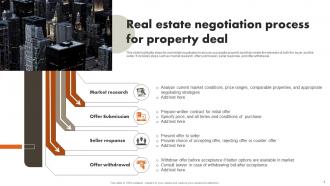
Key property price negotiation strategies include thorough market research, understanding seller motivation, strategic timing, presenting comparable sales data, and maintaining flexibility on terms beyond price. These approaches enable buyers to leverage market conditions, property history, and closing timelines effectively, with many successful negotiations finding that combining multiple tactics, while remaining respectful yet persistent, ultimately delivers significant cost savings and favorable purchase terms.
Understanding market trends significantly influences real estate negotiation tactics by revealing pricing patterns, inventory levels, buyer-seller dynamics, and seasonal fluctuations that shape strategic positioning. In buyer's markets, purchasers leverage abundant inventory for price reductions and concessions, while sellers in hot markets capitalize on low supply, with many agents finding that trend analysis ultimately delivers stronger outcomes and competitive advantage.
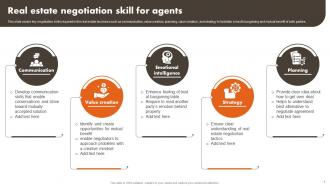
Emotional intelligence enables real estate professionals to read client emotions, manage their own reactions, and navigate tense negotiations effectively through active listening, empathy, and strategic communication. By recognizing stress signals, addressing underlying concerns, and maintaining composure during heated discussions, agents can build stronger client relationships, facilitate smoother transactions, and ultimately achieve better outcomes for all parties involved.
Effective rapport-building techniques include active listening, finding common ground, using mirroring techniques, showing genuine interest in their concerns, and maintaining professional respect throughout discussions. These approaches streamline negotiations by reducing tension, building trust, and creating collaborative atmospheres, with many real estate professionals finding that strong relationships ultimately deliver faster closings, better deal terms, and long-term referral opportunities.
Asymmetric information creates significant power imbalances in real estate negotiations, where one party possesses crucial data about property conditions, market trends, comparable sales, or financial constraints that others lack. This information gap enables informed parties to negotiate more favorable terms, pricing strategies, and contract conditions, while less-informed participants face disadvantages that can result in suboptimal deals, missed opportunities, and ultimately compromised transaction outcomes.
Using a real estate agent provides market expertise, negotiation experience, emotional buffer, legal protection, and access to industry networks and resources. However, this comes with commission costs, potential conflicts of interest, and reduced direct control over negotiations, with many buyers and sellers finding that agents' professional relationships and strategic knowledge ultimately deliver better outcomes and smoother transactions.
Buyers can strengthen their negotiating position through pre-approval letters, market research demonstrating comparable sales, flexible closing timelines, and limiting contingencies strategically. These techniques enhance credibility by showing serious intent, financial readiness, and market awareness, while offering sellers attractive terms like quick closings or waived inspections, ultimately delivering competitive advantage in multiple-offer situations.
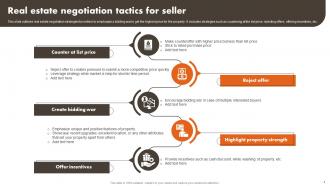
Sellers can counter low-ball offers by researching comparable sales data, highlighting unique property features, and presenting a strategic counteroffer that splits the difference while justifying their asking price. Through professional market analysis and emphasizing property value-adds like recent renovations or prime location, sellers maintain negotiating strength while demonstrating flexibility, ultimately securing better terms and faster closings.
Legal considerations in real estate negotiations include contract terms, disclosure requirements, title verification, zoning compliance, and financing contingencies. These elements work together to protect both parties by ensuring transparent transactions, minimizing liability risks, and establishing clear ownership rights, with many real estate professionals finding that thorough legal preparation ultimately streamlines closings and reduces costly disputes.
Timing significantly impacts real estate negotiations by influencing market leverage, buyer urgency, and seller flexibility throughout seasonal cycles, economic conditions, and personal circumstances. Strategic timing enables negotiators to capitalize on market fluctuations, motivated sellers facing deadlines, and seasonal inventory changes, ultimately delivering better purchase prices, faster closings, and enhanced negotiating positions for both residential and commercial transactions.
Common pitfalls include inadequate market research, emotional decision-making, poor timing, insufficient contingency planning, and weak communication with counterparts. These challenges can be minimized through comprehensive property analysis, objective evaluation criteria, and strategic preparation, with many real estate professionals finding that structured negotiation frameworks and clear documentation ultimately deliver better outcomes and reduced transaction risks.
Creative financing options serve as powerful negotiation tools by providing flexible payment structures, addressing buyer financing gaps, and creating win-win scenarios for both parties. These approaches include seller financing, lease-to-own arrangements, assumable mortgages, and equity partnerships, with many real estate professionals finding that such alternatives often close deals faster while delivering competitive advantages in challenging market conditions.
Property inspection feedback serves as crucial leverage for renegotiating purchase price, repair credits, closing timelines, and contract contingencies based on discovered defects or maintenance issues. This documentation enables buyers to request seller concessions, cost adjustments, or additional warranties, with many real estate transactions finding that thorough inspection reports ultimately deliver stronger negotiating positions and more favorable terms.
Cultural differences significantly impact real estate negotiations through varying communication styles, decision-making processes, relationship-building expectations, timing preferences, and contract interpretations. In diverse markets, successful agents adapt by understanding cultural nuances like hierarchy respect in Asian markets or relationship-first approaches in Latin American communities, ultimately delivering smoother transactions and enhanced client satisfaction.
Strategies include thorough market research, setting clear boundaries, using silence strategically, focusing on mutual benefits, and employing collaborative problem-solving approaches. These techniques work by establishing credibility, maintaining emotional control, and creating win-win scenarios, with many real estate professionals finding that preparation and patience ultimately deliver better deals and stronger client relationships.
-
Excellent work done on template design and graphics.
-
Very unique and reliable designs.