


Security Management Plan Powerpoint Ppt Template Bundles




Try Before you Buy Download Free Sample Product
 Impress Your
 Audience
 100%
100% Editable
 Save Hours
 of Time


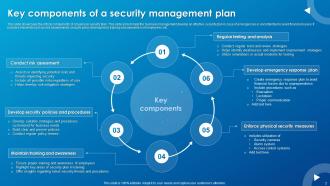
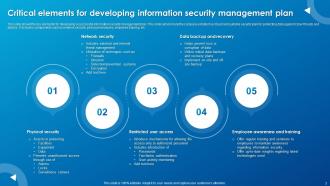
Empower your organization with our comprehensive Security Management Plan PowerPoint presentation. Dive deep into the world of Risk Assessment, where you will learn to identify, evaluate, and prioritize risks that threaten your operations.Explore Threat Mitigation strategies to protect your assets and bolster your defenses against potential breaches. Discover the importance of a well-structured Incident Response plan to minimize damage and ensure a swift recovery in the face of security incidents.Master Access Control mechanisms and Security Policies that safeguard your digital and physical assets. Achieve compliance with industry standards through meticulous Security Audits, while fostering Security Awareness among your team.Learn the art of Vulnerability Management and embrace Business Continuity planning for uninterrupted operations. Equip your organization with the knowledge and tools needed to navigate the complex landscape of security management effectively.
People who downloaded this PowerPoint presentation also viewed the following :
Security Management Plan Powerpoint Ppt Template Bundles with all 30 slides:
Use our Security Management Plan Powerpoint Ppt Template Bundles to effectively help you save your valuable time. They are readymade to fit into any presentation structure.









FAQs for Security Management Plan Powerpoint
So for a decent security plan, start with risk assessment - that's your base layer. Then build out your policies, incident response stuff, and training programs. Don't forget the monitoring piece either. Honestly, the incident response part is where most people mess up - they'll have this great plan but no actual phone numbers or clear steps when everything's on fire. Map out who does what beforehand because chaos isn't the time to figure that out. Oh, and just grab a template to start with rather than building from scratch. Way easier to customize something that already exists than staring at a blank page forever.
Look, you can't protect stuff if you don't know what's actually at risk, right? Start by listing your assets, then figure out what threats could mess with them and how realistic those scenarios are. Think of it like a doctor visit but for your company's security. This whole process shows you where to spend your budget instead of randomly buying security tools that might not even help. Honestly, most places skip this step and wonder why their security sucks. Get a solid, up-to-date risk assessment done first - everything else builds from there.
So for your Security Management Plan, I'd probably start with NIST since it's free and pretty straightforward. ISO 27001 is the big one everyone talks about - honestly it's kind of a beast but super thorough if you want to get certified down the road. COBIT's good too if you need to tie security into your broader IT stuff. Oh, and depending on what industry you're in, there might be specific standards worth looking at. SANS has some decent frameworks as well. My take? Go NIST first to get your feet wet, then maybe tackle ISO 27001 later when you're ready for the full commitment.
First figure out which regulations actually hit your industry - SOX, HIPAA, PCI DSS, whatever. Then map your security stuff directly to those requirements. Document literally everything because auditors are obsessed with paperwork (learned that the hard way). Don't treat compliance like something you bolt on later - it needs to be your starting point. Someone should own tracking regulatory changes since they shift all the time. Regular internal audits help too. Honestly, most companies screw up just identifying what they're even subject to in the first place.
Dude, training your team is huge - probably the most important thing you can do security-wise. I mean, you could have amazing tech protecting everything, but if someone clicks a sketchy link or uses "password123" (seriously, people still do this), you're screwed. Cover the basics like password stuff and how to spot those fake emails that look legit. Don't just do it once though. New scams pop up constantly, so keep everyone updated. Oh, and focus on whatever mistakes your people actually make - like if they're always falling for CEO impersonation emails, train specifically for that.
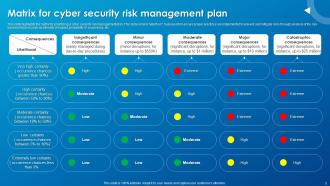
Honestly, just think about two things: how likely is this bad thing to happen, and how screwed would you be if it did? List out all your risks and give each one a score for both probability and damage potential. Then multiply those numbers - the highest scores are what you tackle first. Pretty straightforward math, but weirdly effective. Oh, and don't forget to check back on this every few months because things shift fast. Your biggest worry today might not even be relevant next quarter. Focus your energy on those high-scoring risks since you can't fix everything at once anyway.
Okay so you're gonna need some core stuff to actually pull this off. SIEM systems are clutch for monitoring everything, plus endpoint protection and the usual network gear - firewalls, intrusion detection, all that. Vulnerability scanners are honestly where it's at though, total game-changer. Oh and don't sleep on identity management tools, backup solutions, incident response platforms. The trick is making sure everything plays nice together instead of turning into some Frankenstein setup. Start with your main stack, then add based on what threats you're actually facing. Way easier than trying to do everything at once.
Okay so technically you're supposed to review it annually, but that's honestly not enough anymore. I do quarterly reviews at my company - way better for catching stuff before it becomes a problem. After any big security incident or system change, definitely do an extra review. The threat stuff changes so damn fast these days. Set up some calendar reminders for every 3 months where you look at new risks and update your incident response plans. Even just a quick monthly check helps - like, did anything major happen that needs immediate attention? Trust me, waiting a whole year is risky.
Start with the scariest stuff first - high risk vulnerabilities that could actually wreck you. Set up multiple layers of protection: lock down access, encrypt everything, add monitoring. Your team needs regular security training because honestly, someone's always gonna click that sketchy email. Oh, and definitely have a plan for when (not if) something goes wrong. Schedule audits every few months to catch new problems. This isn't a one-and-done thing - it's constant. Pick your top three nightmare scenarios and build specific plans around those with deadlines and clear owners.
Look, don't just tack incident response onto your security plan like some checkbox item. Build it right into the core from day one. Set up escalation paths that actually make sense and give people specific jobs - I can't tell you how many "perfect" plans I've watched totally bomb during real incidents. Regular tabletop drills are huge, plus you gotta do post-mortems after anything goes wrong. The whole thing should be this ongoing cycle that keeps making your security better. Oh, and start by honestly assessing what you can handle now versus where the gaps are.
Honestly? Budget fights are the worst part. Leadership never wants to spend on security until something breaks. Staff pushes back hard on new processes - can't blame them when they're already drowning in work. Training everyone is brutal too since nobody has time. Oh, and threats keep evolving so you're basically updating your plan forever. It's exhausting. My advice: start tiny with stuff that shows results fast. Once you prove it works, people actually listen when you ask for bigger changes. Way easier than trying to overhaul everything at once.
Honestly, you need to track both the hard numbers and the softer stuff to see if it's actually working. Response times, breach counts, audit scores - that boring data is gold. Employee training completion rates matter too. Run tabletop exercises every few months because they'll show you where your plan falls apart (and it will somewhere). Survey your team about how confident they feel with security protocols. I'd probably start with just 3-4 metrics that actually make sense for your company and check them quarterly. Risk assessments should happen regularly too, not just when something goes wrong.
Look, treat your security plan like it's alive - gotta update it constantly. I'd say review it every quarter because threats change stupid fast. Subscribe to some threat intel feeds so you're not flying blind. Also set up automatic triggers for updates, like when there's a massive breach in your sector or new regulations drop. Your incident response needs to handle weird new attacks too, not just the textbook stuff. Honestly the whole thing feels like whack-a-mole sometimes but whatever. Schedule your first review for next month and stick to it.
So BCP and your security plan? They're basically working toward the same goal - keeping your business alive when stuff hits the fan. Security focuses on preventing disasters, while continuity is all about surviving them once they happen. The magic happens during incident response - that's where you're fighting the fire AND keeping operations going simultaneously. Honestly, I've seen way too many companies where these teams don't even talk to each other, which is insane. They should be best friends. Both are identifying what could go wrong and planning for it, just from different angles.
Honestly, communication is everything when it comes to security. Without it, your whole plan just crumbles. You need quick ways for people to report problems, regular updates so everyone knows what's going on, and - this is huge - leadership that actually cares enough to fund this stuff. People won't follow rules if they don't understand them. Map out who needs what info first. Everyone should know their role and how to escalate when things go sideways. Oh, and make it personal - show them why security matters to their specific job, not just some abstract company policy.
-
Professionally designed slides with color coordinated themes and icons. Perfect for enhancing the style of the presentations.
-
SlideTeam just saved my project! Thank you so much. The variety of templates helped me showcase multiple perspectives easily.