Strategic Plan Powerpoint Ppt Template Bundles
Try Before you Buy Download Free Sample Product
Audience
Editable
of Time
Our Strategic Plan Powerpoint Ppt Template Bundles are topically designed to provide an attractive backdrop to any subject. Use them to look like a presentation pro.
People who downloaded this PowerPoint presentation also viewed the following :
Strategic Plan Powerpoint Ppt Template Bundles with all 16 slides:
Use our Strategic Plan Powerpoint Ppt Template Bundles to effectively help you save your valuable time. They are readymade to fit into any presentation structure.
FAQs for Strategic Plan Powerpoint
So for your strategic plan template, definitely include an executive summary and mission/vision stuff up front. Then do a situational analysis - SWOT analysis works well for this part. Add your strategic objectives with actual measurable goals, plus action plans with realistic timelines. Resource allocation is huge too. Honestly, the most important thing is building in regular check-ins because I've watched so many plans just sit there doing nothing. Include KPIs and make sure someone owns each piece. Keep it flexible though - things always change and your plan should roll with it. Start simple, then tweak it for your specific situation.
Honestly, templates are lifesavers because they force everyone to think about goals the same way. No more "growth means revenue" vs "growth means users" arguments between teams. Everyone fills out the same sections - objectives, timelines, metrics - so you're all speaking the same language. The best part? Templates make you spell out what you're NOT doing, which (weird flex) is actually harder than listing what you want to achieve. Just grab a simple template and have each department complete their part. You'll spot the overlaps and gaps right away - it's almost annoying how obvious they become once everything's laid out properly.
You need to ditch the generic business speak and use words your industry actually uses. Healthcare? Say "expand patient volume" not "increase market share." Retail uses "same-store sales." Timeline matters too - tech moves in 6-month chunks while manufacturing thinks way longer term. Most templates online are honestly pretty useless anyway. What actually works is throwing in the benchmarks and regulations specific to your field. Quick tip: find 2-3 strategic plans from companies like yours and steal their language. Sounds obvious but it'll save you hours of guessing.
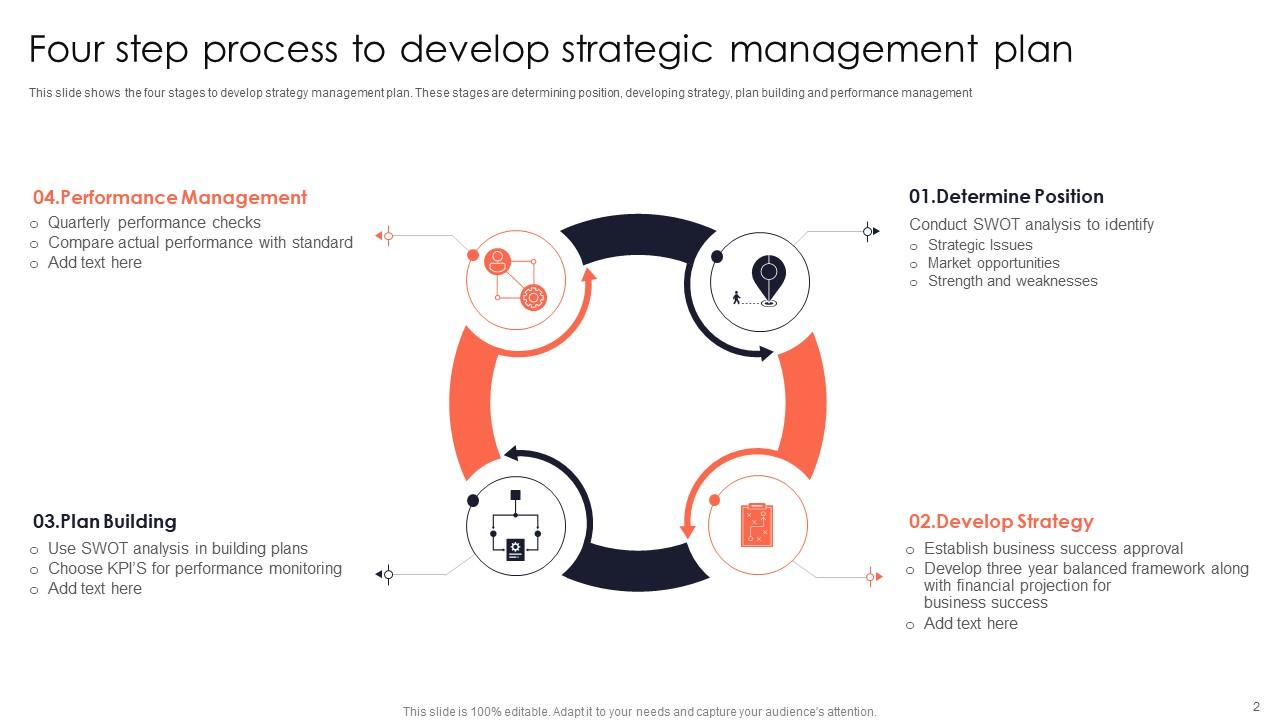
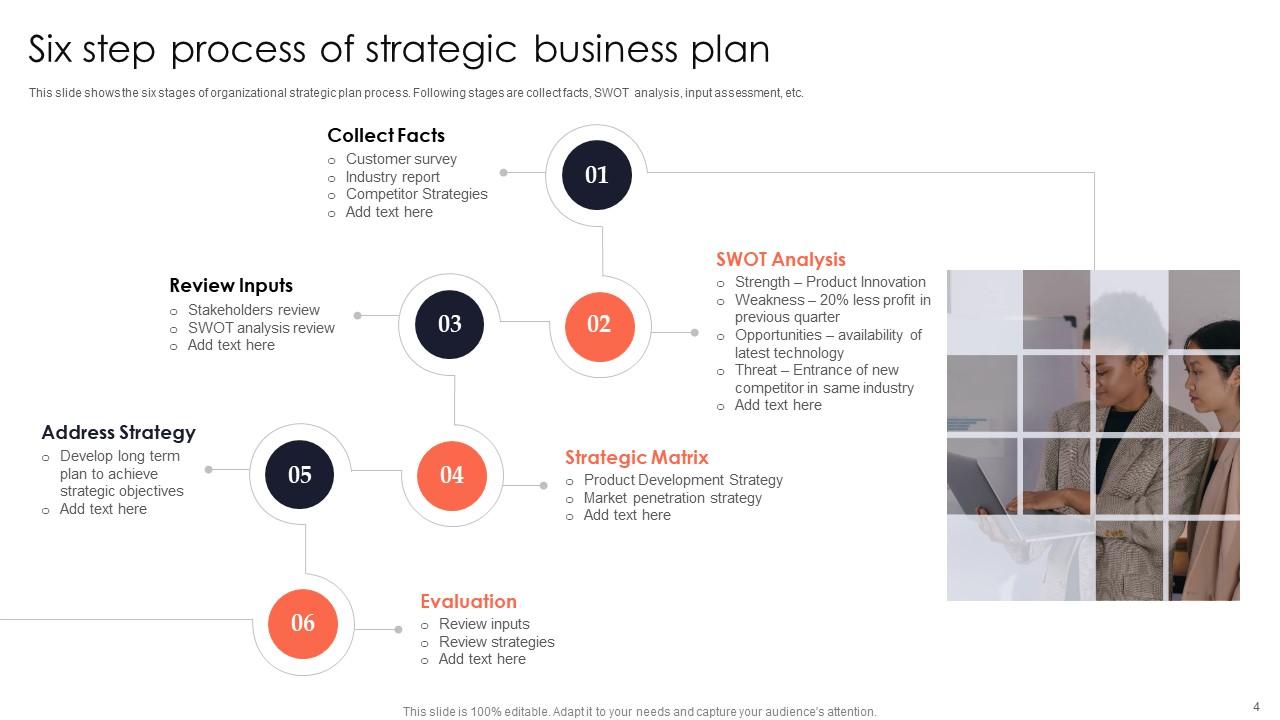
Honestly, charts and diagrams are game-changers for strategy stuff. People's eyes just glaze over with text-heavy plans - I've watched it happen in so many meetings. But throw up a simple flowchart? Suddenly everyone's paying attention. Different teams can actually see how their work fits into the bigger picture instead of guessing. Plus infographics make complex relationships between goals and timelines way easier to grasp. I'd swap out half your bullet points for visuals if I were you. Teams will actually look at the plan later instead of forgetting it exists.
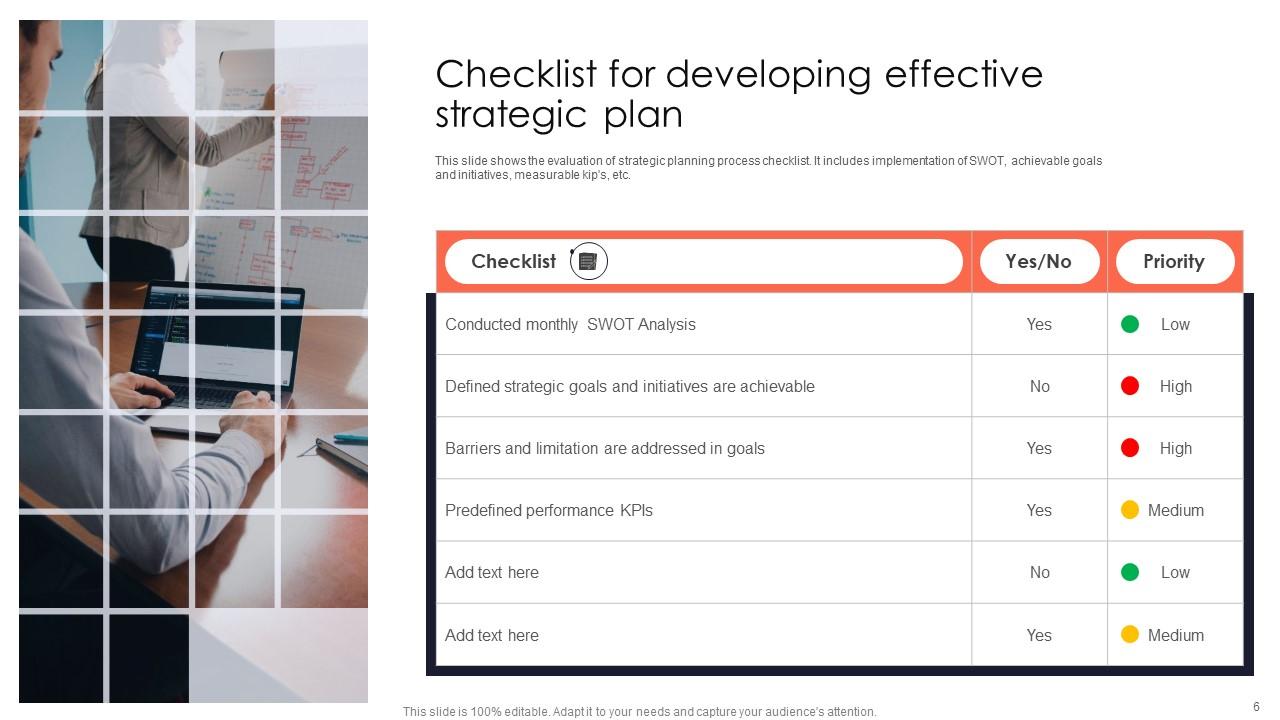
Look, SMART goals are what actually make your strategic plan work instead of just being another fancy document collecting dust. You need sections that break down your big objectives into Specific, Measurable, Achievable, Relevant, and Time-bound pieces. Otherwise you're basically daydreaming on paper. Pick maybe 3-5 main objectives first - don't go crazy with like 20 goals because nobody follows through on that many. Then get specific about what success actually looks like and set real deadlines. It forces you to stop being vague about everything.
Honestly, I'd stick with quarterly check-ins and then do the big annual review. Monthly is way too much unless you're in something crazy volatile - like crypto or whatever. The quarterly thing lets you adjust without going insane from constant tweaking. Then once a year you can actually dive deep and see what's working vs what needs to change based on market stuff or internal drama. Most teams I know get stressed trying to review too often. Oh and having a template saves you so much time since you're not rebuilding everything from zero each round.
Honestly, the biggest mistake is just filling in the blanks without actually thinking about your specific situation. You end up with these cookie-cutter goals that make zero sense for what you're dealing with. Don't get obsessed with making it look perfect either - I swear, people spend hours on fancy formatting then never touch the thing again. Be specific with your deadlines and what you actually want to accomplish. Vague stuff like "improve sales" is useless. Oh, and ignore half of what the template tells you to focus on if it doesn't match your reality. It's your plan, not theirs.
Dude, templates are honestly game-changers for this stuff. Everyone's working from the same playbook, so you can send investors just the financial sections while your team gets the goals part. No more meetings where people ramble about random things for an hour - been there, hate it. The structure helps people actually see where their feedback matters in the big picture. Plus you'll spot problem areas fast based on where you're getting pushback. Oh, and send them the relevant sections beforehand so they show up prepared. Trust me on that one.
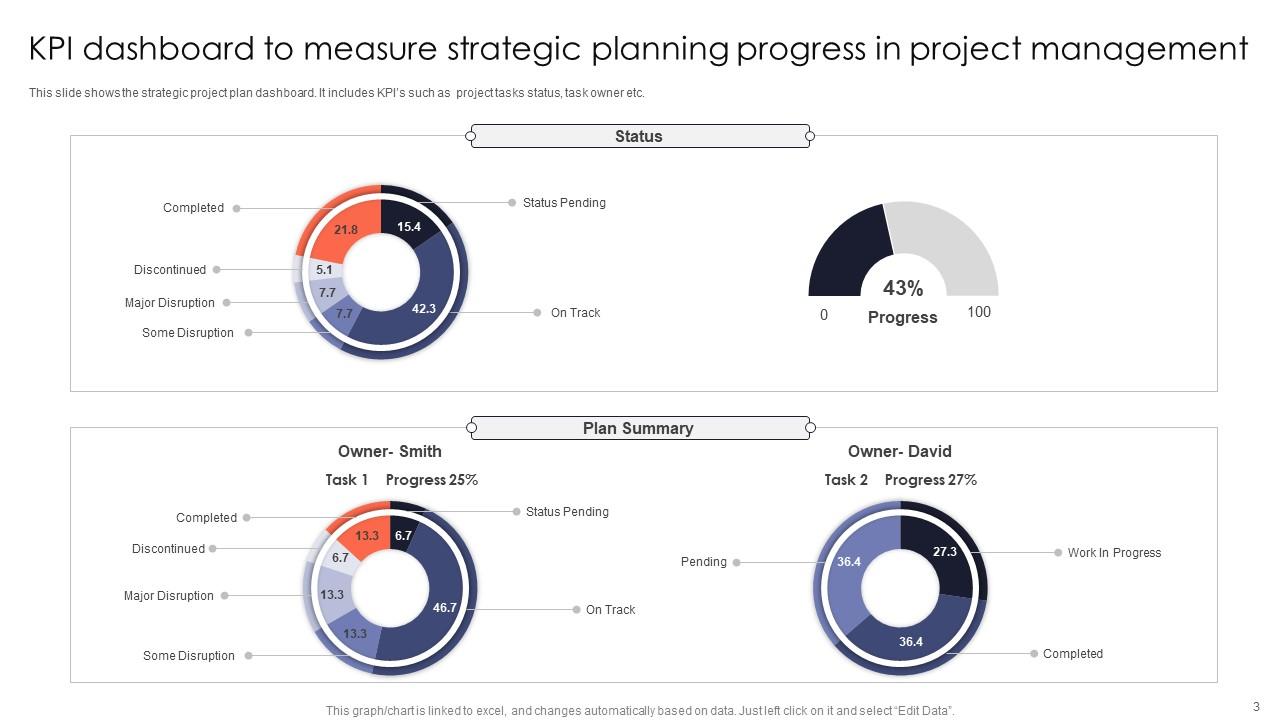
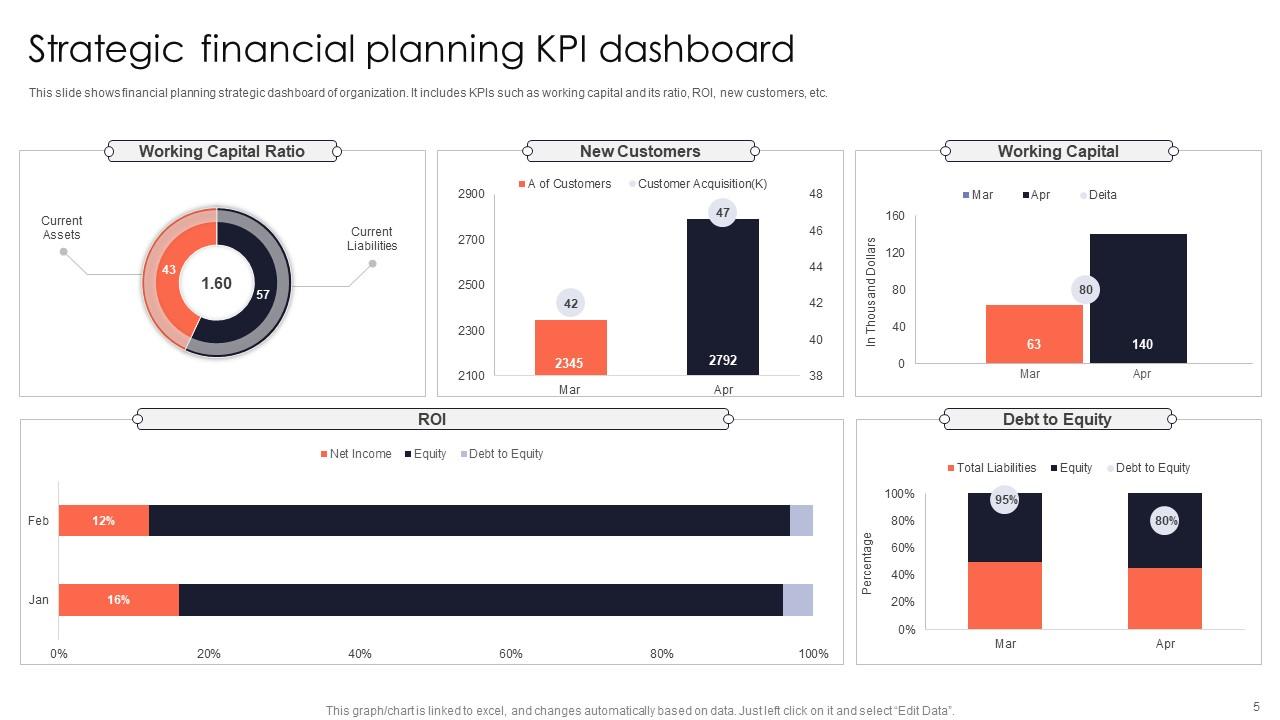
Mix leading and lagging indicators for your strategic plan. Leading ones predict what's coming - employee engagement, customer acquisition rates, that kind of stuff. Lagging shows what already went down, like revenue or market share. Don't go crazy with too many metrics though. I'd stick to 3-5 per objective or you'll get overwhelmed by all the numbers. Make sure someone's actually responsible for tracking each one - seriously, this falls apart fast if nobody owns the data. Oh, and work backwards from what success looks like for each goal to figure out what to measure.
Honestly, just ditch those clunky Word docs and move to something like Notion or Airtable. You'll get dropdown menus, automated calculations, real-time editing with your team - the whole nine yards. No more emailing versions back and forth like it's 2005. The cool thing is you can embed links and create sections that expand when you click them. Set up automated reminders too so you don't forget those milestone reviews. Your teammates can jump in and edit simultaneously, plus you'll have dynamic dashboards that update automatically. Trust me, once you make the switch, you won't go back to static templates.
Honestly, there are a bunch of good options out there. Canva has some really clean templates that don't look like garbage - I'd probably start there since they're free and easy to mess around with. Google Docs has templates too, plus HubSpot's got a decent resource library. If you're already paying for Office 365, Microsoft's aren't terrible either. There's fancier stuff like Smartsheet and Monday.com, but why spend money when the free ones work fine? I mean, unless you're running some huge operation. Just grab something that fits your company's style and start plugging in your goals.
Honestly, just get everyone in a room first to go through the template together. I've watched teams completely mess this up because one person thinks "impact" means one thing while someone else thinks it means something totally different. Set up those weekly check-ins - maybe 30 minutes tops - to stay on track. Google Docs or whatever shared platform works so people can comment and see updates live. Oh, and definitely assign owners for each section, but don't make it weird and siloed. The sync meetings actually help way more than you'd think for keeping momentum going.
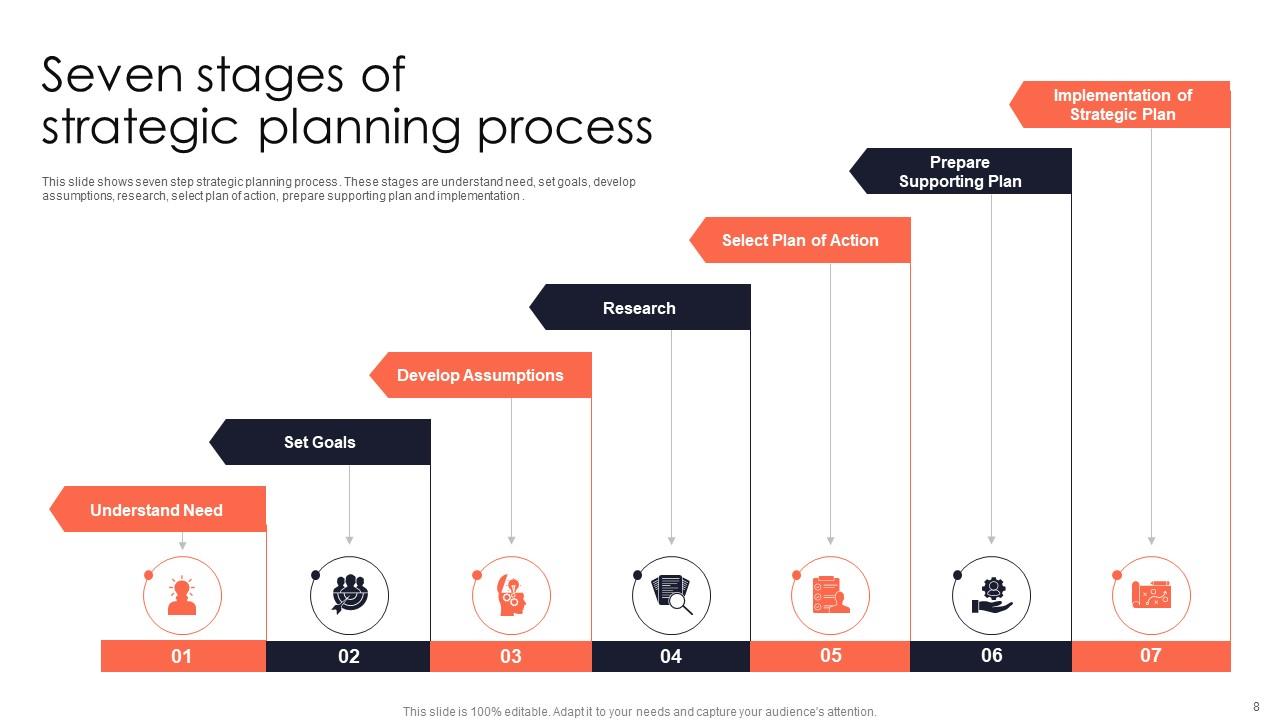
So short-term stuff is basically your 1-2 year goals - quarterly targets, specific projects, what resources you need right now. Long-term is the 3-5 year vision - where you want to end up, big market changes, major shifts. Most people totally ignore the long-term part because it feels too vague (I get it). But here's the thing - your short-term moves should actually build toward those bigger goals. The template does a decent job connecting them. Start with that 5-year vision first, then figure out what you need to knock out this year. Works way better than just winging it quarter by quarter.
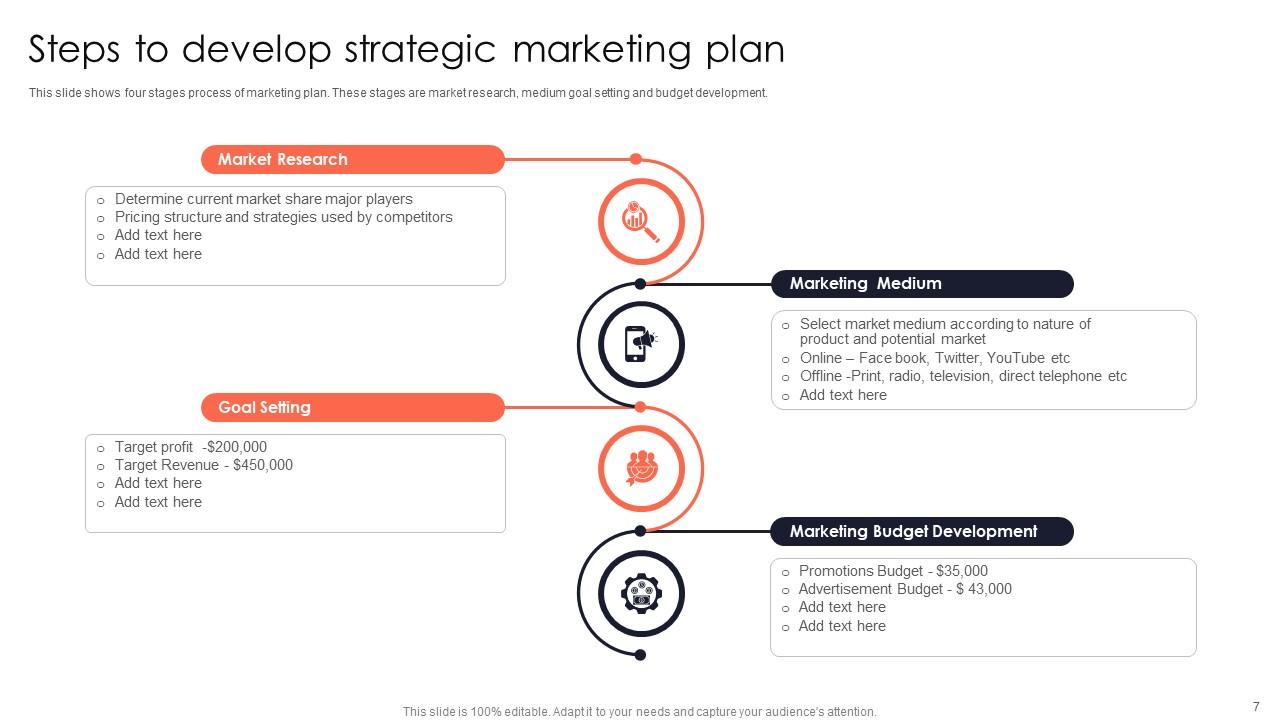
Honestly, those templates are lifesavers for figuring out where your money should actually go. Break down each goal into specific tasks and costs - it's way easier to spot which projects are genuinely important vs the random stuff that somehow always makes it into budget meetings. You can catch resource conflicts early instead of scrambling later. Leadership loves it too since everything connects back to your main objectives (makes those budget conversations so much smoother). Oh, and start with your top 3 priorities first. Work backwards from there to see what each one really costs. Trust me, it'll save you headaches.
Tell a story with your slides - way more visuals, way less text. Walk them through the "why" first, then get into what you're actually doing. I've sat through so many presentations that just dump a list of goals on you... ugh, mind-numbing. Your transitions between sections need to flow naturally, so practice those. Always throw in specific timelines and who's responsible for what. The good strategic presentations feel like you're having a real conversation, not getting lectured at. Oh, and pause after each section to ask for questions - don't just barrel through everything.
-
These stunning templates can help you create a presentation like a pro.Â
-
They saved me a lot of time because they had exactly what I was looking for. Couldn’t be happier!