

Strategic Planning Process Powerpoint Ppt Template Bundles




Try Before you Buy Download Free Sample Product
 Impress Your
 Audience
 100%
100% Editable
 Save Hours
 of Time


Our Strategic Planning Process Powerpoint Ppt Template Bundles are topically designed to provide an attractive backdrop to any subject. Use them to look like a presentation pro.
People who downloaded this PowerPoint presentation also viewed the following :
Strategic Planning Process Powerpoint Ppt Template Bundles with all 22 slides:
Use our Strategic Planning Process Powerpoint Ppt Template Bundles to effectively help you save your valuable time. They are readymade to fit into any presentation structure.





FAQs for Strategic Planning Process Powerpoint
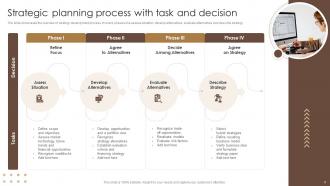
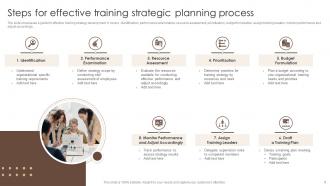
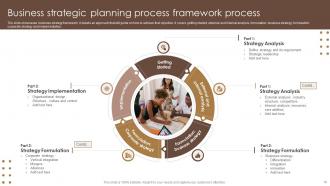
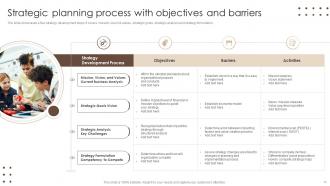
You'll want to start with clear vision/mission stuff, then dig into your SWOT analysis - what you're good at, what sucks, plus outside opportunities and threats. Set specific goals with actual deadlines. Honestly, the workshop approach works way better than those brutal all-day retreats. Make sure someone owns each piece or nothing gets done. Here's what most people mess up though - they only loop in the C-suite. Big mistake. Get other key people involved early. And build in regular check-ins! I can't tell you how many strategic plans just die a slow death in some filing cabinet.
Honestly, start by figuring out what your values actually look like day-to-day, not just some fancy poster in the break room. When you're planning stuff, ask yourself - does this goal match what we supposedly stand for? I've watched companies preach "innovation" while basically punishing anyone who takes risks. It's ridiculous. Your metrics and budget need to back up both the goals AND values, or you'll just create chaos internally. Build that values check into regular planning sessions. Oh, and don't make it some awkward afterthought - that never works.
So SWOT is just mapping out your strengths, weaknesses, opportunities, and threats before you make any big decisions. Think of it as a reality check for your business. Look at what you're good at internally, what needs work, then check out what's happening in your market. Honestly, I've seen people get way too caught up in making it perfect though - just grab a simple 2x2 grid and focus on stuff that actually matters to your goals. The whole point is using those insights to figure out where to put your time and money next.
Start by figuring out who actually matters for this decision - then pick how you'll talk to each group. C-suite folks usually want formal interviews or workshops. Regular employees? Surveys work great, or just grab them for quick focus groups. Oh, and don't skip external people like customers - they see blind spots you totally miss. Here's the thing though: be super clear about what feedback you want and how you'll use it. Seriously, nothing pisses people off more than asking for input then completely ghosting them afterward. Circle back later to show how their thoughts changed the plan.
Look, you gotta track both money stuff and the behind-the-scenes things. Revenue growth, profit margins, ROI - that's the obvious part. But also check customer satisfaction, how engaged your employees actually are, market share shifts. Honestly, I've watched so many strategies crash because leadership only looked at the financials. Pick maybe 5-7 metrics that actually connect to your goals - any more and you'll go crazy. Review quarterly, not monthly (trust me on this). Dashboard keeps you sane instead of drowning in spreadsheets every week.
Look, external factors are your reality check - they'll force you to adapt or you'll get crushed. Market trends tell you where customers are headed. Competition shows what's actually working in your space. Ignoring this stuff is like planning a road trip without checking the weather (learned that one the hard way). Build flexibility into your strategy so you can pivot when things shift. Competitors will make bold moves when you least expect it. Do quarterly scans of what's happening externally. Always have a backup plan ready for when the market goes sideways.
Honestly, mix up your usual planning routine with some creative exercises. Cross-functional teams work wonders - different perspectives always shake things up. Try a "pre-mortem" where you imagine everything went wrong and figure out why. Design thinking workshops are solid too, plus those "what if" brainstorming sessions where nothing's off limits initially. Block out time specifically for wild ideas. People need to feel safe throwing out crazy stuff without getting shut down right away. Oh, and scenario planning helps you see around corners you didn't know existed. Next meeting, just start with 30 minutes of pure creativity. You'll be surprised what comes out.
Honestly, tech makes strategic planning way less of a headache. Instead of chasing down data from every department for weeks, you can automate most of that collection stuff. AI tools catch trends you'd probably miss otherwise - which is pretty cool actually. Real-time collaboration platforms beat those painful email threads any day. Live dashboards show you how you're tracking against goals, and project management tools help you actually DO the plan instead of filing it away somewhere. I'd start with one solid analytics tool and some kind of shared workspace. You'll notice the difference immediately.
Quarterly check-ins are where it's at - honestly, waiting a full year is just asking to fall behind. Yeah, you're supposed to do the big formal review annually, but smart companies watch their plan constantly. Markets shift crazy fast these days. When major stuff hits your industry, you might need to pivot more often, which is fine. The trick is building flexibility in from day one so you're not scrambling to rewrite everything later. Oh, and set those calendar reminders right now. Trust me, strategic planning gets forgotten the second you're buried in daily operations.
Oh man, the classic mistakes? Vague goals that mean nothing, leaving your team out of the planning (huge mistake), and those beautiful plans that just... never get used. Also, don't be stupidly optimistic with deadlines - I've watched so many people crash and burn that way. Actually talk to your market instead of guessing what they want. Here's what works: get specific with your goals, involve the people doing the actual work, and schedule regular check-ins. Keep things flexible because stuff will definitely change. The rigid plans always fail first.
Okay so here's what works for me - make your short-term stuff actually connect to the big picture, like stepping stones. Every quarter I do this "zoom out, zoom in" thing where I check if what I'm doing now actually gets me closer to where I want to be in 3-5 years. The tricky part? Those quick wins can be super tempting distractions. I've totally fallen into that trap before. Set up quarterly check-ins to see if you're hitting numbers AND staying on track strategically. Sometimes you'll need to kill projects that are performing well but don't fit the bigger vision - honestly the hardest part of the whole process.
Honestly, start by figuring out what you actually have vs what matters most to your goals. Look at real data to see which projects are moving the needle - not just the flashy ones that make good PowerPoint slides. Always build in some cushion because trust me, stuff will break or go wrong. Mix your quick wins with longer-term bets using portfolio thinking. But here's the hard part: you gotta be brutal about killing good ideas that don't match your top priorities. Those quarterly check-ins? Super helpful for shifting resources based on what's actually working.
You know how everyone tries to predict the future and then gets totally blindsided? Scenario planning fixes that. Pick 3-4 realistic situations that could mess with your business - recession, new competitor swooping in, supply chain going haywire, whatever. Then figure out your game plan for each one ahead of time. It's basically having multiple backup plans ready to go. When something unexpected hits (which it always does), you won't be running around like a headless chicken trying to figure things out. You'll already know your next move and can pivot fast.
Honestly, communication makes or breaks everything. Most solid strategies crash because leadership thinks people just "get it" without explanation. You've got to spell out the why - like, really break down the bigger picture so your team feels connected to it. Keep everyone posted with regular check-ins too. Catches problems before they snowball into disasters. Oh and don't just communicate down - your bosses need to see what's working and what's hitting roadblocks. I've watched way too many good plans die from this stuff. People can't execute what they don't understand, you know?
Honestly, you've got to weave strategic thinking into normal conversations instead of saving it for those boring annual meetings. Ask "why" and "what if" questions during regular check-ins - gets people looking past their daily grind. When I managed teams, sharing market intel and competitor stuff openly made a huge difference. People finally understood the bigger game we're playing. Oh, and celebrate hard when someone connects their work to long-term goals. Makes strategic thinking feel rewarding rather than like extra homework. It spreads pretty naturally once people see you actually value that kind of thinking.
-
Nice and innovative design.
-
Fantastic collection. Loved how we can personalize these templates as per the requirements.