


Strategic PMO Powerpoint Ppt Template Bundles




Try Before you Buy Download Free Sample Product
 Impress Your
 Audience
 100%
100% Editable
 Save Hours
 of Time


Our Strategic PMO Powerpoint Ppt Template Bundles are topically designed to provide an attractive backdrop to any subject. Use them to look like a presentation pro.
People who downloaded this PowerPoint presentation also viewed the following :
Strategic PMO Powerpoint Ppt Template Bundles with all 23 slides:
Use our Strategic PMO Powerpoint Ppt Template Bundles to effectively help you save your valuable time. They are readymade to fit into any presentation structure.
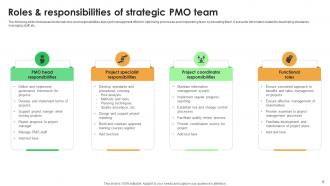
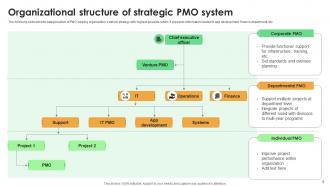
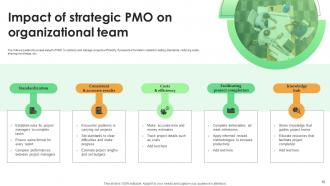
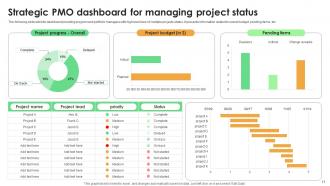






FAQs for Strategic PMO Powerpoint
Start with strategic alignment - what percentage of your portfolio actually supports business goals? ROI and time-to-market are obvious ones to track too. Resource utilization matters since you're always scrapping for budget anyway. Honestly, stakeholder satisfaction scores might be the most critical thing - if the C-suite thinks you're failing, you basically are. Portfolio health stuff like delivery rates and risk management round it out. Oh, and don't go crazy with metrics. Pick 3-5 that'll actually move the needle with your executives.
Honestly, just draw a straight line from every project back to your main business goals. Map them to actual KPIs - if something doesn't connect, why are you even bothering? I'd do quarterly check-ins to catch stuff that's wandering off track early. Most PMOs get stuck just watching deadlines and money (which is fine but misses the bigger picture). Your job is basically being the translator between what executives want and what actually gets built. Kill projects that aren't working anymore - sounds harsh but you'll thank me later when everything actually moves the needle.
Look, stakeholder engagement will make or break your Strategic PMO. No buy-in? You're just making reports that sit in someone's inbox forever. Executives, project managers, business units – they all need to actually trust what you're putting out there. Otherwise you become irrelevant pretty quick. Here's what works: regular check-ins, show them real ROI on initiatives, and honestly just listen to what's bugging them. I'd start small though – pick your top 5 stakeholders and do monthly calls. Way easier than trying to please everyone at once.
Honestly, you're gonna need a dashboard first - something that shows who's doing what across all projects in real-time. Without that visibility, you're basically guessing. Set up weekly resource meetings where PMs have to actually justify their staffing requests. Trust me, conflicts become super obvious when everyone's in the same room. Create some kind of scoring system for prioritizing projects based on actual strategic value, not just whoever complains the most (you know how that goes). Oh, and always plan for extra capacity because projects never stay the same size. Start by figuring out what resources you can actually see right now - might be less than you think.
Honestly, start with figuring out who's actually making what decisions at each level - portfolio, program, project. Create some standard processes for how projects get picked and prioritized. The hardest part? Getting all those stakeholders to chill when they realize they don't need as much control as they think they do. Regular reporting helps keep everyone happy and transparent. Don't make your governance so heavy that it becomes pointless red tape - nobody wants that. I'd say pilot a few processes first, nail those down, then expand what's working. Much easier than trying to overhaul everything at once.
Honestly, you gotta think guardrails, not strict rules. Set your non-negotiables - governance stuff, risk reporting, compliance basics. But let teams figure out the execution part themselves. I'd create lightweight templates they can tweak based on what they're actually working on. Because forcing the same waterfall process on an AI pilot and a construction project? That's just dumb and people will ignore you anyway. Figure out what absolutely has to be consistent first. Everything else should bend. Most PMOs crash because they're too rigid from day one.
So honestly, you need three main types of tools. Portfolio stuff like Clarity or Planview for the big picture view. Then BI tools - Tableau, Power BI - for dashboards execs will actually use (not like those forgotten SharePoint ones lol). Project management is Monday.com or Smartsheet territory. The real trick though? Pick things that play nice together. Nobody wants to be copy-pasting between five different systems all day. I'd map out what you're doing now first, then find tools that kill all that spreadsheet juggling you're probably doing.
Honestly, the best Strategic PMOs don't pick favorites with methodologies. They're like Switzerland - neutral but helpful. Start by figuring out what your teams are already doing (waterfall, agile, whatever weird hybrid thing that one team invented). Then build your governance stuff to work with all of it instead of against it. I've watched so many PMOs crash and burn trying to force everyone into one box. Don't be that PMO. Focus on outcomes and let teams work how they work best. Your job is translating between different project "languages" while keeping everything aligned strategically. It's messier than having one perfect process, but it actually works.
Honestly, the trick is making it feel organic instead of like some corporate mandate. Celebrate those quick wins first - people eat that stuff up. After each project phase, do retrospectives but here's the thing: you've gotta actually DO something with the feedback or people will just check out. Set up spaces where teams can swap war stories and share what worked. Oh, and don't forget to mess with your own PMO processes regularly - shows you're not just preaching from an ivory tower. The whole "we've always done it this way" mentality? Yeah, that needs to die.
Set up monthly "lunch and learns" where teams share their wins and epic fails - seriously works better than you'd think. Your PMO should create those communities of practice around specific skills, plus keep a central database so knowledge doesn't just vanish when people leave. Standard templates help too, otherwise everyone reinvents the wheel constantly. Rotate people between projects when possible and pair up mentors with newer folks. The real problem? Everyone's always "too busy" to share what they know. Start small with the lunch sessions - way less intimidating than formal presentations.
Honestly, the trickiest part is dealing with people who hate change - they get super protective of how they've always done things. Plus your executives will probably expect crazy fast results from day one, which is... unrealistic lol. Get leadership on your side first, that's non-negotiable. Then go for some easy wins to prove you're not just another corporate initiative that'll disappear in six months. Track everything and share those wins - people need to see the actual impact you're making. Start small though. Build trust, show results, then expand from there.
Honestly, your PMO becomes like this central command center for spotting risks across everything. They'll set up standard ways to track and assess stuff, but the real magic is seeing patterns you'd totally miss when you're buried in your own project. Like resource conflicts or dependencies that could crash into each other - that domino effect is brutal. They keep the big risk register updated so nothing gets forgotten, plus they run those cross-team sessions where people actually share their screwups (which is gold). I'd start by having them map out how your current projects connect risk-wise. That's usually where the nasty surprises lurk.
Track your PMO costs against both hard and soft benefits. Hard stuff is easier - cost savings, revenue bumps, efficiency gains from your projects. Soft benefits like better decision speed and risk mitigation? Way trickier to measure but honestly probably more valuable. Add up all your PMO expenses (salaries, tools, overhead) and compare to measurable wins over 12-18 months. Don't sleep on leading indicators either - stakeholder satisfaction scores, strategic alignment metrics, that kind of thing. I'd set up a basic quarterly dashboard to track everything. Makes it way simpler when leadership asks for the ROI story later.
Strategic PMOs are all about connecting executive vision to actual project work - that's your bread and butter. You'll need solid analytical chops for portfolio decisions and resource juggling. Political skills matter way more than anyone admits upfront (learned that one the hard way). Change management experience is huge since you're basically rewiring how people think about projects. Financial know-how helps too for building business cases. Oh, and communication skills are non-negotiable. I'd figure out what you're already good at, then pick one weak spot to work on. Don't try to master everything at once.
Look, data analytics basically helps you catch problems before they blow up your projects. Track stuff like how fast scope changes are happening or if your team's getting overloaded - way more useful than those pretty charts everyone obsesses over. Pull everything from your project tools and budgets into dashboards so you can see what's actually going on. Then set up alerts for when things start going sideways. Trust me, making decisions based on real data beats guessing every time. I mean, you're probably already drowning in spreadsheets anyway, might as well make them work for you.
-
I am not the best at presentations but using SlideTeam’s PPT template made it easier for me. Thank you SlideTeam!
-
The slides come with appealing color schemes and relevant content that helped me deliver a stunning presentation without any hassle!