


Super App Investor Funding Pitch Deck Ppt Template




Try Before you Buy Download Free Sample Product
 Impress Your
 Audience
 100%
100% Editable
 Save Hours
 of Time


Our Super App Investor Funding Pitch Deck Ppt Template are topically designed to provide an attractive backdrop to any subject. Use them to look like a presentation pro.
People who downloaded this PowerPoint presentation also viewed the following :
Content of this Powerpoint Presentation
Slide 1: This slide introduces Super App Investor Funding Pitch Deck. State your company name and begin.
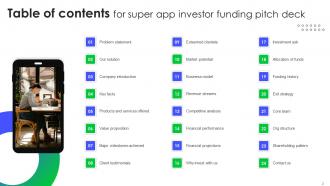
Slide 2: This slide shows Table of Content for the presentation.
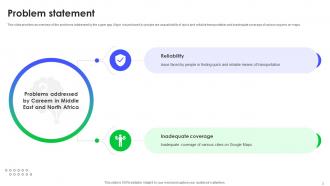
Slide 3: This slide provides an overview of the problems addressed by the super app. Major issues faced by people are unavailability of quick and reliable transportation etc.
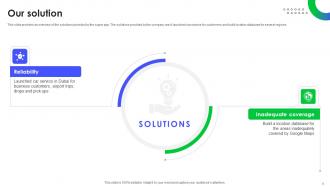
Slide 4: This slide provides an overview of the solutions provided by the super app. The solutions provided by the company are it launched car service for customers.
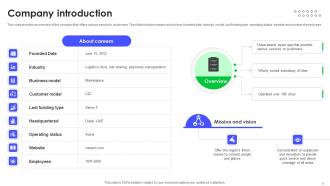
Slide 5: This slide provides an overview of the company including company's mission and visions, founded date, industry, model etc.
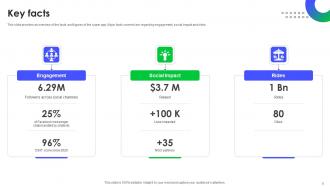
Slide 6: This slide displays the facts and figures of the super app. Major facts covered are regarding engagement, social impact and rides.
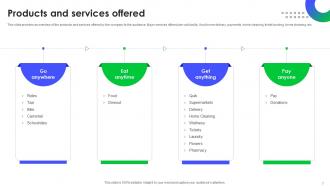
Slide 7: This slide provides an overview of the products and services offered by the company to the audience. Major services offered are cab facility, food home delivery etc.
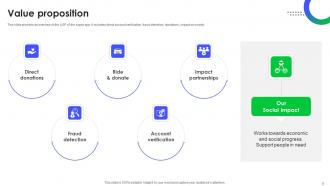
Slide 8: This slide displays an overview of the USP of the super app. It includes direct account verification, fraud detection, donations, impact on society.
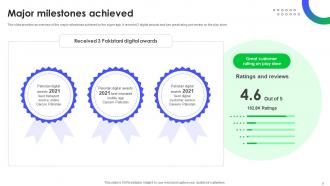
Slide 9: This slide provides an overview of the major milestones achieved by the super app. It received 3 digital awards and has great rating and review on the play store.
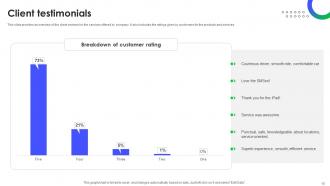
Slide 10: This slide displays an overview of the client reviews for the services offered by company. It also includes the ratings given by customers for the products and services.
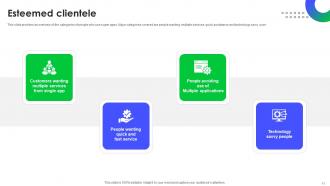
Slide 11: This slide provides an overview of the categories of people who use super apps. Major categories covered are people wanting multiple services etc.
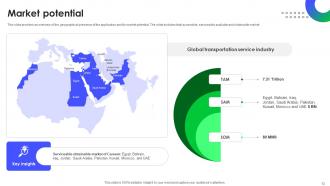
Slide 12: This slide presents an overview of the geographical presence of the application and its market potential.
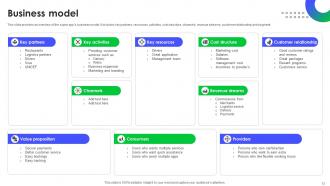
Slide 13: This slide provides an overview of the super app’s business model. It includes key partners, resources, activities, cost structure, channels etc.
Slide 14: This slide displays an overview of the sources of revenue for the super app. Main sources of funds are commissions from delivery, logistic service etc.
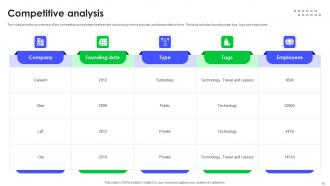
Slide 15: This slide provides an overview of the competitive assessment between the car booking service provider and transportation firms.
Slide 16: This slide displays an overview of the annual revenue of the company. The current revenue of the firm is 1 billion. It further showcases any revenue increase.
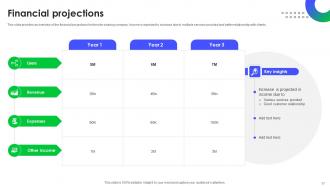
Slide 17: This slide provides an overview of the financial projections for the ride-sharing company.
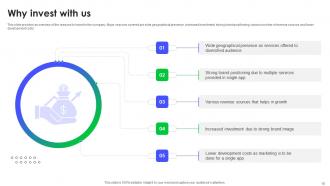
Slide 18: This slide displays an overview of the reasons to invest in the company. Major reasons covered are wide geographical presence, increased investment etc.
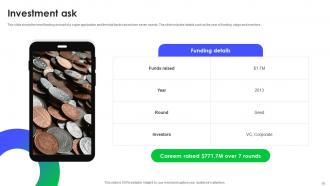
Slide 19: This slide shows the seed funding amount of a super application and the total funds raised over seven rounds. T
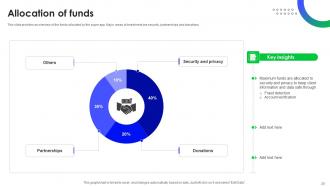
Slide 20: This slide provides an overview of the funds allocated by the super app. Major areas of investment are security, partnerships and donations.
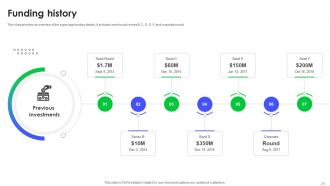
Slide 21: This slide displays an overview of the super app funding details. It includes seed round, series B, C, D, E, F and corporate round.
Slide 22: This slide provides an overview of the super app’s exist strategy that is merger and acquisition. It was acquired by Uber and the deal was closed in stock and cash.
Slide 23: This slide provide an overview of the core team of company. It includes the Co-founders, CEO, and chief product architect.
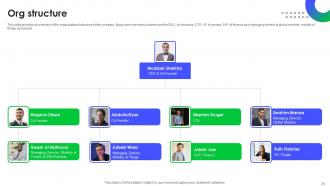
Slide 24: This slide displays an overview of the organizational structure of the company. Major team members covered are the CEO, co-founders, CTO, VP of people etc.
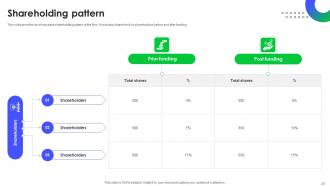
Slide 25: This slide provides an showcases shareholding pattern of the firm. It includes shares held by shareholders before and after funding.
Slide 26: This is a Thank You slide with address, contact numbers and email address.
Slide 27: This slide shows all the icons included in the presentation.
Slide 28: This slide is titled as Additional Slides for moving forward.
Slide 29: This slide shows Post It Notes for reminders and deadlines. Post your important notes here.
Slide 30: This slide depicts Venn diagram with text boxes.
Slide 31: This slide presents Roadmap with additional textboxes. It can be used to present different series of events.
Slide 32: This slide provides 30 60 90 Days Plan with text boxes.
Super App Investor Funding Pitch Deck Ppt Template with all 40 slides:
Use our Super App Investor Funding Pitch Deck Ppt Template to effectively help you save your valuable time. They are readymade to fit into any presentation structure.













FAQs for Super App Investor Funding Pitch
So super apps are like WeChat or Grab - you've got messaging, food delivery, payments, rides, shopping all crammed into one app instead of hopping between a dozen different ones. Traditional apps do one thing well, but super apps try to be your whole digital life. It's honestly pretty convenient once you get used to it, though sometimes I miss the simplicity of separate apps. The smart move for your business? Don't try to compete with them - figure out how to integrate with the big players instead.
So super apps work by bundling everything together - WeChat and Gojek are perfect examples. Users end up spending way more time in the app because they can chat, order food, pay bills, book rides, all without switching around. It's pretty brilliant honestly. Once people have their whole digital life in one place, they're basically stuck (switching becomes such a pain). The cross-service data thing is huge too - you'll know so much more about what each user actually wants. I'd start by figuring out what other services your users are already using outside your app.
Look, APIs are basically what make super apps work at all. Without them you'd have this janky mess where nothing talks to each other properly. WeChat and Grab figured this out early - they built solid API frameworks so third-party services could plug in seamlessly. Your payments work with messaging, food delivery connects to maps, all that stuff. Honestly, if you don't nail the API architecture from the start, you'll hate yourself later when you're trying to add new partners. Build it scalable from day one. Trust me on this - it's way harder to retrofit than to just do it right the first time.
Honestly, the technical integration stuff will probably drive you crazy. You're trying to make APIs and databases that hate each other somehow work together - it's messy. UX gets tricky too when you're cramming a million features into one app without confusing users. Oh, and security becomes way more complicated since you're protecting different types of data now. I'd definitely start small though. Pick like 2-3 services max and get those working smoothly first. Way easier than trying to build everything at once and watching it all fall apart.
Honestly, super apps are pretty complicated for local businesses. You'll get tons of customers without building your own app or doing much marketing, which is huge. But they take a chunk of every sale, and you're basically at their mercy - kinda like being a tenant who can't control the rent. The whole local economy gets more digital, which helps everyone I guess. Smaller shops though? They get crushed competing against the platform's own stuff. My advice is use them, but don't put all your eggs in that basket. Always have your own customers too.
Yeah so super apps are kinda sketchy privacy-wise. You're giving one company access to literally everything - your payments, messages, shopping, location, the works. That's a ton of data they can connect together. Honestly, it creeps me out how much they can piece together about your life. If they get hacked, you're screwed across all services instead of just one. They also share info between different parts of the app in ways that aren't super clear. I'd stick with separate apps for important stuff and actually read those privacy policies (I know, boring but worth it).
So basically, you're tracking how people use your app to create super personalized experiences. Like, the app learns someone always needs a ride at 8am and starts suggesting it automatically. Or it notices they buy groceries then immediately look for restaurants nearby - boom, food recommendations. Honestly, it's a little creepy how spot-on it gets sometimes! You can also see where people get stuck in your app and fix those annoying parts. The real magic happens when you connect data from different features - suddenly everything feels like it actually gets each user. Plus you'll know exactly when to send notifications that don't suck.
Hey! So super apps kill it in emerging markets - Southeast Asia, parts of Africa, Latin America. Basically anywhere with tons of smartphones but crappy traditional banking. China's the obvious example, though their regulatory situation is weird. Mobile-first users love the convenience of one app doing everything instead of juggling dozens. Digital payments are usually still booming in these places too. Honestly, I'd look for markets where people use their phone as their main internet device and there's a real gap in financial services. Those are your sweet spots.
So basically, super apps connect with third parties through APIs and revenue splits. WeChat and Grab are perfect examples - they're like the mall while partners run individual stores. Commission rates usually sit between 5-30%, which honestly varies wildly depending on the service. Most handle quality control through user ratings and track performance metrics to keep things running smooth. Customer support becomes your problem though, which sucks but keeps people loyal. Oh, and disputes too - fun times. If you're thinking about building one, definitely nail down your partnership rules first and automate the onboarding. Makes life way easier later.
Honestly, I'd focus on three big ones: transaction fees from purchases/payments, ads (since you'll have tons of user data), and premium subscriptions. Cross-selling is so much easier when people are already using your app daily. Commission models work well too - take a cut from ride-sharing, food delivery, that stuff. But here's the thing - don't go crazy trying to monetize everything right away. Pick one stream first, make sure users actually love using it, then slowly add more as they trust you. That's probably the hardest part tbh.
Honestly, super apps just make us lazy consumers - but that's kinda the point! You get stuck in their ecosystem because it's so convenient. Like, you open WeChat to text someone and suddenly you're ordering food and paying your electric bill. It's digital quicksand lol. Decision fatigue disappears when everything's right there, so you stop comparing prices or looking elsewhere. Creates these sticky habits that boost how often people buy stuff. The whole thing works because each action flows into the next one seamlessly. If you're designing anything, just make the obvious next step stupidly easy to find.
So the big thing enabling super apps is cloud infrastructure and microservices - basically lets you stack a bunch of different services without everything crashing. 5G helps a ton with the data heavy lifting when you're jumping between banking and ordering food. AI personalizes stuff across all the features, which honestly can be pretty cool when it actually works right. Oh, and containerization is clutch - developers can add new things without breaking what's already there. My advice? Figure out your API strategy first before you do anything else. That's where most people mess up.
Honestly, global super apps like WeChat try to be everything to everyone across different countries. Regional ones are way smarter about local stuff though - they'll connect with your actual banks, government sites, whatever people in that area really use. Take Gojek in Indonesia - they totally get the whole motorcycle taxi thing, while some massive global app would probably mess that up completely. Regional apps can also move faster since they don't have to check with teams in like 10 different countries first. Really depends what you need - massive reach or someone who actually understands the local market.
Super apps are totally moving toward AI that actually learns your habits - like WeChat but way more intuitive. They'll know you need an Uber before you check the weather. Honestly, it's getting a little creepy but also amazing? Your phone becomes this mega-hub for banking, shopping, healthcare, everything. People want that seamless experience now where they don't have to juggle ten different apps. If you're building something, I'd seriously consider how it could integrate with these platforms instead of trying to beat them. The whole "jack of all trades" approach is winning.
Honestly, super apps are game-changers for cutting down on app fatigue. Your team's probably bouncing between like 5 different tools just to get through basic tasks - messaging, project stuff, payments, customer support. With a super app you can actually connect these workflows so info moves automatically between departments. No more logging into a million different platforms. The analytics part is clutch too since everything's in one place. I'd map out what tools you're using now and figure out where people are getting most frustrated, then find a super app that tackles those specific problems first. Way less headache than trying to fix everything at once.
-
Thank you for offering such helpful pre-designed templates. They are really beneficial to me in my job.
-
Use of different colors is good. It's simple and attractive.