


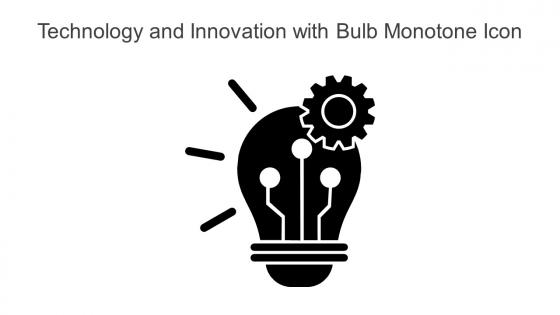
Technology And Innovation With Bulb Monotone Icon In Powerpoint Pptx Png And Editable Eps Format




Try Before you Buy Download Free Sample Product
 Impress Your
 Audience
 100%
100% Editable
 Save Hours
 of Time


This Technology and innovation with bulb monotone icon in powerpoint pptx png and editable eps format is a 100 percent editable icon. The downloaded file will have this icon in EPS, PNG and Powerpoint pptx format and is perfect for your next project. It has a simple yet stylish design.
People who downloaded this PowerPoint presentation also viewed the following :
Technology And Innovation With Bulb Monotone Icon In Powerpoint Pptx Png And Editable Eps Format with all 6 slides:
Use our Technology And Innovation With Bulb Monotone Icon In Powerpoint Pptx Png And Editable Eps Format to effectively help you save your valuable time. They are readymade to fit into any presentation structure.





FAQs for Technology And Innovation With Bulb Monotone Icon In Powerpoint Pptx Png And
Dude, AI is literally everywhere right now and it's moving crazy fast. Companies are using it to automate stuff, crunch huge amounts of data, and build products that didn't exist before. Healthcare's got diagnostic tools and drug discovery. Finance has fraud detection. Manufacturing does predictive maintenance - honestly the list goes on. What's really nuts is it's not just making things faster. It's letting people solve problems in completely different ways. If your company isn't at least talking about AI yet, you should probably bring it up because I guarantee your competition is already on it.
Dude, tech is totally flipping how companies make money. Instead of selling stuff once, everyone's doing subscriptions now. AI is taking over whole departments - like, teams of people just... gone. Platforms are letting buyers and sellers connect directly, so middlemen are getting screwed. Customers want everything personalized and instant these days, which honestly sounds exhausting for businesses. They've gotta be way more flexible and actually use their data smart. My advice? Start messing around with this stuff now before someone else beats you to it.
Honestly, it's pretty messy right now. Job displacement is huge - AI's replacing people way faster than we're creating new work. Privacy's getting trashed too, with companies hoarding our data like it's gold. The benefits mostly go to people who already have money, which sucks. That whole "move fast and break things" approach sounds edgy until you realize they're breaking actual lives and maybe democracy itself? We need tech development that thinks about consequences upfront instead of cleaning up disasters later. Stay informed about this stuff and vote for politicians who actually care about protecting workers.
Look for pain points that big companies just ignore because they're stuck in their old ways. Uber didn't invent cars - they just made getting one way easier. Same with Airbnb and hotels. The boring industries are honestly where the best opportunities hide. Find places where customers are genuinely frustrated and the established players are getting lazy. Your biggest advantage? You can move fast and actually break things while they're still having committee meetings. Focus on either cutting costs way down or making the user experience like 10x better. Sometimes you can create a totally new business model they can't copy.
So basically innovation makes everything more sustainable by creating cleaner tech and cutting waste. Solar's gotten ridiculously cheap over the past few years - it's wild. AI helps companies optimize their supply chains too, which slashes emissions. The coolest part is circular economy stuff where one company's trash becomes another's raw materials. Most of these sustainable solutions actually save money long-term, which is genius because who doesn't want that? If you're working on anything like this, just find tech that fixes environmental problems AND makes financial sense. That's the sweet spot.
Honestly, the right tech tools make teamwork so much easier. Video calls and screen sharing through Zoom or Slack let you brainstorm like you're in the same room. Cloud storage is a lifesaver - no more emailing documents back and forth or dealing with version chaos. Google Workspace lets everyone edit stuff simultaneously, which still feels kind of magical to me. Automated workflows handle the boring repetitive stuff too. The trick is getting your whole team to actually stick with whatever tools you pick instead of everyone doing their own thing.
Dude, everything's going cloud-first now. Small businesses are basically abandoning their servers completely - way better for scaling and costs. AI stuff is getting crazy affordable too, like chatbots and scheduling tools for maybe $20/month instead of those insane enterprise prices. Mobile checkout experiences are huge since younger people expect everything to be smooth. Oh, and digital payments are pretty much mandatory at this point. The whole thing keeps getting easier each year honestly. If you're just starting out, I'd probably grab cloud storage first and maybe a decent CRM system.
Look, people won't take risks if they think you'll throw them under the bus for trying something that flops. So start there - make it safe to fail. Give folks actual time to mess around with new ideas, not just "do it on your lunch break" BS. Google does that 20% thing for a reason. Mix up your teams too - finance people talking to engineers usually sparks something interesting. But here's the thing: if you're the leader, you gotta take risks first. Nobody's gonna innovate while you're playing it safe. Maybe try monthly hack days? Let people build whatever crazy stuff they want without anyone judging.
Dude, incubators and accelerators are like startup magnets for cities. They throw together founders, mentors, and investors in this weird productive chaos. Knowledge spreads fast when everyone's crammed together - honestly it's kind of beautiful to watch. The cool part? Those entrepreneurs stick around after they graduate. They start angel investing, launch new companies, mentor others. It creates this snowball effect where success breeds more success. My buddy went through one and now he can't shut up about giving back to "the ecosystem" lol. But seriously, if you want to gauge your city's startup potential, count how many solid programs you've got running.
Think of consumer feedback like a GPS for tech companies. Users complain about battery life? Next thing you know, better batteries hit the market. Want faster speeds? Chip upgrades follow. Companies are constantly mining reviews, surveys, and usage data to figure out what to build next. It's crazy how a bunch of angry tweets can totally change a product's direction! Without people speaking up, developers would just be shooting in the dark. So honestly, if something's bugging you about your phone or laptop - say something. Your rant today could become tomorrow's game-changing feature.
Honestly, the biggest pain is compatibility - your old systems just weren't built for modern stuff. Security holes pop up everywhere, and costs spiral way beyond what you budgeted. Training your team becomes brutal since they're experts on the legacy system but totally lost on new interfaces. Oh, and the downtime while you're switching things over? Productivity basically dies. I learned this the hard way at my last job. Start small with pilot projects first. Test everything before you commit to the full integration nightmare.
Honestly, data analytics is a game-changer for spotting stuff you'd completely miss otherwise. Like, you can find customer segments nobody's targeting yet or predict when markets are about to shift. Your competitors won't even see it coming. Instead of just hoping your new product ideas work out, you're actually making smart bets based on real patterns. No more throwing random stuff out there and praying it sticks – that approach is exhausting anyway. Start with whatever customer data you've got and look for gaps in what you're currently offering. Trust me, you'll find opportunities hiding in plain sight.
So governments are like the weird uncle who funds all the risky stuff companies won't touch - early research, crazy experiments, that kind of thing. They build infrastructure and throw tax breaks at innovators. Honestly, it's pretty nuts how much foundational tech actually started in government labs. The internet, GPS... tons of stuff we use daily. They also keep things from getting too chaotic with regulations. Oh, and if you're working on anything techy, definitely look into what funding programs exist. There's probably more money sitting around than you'd think.
Honestly, the coolest breakthroughs happen when totally different fields collide - like when engineers team up with biologists to make medical devices, or psychologists work with AI people on better interfaces. Each field sees problems completely differently, so you get these unexpected solutions. The best part? Some of the most amazing innovations come from intersections nobody saw coming. Don't just stick with people in your area though - actually seek out folks from other disciplines. Even random coffee conversations with someone outside your field can lead to wild ideas you'd never think of alone.
Yeah, remote work isn't going anywhere - the tech just works too well now. Most places will probably go hybrid, and AI tools are making it way easier to work with people across time zones. VR meetings could be huge, though honestly the thought of wearing a headset for 8 hours sounds awful to me. Companies are finally starting to care more about what you actually get done instead of how many hours you sit at your desk. My advice? Get used to AI assistants now because they're about to become huge for productivity. Also just stay flexible with whatever new collaboration tools pop up.
-
Love how there are no boring templates here! The design is fresh and creative, just the way I like it. Can't wait to edit and use them for my extended projects!
-
Their professional templates are very impressive, even my manager was curious about the source. I am very grateful.