


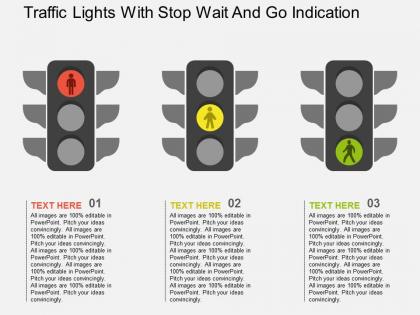
Traffic lights with stop wait and go indication flat powerpoint design




Try Before you Buy Download Free Sample Product
 Impress Your
 Audience
 100%
100% Editable
 Save Hours
 of Time


Countries and cultures converge on our Traffic Lights With Stop Wait And Go Indication Flat Powerpoint Design. They bring out the best from all areas.
People who downloaded this PowerPoint presentation also viewed the following :
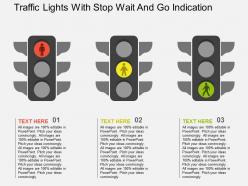
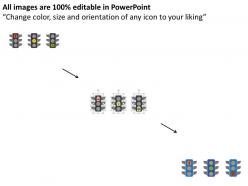
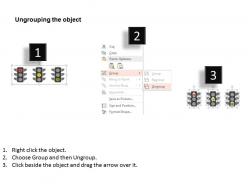
Traffic lights with stop wait and go indication flat powerpoint design with all 4 slides:
Achieve coherency with our Traffic Lights With Stop Wait And Go Indication Flat Powerpoint Design. They will get your views together.

FAQs for Traffic lights with stop wait and go indication
Key design principles for effective traffic lights include high visibility through bright LED technology, standardized color sequences, optimal positioning at intersection height, weather-resistant housing, and clear sight lines from multiple approach angles. These principles work together by ensuring consistent driver recognition, minimizing response time delays, and reducing accident rates, with many municipalities finding that strategic placement and enhanced visibility significantly improve traffic flow and safety outcomes.
Color choices in traffic lights leverage psychological and cultural associations to influence driver behavior through immediate recognition, emotional responses, and conditioned reactions. Red universally signals danger and urgency, prompting immediate stopping, while green creates associations with safety and permission to proceed, with many transportation authorities finding that consistent color standardization across regions significantly reduces response times and enhances road safety outcomes.
Technological advancements shaping traffic light systems include AI-powered adaptive control, IoT sensors, machine learning algorithms, vehicle-to-infrastructure communication, and smart city integration platforms. These technologies streamline traffic flow by analyzing real-time patterns, reducing congestion through predictive timing, and enabling seamless coordination with connected vehicles, ultimately delivering faster commutes and enhanced urban mobility.
Pedestrian safety can be enhanced through countdown timers, audible signals for visually impaired individuals, extended crossing phases, all-way pedestrian signals, and smart sensors that detect waiting pedestrians. These technologies streamline urban mobility by reducing accidents, improving accessibility, and optimizing crossing times, with many cities finding that strategic combinations ultimately deliver safer intersections and enhanced traffic flow.
Urban planning plays a crucial role in traffic light placement by analyzing traffic flow patterns, pedestrian crossings, accident data, intersection geometry, and future development plans. Through comprehensive traffic studies and community input, urban planners strategically position signals to optimize traffic efficiency, enhance pedestrian safety, and support economic development, ultimately creating more livable and accessible urban environments.
Traffic light designs vary significantly across countries through different signal arrangements, pedestrian crossing systems, cultural color interpretations, and timing mechanisms. While most nations use the standard red-yellow-green sequence, countries like the UK incorporate flashing amber phases, Japan uses blue instead of green due to linguistic traditions, and Germany employs countdown timers, with many transportation authorities finding that locally adapted designs enhance driver comprehension and reduce intersection accidents.
Environmental considerations in traffic light design include energy consumption reduction, sustainable materials selection, heat emission minimization, light pollution control, and lifecycle impact assessment. LED-based systems significantly reduce power usage and maintenance frequency, while solar integration and smart adaptive timing help municipalities lower carbon footprints, ultimately delivering cost savings and enhanced sustainability goals across urban infrastructure networks.
Traffic light designs accommodate cyclists and electric scooters through dedicated signal phases, bike-specific LED indicators, advanced detection sensors, and separate timing cycles that account for slower acceleration speeds. These adaptive systems enhance urban mobility by reducing conflicts with vehicle traffic, improving safety at intersections, and supporting sustainable transportation infrastructure, with many cities finding that integrated cycling signals significantly decrease accidents while encouraging eco-friendly commuting options.
Visibility and positioning significantly impact traffic light effectiveness by ensuring clear sightlines, optimal viewing angles, and adequate spacing for driver reaction times. Properly positioned signals reduce accidents, minimize confusion at complex intersections, and enhance traffic flow efficiency, with many transportation departments finding that strategic placement ultimately delivers safer roadways and smoother traffic management.
Traffic light designs integrate smart technology through IoT sensors, adaptive signal timing algorithms, vehicle detection systems, pedestrian counting technology, and real-time data analytics platforms. These intelligent systems enhance urban mobility by automatically adjusting signal phases based on actual traffic flow, reducing congestion at intersections, and optimizing route efficiency, with many municipalities finding that smart traffic infrastructure delivers measurably faster commute times.
Designers face infrastructure compatibility issues, outdated wiring systems, space constraints for modern equipment, and integration challenges with smart city technologies. These retrofitting projects require balancing legacy hardware limitations with contemporary safety standards, while many cities find that phased upgrades enable enhanced traffic flow and pedestrian safety without complete system overhauls.
Dynamic traffic lights adjust signal timing in real-time based on current traffic conditions, pedestrian presence, and traffic flow patterns, while traditional lights operate on fixed, pre-programmed schedules. Through sensors and AI technology, adaptive systems reduce wait times, minimize congestion, and optimize intersection efficiency, with many cities finding that these smart systems deliver significantly improved traffic flow and reduced emissions.
Public feedback influences traffic light design through accessibility requests, timing optimization suggestions, pedestrian safety concerns, and visibility enhancement recommendations. Transportation departments increasingly incorporate citizen input to improve signal timing, add audible crossing signals, enhance LED brightness, and implement smart features, ultimately delivering safer intersections and improved traffic flow that better serves community needs.
Traffic lights can minimize peak-hour congestion through adaptive signal timing, real-time traffic monitoring systems, coordinated green waves, and AI-powered optimization algorithms that respond to actual traffic patterns. These smart technologies streamline traffic flow by reducing unnecessary stops, synchronizing adjacent intersections, and prioritizing high-volume routes, ultimately delivering faster commutes and improved urban mobility for increasingly congested metropolitan areas.
Traffic light design and installation are governed by federal guidelines like the Manual on Uniform Traffic Control Devices (MUTCD), state transportation codes, Americans with Disabilities Act requirements, and local municipal ordinances. These comprehensive standards streamline safety protocols, ensure consistent visibility and timing specifications, and enhance accessibility compliance, with many transportation departments finding that standardized approaches ultimately deliver reduced accidents, improved traffic flow, and greater pedestrian safety across diverse urban environments.
-
Awesome use of colors and designs in product templates.
-
Attractive design and informative presentation.