

Modelo de Ppt de apresentação de argumento de venda de elevador de financiamento de investidores da Warby Parker





Try Before you Buy Download Free Sample Product
 Impress Your
Audience
 100%
Editable
 Save Hours
of Time


Descubra nossa apresentação de argumento de venda de elevador de financiamento de investidores Warby Parker habilmente elaborada, feita sob medida para uma empresa de varejo de óculos. Esta apresentação abrangente destaca os desafios da indústria tradicional de óculos e apresenta as soluções críticas da nossa empresa para superar esses obstáculos. Além disso, a apresentação do argumento de venda para investidores inclui insights abrangentes sobre nossa ampla gama de produtos e serviços, fatos vitais cruciais, um argumento de venda exclusivo e atraente, marcos significativos e depoimentos de clientes satisfeitos. Elucidamos o modelo de negócios robusto, delineando vários fluxos de receita, e conduzimos uma análise competitiva aprofundada. Além disso, o Pitch Deck fornece uma visão geral do nosso desempenho financeiro e projeções e um pedido claro de investimento para financiamento do investidor. Por último, abrange também uma estratégia estratégica de saída, apresenta a equipa competente que impulsiona a nossa empresa, descreve a estrutura organizacional e apresenta o padrão acionário após obter financiamento de potenciais acionistas. Obtenha acesso a este modelo 100% editável agora.
People who downloaded this PowerPoint presentation also viewed the following :
Conteúdo desta apresentação em PowerPoint
Slide 1 : Este slide apresenta a apresentação do argumento de venda do Warby Parker Investor Funding Elevator. Indique o nome da sua empresa e comece.
Slide 2 : Este slide mostra o índice da apresentação.
Slide 3 : Este slide continua mostrando o índice da apresentação.
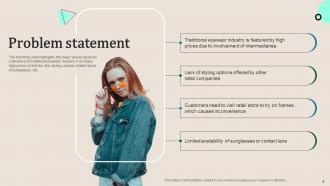
Slide 4 : Este slide destaca os principais problemas enfrentados pelos clientes da indústria tradicional de óculos. Inclui preços elevados de artigos, poucas opções de estilo etc.
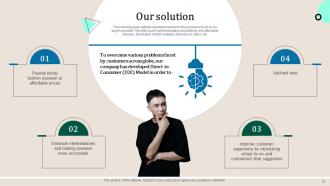
Slide 5 : Este slide descreve soluções importantes para os problemas enfrentados pelo nosso segmento-alvo. O slide cobre uma breve descrição sobre óculos modernos e acessíveis, etc.
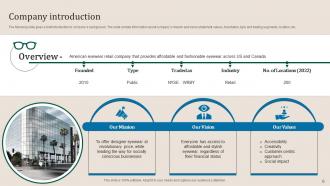
Slide 6 : Este slide apresenta uma breve introdução ao histórico da empresa. O slide contém informações sobre a missão e declaração de visão da empresa, etc.
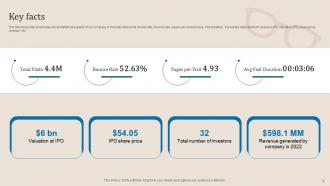
Slide 7 : Este slide enfatiza aspectos estatísticos da nossa empresa. Inclui total de visitas no site, taxa de rejeição, páginas por visita e média. duração da visita.
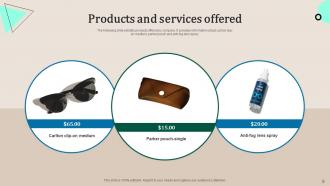
Slide 8 : Este slide apresenta os produtos oferecidos pela empresa. Ele fornece informações sobre meio clip-on de carbono, bolsa Parker e spray de lente antiembaçante.
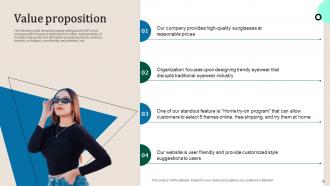
Slide 9 : Este slide descreve o ponto de venda exclusivo (USP) de nossa empresa que a diferencia de outros líderes de mercado.
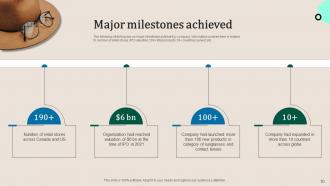
Slide 10 : Este slide enfoca os principais marcos alcançados pela empresa. As informações abordadas aqui estão relacionadas ao número de lojas de varejo, avaliação de IPO, etc.
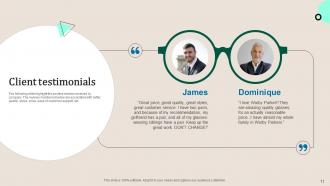
Slide 11 : Este slide destaca as avaliações positivas recebidas pela empresa. As avaliações mencionadas abaixo estão associadas a melhor qualidade, estilos, etc.
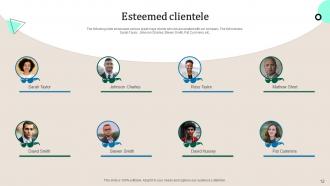
Slide 12 : Este slide apresenta vários grandes clientes associados à nossa empresa. A lista inclui Sarah Taylor, Johnson Charles, Steven Smith, Pat Cummins, etc.
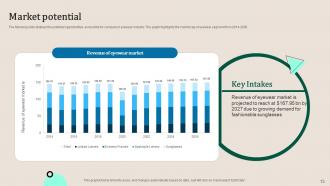
Slide 13 : Este slide mostra as oportunidades potenciais acessíveis para empresas na indústria de óculos. O gráfico destaca a capitalização de mercado do segmento de óculos de 2014-2026.
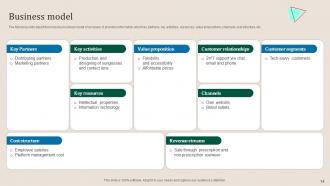
Slide 14 : Este slide retrata o modelo de negócios inclusivo da empresa. Ele fornece informações sobre os principais parceiros, atividades-chave, recursos, etc.
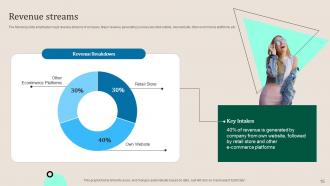
Slide 15 : Este slide enfatiza os principais fluxos de receita da empresa. As principais fontes de geração de receita são pontos de venda, site próprio, outras plataformas de comércio eletrônico, etc.
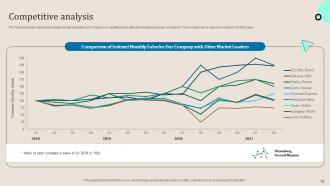
Slide 16 : Este slide descreve a representação gráfica da competitividade da empresa com outras empresas líderes de óculos. A comparação é baseada nas vendas mensais indexadas.
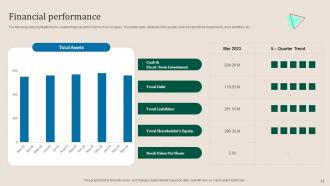
Slide 17 : Este slide destaca o desempenho financeiro da nossa empresa nos últimos cinco trimestres. Ele fornece dados relacionados ao ativo total, caixa e investimentos de curto prazo, etc.
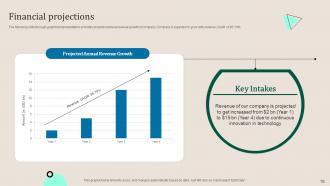
Slide 18 : Este slide através de representação gráfica fornece o crescimento projetado da receita anual da empresa. Espera-se que a empresa cresça com receita CAGR de 95,74%
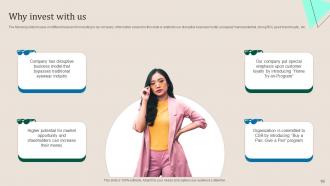
Slide 19 : Este slide enfoca diferentes motivos para investir em nossa empresa. As informações abordadas neste slide estão relacionadas ao nosso modelo de negócios disruptivo, etc.
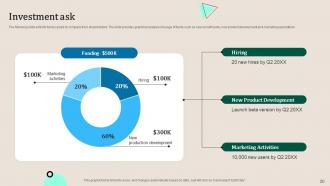
Slide 20 : Este slide mostra os recursos captados pela empresa junto aos acionistas. O slide fornece uma análise gráfica do uso de fundos, como novas contratações, etc.
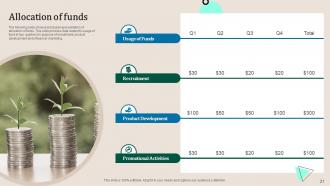
Slide 21 : Este slide mostra a representação tabular da alocação de fundos. Este slide fornece dados relacionados ao uso de fundos em quatro trimestres para fins de recrutamento.
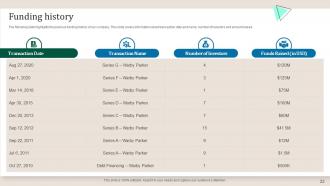
Slide 22 : Este slide destaca o histórico de financiamento anterior da nossa empresa. Este slide aborda informações sobre data e nome da transação, número de investidores e valor captado.
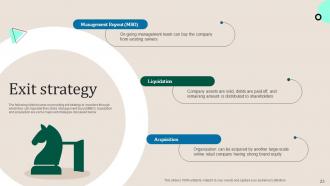
Slide 23 : Este slide se concentra em fornecer uma estratégia de saída aos investidores por meio da qual eles possam liquidar sua participação. Aquisição de gestão (MBO) etc.
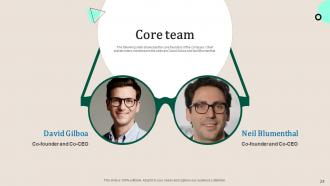
Slide 24 : Este slide mostra os principais fundadores da empresa. As principais partes interessadas mencionadas no slide são David Gilboa e Neil Blumenthal.
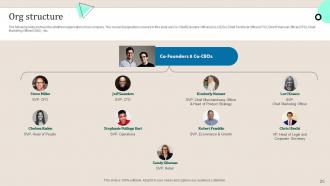
Slide 25 : Este slide retrata a organização estratificada da nossa empresa. As designações cruciais abordadas neste slide são Co-CEOs (Co-CEOs), etc.
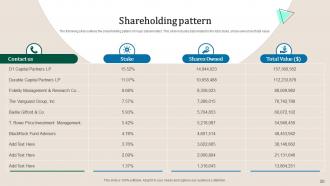
Slide 26 : Este slide descreve o padrão acionário das principais partes interessadas. Este slide inclui dados relacionados à participação total, participação acionária e valor total.
Slide 27 : Este é um slide de agradecimento com endereço, números de contato e endereço de e-mail.
Slide 28 : Este slide mostra todos os ícones incluídos na apresentação.
Slide 29 : Este slide é intitulado Slides Adicionais para avançar.
Slide 30 : Este slide contém quebra-cabeças com ícones e texto relacionados.
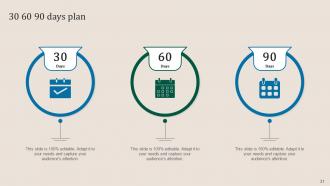
Slide 31 : Este slide fornece Plano de 30 60 90 dias com caixas de texto.
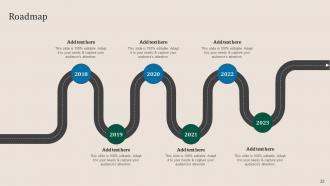
Slide 32 : Este slide apresenta o Roteiro com caixas de texto adicionais.
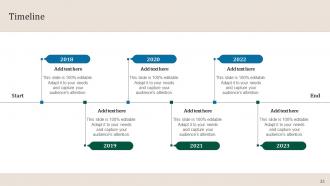
Slide 33 : Este é um slide da Linha do Tempo. Mostre dados relacionados a intervalos de tempo aqui.
Slide 34 : Este slide mostra Post It Notes para lembretes e prazos. Poste suas notas importantes aqui.
Slide 35 : Este é o slide Nosso Alvo. Indique seus alvos aqui.
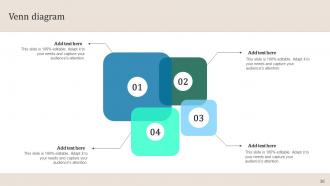
Slide 36 : Este slide mostra o diagrama de Venn com caixas de texto.
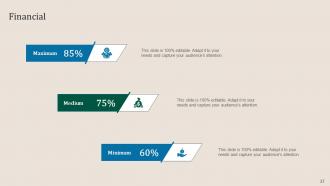
Slide 37 : Este é um slide financeiro. Mostre suas coisas relacionadas a finanças aqui.
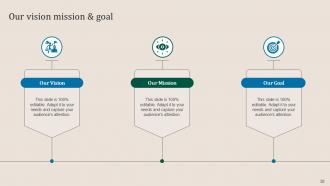
Slide 38 : Este é o slide Nossa Visão, Missão e Objetivo.
Warby Parker Investor Funding Elevator Ppt Deck Template com todos os 47 slides:
Use nosso modelo de Ppt de apresentação de argumento de venda do elevador de financiamento ao investidor Warby Parker para ajudá-lo a economizar seu valioso tempo de maneira eficaz. Eles estão prontos para caber em qualquer estrutura de apresentação.












FAQs for Warby Parker Investor Funding Elevator Pitch
So Warby Parker was basically going up against Luxottica - this massive monopoly that controlled like everything in eyewear. Crazy ambitious, right? They needed tons of cash to build their whole supply chain from scratch, plus fund that try-at-home thing everyone loves now. The money also went toward opening actual stores later and marketing to people who were sick of paying $300+ for frames. Without that funding, they couldn't have scaled fast enough to actually compete. It's wild how they mixed online with physical retail - totally changed the game.
So Warby Parker raised a crazy amount early on - like $290M+ through multiple VC rounds to compete with the big eyewear companies. Smart move honestly. They started with seed money in 2010, then did the usual Series A, B, C thing through the 2010s. Instead of a traditional IPO though, they went public via direct listing in 2021 which was kinda interesting. Their whole strategy was basically burn money on customer acquisition first, worry about profits later. Classic growth playbook. If you're studying their approach, definitely look at how they managed growth spending while keeping their unit economics from going completely sideways.
Honestly, VCs were huge for Warby Parker's success. General Catalyst and Tiger Global threw serious money at them - we're talking millions for inventory, manufacturing, all those trendy stores. Without that cash, they'd still be selling like 10 pairs online from someone's apartment lol. The funding wasn't just about money though. These firms brought connections and strategy advice that helped them expand globally and actually compete with the big players. Wild how much capital it takes to shake up an entire industry. If you're considering VC money, definitely look at how they spent it smart instead of just blowing through rounds.
Yeah so their investors totally influence the big decisions - board approval and all that. VCs want growth, which is why you see them opening more stores and pushing new products. The founders still have control though, so they're not completely at investors' mercy. Those industry connections help too (like that T-Mobile thing). Honestly, I think they've done a decent job balancing profit pressure with their whole "good glasses for everyone" vibe. You can usually tell what investors are pushing for by checking their quarterly updates - it's pretty obvious which priorities they're focusing on that quarter.
Oh man, that funding totally changed their game. They went from scrappy social media posts to those massive influencer deals and pop-ups literally everywhere. The "try before you buy" thing was probably crazy expensive but honestly brilliant for getting people hooked. Suddenly they could throw money at podcasts, TV spots - all that stuff they couldn't touch before. What's wild is how they broke out of just targeting hipsters, you know? More cash meant testing those pricier marketing channels that actually moved the needle. Smart move overall.
Oh Warby Parker's brilliant at this - they basically turned sustainability into their secret weapon with investors. Instead of treating it like some expensive side project, they show how carbon neutral shipping and that "Buy a Pair, Give a Pair" thing actually drives sales. Makes sense when you think about it. ESG investing is everywhere these days, so they're hitting two birds with one stone. The trick is showing actual numbers - like how their green stuff brings in customers and keeps them coming back. Don't just talk about saving the planet (though that's nice too). Lead with the money angle first.
So Warby Parker investors are basically obsessed with customer acquisition costs versus lifetime value - that's the big one. Revenue per customer matters too, obviously. The whole direct-to-consumer thing means they really need to nail their unit economics or investors get nervous. Store expansion numbers are huge since they're doing both online and physical locations now. Digital conversion rates, repeat purchases - all that stuff gets tracked religiously. Honestly, I'd probably start with those CAC-to-LTV ratios if you're digging into their performance. That's where you'll see if they're actually building something sustainable or just burning cash.
So basically Warby Parker uses all that investor cash to keep glasses cheap for us instead of jacking up prices. Smart, right? They pitched investors on disrupting the whole eyewear racket - those prices were honestly insane before. That funding covers their stores, inventory, the whole direct-to-consumer thing without bumping up what you pay. You're still getting glasses for like $95-$145 because venture capital is basically subsidizing your prescription. Pretty sweet deal if you ask me.
So Warby Parker basically used their money to fix the whole "buying glasses online sucks" problem. They created that try-at-home thing where you get 5 frames shipped free - genius honestly. Plus they opened like 200+ stores so you're not gambling on how you'll look. The funding also went into virtual try-on tech and same-day delivery in big cities. Oh, and they nailed the whole online-meets-physical store experience. If you're studying retail businesses, they're pretty much the textbook example of removing friction points. Smart use of capital.
Yeah, Warby Parker's done pretty well considering everything that's happened. The pandemic hit them like everyone else - investors got way more picky, valuations dropped, and people started questioning whether opening physical stores was smart (spoiler: expensive). But honestly? Their business model is solid. People always need glasses, which helped them way more than luxury brands during rough patches. Plus that whole direct-to-consumer thing worked in their favor. I'd keep watching how they handle the growth vs. profit balance though - that's what's really making investors nervous these days. Their stock's been all over the place lately.
Honestly, investors think Warby Parker's in a pretty good spot right now. They've built solid brand recognition that's tough to copy overnight. But yeah, competition's heating up - you've got Luxottica still crushing it in retail, plus newer brands like Zenni undercutting everyone on price. Their physical stores actually help them stand out from the online-only players, which is smart. The real worry seems to be those super cheap competitors putting pressure on margins. I'd watch how they handle pricing wars if you're thinking about the stock.
Honestly, Warby Parker has tons of options for funding their expansion. Venture debt would be cheapest, or they could partner with international retailers. Amazon or Luxottica might even try acquiring them - though that's probably a long shot. Revenue-based financing could work too since their D2C model has pretty steady cash flows. Watch their quarterly calls if you really want to predict their next move. They always drop hints about funding when talking expansion timelines. International growth and opening more physical stores are where they'll need the most cash, so that's your tell.
Warby Parker's whole "Buy a Pair, Give a Pair" thing has VCs throwing money at them because it proves social impact can actually boost profits. Mission-driven startups are having a moment right now - better retention, crazy loyal customers, and honestly the VCs look good backing them. They've pulled in over $500M by showing their giving program drives growth instead of eating into margins. The key thing (and this matters way more than people think) is making sure your mission isn't just feel-good fluff. It needs to be your actual competitive edge and tied directly to how you make money.
Honestly, Warby Parker nailed this. Their funding rounds basically proved their whole underdog story against the big eyewear companies was legit. Smart VCs backing them made everyone take their direct-to-consumer thing seriously. Plus the "buy a pair, give a pair" mission didn't hurt either. All that money let them build those gorgeous stores and create an actually good customer experience - stuff that costs real money. What I love is they didn't lose their scrappy vibe even after getting huge. If you're watching other DTC brands, see how they handle growing without selling out their original identity.
Warby Parker pulled in $290+ million in VC funding, which is wild compared to how traditional eyewear companies did things. LensCrafters and those guys just bootstrapped or got small business loans - totally different game. They grew slowly through franchising and steady cash flow. Warby Parker had to burn investor money building their whole direct-to-consumer thing from nothing. Makes sense though. You can't exactly bootstrap a home try-on program or massive online customer acquisition - that stuff's expensive. Traditional retailers didn't need crazy tech infrastructure either. It's honestly two completely different approaches to the same market.
-
Their designing team is so expert in making tailored templates. They craft the exact thing I have in my mind…..really happy.
-
Wow! The design and quality of templates on SlideTeam are simply the best.