


Warehouse Management Powerpoint Ppt Template Bundles




Try Before you Buy Download Free Sample Product
 Impress Your
 Audience
 100%
100% Editable
 Save Hours
 of Time


Our Warehouse Management Powerpoint Ppt Template Bundles are topically designed to provide an attractive backdrop to any subject. Use them to look like a presentation pro.
People who downloaded this PowerPoint presentation also viewed the following :
Warehouse Management Powerpoint Ppt Template Bundles with all 17 slides:
Use our Warehouse Management Powerpoint Ppt Template Bundles to effectively help you save your valuable time. They are readymade to fit into any presentation structure.







FAQs for Warehouse Management Powerpoint
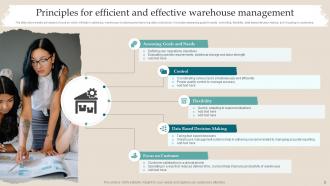
Honestly, start with getting a decent WMS - spreadsheets become a nightmare once you grow. Layout's huge too - you want people walking less and storing more efficiently. Staff training matters, obviously safety protocols, tracking your metrics. Oh, and quality checkpoints at receiving and before stuff ships out. I'd audit what you're doing now first though. Find your biggest bottlenecks - that's where you'll see real improvements. Receiving and shipping processes need to be solid. Trust me on the WMS thing, it'll save your sanity later.
Honestly, start with a solid WMS and barcode scanners - that combo alone will save you so much headache. RFID tags are worth it too if you can swing the budget. The real-time dashboards are actually pretty addictive once you see everything happening live. Voice-directed picking is where it gets interesting though - workers wear headsets and get audio instructions, so their hands stay free for the actual work. Automated conveyor systems speed things up big time, but don't feel like you need everything at once. Oh, and those manual counting errors? Yeah, they'll basically disappear.
Dude, warehouse automation is seriously game-changing these days. Robots are doing the picking, conveyor belts handle inventory movement, and software manages stock levels plus routing. It cuts down on human errors big time and speeds up order fulfillment like crazy. Your team gets to focus on the important stuff instead of repetitive tasks. The inventory accuracy alone makes it worth it - I've seen some pretty impressive setups lately. Start small though, maybe with barcode scanning or basic inventory software. Don't dive into the deep end right away, you know?
Go vertical first - way better return than expanding outward. Taller racks and smarter aisle spacing based on your forklifts. ABC analysis is clutch too. Fast movers at eye level, close to shipping. Most places I've seen just have terrible layouts, honestly. Dynamic storage works great for bulk stuff - push-back or drive-in systems. Those awkward corner spaces? Perfect for slow inventory you barely touch. Oh, and map out how stuff actually flows through your space right now. You'll probably find tons of wasted areas you didn't even notice.
Definitely start with barcode scanners - seriously, the difference is huge. Your accuracy will jump right away. Get your warehouse organized with clear labels and put similar stuff together so pickers aren't wandering around lost. Batch picking works great when you've got multiple orders for the same items. Train your crew on the right techniques, though honestly most of it becomes second nature pretty quick. Set up quality checks at packing - catches the dumb mistakes before customers see them. Pick-to-light systems are amazing if you can swing the budget later. The scanning tech should be your first move though, everything else can wait.
So basically, customers expect everything delivered super fast now, which means you've gotta redesign your whole warehouse layout for speed. More automation too, obviously. E-commerce is wild - instead of big bulk orders, you're getting tons of tiny orders with way more product variety. The packaging alone is a nightmare! Plus seasonal stuff keeps changing, so you need storage that can actually adapt. Honestly, the "I want it yesterday" thing isn't going anywhere. Best bet? Keep tracking your order patterns religiously and adjust before you're totally swamped.
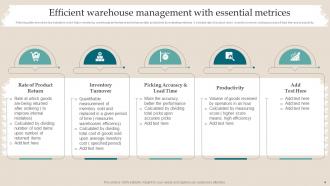
Honestly, start with the basics: inventory accuracy, order fulfillment time, and picking accuracy. Warehouse capacity utilization matters too - you don't want dead space eating your budget. Labor productivity is huge but can be tricky to measure fairly. Cost per shipment and inventory turnover will show you if you're actually making money or just staying busy (big difference there). Oh, and track safety incidents - nobody wants that headache. Pick maybe 5-7 metrics max. I'd focus on whatever's currently screwed up first, then build from there. Too many dashboards just create noise.
Honestly, good training is a game changer for warehouse productivity. Your team learns the right procedures and safety stuff, plus they'll actually know how to use that WMS system properly instead of just winging it. Cross-training helps too - when people can handle different tasks, you're not screwed if someone calls out during busy season. The big thing is making it ongoing, not just throwing info at new hires once. I'd start by figuring out where you're bleeding the most time or making mistakes, then build training around fixing those specific problems. Makes a huge difference in pick accuracy and overall workflow.
Start by digging into your sales data from the past year or so - you need to spot those seasonal patterns and trends. Build in some safety stock because things always go wrong when you least expect it. ABC analysis is your friend here - focus on tracking your high-value stuff more closely. Talk to your sales and marketing people too, they usually know about promotions or changes coming down the pipeline. Oh, and don't overcomplicate it at first. Basic forecasting methods work fine before you dive into fancy AI stuff. Sometimes simple is honestly better than trying to be too clever about it.
Look, don't make safety this separate thing people have to think about - just bake it into what they're already doing. Train everyone properly upfront, obviously. Then add safety checks to regular stuff like equipment inspections and PPE requirements. Here's what actually works though: tie safety to performance reviews, not just productivity stats. Visual cues help tons - floor markings, signs, clear walkways. Oh and those safety meetings? Keep 'em short or people zone out. Basically you want following protocols to be the natural choice, not some extra hassle they'll skip when rushed.
Dude, inventory allocation is such a pain in the ass. You're basically playing Tetris with stock between online orders, retail stores, and wholesale - all screaming for priority. Picking gets messy fast when you're grabbing single items for customers while also filling huge B2B orders. Each channel wants different packaging, shipping speeds, return rules... it's honestly exhausting. Your team will go crazy without good WMS software that can sort orders by priority. Oh, and maybe set up separate zones for different order types? Trust me on that one. Makes life way easier.
So basically, visibility just means you're not flying blind anymore with your warehouse decisions. Real-time inventory levels, incoming shipments, demand patterns - all that stuff helps you figure out staffing and storage way better. Think of it like GPS but for your whole supply chain (cheesy comparison but whatever, it works). The cool part is catching bottlenecks before they screw you over. You can actually adjust operations ahead of time instead of scrambling. Just make sure your team doesn't treat it like some fancy dashboard to stare at - they gotta actually use the data for daily calls.
Honestly, AI and machine learning are game-changers for WMS right now. They'll optimize your picking routes and predict demand way better than manual planning. IoT sensors give you real-time tracking, which is pretty sweet. Voice-picking systems are solid too - keeps workers' hands free. Robotics sounds fancy but the ROI math gets weird unless you're running a massive operation. Oh, and computer vision for quality control is becoming more common. Cloud systems make this stuff accessible even for smaller warehouses now. My take? Don't try to do everything at once. Pick your biggest headache - maybe route optimization or inventory tracking - and start there.
Honestly, you gotta start forecasting way sooner than feels normal - like months ahead. Get flexible warehouse deals lined up for your crazy busy times, maybe short-term leases or variable space. Cross-train your people so Sarah from shipping can jump into packing when things get wild. Third-party logistics are clutch for overflow too. I learned this the hard way last year when we got slammed and had nowhere to put anything. The trick is setting all this up when you're slow, not when you're drowning in orders during holiday season.
Dude, location can make or break your whole operation. You want to be near highways or ports - saves a fortune on shipping costs. Close to customers = cheaper deliveries, obviously. But here's what people don't think about: some areas just have way better workers available. I've seen warehouses struggle for months trying to hire decent people. Weather actually matters too since it affects your energy bills and storage. Oh, and don't rush this decision - you'll be stuck with whatever you pick for years. Take time to really research it because a crappy location will bleed money every single day.
-
Excellent
-
Placing an order on SlideTeam is very simple and convenient, saves you a lot of your time.
-
The ease of modifying templates is just superb! Also, the vast collection offers plenty of options to choose from.