


Weekly Progress Target Performance Functions Gantt Chart




Try Before you Buy Download Free Sample Product
 Impress Your
 Audience
 100%
100% Editable
 Save Hours
 of Time


Our Weekly Progress Target Performance Functions Gantt Chart are topically designed to provide an attractive backdrop to any subject. Use them to look like a presentation pro.
People who downloaded this PowerPoint presentation also viewed the following :
Weekly Progress Target Performance Functions Gantt Chart with all 12 slides:
Use our Weekly Progress Target Performance Functions Gantt Chart to effectively help you save your valuable time. They are readymade to fit into any presentation structure.
-
Weekly Progress Target Performance Functions Gantt Chart
-
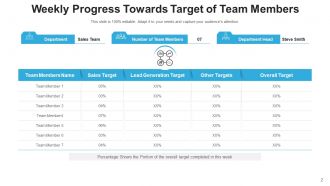
Weekly Progress Target Performance Functions Gantt Chart
-
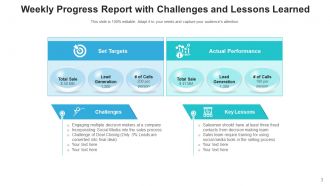
Weekly Progress Target Performance Functions Gantt Chart
-
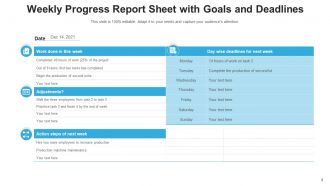
Weekly Progress Target Performance Functions Gantt Chart
-
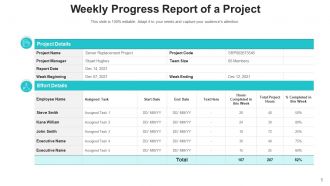
Weekly Progress Target Performance Functions Gantt Chart
-
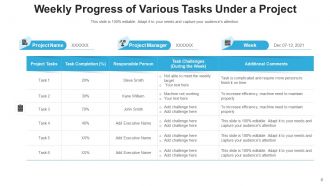
Weekly Progress Target Performance Functions Gantt Chart
-
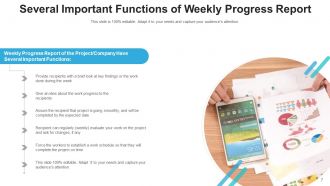
Weekly Progress Target Performance Functions Gantt Chart
-
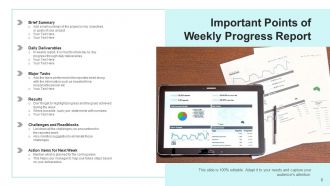
Weekly Progress Target Performance Functions Gantt Chart
-
Weekly Progress Target Performance Functions Gantt Chart
-
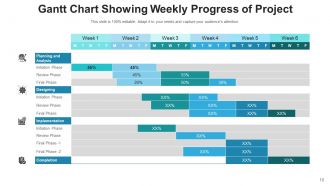
Weekly Progress Target Performance Functions Gantt Chart
-
Weekly Progress Target Performance Functions Gantt Chart
-
Weekly Progress Target Performance Functions Gantt Chart
FAQs for Weekly Progress Target Performance
So basically Waterfall is super linear - you finish one phase completely before starting the next. Agile breaks everything into short sprints where you're constantly getting feedback and tweaking things. Waterfall's perfect when requirements won't change, like building a bridge or something where the specs are locked in. But if you're working on anything where stakeholders might pivot (and let's be honest, they usually do), Agile's your friend. It handles uncertainty way better since you can adapt quickly based on what users actually want. Honestly, I've seen too many Waterfall projects crash because someone changed their mind halfway through.
Talk to them constantly, seriously. Figure out who actually matters and what keeps them up at night - might not be what you'd expect. Be upfront about timelines and budget from day one. Regular check-ins are your friend here. Don't disappear when shit hits the fan (and it will). Flag problems fast and come with solutions ready. Write everything down because people have selective memory about what was "agreed on." Honestly, half of this is just making people feel like they're in the loop instead of getting blindsided later.
Look, risk management is just having a backup plan for when stuff goes wrong - and trust me, it will. Spot the big issues early: budget blowouts, team conflicts, that classic scope creep we all love. I've watched so many projects totally implode because people just hoped everything would magically work out. Don't be those people. Keep a running list of what could tank your project and actually update it regularly - not just write it once then never look at it again. Honestly, half the battle is just admitting things can go sideways. What's your biggest project worry right now?
Honestly, the right tech tools will save you so much time on project management. I'm talking hours saved on status updates alone. Asana and Monday are solid choices - they'll help you track deadlines and catch problems before they blow up your timeline. The reporting stuff is where it gets really good though. Instead of manually pulling data from everywhere, you can generate reports in seconds. My advice? Pick one tool that fixes your biggest headache first. Whether that's keeping track of tasks or just getting your team to actually communicate. Build from there once you've got that down.
Honestly, project management is like 50% people skills, 50% logistics. Communication is massive - you're basically a translator between teams who speak totally different languages. Obviously you need the basics like time management and knowing project software. But emotional intelligence? That's the secret weapon nobody talks about. Dealing with stressed developers and demanding clients all day will test you. Problem-solving is non-negotiable since Murphy's law applies to every single project. Risk assessment and budget stuff you can learn pretty quick. I'd figure out what you're already good at, then maybe tackle your biggest weak spot first. Don't try to fix everything at once - that's a recipe for burnout.
Honestly, don't just look at deadlines and budgets. Sure, those matter, but did your stakeholders actually love what you delivered? Are people using the thing you built? I've seen so many "successful" projects that technically shipped on time but solved nothing. User engagement tells you way more than a timeline does. Also – and this might sound weird – check if your team would do it again. If everyone's burned out and miserable, that's not really winning. Client satisfaction, business impact, whether they'd work with you again... those are your real success metrics.
Honestly, start with regular video calls - not just work stuff, but actual face-to-face conversations. The social aspect is way more important than most managers realize. Get everyone using the same collaborative tools like Miro for brainstorming sessions, and set up shared dashboards so nobody's guessing what's happening with projects. Virtual coffee breaks sound cheesy but they actually work. Oh, and nail down your communication rules early - like how fast people should respond and which platforms to use for what. I'd pick just one new tool to test this week though, don't overwhelm everyone at once.
Okay so first thing - actually talk to leadership about what they care about most before you plan anything. I learned this the hard way lol. Connect your project stuff directly to whatever metrics they're obsessing over right now. Check in with them regularly too, because priorities shift constantly. When people start asking for random additions (and they will), just ask yourself: does this actually move the needle for the business? Honestly, most requests don't. Think of alignment as something you're always working on, not just a box you tick once at the beginning.
Honestly, boundaries are everything here. Set them early and don't budge. You need some kind of formal process for changes - make people actually think through what they're asking for instead of just throwing out random ideas. Document literally everything because I swear people have selective amnesia about what they originally wanted. When someone says "oh can we just add this tiny thing?" immediately break down how it affects timeline and budget. At your kickoff meeting, spend time explaining how scope creep works and what your process will be. Trust me on this one - future you will be so grateful you did the groundwork upfront.
Oh man, global projects can get messy fast. Some cultures are brutally direct, others will dance around issues for ages before actually telling you what's wrong. Time zones alone will make you want to cry - good luck finding meeting times that don't screw over half your team. Then there's decision-making... some groups need to talk everything to death before moving forward, while others just want the boss to decide already. I honestly had no clue about this stuff on my first international project and it showed. Best thing you can do? Set communication rules early and pad your timeline like crazy for all the back-and-forth clarification you'll need.
Honestly, just be super upfront about everything and check in regularly. Weekly meetings are clutch, plus throw everything in a shared Slack channel so nobody's out of the loop. Document your decisions somewhere everyone can actually find them - I swear half the drama happens when people miss important changes. Oh, and tell your team to flag problems early instead of panicking at deadlines. That's saved my butt so many times. Pick your tools and don't bounce between like five different apps. Keeps everyone sane.
Honestly, you've gotta nail down change control from the start or you're screwed. Document everything - even the tiny stuff that seems harmless. Those little changes? They'll bite you later, trust me. I had a project completely fall apart because we let "quick fixes" slide without proper approval. Always loop in stakeholders before implementing anything new. Update your docs too (boring but necessary). Oh, and schedule regular check-ins - catching issues early beats scrambling to fix timeline disasters. Learned this one the expensive way!
Ugh, the worst part is when your team gets pulled in like five different directions and nobody knows what's actually priority. Resource conflicts are brutal. Deadlines start slipping everywhere. Honestly, get a good project management tool first - something where you can see all the timelines at once because that visual really helps. Build in buffer time though, trust me on this. Something always breaks. Set up clear communication channels for each project so people aren't constantly confused about what they should be working on. Oh, and nail down priorities with stakeholders early or they'll keep changing their minds.
Get your team together and actually define what the problem is first - sounds obvious but you'd be surprised how often people skip this. Brainstorming sessions work great, or do some root cause analysis so you're not just putting band-aids on everything. When it's decision time, pros/cons lists are your friend. Decision matrices too, though they sound fancier than they are. Honestly, anything that keeps the loudest person from steamrolling everyone else. Make sure people feel heard but don't let discussions drag on forever. Oh, and set deadlines - otherwise you'll debate the same thing for months.
Honestly, start with the basics - schedule and budget stuff like earned value and cost performance index. Budget burn rate is clutch, can't tell you how many times it's caught issues early. Then track scope creep because that'll kill you if you're not watching. Quality metrics matter too, defect rates and all that. Oh and team velocity if you're doing agile. Don't go crazy though - pick like 4 or 5 things that actually make sense for your project. I learned the hard way that tracking everything just creates noise. Set up something simple you can check weekly, maybe a basic dashboard.
-
Informative design.
-
Wonderful templates design to use in business meetings.
-
Excellent template with unique design.
-
Very well designed and informative templates.
-
The Designed Graphic are very professional and classic.
-
Use of different colors is good. It's simple and attractive.