

0514 action plan timetable powerpoint presentation





Try Before you Buy Download Free Sample Product
 Impress Your
 Audience
 100%
100% Editable
 Save Hours
 of Time


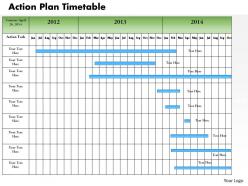
To schedule, plan or keep projects within the budget limit, it is important to track the activities and also set objectives accordingly, but it is all the more difficult to manage it the traditional way, thus a professional looking PPT layout not only helps to manage the same but also ensures to tack performance and develop the necessary action plan. Bifurcating the information into sections and also evolving a thought process as the viewers go through PowerPoint presentation featuring the action plan in a timetable format. Reviewing of multiple vision statements and compiling of data under the heading of different years, is now all the more manageable and easy with a presentation slide show that features the same and also helps in easy allocation of resources, identification and resolving of the problems as that the tasks can be aligned and monitored well. Your timetable not only helps to review your past performance, present day functioning plus future goal setting with the help of PPT design. Get it in hand with our 0514 Action Plan Timetable Powerpoint Presentation. Be able to exercise effective control.
People who downloaded this PowerPoint presentation also viewed the following :
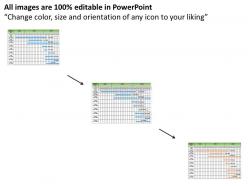
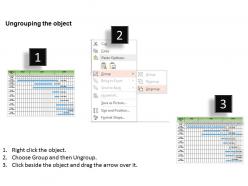
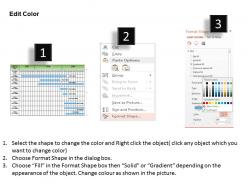
0514 action plan timetable powerpoint presentation with all 5 slides:
Get it in one go with our 0514 Action Plan Timetable Powerpoint Presentation. Achieve your aim at the first attempt.
FAQs for 0514 action plan
Honestly, start with your big milestones and work backwards from there. Give each task one owner - not a whole team, trust me on this one. I've learned to pad everything with 20% extra time because stuff always takes longer than you think it will (Murphy's Law and all that). Make your tasks super specific and measurable so they actually connect to your bigger goals. Weekly check-ins are clutch for catching problems early. Oh, and don't forget buffer time between major deadlines. You'll thank yourself later when something inevitably goes sideways and you're not scrambling to catch up.
Okay so first thing - dump everything on a list, then use that Eisenhower Matrix thing to sort by urgent/important stuff. Hit the time-sensitive high-impact tasks right away. I always mix in some easy wins because crossing stuff off honestly just hits different and keeps you going. Look at what tasks depend on others finishing first - you don't want to get stuck waiting around. Match your hardest work to whenever your brain actually works (mine's useless after 3pm). Block out time for your top 3 things each day and don't let people mess with that schedule.
Ugh, creating timetables is such a pain but there are some decent tools out there. I'd go with Asana, Trello, or Monday.com first - they're solid for setting deadlines and you can actually see your timeline visually. Gantt charts work too if that's your thing. But honestly? I know people who just use basic Google Sheets and they do fine. Sometimes the simple route wins. Just pick whatever your team won't abandon after two weeks - that's the real trick. Start with what you already know and upgrade later if it's not cutting it.
Dude, visual stuff seriously helps with action plans. Color coding different phases, progress bars, little icons for task types - it actually makes everything way easier to scan. I thought it was just pretty nonsense at first, but your brain processes it so much faster. Charts showing timeline stuff help you catch problems early too. Don't go overboard though - I made that mistake once and it looked like a rainbow exploded. Stick to maybe 2-3 colors and basic progress indicators to start. You can always add more later if you want.
Look, deadlines are literally what stop your plans from becoming that random list of stuff you'll "get to eventually." I always work backwards from my final due date - sounds weird but it actually works. Map out when each piece needs to happen, then add like 20% extra time because something always goes wrong. Trust me on this one. Without real deadlines, you'll just keep pushing things off. They help you figure out what's actually urgent versus what just feels important. The hardest part? Being realistic about how long tasks take instead of being stupidly optimistic about it.
Oh man, definitely build in buffer time - like 20-30% extra on big milestones. Figure out which tasks are totally flexible vs the ones that'll screw you if they slip. This literally saved my butt last quarter when everything imploded at once (classic, right?). Weekly timeline reviews help catch problems before they snowball. Also - and this one's huge - tell stakeholders immediately when stuff changes instead of crossing your fingers that you can magically catch up later. Trust me on that one. Set up some basic tracking system so you're not flying blind against your original estimates.
Pick 3-5 metrics that actually matter for your goals - don't get crazy with tracking everything under the sun. I'd focus on both the quick wins (like hitting weekly deadlines) and the bigger picture stuff (final results). Honestly, most people overthink this part. Check in with yourself regularly though, maybe weekly or every couple weeks. Otherwise you'll get to the end and realize you've been heading in the wrong direction the whole time. Keep it simple so you're not spending more time measuring progress than actually making it.
Honestly, I'd start by figuring out what each goal actually looks like as real deliverables. Get your team involved in the planning upfront - saves you so much headache later, trust me. Break the big stuff down into chunks people can realistically handle with their current workload. Always add buffer time because everything takes way longer than you think it will. Don't micromanage, but set up regular check-ins to see how things are going. You want accountability without being that boss, you know? And be ready to adjust deadlines when (not if) things shift around.
Dude, biggest mistake is being way too optimistic with timing. Always add buffer time because stuff WILL go wrong. Also make your tasks super specific - like "launch email campaign by March 15th" instead of just "improve marketing" which means nothing. Dependencies will kill you too. I learned this the hard way when I scheduled overlapping tasks that couldn't actually run at the same time. Check if your team actually has bandwidth before dumping work on them. Honestly, add 20% extra time to every major deadline. Sounds excessive but you'll thank me later when you're not scrambling.
Honestly, I'd say every couple weeks minimum. Monthly feels too spread out - stuff slips through the cracks. If your project's moving fast, maybe weekly? I block off like 30 minutes every other Friday (random day but it works for me) to see what's actually happening vs what I planned. One delayed thing always screws up everything else, so catching it early saves your sanity. When you're consistently behind or weirdly ahead of schedule, that's when you know your original estimates were trash. Set a calendar reminder or you'll definitely forget.
Look, you've gotta get stakeholders involved from the start - not just when you need favors later. They'll actually commit to deadlines if they helped create them. Plus they catch stuff you miss. I can't tell you how many times someone's been like "wait, that's holiday week" and saved me from looking like an idiot. Your timeline means nothing without their buy-in and resources. They know the real constraints you don't see. Trust me, loop them in early or your perfect schedule just sits there doing nothing.
Don't try to separate short and long-term stuff - layer them instead. Figure out which quick wins actually help your bigger goals, then prioritize those. I do like a 70/30 split most of the time, focusing mainly on immediate stuff while blocking out consistent time for the strategic work. Here's what works: schedule your long-term blocks first as non-negotiables, then fill around them with shorter tasks. Just make sure your quick wins aren't random busy work that kills momentum on bigger things. Weekly check-ins help - honestly saved me from going down too many rabbit holes. You'll get pulled in different directions but that balance keeps you sane.
Email it first, then walk everyone through it at your next meeting. People need to know WHY the dates matter - like how one delay screws up everything else. I always put mine on our project board because honestly, emails just disappear into the void. Build in some buffer time and tell them what assumptions you're working with. Ask for their input too - they'll catch stuff you missed, like "oh wait, Sarah's out that whole week." Set up check-ins so you can pivot when things inevitably go sideways.
Honestly, don't just throw feedback sessions at the end - that's a recipe for disaster. Schedule check-ins every 2-3 weeks as actual milestones in your timeline. I made this mistake once and got brutal feedback way too late to fix anything! Here's what works: block time RIGHT after each feedback meeting to actually do something with what you heard. Otherwise it'll just stress you out sitting on your to-do list forever. Treat reviewing feedback like any other real task that needs dedicated time. Sounds obvious but most people skip this step completely.
Honestly, break that big scary timeline into smaller chunks you can actually hit. Find someone who'll bug you about progress - not your manager, but like a colleague or mentor who genuinely wants you to succeed. I do weekly check-ins instead of monthly because I lose steam super fast otherwise. Visual tracking helps tons too. Could be a basic spreadsheet or whatever project tool you prefer, but seeing stuff get crossed off gives you that little rush to keep going. Oh, and definitely pad your deadlines because something always goes wrong at the worst possible moment.
-
Use of icon with content is very relateable, informative and appealing.
-
Enough space for editing and adding your own content.