


0614 learning styles howard gardner new powerpoint presentation slide template




Try Before you Buy Download Free Sample Product
 Impress Your
 Audience
 100%
100% Editable
 Save Hours
 of Time


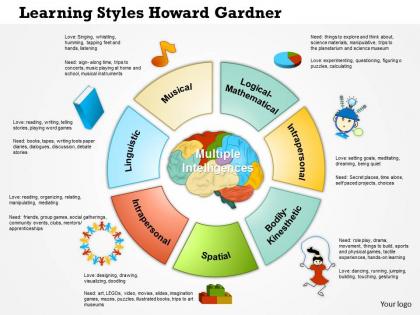
Consider how Howard Gardner has recognized different types of aptitude that each individual possesses with our 0614 learning styles Howard Gardner new PowerPoint presentation slide template. This presentation template will allow us to consider how idea of multiple intelligences is important because it permits teachers to recognize different strengths and weaknesses in students and it also opposes the idea that intelligence can be calculated through IQ .This PPT slide of Howard Gardner provides a great substitute to the popular measurable IQ method through visual/spatial, verbal/linguistic , logical/mathematical, bodily/kinesthetic, musical intelligence , interpersonal, intrapersonal and naturalist intelligence. This presentation shows us how we put high focus on eloquent or logical people in our society, however his theory propounds that we should also put same concentration on persons who have talents in the other intellects like artists, musicians, designers ,architects, naturalists, therapists ,dancers, entrepreneurs, and others who improve the planet in which we live. Analyze forthcoming events with our 0614 Learning Styles Howard Gardner New Powerpoint Presentation Slide Template. They will appreciate your futuristic attitude.
People who downloaded this PowerPoint presentation also viewed the following :
Content of this Powerpoint Presentation
Description:
The image shows a PowerPoint slide depicting Howard Gardner's theory of Multiple Intelligences. This theory suggests that intelligence is not a single academic capacity but rather a combination of various cognitive abilities. The slide is divided into segments, each representing a different kind of intelligence with specific preferences and needs:
1. Musical: Preference for learning through rhythms and melodies.
2. Linguistic: Inclination towards reading, writing, and storytelling.
3. Logical-Mathematical: Skill in reasoning, calculating, and abstract thinking.
4. Intrapersonal: Understanding of self, including setting goals and self-reflection.
5. Interpersonal: Ability to understand and interact effectively with others.
6. Bodily-Kinesthetic: Learning best through physical activity and movement.
7. Spatial: Proficiency in visualizing, drawing, and understanding spatial relationships.
Each segment provides insights into the "loves" and "needs" related to the specific type of intelligence. For instance, the Musical intelligence segment states a love for singing and whistling and a need for music play at home and school.
Use Cases:
This slide can be used across various industries for educational and training purposes, as well as for designing work environments conducive to different learning styles:
1. Education:
Use: Tailoring teaching methods to diverse learning preferences.
Presenter: Educator
Audience: Students, fellow educators
2. Corporate Training:
Use: Creating training programs that accommodate various learning styles.
Presenter: HR Professional
Audience: Employees, management
3. Psychology:
Use: Understanding cognitive diversity in therapeutic settings.
Presenter: Psychologist
Audience: Patients, students of psychology
4. Human Resources:
Use: Designing workplace strategies that leverage employees' strengths.
Presenter: HR Manager
Audience: Company leadership, team leaders
5. Product Development:
Use: Developing educational products or services.
Presenter: Product Designer
Audience: Investors, educational institutions
6. Event Planning:
Use: Organizing workshops and conferences with diverse learning activities.
Presenter: Event Coordinator
Audience: Attendees, speakers
7. Marketing:
Use: Crafting marketing campaigns that appeal to different intelligences.
Presenter: Marketing Strategist
Audience: Marketing team, advertisers
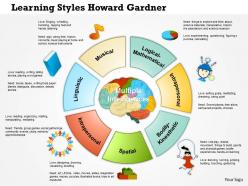
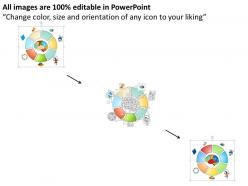
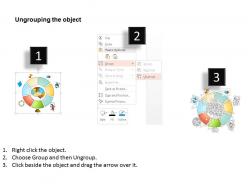
0614 learning styles howard gardner new powerpoint presentation slide template with all 5 slides:
Buoy up expectations with your ideas. Our 0614 Learning Styles Howard Gardner New Powerpoint Presentation Slide Template will keep them afloat.
FAQs for 0614 learning styles howard gardner new powerpoint
So there's basically three main ways people learn stuff. Visual learners need to see things - charts, diagrams, written steps. Then you've got auditory learners who learn best by listening to lectures or discussions (these are the people who read everything out loud lol). Kinesthetic learners have to actually DO things with their hands to understand it. Honestly though, most of us aren't just one type. Like I'm super visual for some things but need to physically practice others. Don't get too caught up in labeling yourself - just mix different approaches when you're planning training and you'll hit everyone.
Honestly, mixing up how you present stuff makes such a difference. Some people are visual learners - they need charts and slides. Others just want to hear you explain it. Then you've got the hands-on folks who need examples they can actually relate to. I used to drone on through PowerPoints and couldn't figure out why half the room looked bored out of their minds! Now I throw in interactive polls, tell quick stories, add diagrams. Hit at least two different methods for each main point you're making and you'll actually keep people engaged.
Dude, visuals are everything in presentations. Like, nobody wants to stare at walls of text - that's just painful. Charts, diagrams, even basic graphics will save you. Here's what's wild though: even people who aren't "visual learners" remember stuff better when you give them something to look at. It's like their brain gets the info twice, you know? I'd say stick one solid visual with each main point. Oh, and honestly? Those stock photo slides are getting pretty cringe now. Your engagement will definitely go up once you ditch the text dumps.
Hey! So if you're an auditory learner, don't worry too much about crazy note-taking. Just listen and engage instead. Ask questions during Q&A, jump into discussions when you can. Recording sessions is clutch (obviously get permission first). Sit up front if possible - honestly makes a huge difference for staying focused. After it's over, try reading your notes out loud or just talk through what you learned with someone. I know it sounds weird but that verbal processing thing actually works. Oh, and replaying key parts of recordings later? Game changer.
Dude, you gotta get your hands moving if you want those slides to actually stick. Write notes by hand instead of typing - seriously makes a difference. Sketch out little diagrams or mind maps while you're going through everything. I know this sounds random, but even fidgeting with something or just standing up helps your brain actually process the info. Oh, and try practicing the concepts right after you finish reading. Role-play scenarios if that works. The whole point is turning those boring static slides into something physical your body can remember.
Oh totally, culture plays a huge role in how people learn best. Like, students from more group-oriented backgrounds usually love collaborative stuff, while others are all about working solo. Some cultures are super into storytelling and visual learning - which honestly makes sense when you think about it. Then you've got families that prioritize memorization versus those that encourage debate and questioning. Religious values can affect this too, like whether someone feels okay challenging ideas in class. I'd just try mixing up your teaching methods so everyone can find what clicks for them. Works way better than sticking to one approach.
Oh totally! Learning styles aren't permanent - they change all the time. Life experiences, new jobs, even just getting older can shift how you absorb information best. I used to be all about reading everything, but now I'm way more hands-on after switching careers. Your brain literally develops differently as you age too. So if your usual study methods aren't working anymore, don't stress about it. Try something completely different - maybe you've outgrown your old approach. It's actually pretty normal, though nobody really talks about it much.
Honestly, the whole learning styles thing is basically myth at this point. Research shows matching content to someone's "visual" or "auditory" preference doesn't actually help them learn better. Learning's way messier than those neat categories make it seem. What does work? Using multiple approaches because different topics just need different methods - not because people have fixed learning styles. I mean, some concepts are naturally more visual anyway, right? So don't stress about categorizing your audience. Just focus on making your content clear and mixing up your presentation methods to keep things engaging.
Dude, mixing up your presentation tech makes such a huge difference. Videos work great for visual people, while interactive polls get the hands-on learners involved. Audio clips help the listeners too. I swear, the most boring presentations I've sat through could've been saved with just some variety. Tools like Mentimeter or Prezi are solid - honestly even PowerPoint works if you're not just reading bullet points at people. Try throwing in at least two different types of media next time. Short polls, quick videos, whatever. People actually start paying attention instead of checking their phones.
Honestly, the whole "learning styles" thing is kinda BS. I totally fell for it too! Everyone thinks visual learners need pictures and auditory learners need lectures, but research shows it doesn't actually help when you match teaching to someone's "preferred" style. What works is matching your method to the actual content - like math probably needs visuals anyway, and language stuff benefits from hearing it spoken. I mean, that just makes sense, right? Better to use different approaches based on what you're teaching rather than trying to put your students in these weird little boxes.
Mix things up so people can actually follow along! Throw in some slides for the visual people, do Q&A sessions for those who learn by hearing stuff, and maybe add a demo or two for the hands-on crowd. Most folks learn better when you hit multiple angles anyway - I've noticed that in my own presentations. Switch your approach every 20 minutes or so. Don't just lecture the whole time, that's brutal. Short discussions work great too. Your audience won't zone out as much, and they'll remember way more of what you covered.
VARK is your best bet honestly - it's the one everyone uses for visual, auditory, reading, and kinesthetic styles. Kolb's inventory is solid too but feels kinda stuffy sometimes. I'd honestly just watch your kids first though - see who gravitates toward which activities. Quick surveys work great for this stuff. Maybe ask them straight up what helps them learn best? Start simple with one approach and you'll spot patterns pretty fast. Oh, and Honey & Mumford have a questionnaire too if you want more options.
Okay so basically you need to check in with people during your presentation to see if they're actually getting it. I'll throw in quick polls or just straight up ask "everyone following?" The visual learners might need more charts, audio people want discussion time, and hands-on folks need activities. Used to just bulldoze through my slides no matter what - terrible idea honestly. Now I actually look for those blank stares and switch things up on the spot. Maybe build in like 2-3 moments where you pause and ask what would help make things clearer. Body language tells you everything if you're paying attention.
Hit different learning styles by mixing things up. Throw in slides and charts for visual people. Audio helps too - narration or even some background music. Interactive stuff like polls or quick demos gets the hands-on learners involved. And honestly? Don't skip the handouts - people love having something to take with them. Break your content into smaller chunks so it's not overwhelming. The trick is weaving all this together instead of doing one thing at a time. Next presentation, just ask yourself: "Am I only talking at people or actually engaging them?" Makes a huge difference.
Yeah totally! Like if you killed it in chemistry making flashcards but history lectures put you to sleep, you'll obviously stick with visual stuff next time. Work's the same way - bomb a presentation because you didn't practice out loud? Now you're rehearsing everything. Your brain actually changes too, making those successful learning paths stronger. Honestly, I think most people don't pay enough attention to this. Just notice what works and what doesn't. Those patterns are basically your brain telling you how it learns best.
-
Presentation Design is very nice, good work with the content as well.
-
Enough space for editing and adding your own content.