

0814 spermatogenesis medical images for powerpoint




Try Before you Buy Download Free Sample Product
 Impress Your
 Audience
 100%
100% Editable
 Save Hours
 of Time


Let nothing disturb your concentration. Our 0814 Spermatogenesis Medical Images For Powerpoint will keep you focused.
People who downloaded this PowerPoint presentation also viewed the following :
0814 spermatogenesis medical images for powerpoint with all 10 slides:
Our 0814 Spermatogenesis Medical Images For Powerpoint demonstrate flexibility. They can be adapted to meet changing requirements.



FAQs for 0814 spermatogenesis medical
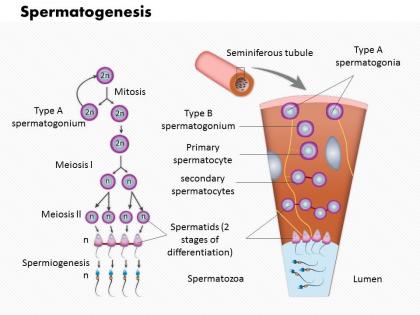
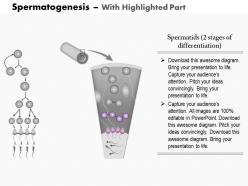
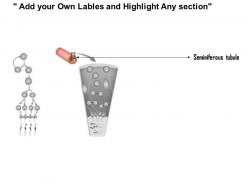
Okay so spermatogenesis breaks down into three stages. First you've got mitotic division where spermatogonia just keep multiplying like crazy. Then there's meiotic division - that's the cool part where genetic recombination happens and chromosomes get cut in half to 23. Last is spermiogenesis, which basically transforms those immature cells into actual sperm with the whole tadpole shape. The entire process takes around 74 days, which honestly seems like forever. During mitosis, stem cells make copies of themselves. Meiosis does all the genetic shuffling magic. Then spermiogenesis shapes everything - heads, midpieces, tails, the works. Focus on how each stage builds toward making functional gametes ready for fertilization.
Dude, the timing is all over the place depending on the species. Humans take about 74 days at normal body temp, but most mammals need it cooler - that's literally why balls hang outside your body lol. Fish and amphibians get seasonal about it, timing everything with water temps and mating seasons. Birds run hotter so they've adapted differently. Elephants are slow as hell at 100+ days while smaller mammals speed through it. Honestly the temperature thing is probably the most interesting part. If you're comparing species, focus on how long their cycles are and what temps they need - those are gonna be your main differences.
So Sertoli cells are basically the "nurse cells" in your testes. They wrap around developing sperm and feed them nutrients while filtering out waste. Pretty cool how they create this protective barrier that keeps your immune system from attacking your own sperm, right? FSH and testosterone tell them when to do their thing. They're like helicopter parents but actually helpful lol. When sperm are ready, Sertoli cells help push them toward the exit. Honestly, if someone's having fertility problems, doctors usually check these cells first since they control the whole sperm-making process.
So basically your hypothalamus releases GnRH, which tells your pituitary to dump out FSH and LH. LH hits those Leydig cells and they start cranking out testosterone - that's really the star of the show here. FSH goes after the Sertoli cells to help with sperm development. Testosterone keeps the whole sperm-making process running smoothly. Oh, and inhibin jumps in to control FSH levels when needed. The thing is, if testosterone tanks, everything falls apart. That's why docs always check T levels first when guys have fertility problems.
Your genes basically run the whole sperm-making show. They control everything - how your Sertoli cells work, hormone levels, DNA repair, all of it. Some dudes just get lucky with better testosterone production genes and motility proteins. The DAZ gene family is huge for preventing sperm production from just stopping mid-process. Your Y-chromosome has tons of genes managing this stuff too. Honestly, it's kinda wild how much genetics matter here. If you're having fertility problems, genetic testing can spot deletions or mutations that might explain why your count or quality isn't great.
Dude, heat is the worst thing for sperm - there's a reason your balls hang outside your body! Even a couple degrees can wreck your count. So skip the hot tubs and don't put laptops directly on your lap. Chemical exposure is huge too. Pesticides, BPA, heavy metals - they all mess with the hormones needed for making healthy sperm. Smoking and drinking too much don't help either, obviously. Honestly, tight clothes are probably overrated as a concern, but why risk it? Just focus on staying cool down there and avoiding chemicals when you can. Pretty straightforward stuff.
Yeah, aging does mess with sperm quality but it's not nearly as brutal as what women deal with. Your sperm count and how well they swim both drop off gradually over time. DNA damage in the sperm goes up too - basically your body's just not as good at making them anymore. Chromosomal issues become more common as you get older. But honestly? It's more of a slow decline than falling off a cliff. The good news is lifestyle stuff like eating better, staying active, and not smoking will probably help way more than stressing about your age. I mean, plenty of older guys still have healthy kids.
So basically, spermatogenesis is how your body makes sperm over 74 days - and yeah, it directly affects whether you can have kids or not. Heat, stress, crappy diet, getting older? All that stuff messes with sperm count and quality pretty fast. Honestly, guys don't realize how fragile the whole process is. But here's the thing - since it's always cycling, you can actually turn things around in like 2-3 months if you clean up your act. Better food, less booze, don't cook your balls in hot tubs. Worth focusing on now if you're planning ahead.
Yeah dude, lifestyle stuff totally affects your sperm. Antioxidants help a lot - think berries, leafy greens, that kind of thing. Zinc and omega-3s are clutch too. Exercise is good but don't go crazy with it since too much can mess with your testosterone. Obviously cut back on smoking and drinking if you can. The weird thing is sperm take like 74 days to regenerate, so changes happen pretty fast actually. I'd start simple - just throw more fish and vegetables into your diet and see how it goes.
Honestly, single-cell RNA sequencing is wild - you can literally follow individual sperm cells through development and watch genes switch on/off at every stage. The organoid stuff is crazy too. Scientists grow actual testicular tissue in dishes now, which still blows my mind. Live-cell microscopy lets you watch the whole process happen in real-time (though I imagine that's pretty tedious to sit through). If you're diving into this research, definitely check out recent organoid papers first. The fertility treatment applications look super promising, and it's moving fast.
So basically, it's all testosterone doing double duty. Your brain starts releasing GnRH during puberty, which triggers your pituitary to pump out LH and FSH. The LH hits your Leydig cells and they start cranking out testosterone like crazy. Here's the cool part - that same hormone handles both sperm production AND all those classic puberty changes. Deeper voice, facial hair, muscle growth, the whole package. Pretty efficient system if you ask me. Though I guess Mother Nature had to streamline things somehow, right? Anyway, that's why both processes happen together - they're basically running off the same hormonal fuel.
Honestly, there's a bunch of different things that could be going on. Varicocele is super common - basically enlarged veins in your scrotum that mess things up. Then you've got infections, hormone problems, or genetic stuff like Klinefelter syndrome. Heat's a big one too, plus certain meds and toxins can wreck your count. Treatment's all over the place depending on what's wrong. Surgery fixes varicoceles pretty well. Infections just need antibiotics. Hormone issues might need testosterone or whatever else your levels are off on. Sometimes it's literally just avoiding hot tubs and wearing looser pants - I know that sounds dumb but heat kills sperm fast. Get tested first though (semen analysis, hormone panels) before trying random stuff.
So basically, when your body makes sperm, there's this crazy shuffling process happening. During meiosis, chromosomes literally swap pieces with each other - it's called crossing over. Then they randomly split into different cells. Each sperm ends up with a totally unique mix of genes from both your parents. That's why siblings can look so different even though they have the same mom and dad. Actually, think about it - every single sperm is genetically one-of-a-kind. When one fertilizes an egg, boom, you get a completely new genetic combination. It's like nature's lottery system.
So the big stuff you'll hit is consent issues, embryo research boundaries, and who gets access to treatment. Patients going through fertility stuff are usually pretty desperate, which makes getting real informed consent tricky. Plus there's this whole gray area with embryo manipulation - like when does treatment become enhancement? Gets weird quickly. Access is another nightmare since insurance rarely covers experimental treatments and everything's expensive. Honestly, the societal impact piece is huge too. Just make sure your consent process is solid and think through how your research might affect people beyond your lab.
So here's the deal - spermatogenesis research is like having a map of male fertility that works both ways. Scientists can pinpoint exactly where sperm development happens, then either block those spots for contraception or protect them for fertility treatments. The contraceptive angle is pretty smart actually - they target specific proteins without screwing up your whole hormone system. For fertility stuff, they're protecting those same pathways during chemo or freezing early sperm cells. Everything's getting super precise now. Look into inhibin B and FSH pathways if you want the technical stuff - that's where the real breakthroughs are happening.
-
Awesome presentation, really professional and easy to edit.
-
Informative presentations that are easily editable.