

0914 human nervous system function medical images for powerpoint




Try Before you Buy Download Free Sample Product
 Impress Your
 Audience
 100%
100% Editable
 Save Hours
 of Time


Blend your views with our 0914 Human Nervous System Function Medical Images For PowerPoint. Add a dash of your style and get a great mix.
People who downloaded this PowerPoint presentation also viewed the following :
0914 human nervous system function medical images for powerpoint with all 10 slides:
Our beautiful designs make each slide count and that is why the major companies are making use of our 0914 Human Nervous System Function Medical Images For PowerPoint. You just can't beat it.
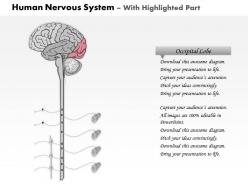
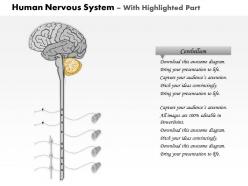
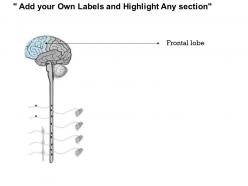
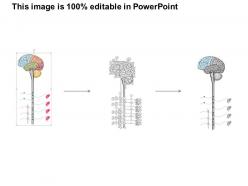

FAQs for 0914 human nervous system function medical
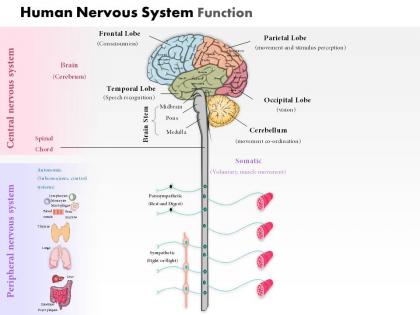
So basically you've got two main parts - central (brain + spinal cord) and peripheral (everything else). Your brain's like the control center making all the decisions. Spinal cord? That's your main data highway. Then peripheral nerves are the messengers running around - some telling your brain "hey this is hot!" and others carrying commands to your muscles. It's this constant two-way chat that never stops, honestly pretty wild when you think about it. When weird neurological stuff happens, just follow the trail: what you feel → brain processing → what happens next.
So basically, your CNS is just your brain and spinal cord - that's where all the actual thinking and decision-making happens. Everything else is PNS. All those nerves running to your arms, legs, organs, skin? That's all PNS stuff, and they're basically just messengers carrying info back and forth. I always think of it like this - CNS is the boss making decisions, PNS are the employees running around delivering messages. The location thing is honestly the easiest way to remember it. Central = brain + spinal cord. Peripheral = literally everything else. Once you get that down, the rest clicks pretty fast.
So basically neurons need to communicate somehow, right? They use these chemical messengers called neurotransmitters. An electrical signal hits the end of a neuron and dumps chemicals into the gap between cells. The next neuron catches them with specific receptors - kinda like puzzle pieces fitting together. Some chemicals tell the receiving neuron "fire!" while others say "chill out." It's honestly crazy that all our thoughts are just chemicals bouncing around in there. Oh, and if you're trying to wrap your head around brain disorders, figuring out which neurotransmitters are messed up is usually where docs start.
So sensory neurons are like your body's little spies - they're everywhere detecting stuff like heat, light, sounds, whatever. When they pick up something, they shoot electrical signals to your brain to process it all. It's actually kind of crazy when you think about it... like how does a tiny bit of light become you seeing red? These neurons are scattered all over - in your eyes, skin, nose, you name it. Without them constantly firing off messages, you'd be completely clueless about what's going on around you. They're working 24/7 and we don't even notice.
So your reflexes actually skip your brain completely - wild, right? When you touch something hot, the signal goes straight to your spinal cord instead. There's these sensory neurons that pick up the "oh crap, hot!" message, then interneurons process it crazy fast (like milliseconds), and motor neurons make you yank your hand back. That's why you pull away before you even feel the pain! Your spinal cord is basically running damage control while your brain's still figuring out what happened. Next doctor visit, pay attention to that knee-jerk thing they do.
Look, you gotta know how the nervous system works before you can fix it, right? When doctors understand how neurons talk to each other and where everything's located in the brain, they can actually target their treatments instead of just throwing stuff at the wall. Like, they'll design drugs that mess with specific neurotransmitters or use therapies for particular brain areas that got damaged. My professor always said it's the difference between having directions versus driving around totally lost - which honestly made sense. The better you get the underlying mechanisms, the more you can help people with Parkinson's, epilepsy, stroke recovery, all that stuff.
Think of myelin like the rubber coating around electrical wires - it wraps around nerve fibers and makes signals zip along way faster. Instead of crawling down the whole axon, electrical impulses basically hop between gaps. Scientists call it saltatory conduction, which honestly sounds fancier than it needs to. But yeah, this jumping trick speeds things up by like 100 times compared to nerves without myelin. That's why people with MS have such a tough time - their myelin gets attacked and everything slows down. Your quick reflexes? That's all myelin doing its thing.
So your autonomic nervous system is like your body's background program - handles all the stuff you don't think about. When you're stressed, the sympathetic side jumps in. Heart rate spikes, pupils get bigger, stress hormones flood your system. Classic fight-or-flight mode. Then parasympathetic takes over when you're chilling - slows everything down for rest and digestion. They're constantly doing this balancing act based on what you need. Actually, here's a weird trick: deep breathing genuinely activates that chill-out system. Sounds too simple but it works!
Ugh, chronic stress is the worst - it dumps cortisol and adrenaline into your system constantly. Your body thinks it's always in danger mode. That's why you get those random headaches, tight shoulders, stomach weirdness, and can't sleep properly. I swear stress literally changes your brain wiring over time. All those physical symptoms aren't in your head either. Your nervous system runs everything - breathing, digestion, heart rate. Try some deep breathing when it hits. Moving around regularly helps too, like even just walking. Anything to tell your system "hey, we're actually fine here."
So your brain can literally rewire itself - it's called neuroplasticity. When there's damage, healthy parts jump in to help out damaged areas. Pretty wild, right? Your brain also builds completely new pathways around problems. The whole thing works through repetition though, which is why rehab is so focused on doing the same exercises over and over (kinda boring but it works). Oh, and here's the thing - the more you actually challenge your recovering system, the better it gets at coming up with creative solutions. Use it or lose it basically.
Okay so gene therapies are finally working - like Zolgensma for spinal muscular atrophy is legit helping kids. There's also these antisense oligonucleotides that can shut down bad proteins, which is pretty wild. Precision medicine is getting huge too, where they match treatments to your actual genetic makeup. Alzheimer's research has been depressing forever, but we're actually seeing drugs that might slow it down instead of just masking symptoms. Oh and definitely look into tau-targeting therapies - that's where all the momentum is right now. My cousin's in pharma and says that's the hot area.
Think of the blood-brain barrier like a really picky security guard. Only lets the good stuff through - glucose, oxygen, nutrients your brain actually needs. Blocks out toxins and most drugs completely. Here's the annoying part though: when doctors need to get medication to your brain for neurological issues, this "protective" barrier becomes a huge problem. Most drugs just bounce right off it. Weirdly enough, alcohol slips through pretty easily (figures, right?). Some viruses have also evolved sneaky ways around it. So the barrier isn't foolproof, but it's still tough enough that treating brain diseases requires special drug delivery tricks to actually work.
Honestly, it's crazy how much your daily habits mess with your nervous system. Exercise is huge - gets blood pumping to your brain and helps with that whole neuroplasticity thing. Sleep's another big one though. When you don't get enough, your brain can't repair itself properly. I've definitely noticed this when I'm running on like 5 hours. Diet-wise, omega-3s and antioxidants are your friends, but all that processed junk causes inflammation. Stress is probably the worst offender - it literally damages your memory over time. Obviously smoking and heavy drinking are terrible too. But small stuff like getting 7-8 hours of sleep and maybe some meditation can actually help a lot.
Dude, your brain literally does cleanup while you sleep - flushes out toxic proteins and strengthens the connections that matter. Weakens the useless ones too. I used to survive on like 4 hours thinking I was some kind of superhero, but honestly? Total mistake. Your neurons need time to repair from all the daily damage. Without enough sleep you'll have shit focus, make terrible decisions, and apparently increase your risk for those scary brain diseases later. Yeah, I know everyone says 7-9 hours but it's actually legit. Better performance now, healthier brain long-term.
So basically, we can watch brains work in real-time now which is wild. fMRI and PET scans show blood flow while you're literally thinking or feeling stuff. EEGs pick up electrical signals super precisely - the resolution just keeps improving. There's this technique called optogenetics where they control neurons with light to test what causes what. I saw a study on this last month, actually pretty crazy. You can stack different methods together for the full picture. If you're into this stuff, look up some recent neuroimaging studies. The visuals will blow your mind.
-
Editable templates with innovative design and color combination.
-
Graphics are very appealing to eyes.