


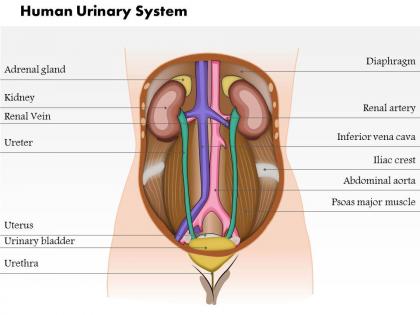
0514 the human urinary system medical images for powerpoint




Try Before you Buy Download Free Sample Product
 Impress Your
 Audience
 100%
100% Editable
 Save Hours
 of Time


Whether you need to present company strategies or marketing strategies, great presentations start with great design. You have access to great designs when you make use of our 0514 The Human Urinary System Medical Images For PowerPoint.
People who downloaded this PowerPoint presentation also viewed the following :
0514 the human urinary system medical images for powerpoint with all 11 slides:
Our 0514 The Human Urinary System Medical Images For PowerPoint are the right choice. They give you a bouquet of options.
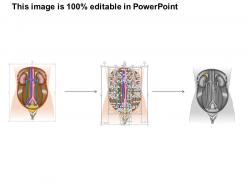


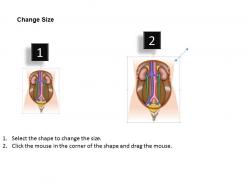
FAQs for 0514 the human urinary system medical
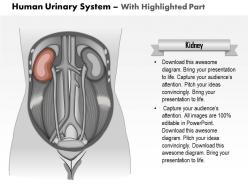
Your kidneys are basically working nonstop to filter out waste and extra water from your blood - honestly pretty wild when you think about it. They team up with your ureters, bladder, and urethra to make and get rid of urine. Plus they're juggling your fluid balance, blood pressure, and electrolyte stuff like sodium. Oh, and they help keep your blood's pH right and make hormones for red blood cells too. If your pee looks weird or you're going way more/less than usual, definitely mention it to your doc.
So your kidneys have these tiny filters called nephrons - like a million per kidney, which is wild when you think about it. Blood gets pushed through at high pressure, forcing out water and waste while keeping the big stuff like blood cells inside. Then your body's like "wait, we need some of that back" and reabsorbs the good stuff like glucose. The leftover junk becomes urine. It's actually pretty efficient - your entire blood supply gets filtered multiple times daily. Honestly makes you appreciate staying hydrated!
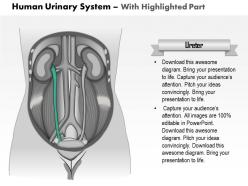
So ureters are basically tubes that carry pee from your kidneys to your bladder - they're like 10-12 inches long each. They use these muscle contractions (peristalsis) to push urine down, kinda like how your throat muscles work when you swallow. There's one-way valves where they meet the bladder so nothing flows backward. Oh and here's something fun - kidney stones getting stuck in there? Apparently it's some of the worst pain you can imagine. My cousin had one once and said it was worse than childbirth, though I'm not sure how she'd know that comparison lol.
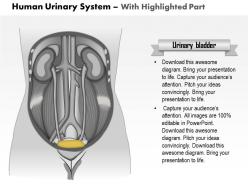
So your bladder's like a stretchy balloon that holds pee as your kidneys make it all day. There's this muscle called the detrusor that chills out while filling, and your sphincters stay tight to keep everything locked up. When you're ready to go, your brain tells the detrusor to squeeze while sphincters relax - boom, pressure difference does its thing. The whole setup needs your bladder, spine, and brain talking to each other properly. Oh and btw, if your peeing habits suddenly change, probably worth mentioning to your doc. Bodies are weird but pretty smart honestly.
So micturition is just your body's way of emptying your bladder - pretty straightforward but actually involves a lot of coordination. Your detrusor muscle contracts while both urethral sphincters relax, letting urine flow out. What's wild is how your brain manages all this automatically AND gives you conscious control when you need it. The pontine micturition center in your brainstem runs the show, getting signals from your full bladder and coordinating everything. Your autonomic nervous system handles the involuntary parts while somatic control lets you decide when to go. If anything gets disrupted in these pathways, that's when you see incontinence or retention problems.
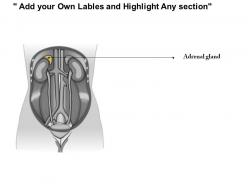
So basically your kidneys have this whole hormone system controlling them. ADH kicks in when you're dehydrated - it makes your kidneys hold onto more water so your pee gets super concentrated. There's also aldosterone managing your sodium and potassium levels, which affects how much water you retain. Oh, and ANF does the reverse thing when your blood volume gets too high - pushes out more urine. It's actually pretty fascinating how they all work together. The annoying part? When these hormones get out of whack, your fluid balance goes haywire. That's why kidney problems and hormone issues often go hand in hand.
So UTIs are probably the biggest thing, especially for women - you know, that burning when you pee, constantly feeling like you need to go. Kidney stones are brutal too, like passing tiny rocks through your system. Bladder infections pop up pretty often. Older guys deal with prostate stuff that makes peeing weird. Oh and incontinence is more common than people admit. Most of this stuff responds really well to treatment though, honestly the key is just not ignoring it. If you're seeing blood or having pain that won't quit, don't wait around.
Yeah, so basically after 40 your kidneys start losing like 1% of their filtering power each year - kinda sucks but that's life. Your bladder muscles get weaker too, so you won't empty completely and you'll be making more bathroom trips since it holds less. I swear getting older is just one thing after another lol. But you can definitely help yourself out - stay hydrated (I know, sounds backwards), do those pelvic exercises, and don't skip your checkups. Makes a real difference.
So basically, you want to keep drinking water because diluted urine = way less chance of kidney stones or UTIs. Nobody wants concentrated pee sitting around creating a bacteria party! Your kidneys need that fluid to flush out all the gross stuff too. I always check my urine color - pale yellow means you're good, dark yellow means chug more water. The whole "8 glasses a day" thing is decent advice, but honestly just drink when you're thirsty. Oh, and proper flow helps everything work better down there.
So your kidneys are like the control freaks of your body - constantly tweaking sodium, potassium, calcium levels through your pee. Too much sodium? They'll dump more out. Low on potassium? They hold onto it. There are these specialized cells in your nephrons that literally pick and choose what to keep or toss based on what you need. It's honestly kind of wild how automatic the whole thing is. I learned this in bio and was genuinely impressed lol. When you're super dehydrated, they're basically in overdrive mode trying to keep everything from going haywire.
So for kidney/urinary stuff, urinalysis is like your go-to first test - super cheap and shows a lot. Blood work for creatinine and BUN tells you how the kidneys are actually working. Imaging is usually ultrasounds or CT scans depending on what you're looking for. If it's bladder issues, sometimes they'll do cystoscopy (basically a tiny camera). There's also urodynamic studies for when things aren't flowing right, or older tests like IVPs though those aren't as common now. Honestly, most docs just start with basic urine and blood tests then go from there.
Honestly, what you eat totally messes with your kidneys and pee. Salty stuff forces your kidneys to work way harder filtering everything out. Too much protein? That's rough on them over time. Sugar shows up in your urine if you go overboard - weird but true. Water's your best friend here, keeps things moving. Bananas and other potassium-rich foods help balance everything out too. I'd cut back on processed junk and drink more water. Your kidneys will definitely feel the difference. Trust me on this one.
So basically acute hits you out of nowhere - like within days or weeks - but the good news is you can actually recover if doctors figure out what caused it fast enough. Could be dehydration, some infection, or maybe a bad reaction to meds. Chronic is totally different though, it's this slow creep over months or years (usually diabetes or blood pressure issues are the culprits) and unfortunately that damage is permanent. Acute kidney problems tank your function quickly but then bounce back. Chronic just keeps getting worse no matter what. Oh, and if you're suddenly peeing way less or getting really swollen, that screams acute - definitely don't wait on that one.
Kidney problems are seriously no joke - they mess with your entire body. Your kidneys filter all your blood, so when they're struggling, toxins just sit there building up. Blood pressure goes crazy. You get swollen from retaining water. What's nuts is how it spreads to other stuff too. Bone issues, anemia, heart problems down the road. Plus you're constantly tired or running to the bathroom at night. My uncle dealt with this and said the fatigue was the worst part. Watch for weird changes in how often you pee or if you're randomly exhausted all the time.
So there's actually tons of crazy advances happening right now. Gene therapy for bladder cancer is looking really promising. They're literally 3D printing bladder tissues now - wild, right? AI diagnostic tools can catch kidney disease super early, way before doctors used to spot it. The robotic surgery stuff is insane too, gives surgeons crazy precision for kidney and prostate work. Oh and smart catheters with sensors that prevent infections and track bladder function in real-time. Definitely check clinical trial databases if you've got patients who might qualify for this newer stuff.
-
Out of the box and creative design.
-
Excellent work done on template design and graphics.