


1013 business ppt diagram 4 stages improving business processes powerpoint template
You must be logged in to download this presentation.




Try Before you Buy Download Free Sample Product
 Impress Your
 Audience
 100%
100% Editable
 Save Hours
 of Time


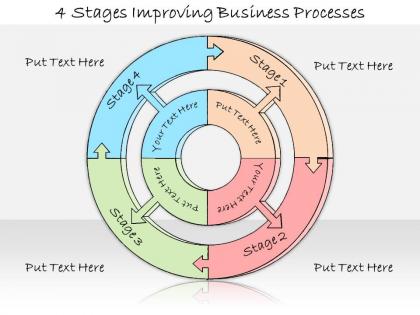
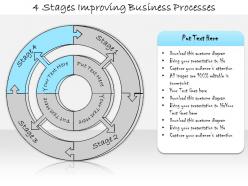
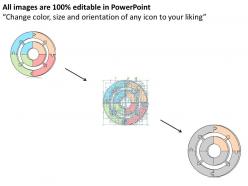
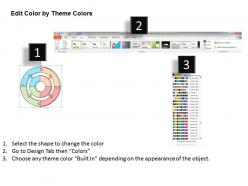
Use our business PPT diagram to analyse your business model with a 4 stages process design. This business wheel PowerPoint diagram is also used to divide the processes in 4 main steps in any business model of a company or firm. This PPT diagram is fully editable as the font, color and size of the business wheel diagram can be altered by will. The 4 quadrants of the round business diagram contain further sub-parts which can be used as an effective PowerPoint shape to reflect professionalism in your business PPT. The cycle in this wheel can be used to run clockwise or anti-clockwise as according to the requirement of the user in this slideshow. Download this presentation for a detailed explanation of the cyclic processes and business strategy to be implemented. Enthuse them with our 1013 Business Ppt Diagram 4 Stages Improving Business Processes Powerpoint Template. Break through the initial diffidence.
People who downloaded this PowerPoint presentation also viewed the following :
1013 business ppt diagram 4 stages improving business processes powerpoint template with all 9 slides:
Christen your thoughts with our 1013 Business Ppt Diagram 4 Stages Improving Business Processes Powerpoint Template. They will create a brand of their own.

FAQs for 1013 business ppt diagram 4 stages improving business
Look, you want to track four main things: how fast stuff gets done (cycle time, throughput), quality stuff like error rates, what it costs per unit, and whether customers are happy. Don't go crazy measuring everything though - I learned that the hard way. Pick maybe 3-5 metrics that actually matter to your business goals. Oh, and check if your employees like the process too since they're doing the actual work. Start with where you're at now, then set targets you can realistically hit. Only track what you can actually change or it's pointless.
Honestly, start with whatever's making your team want to scream - probably data entry or invoicing, right? Automate that mess first. I'd grab some workflow software to map out your processes because you'll find bottlenecks you never noticed. Cloud tools are a lifesaver for keeping everyone on the same page without drowning in emails. Oh, and get an analytics dashboard so you can actually see what's happening in real-time instead of guessing. Don't go crazy though - pick one annoying process, fix it, then move to the next. You'll get addicted to the efficiency gains pretty quick.
Your frontline people are goldmines for this stuff. They're stuck dealing with broken processes daily while you're up in meetings, so they know exactly what's slowing everything down. Honestly, some of the best fixes I've seen came from just asking "what pisses you off most about your job?" But here's the thing - you need them to actually trust you won't throw them under the bus for being honest. Maybe try those quick anonymous surveys or just grab coffee with different people. Those casual conversations usually reveal way more than formal feedback sessions ever do.
So here's the thing - people won't suggest changes if they're scared it'll backfire on them. Celebrate when someone speaks up, even if their idea flops. Give them actual time to experiment (like 10% of their week maybe?) and track what works. I learned this the hard way, but you've gotta ask "how can we improve this?" constantly and then actually use their suggestions. Oh, and make it super clear that questioning a dumb process isn't the same as questioning you as their boss. That distinction matters way more than you'd think.
Oh man, the biggest thing is people jump straight into changes without even figuring out what they're currently doing. Super common mistake. Also don't skip getting buy-in from your actual workers - they're the ones who'll make or break this stuff. Keep solutions simple too, honestly the fanciest option usually isn't the right one. Test everything with a small group first instead of going company-wide immediately. And measure your current performance before you change anything! Otherwise you're just guessing if it worked. Start small, loop in frontline people early, and yeah... always have a backup plan ready.
Honestly, customer feedback is like having a spy network inside your own business. They'll tell you exactly where your processes are breaking down - way more honest than any internal review. Look for patterns in what pisses people off most. Those complaints usually point to the worst bottlenecks or pointless steps that nobody internally wants to admit suck. Set up ways to actually hear from them regularly - surveys work, but even random check-ins can be gold. The tricky part isn't collecting feedback though, it's not letting it sit in some folder gathering dust while you keep doing the same broken stuff.
Honestly, Lean and Six Sigma are your best bet here. Lean cuts out waste and speeds things up, while Six Sigma fixes quality problems. Most places I know combine them - way more effective that way. Agile's pretty popular now too if you need quick changes. Oh, and start with Lean basics first. They're not as intimidating and you'll actually see results fast, which is huge for getting people on board. Six Sigma can feel overwhelming at first but it's worth it once you get rolling.
So process mapping is basically drawing out how work actually moves through your team - and wow, it's always way more chaotic than you'd expect. You'll spot bottlenecks right away. Also those annoying redundant steps everyone complains about. I swear, seeing it visually makes the problems so obvious. Then you can figure out what to automate or where people are doing unnecessary handoffs. Pick one process that's been driving your team nuts and map that first. The fixes will jump out at you once it's all drawn out - it's honestly pretty satisfying.
Start by mapping what you're doing now - sounds boring but you'll spot the obvious bottlenecks right away. Get everyone on board early because I've seen too many great ideas die from office politics. Test it small first, maybe just one team or department. Document the hell out of everything (your future self will thank you). Train people properly - half-assed training kills even good processes. Here's the thing though: your first version will probably suck a little. That's normal. Keep tweaking based on real data, not gut feelings. It's more about small improvements over time than some massive overnight change.
So here's the thing - when you get different departments working together, you'll actually see where stuff breaks down between teams. Each group thinks certain problems are someone else's headache, but suddenly everyone's like "oh THAT'S why this always gets stuck here." You catch redundancies and handoff issues that were invisible before. Honestly, it's kind of obvious once you see it. The solutions stick better too since everyone helped create them. Just make sure you're talking to people who actually do the work daily, not their bosses.
Honestly, AI just takes all that boring repetitive stuff off your plate and makes everything way faster. What used to eat up hours now gets done in minutes - and with fewer mistakes too. The best part? It doesn't steal your job, it actually lets you focus on the fun strategic stuff that needs real thinking. Some tasks will run completely on autopilot while others get these crazy predictive features. Oh, and definitely start with whatever manual process currently makes you want to bang your head against the wall - that's your goldmine right there.
Look at which processes hit customers directly AND make your team want to pull their hair out daily. Those are your targets. Make a quick 2x2 grid - impact vs effort needed. Yeah, easy wins feel good for morale, but honestly? The big scary ones might actually change everything. I've watched companies waste months on stuff that barely registers with anyone. Don't do that. Maximum 3 processes to start. Trust me on this - any more and you'll be juggling chaos instead of fixing anything meaningful.
Honestly, you've got to bake sustainability right into the process from the start - can't just slap it on later. Write everything down so people actually know what they're supposed to do differently. Monthly check-ins are clutch for catching when things start sliding back to the old way. And seriously, don't skip training! People need to get why you're changing things, not just what's changing. I swear, half the process improvements I've seen tank because some exec got distracted by the next big thing. Pick one recent change you made and set up those monthly reviews. Measure what matters and actually celebrate when it works.
Think of regulations like bumpers at a bowling alley - they're your non-negotiable boundaries. You've got to bake compliance checkpoints and documentation right into your process from day one. Trust me, retrofitting that stuff later is a nightmare. When you're tweaking existing processes, regs will block you from cutting certain steps even when they feel pointless. I learned this the hard way on a project last year. Map out your regulatory must-haves first, then work your magic optimizing around them. It's annoying but beats dealing with auditors breathing down your neck later.
Honestly, just grab some free tools to start - process mapping software or even Google Docs works fine. Time your actual tasks vs. what you think they should take. That gap will surprise you. Your employees are gonna be your best resource here since they deal with the annoying stuff daily. I'm obsessed with the "5 whys" method - keeps digging without paying some consultant ridiculous fees. Pick one process though, don't try fixing everything simultaneously because that's chaos. Make one tiny change this week. Measure what happens, then move forward.
-
good
-
Designs have enough space to add content.
-
Unique and attractive product design.