Agile Delivery Powerpoint Presentation Slides

Rating:
93%
Agile Delivery Powerpoint Presentation Slides
Slide 1 of 60
Favourites Favourites

Try Before you Buy Download Free Sample Product

Audience Impress Your
Audience
Editable 100%
Editable
Time Save Hours
of Time
The Biggest Sale is ending soon in
0
0
:
0
0
:
0
0
Rating:
93%
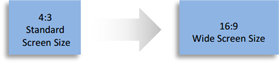
It has PPT slides highlighting important topics of Agile Delivery Powerpoint Presentation Slides. Each template is well crafted and designed by our PowerPoint experts. The best part is that these templates are easily customizable. Edit the color, text, font size, add or delete the content as per the requirement. The templates are compatible with Google Slides so it can be easily accessible. It can be saved into various file formats like PDF, JPG. And PNG. It is available in both standard and widescreen formats.
People who downloaded this PowerPoint presentation also viewed the following :

FAQs for Agile Delivery

So basically agile throws out all that upfront planning stuff and focuses on short bursts of work instead. You build something small, get feedback, then adjust - way less stressful than trying to predict everything months ahead. The whole point is working with customers throughout, not just at the end when it's too late to change anything. Your team gets to actually make decisions instead of following some rigid playbook. Honestly, the "fail fast" mentality felt weird at first but it works. Start tiny - find the smallest thing you can deliver and see what people think.

So basically agile gets everyone working together instead of that whole "finish your part then toss it to the next person" thing. Daily standups help - everyone just quickly says what they're doing. Then you do retrospectives to figure out what's actually working (spoiler: usually not everything lol). The cool part is developers, designers, testers are all tackling the same stuff simultaneously rather than waiting around for each other. Think of it like a band jamming together vs everyone recording separately. Honestly, just start with daily check-ins and you'll see communication get way better pretty fast.

So the Product Owner is like your translator between business folks and developers. They write user stories, decide what goes in each sprint, and answer all those "wait, what did you actually want here?" questions from the dev team. Pretty much they're the ones who say yes or no when work gets done - does it match what was asked for or not? Honestly, half their job is just prioritizing the backlog because there's always way more ideas than time. My advice? Get on the same page with your PO early about what matters most, otherwise you'll be constantly shifting gears mid-sprint.

Track delivery stuff like velocity and lead time, but honestly? Those numbers are pretty useless if customers hate what you're building. Business value and customer satisfaction matter way more. Oh, and don't forget team happiness - burned out devs ship garbage code. I'd start with maybe 3-4 metrics that actually match your goals. Once you get a baseline going, you can always add more later. The key is measuring both the "how fast" and the "how good" parts.

Dude, scope creep will kill you - stakeholders always want "just one more feature" and before you know it, your sprint's a mess. Get a product owner who's not afraid to push back. Daily standups are usually garbage status updates, so make them actually solve problems instead. Oh, and those people who hate change? Involve them early and show some quick wins - works way better than fighting them. Your retrospectives need to be brutally honest too. That's where you'll catch the real issues screwing up your delivery before they get worse.

Scrum's the go-to framework that makes agile actually work in real life. Basically you break work into 2-week sprints, do daily standups, then review and improve after each cycle. Three main roles handle different stuff - Product Owner, Scrum Master, and the dev team. Honestly, it's like training wheels but the kind you don't feel embarrassed using. Perfect if you're just getting into agile. I'd try the basic ceremonies first and see what clicks with your team. Don't customize anything yet - that always backfires when you're starting out.

Honestly, agile is a game-changer for getting stuff out faster. You're shipping working features every 2-4 weeks instead of waiting forever to build some "perfect" product. Real users give you feedback early, so you don't waste months building the wrong thing - been there, done that. Your competition can't catch up while you're stuck in development hell either. Oh, and definitely start timing your current process now so you can actually see the improvement later. It's probably the main reason most companies switch to agile in the first place.

Yeah, distributed Agile is totally doable! Time zones are honestly such a headache though - you'll need overlapping hours and maybe rotate meeting times so it's fair. Daily standups over video help keep that connection, but you can't just walk over and ask questions anymore. Documentation becomes your best friend - keep those boards updated religiously. Oh, and async updates are clutch for staying in sync. Pick tools everyone actually likes using (not just whatever's cheapest). Set communication rules early or things get messy fast. It's definitely more work than co-located teams, but it works.

Start with Jira or Azure DevOps for managing sprints - they're pretty much the standard. Slack keeps everyone talking between standups and retros. Git is non-negotiable for version control, whether you use GitHub or GitLab. CI/CD stuff like Jenkins will save your sanity once you get it working (though setup can be annoying at first). Miro's great for remote planning sessions. Honestly, I'd pick one tool from each category and see what breaks first. Your team will tell you what's missing way better than any blog post can.

So with Agile, you're basically doing mini check-ins every 1-2 weeks instead of waiting months to realize everything's broken. Those retrospectives are where the magic happens - you look at what sucked, what didn't, and fix it right away. Daily standups help catch problems early too (though honestly, some days they feel pointless). The whole thing works because you're getting constant feedback from users and stakeholders. If something's not working, you can pivot fast. My advice? Start with just weekly retros if you're new to this stuff. Even that small change will make your projects way better over time.

Honestly, user feedback is what stops you from wasting months building something nobody wants. Get validation early - even when your feature looks rough around the edges. Real users tell you if you're solving actual problems, not imaginary ones. Your backlog gets way better priorities too since you're working on stuff people genuinely need. I've seen teams skip this step and regret it later when they have to completely pivot. Users also love feeling heard, so it's kind of a win-win. They become your unofficial QA team who actually cares about the outcome.

Look, they're basically made for each other. Agile gives you the roadmap - short sprints, constant feedback, actually shipping stuff that works. DevOps picks up where that leaves off and automates all the messy deployment stuff. What I love about both is they ditch the whole "throw it over the wall" mentality. Your dev and ops people actually talk to each other, which honestly should've been happening all along. The magic happens when your sprint reviews start driving improvements in your CI/CD pipeline. Short version: one handles the process, the other handles the plumbing.

Honestly, start with communities of practice - get your Agile teams talking to each other and sharing what actually works. The frameworks like SAFe or LeSS are super helpful for coordinating multiple teams, though fair warning, the acronyms will make your head spin initially. Training and coaching is where you can't cheap out - I've seen too many companies try to scale without people really getting Agile principles. Break down those department silos while you're at it. Oh, and don't go crazy right away. Pick 2-3 departments for pilots first, then expand from there once you've worked out the kinks.

Yeah, agile stuff definitely works outside coding! I've seen it in manufacturing where teams do weekly check-ins and tweak things as they go. Works great for marketing campaigns too - way better than planning everything upfront then realizing it sucks six months later. Break your work into smaller pieces, get feedback fast, and don't be stubborn about changing direction. Even restaurants use it for menu development, which honestly makes total sense when you think about it. Figure out what your "deliverable" looks like, then build ways to get people's input regularly. Construction teams are doing this now too.

Honestly, the key is making people feel safe to actually speak up - otherwise you'll just get crickets or fake positivity. I usually go with something simple like "start, stop, continue" to keep it structured. Don't let these things drag past 90 minutes though, people check out mentally. Pick maybe 2-3 actual action items instead of just complaining about stuff. Oh, and this is huge - you've gotta follow through on what you committed to last time. If you don't, nobody's gonna bother participating anymore. Try having different people run it too, keeps things fresh and you'll get different perspectives.

Ratings and Reviews

93% of 100
Write a review
Most Relevant Reviews
  1. 100%

    by Emma Wisener

    I got the subscription for my Company. Now, none of us have to go through the trouble of designing a presentation from scratch. Time saved
  2. 100%

    by Miller Rogers

    Nice and innovative design.
  3. 80%

    by Edmundo Watkins

    Really like the color and design of the presentation.
  4. 80%

    by Alexander Ramirez

    Great designs, really helpful.
  5. 100%

    by Charley Bailey

    Use of icon with content is very relateable, informative and appealing.
  6. 100%

    by Dylan Richards

    Very well designed and informative templates.

6 Item(s)

per page: