

Agile Planning Powerpoint Presentation Slides






Try Before you Buy Download Free Sample Product
 Impress Your
 Audience
 100%
100% Editable
 Save Hours
 of Time


Agile planning is simply assessing how quickly a team can transform user stories into functioning, production-ready software and then utilising that to predict when they'll be finished. The team velocity is the rate at which we convert user stories into functional software. It's how we measure our team's productivity and establish future delivery deadlines. The agile iteration - one to two week sprints of work in which we transform user stories into functioning, production-ready software - is the driving force behind getting things done. SlideTeam’s agile technology PowerPoint templates provide all the information you need to get started with agile planning. With our templates, you can create beautiful and informative slides that will help your team understand the basics of agile methodology. Plus, our templates are easy to use and customizable, so you can make them fit your own unique needs. Download our agile technology ppt templates now and start planning your next project in a more efficient way.
People who downloaded this PowerPoint presentation also viewed the following :
Content of this Powerpoint Presentation
Slide 1: This slide introduces Agile Planning. State your Company name and Begin. State Your Company name and begin.
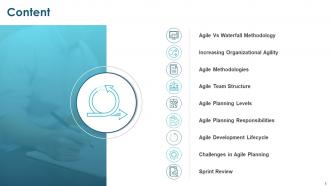
Slide 2: This slide displays Content of the presentation.
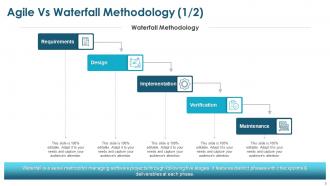
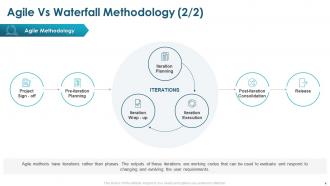
Slide 3: This slide depicts Agile Vs Waterfall Methodology.
Slide 4: This slide displays Agile Vs Waterfall Methodology.
Slide 5: This slide depicts Increasing Organizational Agility.
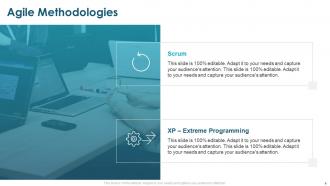
Slide 6: This slide displays Agile Methodologies.
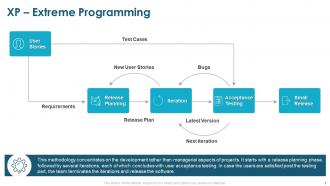
Slide 7: This slide showcases XP – Extreme Programming.
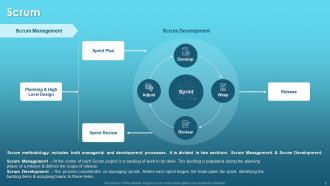
Slide 8: This slide describes Scrum with management, methodology and development.
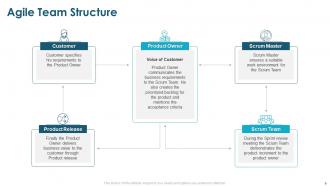
Slide 9: This slide depicts Agile Team Structure.
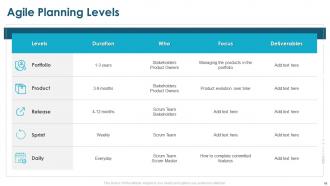
Slide 10: This slide describes Agile Planning Levels.
Slide 11: This slide displays Agile Development Lifecycle.
Slide 12: This slide showcases Challenges in Agile Planning.
Slide 13: This slide displays Sprint Review.
Slide 14: This is Agile Planning Icons Slide.
Slide 15: This slide is titled as Additional Slides for moving forward.
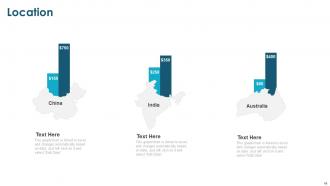
Slide 16: This slide depicts Location.
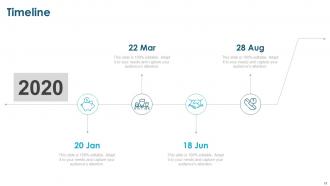
Slide 17: This slide displays Timeline process.
Slide 18: This is 30 60 90 Days Plan slide.
Slide 19: This is Financial slide. Showcase finance related stuff here.
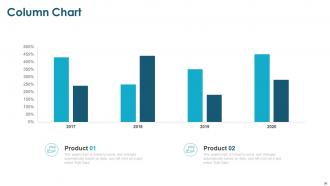
Slide 20: This slide depicts Column Chart with products comparison.
Slide 21: This is Thank You slide with Address, Email address and Contact number.
Agile Planning Powerpoint Presentation Slides with all 21 slides:
Use our Agile Planning Powerpoint Presentation Slides to effectively help you save your valuable time. They are readymade to fit into any presentation structure.







FAQs for Agile Planning
Honestly, the biggest shift is just rolling with changes instead of pretending you can predict everything upfront. Break stuff into 1-2 week chunks and expect your plans to change - that's the whole point. Traditional planning where you map everything out at the start? Total waste of time in my experience. Focus on getting working software out fast, then iterate based on feedback. Your team gets way more say in decisions too, which is actually refreshing. Oh, and you're basically planning constantly now instead of doing one massive planning session. Try splitting your next project into 2-week pieces and see how it goes.
Honestly, Agile is a game-changer for team communication. Daily standups and sprint planning get everyone talking instead of working in their own little bubbles. You're always sharing what's blocking you, what you're tackling next. Way better than those never-ending email threads we all hate. Short sprints mean you catch problems early - like, before they completely mess up your timeline. Everyone can see the priorities clearly, so when someone's stuck, others actually know how to help. Oh, and if you're just starting out? Try 15-minute daily check-ins first. Don't go crazy with all the ceremonies at once. You'll notice the difference pretty much right away.
Your backlog is basically where all your user stories and features live - keep the highest priority stuff at the top. I'd schedule weekly grooming sessions with your team to break down big items and estimate work. Don't let it turn into a junk drawer though! Remove outdated stories regularly and work with stakeholders to keep priorities fresh. The items at the top should be sprint-ready for your team. Honestly, I've watched so many backlogs become complete disasters because teams just dump everything in there and forget about it. Keep refining those stories consistently.
Skip the hour estimates - they're always wrong anyway. Use story points or t-shirt sizes instead. Planning poker is solid for this - everyone votes at once, then you hash out the big differences. Compare stories to each other rather than obsessing over perfect numbers (which honestly don't exist). Look at effort, risk, and what you don't know yet when sizing stuff. Pick a few baseline stories everyone agrees on first. Those become your reference point for everything else. After a few sprints, check your actual velocity - that's the real data you need for planning. Way more reliable than whatever estimates you cooked up in meetings.
So MoSCoW is probably your best bet - the whole Must/Should/Could/Won't thing. Super easy to explain to stakeholders. Value vs effort grids are solid too, especially when you need those quick wins to keep everyone happy. Story mapping's awesome if your team's visual. You map out the user journey and boom - you know what actually matters. Oh, and Kano analysis breaks down features by how much users give a damn about them. Honestly though? Teams get way too caught up choosing the "perfect" method. Just pick whatever feels right and run with it for a few sprints. You'll figure out what clicks.
So agile basically works in short sprints where you can adjust things as you go. Your backlog stays flexible - honestly way better than those old waterfall projects where you're stuck with bad decisions from months ago. Change becomes your friend instead of this scary thing to avoid. Regular sprint reviews help you figure out what's actually working. Oh, and retrospectives too - those are clutch. Think of requirements more like educated guesses you're testing out. When something doesn't make sense anymore, you just pivot. It's pretty freeing once you get used to it.
Honestly, daily stand-ups are a game changer for Agile teams. They catch blockers and scope creep early - way before things go sideways. I've watched teams skip them and then act surprised when sprints fail. What's blocking you? What did you finish yesterday? What's next today? Those three questions give you real visibility into whether your sprint goals are actually doable. The trick is staying focused on progress, not just rambling status updates. Oh, and don't let people turn it into a full planning session - that's a different meeting entirely. Keep it tight and you'll save yourself tons of headaches later.
Honestly, agile works great for remote teams - maybe even better than in-person sometimes. Those daily standups and sprint planning sessions? They're actually smoother when everyone's on the same video call instead of some people being awkwardly remote. You'll want decent tools like Miro or Jira for your planning boards. The short sprint cycles are clutch because you're constantly realigning, which helps when your team's spread across different time zones. Can't just tap someone on the shoulder anymore, right? Set up good digital boards and make sure people can jump in asynchronously when they need to.
Dude, biggest mistakes? Don't try planning everything upfront - learned that one the hard way. Your requirements will change anyway, so just plan like 1-2 sprints ahead max. Keep that backlog loose. Also, never let stakeholders treat your estimates as promises. They're guesses! I swear, some managers act like estimates are carved in stone. Embrace the chaos instead of fighting it. Start small with planning sessions and figure out what clicks with your team. Oh, and priorities will definitely shift - just roll with it.
So basically you ditch the whole "plan everything upfront" thing and work in short bursts instead. Plan detailed stuff for your current sprint, rough ideas for what's next. Honestly took me forever to get comfortable with this approach, but now I love it. Every couple weeks you're reassessing what matters most, which makes everything way more flexible. The whole point is getting working software out fast so you can see what actually works - then pivot if you need to. Way better than spending months planning something nobody wants.
Look, velocity and sprint goal achievement are your bread and butter - track story points completed per sprint and whether you're actually hitting what you planned. Cycle time matters too (creation to completion). Planning accuracy is huge - are your estimates even close to reality? Burndown charts are fine but honestly they get weird when scope shifts mid-sprint, which happens more than we'd like. Don't forget the human stuff though. Customer satisfaction and retro feedback tell you what the numbers can't. Start with velocity and goals first - they'll show you if your planning actually works or just looks pretty.
Your Product Owner handles the *what* - they're prioritizing backlogs, writing user stories, making those brutal calls about which features to cut. The Scrum Master tackles the *how* part, running your sprint planning meetings and helping everyone estimate stuff realistically. Honestly, I've seen teams struggle when one of these roles is weak or missing entirely. Think of it like this: PO brings the business side while your SM keeps the planning process from going completely off the rails. Both need to show up to planning sessions or you'll feel it. They're basically two halves of the same coin.
Honestly, just bring them into the actual process instead of keeping them on the sidelines. Weekly check-ins with your key people work wonders. Show them sprint planning, demos, the whole thing - they'll trust you way more when they see what's actually happening instead of getting some fancy slideshow later. Burndown charts are your friend here, stakeholders love seeing visual progress they can actually make sense of. Oh and this part's huge - actually listen when they give feedback and let it change your backlog priorities. Otherwise they'll feel like you're just going through the motions.
Look, those agile meetings actually serve a purpose - they're like checkpoints that stop your project from going off the rails. Sprint planning gets everyone on the same page about what you're building. Daily standups? Perfect for catching problems before they blow up. And honestly, retrospectives are pure gold for figuring out what's broken (we always find weird stuff in retros). Sprint reviews keep stakeholders happy because they see actual progress instead of getting buried in status emails. The trick is making your team see these as real conversations, not just another meeting to sit through. Trust me, it makes a huge difference.
Jira's your go-to if you want all the bells and whistles - crazy detailed reporting and you can customize workflows however you want. But honestly? Trello might be perfect if your team's smaller. I'm obsessed with how clean it looks. Azure DevOps is solid when you're already using Microsoft stuff everywhere. Oh, and for estimation sessions, Planning Poker Online works great. Miro's what we use for retros and story mapping - way better than trying to do that stuff over Zoom with sticky notes. My advice? Don't overthink it. Pick whatever your team will actually use instead of the fanciest option that'll collect digital dust.
-
Awesome Agile planning presentation. Beautiful design with quick turnaround with edits.
-
Attractive design and informative presentation.
-
Innovative and attractive designs.
-
Amazing product with appealing content and design.