

Agriculture Technology Powerpoint Ppt Template Bundles




Try Before you Buy Download Free Sample Product
 Impress Your
 Audience
 100%
100% Editable
 Save Hours
 of Time


Our Agriculture Technology Powerpoint Ppt Template Bundles are topically designed to provide an attractive backdrop to any subject. Use them to look like a presentation pro.
People who downloaded this PowerPoint presentation also viewed the following :
Agriculture Technology Powerpoint Ppt Template Bundles with all 22 slides:
Use our Agriculture Technology Powerpoint Ppt Template Bundles to effectively help you save your valuable time. They are readymade to fit into any presentation structure.
-
Agriculture Technology
-

Artificial intelligence technology usage in agriculture
-
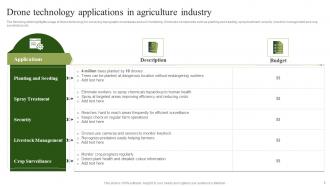
Drone technology applications in agriculture industry
-

Blockchain technology use case in agriculture industry
-
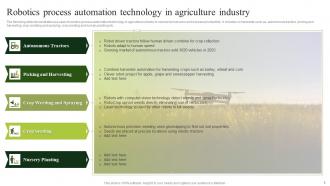
Robotics process automation technology in agriculture industry
-
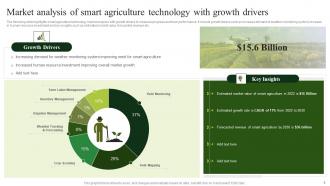
Market analysis of smart agriculture technology with growth drivers
-
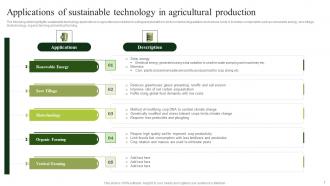
Applications of sustainable technology in agricultural production
-
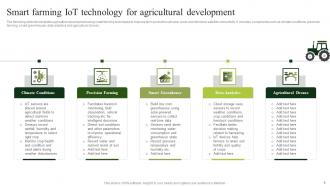
Smart farming IoT technology for agricultural development
-
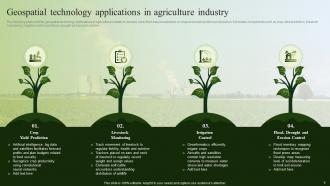
Geospatial technology applications in agriculture industry
-
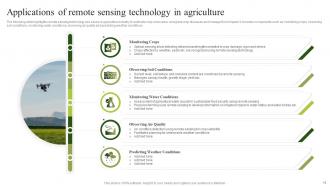
Applications of remote sensing technology in agriculture
-
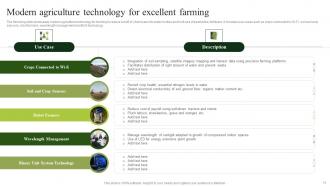
Modern agriculture technology for excellent farming
-
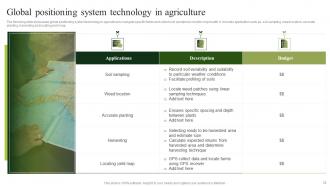
Global positioning system technology in agriculture
-
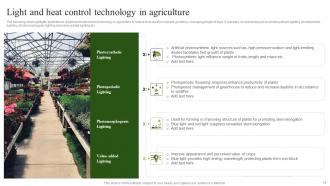
Light and heat control technology in agriculture
-

Hydroponic gardening technology icon for agriculture
-
Mobile application for pest control to optimize agriculture technology icon
-
Drone technology icon for agriculture development
-

Thanks for watching
-

-

-

-

-

FAQs for Agriculture Technology Powerpoint
Dude, the precision stuff is getting insane - computer vision that can target individual plants down to millimeters. Autonomous tractors are literally working fields all night without drivers, which still blows my mind honestly. Variable rate tech has improved a ton too, so you can adjust everything in real-time based on what the soil's telling you. Oh, and soil sensors are probably your best starting point since they're not crazy expensive and actually pay themselves off pretty fast. The ROI numbers I've seen make a solid case for jumping in there first.
Honestly, drones are a game-changer for monitoring crops. Real-time aerial shots let you catch pest problems, diseases, and nutrient issues way before they get out of hand. Those multispectral cameras? They're wild - they see plant stress your eyes totally miss. Instead of walking fields for hours, you'll cover everything in minutes. You can track growth stages, map yield differences, even do targeted spraying. My buddy started with just basic RGB imaging to get the hang of it first - probably smart since the tech can feel overwhelming at first. Worth upgrading to fancier sensors later though.
So basically IoT turns your whole farm into this connected network of sensors that do the monitoring work for you. You'll get real-time data on soil moisture, temperature, crop health, livestock - all straight to your phone. Honestly, it's pretty crazy how we went from walking fields to getting pinged about problems. The sensors help optimize irrigation and catch diseases early. You only fertilize where it's actually needed, which cuts waste. Plus the data beats guessing when it comes to planting and harvest timing. My advice? Start with soil sensors in just one field first and see how it affects your yields.
Dude, farming's getting crazy with AI stuff. Drones can spot crop diseases before they spread, and the sensors analyze soil/weather data to nail irrigation timing. Autonomous tractors are already running themselves - saves tons of labor costs. There's also livestock monitoring that tracks animal health around the clock, which honestly seems a bit much but farmers swear by it. Computer vision for crop monitoring is where the real money is right now if you're thinking business opportunities. The yield prediction accuracy is actually pretty impressive too. It's wild how tech's changing agriculture this fast.
Dude, vertical farming is actually insane for yields - you can stack growing layers and use like 95% less land than regular farming. Weather doesn't matter since it's all indoors, so you get harvests year-round. Water usage drops by 70% with hydroponics, and no pesticides needed either. Honestly, the coolest part is you can literally build these anywhere - cities, deserts, whatever. My cousin looked into this last year and said the key is figuring out which crops make the most money first. Makes sense I guess.
Honestly, blockchain is pretty game-changing for tracking food. Each product gets this tamper-proof record that follows it from farm to store - when it was picked, processed, who touched it, all that stuff. Think of it like a digital passport that can't be faked. Super helpful when there's contamination and you need to trace it back fast. Plus buyers love being able to verify organic claims and fair trade stuff. I'd say try it with just one crop first though - see if it actually makes your relationships with buyers better before going all in.
Yeah, automation cuts down on manual labor for sure - less need for people doing the repetitive stuff like harvesting and spraying. Honestly though, a lot of that work is brutal on your body anyway. The trade-off is you'll need more tech-savvy folks year-round instead of seasonal workers. Think equipment repair, data analysis, that precision ag stuff. My cousin's farm went through this transition last year and it was rough at first. But if I were you, I'd retrain your current crew for these new roles rather than just letting people go. Way better approach.
Honestly, big data's a game changer for farming now. Track soil moisture, weather, crop yields, market prices - way better than just winging it. The crazy part? This tech used to cost a fortune but now you can get affordable sensors and satellite feeds that push real-time data straight to your phone. Spot issues early, nail your planting timing, figure out which fields will actually make money. My advice though - don't go all in at once. Pick something specific like irrigation or when to fertilize, get the hang of reading that data first. Then branch out from there once you're comfortable.
Honestly, there's some pretty wild stuff happening right now. Drones and IoT sensors are helping farmers track water usage and spot crop stress before it gets bad. Vertical farming is blowing up too - way less water and land needed. CRISPR gene editing is creating crops that can actually survive droughts and heat waves, which is crazy when you think about it. Smart irrigation plus AI weather prediction are total game-changers for not wasting resources. Oh, and definitely look into what John Deere and Indigo Agriculture are doing with their data platforms - they're leading this whole movement.
Honestly, money's gonna be your biggest headache - margins are already tight and new tech ain't cheap. Learning curve can be rough too, especially if your crew isn't great with technology. Rural internet is trash half the time which makes everything worse. Data management gets messy fast, plus your old equipment might not play nice with the new stuff. My advice? Pick one thing, master it, then move on to the next. Don't try to upgrade everything at once or you'll go crazy.
Dude, farming apps are seriously impressive these days. Weather forecasts, real-time crop prices, soil data - it's all there. You can literally snap a photo of a sick plant and get a diagnosis, which honestly blows my mind. The networking stuff is clutch too - connecting with ag experts and other farmers for advice. Oh, and market info updates instantly so you're not stuck guessing prices. I'd start with weather and market apps first since those help with everyday decisions. My cousin swears by them and he's been farming for like 20 years.
Honestly, GMOs are pretty promising for sustainable farming. You can cut down on pesticides and get crops that handle drought way better. Plus higher yields mean we don't have to destroy more land for agriculture - which is huge. The regulatory maze is still a nightmare though, so rollout takes forever. Climate-resilient stuff is where all the exciting work is happening right now. Crops that basically laugh at water shortages or naturally tell pests to buzz off. Tech keeps improving and farmers can actually stay profitable while being more eco-friendly. That's the sweet spot you want if you're diving into this area.
Dude, you should definitely try remote sensing - it's like having X-ray vision for your crops. Drones and satellites pick up stuff you can't see, like which plants are stressed or getting sick before it's obvious. Way better than walking around taking random samples, honestly. The multispectral cameras show soil moisture levels and nutrient problems across your whole field in real time. Plus you'll get yield predictions months early, so you can tweak irrigation or fertilizer schedules. I'd start with a drone on just one section first - the tech has gotten crazy good lately and it's not as expensive as you'd think.
So there's some really cool stuff happening with precision biocontrol - they release specific beneficial insects that only go after the pest species. Pheromone traps are getting way better too, plus this RNA interference tech that messes with pest reproduction cycles. The AI monitoring systems are honestly pretty impressive now, using computer vision to catch outbreaks early before they blow up. Oh, and definitely check out integrated pest management programs through your local extension office - a lot of them are testing this stuff right now. That's probably your best starting point rather than trying to figure it all out solo.
Honestly, farmers are getting pretty creative with this stuff. Solar panels run irrigation pumps - super helpful when you're dealing with remote fields where connecting to the grid costs a fortune. Wind turbines power grain dryers, and there's this cool biogas thing where they turn farm waste into electricity. Solar also works great for cooling systems to store produce. My cousin's been looking into it for his operation actually. Oh, and definitely check what your state offers for ag renewable incentives - the payback can be way better than you'd think. Some of these projects basically pay for themselves.
-
Satisfied with the way SlideTeam resolved my query regarding the right business PPTs that I was having difficulty finding. I found the perfect match with their assistance.
-
Informative and engaging! I really like the design and quality of the slides.