


AI And 5g Powerpoint Ppt Template Bundles




Try Before you Buy Download Free Sample Product
 Impress Your
 Audience
 100%
100% Editable
 Save Hours
 of Time


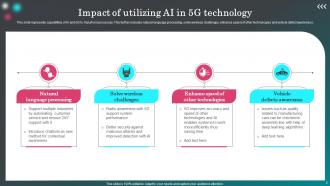
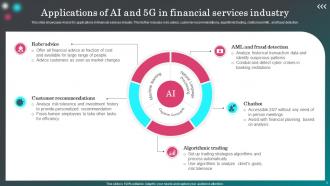
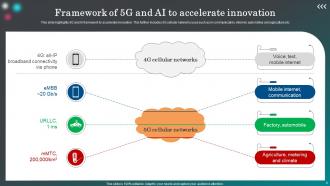
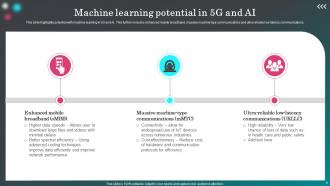
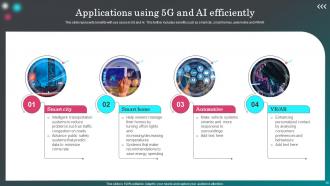
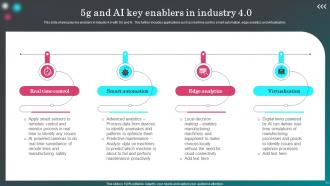
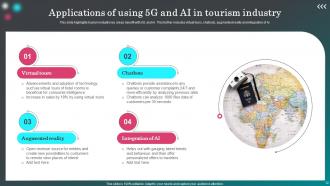
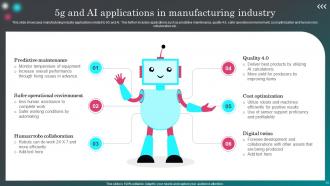
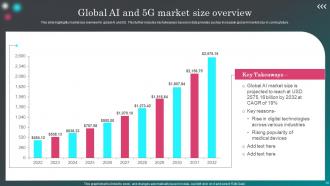
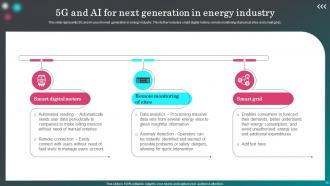
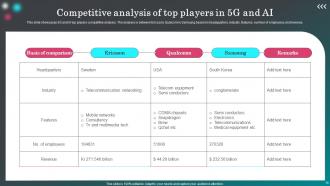
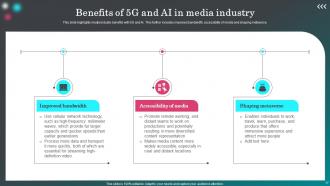
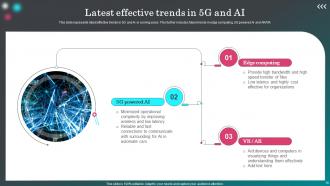
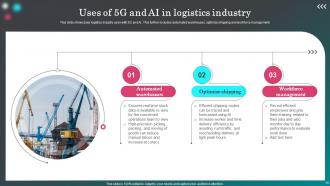
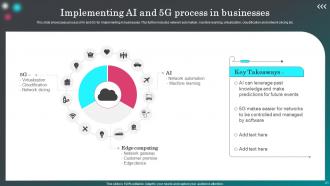
Introducing our cutting edge PPT on 5G and AI, a game changing fusion of technologies that will redefine the future. This comprehensive presentation delves into the symbiotic relationship between 5G and AI, showcasing their immense potential to revolutionize industries. Witness the seamless integration of machine learning, empowering 5G networks to adapt dynamically and optimize performance. Experience the power of intelligent retrieval, as AI algorithms efficiently process vast data streams, delivering real time insights at unprecedented speeds. Unravel the potential of expert systems, where AI driven decision making enhances network management and resource allocation, ensuring unparalleled efficiency and reliability. With this PPT, youll grasp the full scope of 5G and AI synergy, unlocking a realm of possibilities for enhanced automation, remote communication, and IoT applications. Embrace the future with our illuminating 5g technology ppt presentations.
People who downloaded this PowerPoint presentation also viewed the following :
AI And 5g Powerpoint Ppt Template Bundles with all 34 slides:
Use our AI And 5g Powerpoint Ppt Template Bundles to effectively help you save your valuable time. They are readymade to fit into any presentation structure.










FAQs for AI And 5g Powerpoint
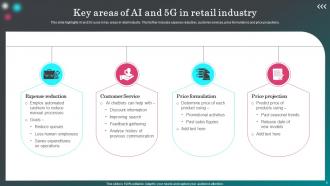
So AI is basically like having a really smart traffic cop for your 5G network. It handles all the crazy optimization stuff that would make human operators lose their minds - predicting when things'll get congested, moving bandwidth around automatically, managing handoffs between towers. The whole thing learns from patterns to stop outages before they happen. Honestly, it's pretty wild how well it works. My advice? Build AI management into your 5G setup from day one. Trust me, retrofitting that stuff later is a nightmare you don't want to deal with.
So AI is basically like having a really smart traffic controller managing your 5G data flow. It predicts where bottlenecks will happen and automatically reroutes packets through faster paths. Critical apps get priority treatment too. Picture a GPS that's constantly finding new routes around jams, except it's your data getting the shortcuts. The compression algorithms are pretty slick - they'll squeeze more efficiency out of your bandwidth while processing stuff at the edge before hitting the cloud. Response times get way better. Honestly, if you're doing network upgrades anyway, I'd start with AI orchestration tools first.
So 5G + AI analytics is pretty wild - you can crunch huge amounts of data instantly right where you need it. No more waiting for stuff to ping back and forth to some server halfway across the country. Autonomous cars can actually react fast enough to matter, factories spot issues before they blow up. The latency is so low it's almost weird at first. Short version: if you're doing any IoT stuff, this combo unlocks things that were basically impossible before. Honestly feels like we skipped a generation of tech or something.
So basically ML can tell you when your 5G gear's about to die before it actually craps out on you. The algorithms look at performance data, temps, how components are acting - all that stuff - and catch warning signs way before humans would notice anything weird. Pretty neat actually. You get to do maintenance during slow periods instead of dealing with outages at like 3am when everyone's binge-watching whatever. Just make sure you're feeding it good historical data so it knows what normal behavior looks like for each piece of equipment. Game changer honestly.
Dude, AI basically handles all the tedious stuff in 5G rollouts. Instead of spending weeks manually setting up base stations, it crunches population data and traffic patterns to configure everything in hours. Pretty insane how much time that saves. It'll also do the boring maintenance work - load balancing, spotting faults, all that jazz - so your team doesn't have to monitor things constantly. Honestly, I'd just look at whatever tasks eat up most of your time right now. Those are perfect for automation.
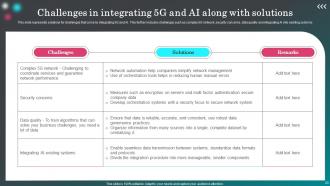
Dude, it's basically a nightmare scenario. You've got millions of connected devices that can think for themselves - huge attack surface. AI systems get tricked by bad data all the time, which is terrifying when they're making decisions. 5G pushes processing to the edge, so now your sensitive stuff is happening near sketchy endpoints. Attacks spread lightning-fast because of 5G speeds. Worst part? AI-powered attacks adapt on the fly to whatever defenses you throw at them. Honestly feels like we're playing catch-up. Zero-trust architecture isn't optional anymore - start planning for it yesterday.
Dude, AI in 5G apps is actually pretty sick. It learns your habits - like you streaming Spotify every morning - then pre-loads bandwidth so nothing buffers. Your video calls won't drop randomly anymore because it's constantly optimizing network stuff behind the scenes. Gaming gets way less laggy too since it handles those annoying tower switches automatically. Honestly, the predictive part is what blows my mind - it knows what you're gonna do before you do it. If you're building anything for 5G, you'd be crazy not to throw some AI features in there. Users will definitely notice the difference.
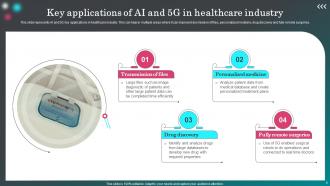
Dude, healthcare and self-driving cars are where it's at right now. Patient monitoring that actually works in real-time, plus cars that can process data fast enough not to kill you - pretty crucial stuff. Smart factories are crushing it too, like predicting when machines will break before they actually do. Obviously gaming's all over this because nobody wants laggy VR (been there, it sucks). But honestly? The real cash is in industrial IoT - thousands of sensors feeding AI systems instantly. If you're thinking investments or whatever, go for anything needing instant decisions with tons of data flowing.
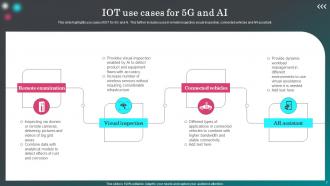
So 5G and AI together fix IoT's biggest problems - speed and actually making smart choices with all that data. With 5G you get crazy fast response times, no more lag issues. AI jumps in to crunch through sensor info and decide what to do instantly. Self-driving cars are probably the coolest example right now. Smart factories too, though that's less exciting if I'm being honest. The big deal is IoT can finally handle serious stuff reliably - like, applications where failure isn't an option. Everything scales way better now.
Honestly, you're looking at three big headaches: privacy, bias, and transparency. 5G systems hoover up tons of personal data instantly, so your consent and protection game has to be bulletproof. Algorithmic bias is scary here - imagine certain groups getting crappy network access because of flawed code. That's messed up. The speed makes everything worse too since decisions happen in milliseconds. Oh, and definitely get diverse people involved in design. You can't just let engineers figure this out alone. Build in human oversight for the big stuff, even if it slows things down a bit.
So basically AI is like having a really smart traffic controller, but for data instead of cars. It predicts when the network's gonna get slammed and shifts bandwidth around automatically. Like if everyone's streaming during rush hour, it'll make sure your autonomous bus doesn't suddenly lose connection - which would be terrifying honestly. The system learns patterns too, so it gets better at preventing bottlenecks before they happen. Pretty cool stuff. Without AI managing everything, 5G would just be these super fast pipes with nobody actually directing where the data flows.
Hey! So three main things to tackle: encrypt everything (data moving around AND stored), set up zero-trust networks, and use federated learning to keep data local. Edge computing is honestly your best friend here - way less sensitive stuff has to ping back to central servers. Also run privacy audits regularly and anonymize datasets before training. The whole 5G + AI combo is sick but creates more ways to get hacked, which kinda sucks. I'd start by mapping out where your data actually flows and spotting exposure points first.
So basically, self-driving cars need two things to actually work - crazy fast processing power and instant communication. AI handles all the sensor data your car's constantly collecting, while 5G lets it talk to other cars and traffic systems in real-time. We're talking millisecond responses here, which honestly makes the difference between avoiding an accident and... not. The 5G connection also means cars can share road conditions with each other instantly. It's pretty wild when you think about it. Bottom line - this combo finally gives us the tech backbone for self-driving cars that won't freak out in complicated traffic situations.
Dude, the AI + 5G combo is gonna be insane. Cars will coordinate in real-time without crashing into each other. Video calls with instant translation - no more awkward pauses waiting for subtitles. AR won't suck anymore since there's zero lag. Remote surgery will become normal, which still freaks me out tbh. Cities get smarter with traffic flowing perfectly and energy managed in milliseconds. The real magic? AI processing happens right there instead of bouncing to some server farm. What industry are you in again? There's probably some crazy fast application you could build.
Honestly, the 5G + AI combo is where the money's at right now. With 5G's crazy-fast speeds, AI can actually process stuff instantly - like predicting when factory equipment will break before it happens, or making those AR shopping apps not completely suck for once. Smart city IoT solutions are huge too. You could build analytics services, gaming platforms, immersive entertainment... whatever. The trick is finding customers who are still doing things manually or waiting forever for results. That's your opening right there.
-
Good research work and creative work done on every template.
-
Thank you for offering such helpful pre-designed templates. They are really beneficial to me in my job.