

Artificial Intelligence Ai Powerpoint Ppt Template Bundles




Try Before you Buy Download Free Sample Product
 Impress Your
 Audience
 100%
100% Editable
 Save Hours
 of Time


Our Artificial Intelligence Ai Powerpoint Ppt Template Bundles are topically designed to provide an attractive backdrop to any subject. Use them to look like a presentation pro.
People who downloaded this PowerPoint presentation also viewed the following :
Artificial Intelligence Ai Powerpoint Ppt Template Bundles with all 18 slides:
Use our Artificial Intelligence Ai Powerpoint Ppt Template Bundles to effectively help you save your valuable time. They are readymade to fit into any presentation structure.
-
Artificial Intelligence AI
-
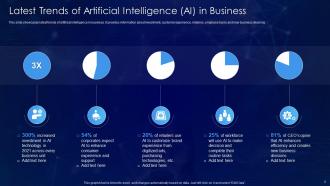
Latest Trends of Artificial Intelligence AI in Business
-
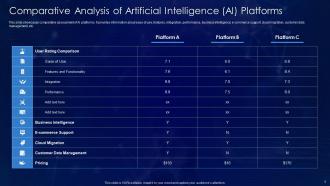
Comparative Analysis of Artificial Intelligence AI Platforms
-
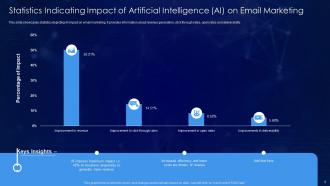
Statistics Indicating Impact of Artificial Intelligence AI on Email Marketing
-
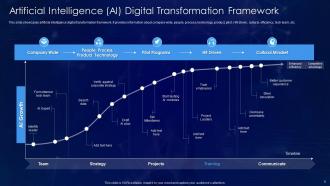
Artificial Intelligence AI Digital Transformation Framework
-
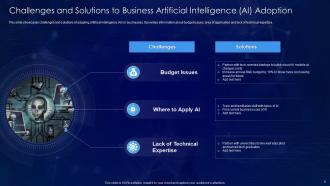
Challenges and Solutions to Business Artificial Intelligence AI Adoption
-
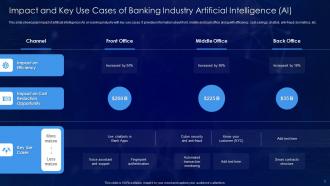
Impact and Key Use Cases of Banking Industry Artificial Intelligence AI
-
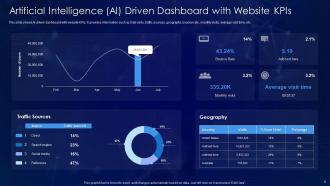
Artificial Intelligence AI Driven Dashboard with Website KPIs
-
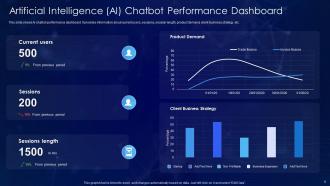
Artificial Intelligence AI Chatbot Performance Dashboard
-
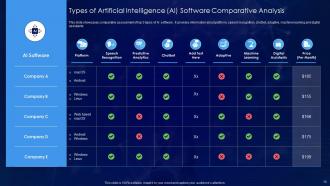
Types of Artificial Intelligence AI Software Comparative Analysis
-
Mobile Artificial Intelligence AI Chatbot with Conversation Icon
-
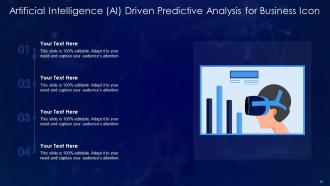
Artificial Intelligence AI Driven Predictive Analysis for Business Icon
-
Thank You
-

-

-

-

-

FAQs for Artificial Intelligence Ai Powerpoint
So narrow AI is basically really good at one thing - like how Netflix knows exactly what garbage reality TV you'll binge next, or banks catching sketchy transactions. General AI would be more like having actual human-level smarts across everything, but honestly we're not even close to that yet. Right now, narrow AI runs pretty much everything behind the scenes. Your customer service bots, logistics stuff, even diagnosing diseases. General AI? Still total sci-fi territory. My take - don't wait around for some miracle general AI. Figure out what specific, annoying tasks narrow AI could actually fix for you today.
So ML is basically getting computers to do the boring pattern-hunting stuff we used to do manually in spreadsheets. Way faster too. Banks catch fraud with it, hospitals predict which patients might crash, Netflix somehow knows I'll watch true crime docs at 2am (creepy but useful). Retailers use it for inventory forecasting. The cool part? You don't need to be a data scientist anymore to use this stuff. Honestly, if your team isn't at least testing some basic ML tools yet, you're probably behind. Start with something simple like automated reports and see what happens.
Honestly, start with bias and privacy issues right from the beginning - don't wait. Your training data needs to cover different groups, otherwise you'll end up with systems that discriminate against certain people. Privacy's massive too since you're handling personal info. The "black box" thing is real - sometimes even we don't know why our models decide what they do, which gets weird when it affects someone's job or loan application. You'll want clear explanations for decisions and solid processes when stuff breaks. Way easier to build this thinking into your workflow now instead of scrambling to fix it later.
Dude, start with recommendation engines and chatbots - they're honestly your best bet for quick wins. The personalized product suggestions work like magic when AI analyzes how people browse your site. It's basically giving everyone their own personal shopper. Chatbots handle support 24/7 without you lifting a finger. Dynamic pricing and predictive analytics are solid too - you can actually anticipate what customers want before they do. Visual search is pretty cool, though voice search still feels kinda gimmicky to me. But yeah, conversion rates definitely spike when you get this stuff right.
So NLP basically means you can talk to computers normally instead of typing weird commands. Your phone's autocomplete? That's NLP. Same with Siri or ChatGPT understanding what you're asking and responding like a person would. It does speech recognition, figures out what you actually mean (not just matching keywords), then talks back naturally. Honestly the progress in like 5 years has been insane. Best part is anyone can use it now - you don't need to be a programmer or whatever. Once you start noticing it, you'll see it's literally everywhere.
So basically, AI can look at all your customer stuff - purchase history, how they browse your site, when they usually buy things - and figure out what they'll probably want next. It's actually crazy accurate once you feed it enough data. From there you can personalize your marketing way better, tweak your pricing, maybe even spot which leads are worth chasing. Oh and definitely start small - like just do email targeting first or something. Don't try to revolutionize everything at once because that never works out well.
So here's the deal - deepfakes are getting scary good for tricking people, and hackers now have AI that can find vulnerabilities way faster than before. Your own AI security tools can actually work against you if they're set up wrong or if attackers figure out how to fool them. It's basically turning into this endless back-and-forth battle. You need specific protocols for AI threats and regular audits to catch when your systems are being weird or biased. But honestly? Don't go all-in on AI security. Keep humans involved for the big stuff - that's probably the smartest move right now.
Yeah, AI's gonna wipe out tons of boring, repetitive jobs - that's just reality. But new stuff is popping up too, like training AI systems and analyzing data. Your job will probably morph into something different rather than just vanish. Focus on the human stuff AI sucks at: being creative, reading people, solving weird problems. This is all moving way faster than people think, honestly. Figure out what parts of your work could get automated soon and start learning skills that work WITH AI instead of against it. Don't just sit around hoping it'll slow down.
AI in healthcare is honestly getting crazy good. Those image analysis tools can catch cancer before radiologists even spot it, and there's algorithms now that predict which patients might have complications. My cousin works in radiology and says the retinal scan AI for diabetes stuff is becoming super standard. Natural language processing is making medical records way less of a nightmare too. Plus you've got chatbots doing patient triage, personalized treatment plans, and they're speeding up drug discovery like crazy. If you're working in healthcare, definitely look into what AI tools could help your day-to-day - even small changes make a huge difference.
So AI's doing some wild stuff for climate change right now. Smart grids optimize energy use, satellites track deforestation in real-time, and companies use predictive models to cut waste. Tesla's battery systems and Google's data centers both rely on this tech heavily. Honestly, the amount of data involved would be impossible for humans to crunch alone - like, mind-bogglingly massive. There's also carbon calculators and supply chain tools getting smarter. If you want to try it at work, maybe start with AI energy management software? Though I'd probably begin with sustainability tracking platforms first.
Honestly, AI personalization is a game changer for teaching. It adapts to each kid's pace and learning style automatically. Start with something simple - maybe an AI quiz platform for one subject. The cool part? It gives instant feedback and adjusts difficulty as students work. I've seen it catch learning gaps way earlier than I would've noticed. Plus it handles all that tedious grading stuff (thank god). The content recommendations are pretty spot-on too based on how each student's progressing. Don't go crazy with it at first - just pick one tool and see how it goes.
Oh man, you're gonna hit two major walls right off the bat. First - your old systems won't play nice with AI tools, so brace yourself for messy integration work and probably some downtime. Second issue? Your team's gonna freak out thinking they're about to be replaced. That fear management thing is honestly harder than the tech part sometimes. Data quality becomes a nightmare too, plus there's compliance stuff to worry about and retraining costs add up fast. Honestly though, just pick one small process first. Prove it works, then expand from there.
Dude, AI is seriously crushing it for fraud detection right now. Machine learning can crunch through tons of transaction data and catch sketchy patterns way faster than any human could. It learns each customer's normal spending habits, then boom - flags anything weird like random purchases from strange locations. Credit risk assessment gets way more accurate too. Oh, and it's pretty good at predicting when markets might go crazy. Honestly, I'd start by figuring out where you're getting hit hardest by fraud, then find AI tools that tackle those specific problems first.
Dude, the results some companies are getting with AI are pretty wild. Netflix's recommendation thing powers like 80% of what people actually watch - saves them tons on content discovery. UPS cut 10 million gallons of fuel yearly just from AI route planning (honestly didn't realize delivery routes were that inefficient). Amazon bumped warehouse productivity 20% with their robots while cutting costs. Mount Sinai hospital slashed patient wait times in half using AI for flow management. My advice? Pick one specific thing to test first. Don't go crazy trying to automate your entire business day one - you'll just create a mess.
AI bias is such a pain - basically your algorithm picks up prejudices from training data and spits out unfair results. Like hiring tools that discriminate or loan systems screwing over certain groups. The data usually reflects old biases or just isn't diverse enough. Honestly, I've watched this tank so many good projects. You gotta audit your datasets constantly and test outputs across different demographics. Also? Get diverse people on your team - they'll spot stuff you totally missed. Oh, and make bias testing routine, not something you remember at the last minute.
-
Templates are beautiful and easy to use. An amateur can also create a presentation using these slides. It is amazing.
-
“Detailed and great to save your time.”