

Angel Investor Pitch Deck Powerpoint Presentation Slides






Try Before you Buy Download Free Sample Product
 Impress Your
 Audience
 100%
100% Editable
 Save Hours
 of Time


Create a compelling pitch unlike any with our Angel Investor Pitch Deck PowerPoint Presentation Slides. This business angel pitching PPT slideshow puts forth a crisp professional impression on the audience. The almost storytelling-like design of this venture capital PowerPoint template adds visual depth to your pitch. Personalize our startup investment PPT theme to reflect your business idea and connect with potential stakeholders. This investment pitch PowerPoint presentation helps you address crucial aspects like growth strategy, shareholding pattern, and competitive landscape. Our investor pitch presentation example PPT slides are replete with graphs, and diagrams to gracefully represent business models, marketing strategy, and other fundamentals. Successfully pitching angel networks requires well-laid-out information and our angel investor PowerPoint deck offers exactly that. Our seed investor PPT template designers have infused the essentials of a compelling pitch deck through extensive research. Download this investor pitch deck PowerPoint slideshow and carry your brownie point next time you step into the presentation venue.
People who downloaded this PowerPoint presentation also viewed the following :
Content of this Powerpoint Presentation
Slide 1: This slide introduces Angel Investor Pitch Deck. State your Company name and begin.
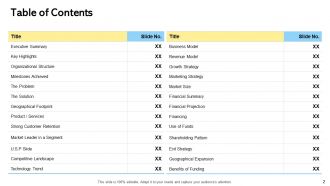
Slide 2: This slide displays Table of Contents of the presentation.
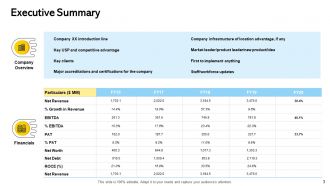
Slide 3: This slide depicts Executive Summary.
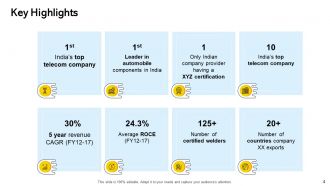
Slide 4: This slide showcases Key Highlights.
Slide 5: This slide showcases The Problem
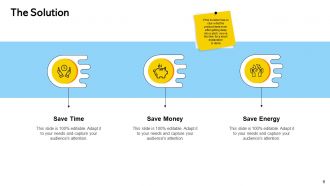
Slide 6: This slide showcases The Solution to the problem.
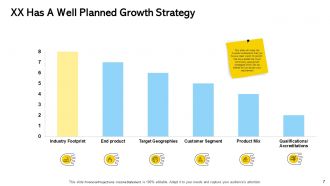
Slide 7: This slide showcases Well Planned Growth Strategy.
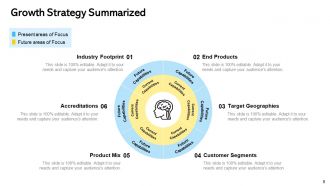
Slide 8: This slide showcases Growth Strategy Summarized.
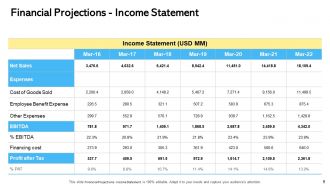
Slide 9: This slide displays Financial Projections - Income Statement.
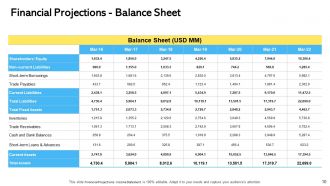
Slide 10: This slide displays Financial Projections - Balance Sheet.
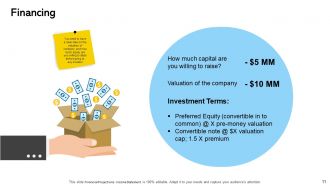
Slide 11: This slide showcases Financing.
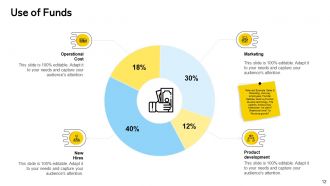
Slide 12: This slide displays Use of Funds.
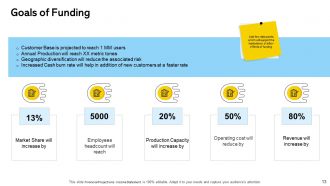
Slide 13: This slide showcases Goals of Funding.
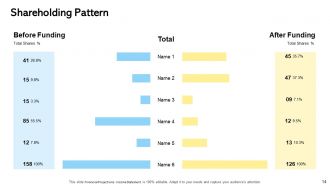
Slide 14: This slide depicts Shareholding Pattern.
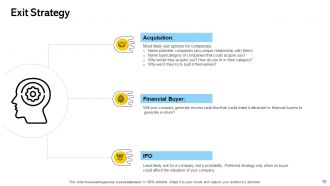
Slide 15: This slide showcases Exit Strategy.
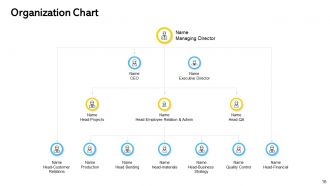
Slide 16: This slide displays Organization Chart with names of team members and designations.
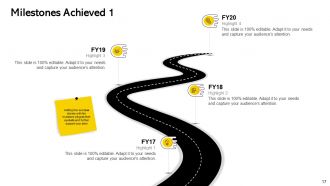
Slide 17: This slide showcases Milestones Achieved 1.
Slide 18: This slide showcases Milestones Achieved 2 with highlights.
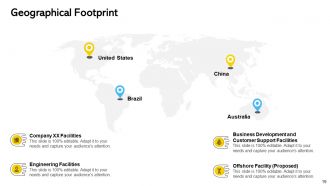
Slide 19: This slide showcases Company Facilities.
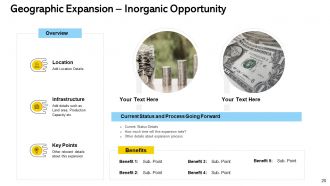
Slide 20: This slide showcases Geographic Expansion – Inorganic Opportunity.
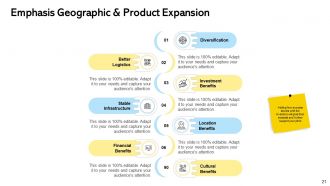
Slide 21: This slide depicts Emphasis Geographic & Product Expansion.
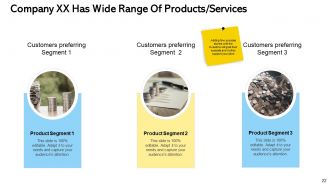
Slide 22: This slide showcases Wide Range Of Products/Services of the Company.
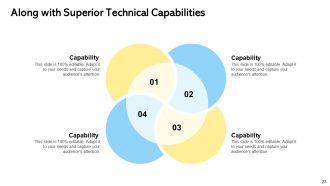
Slide 23: This slide showcases product Along with Superior Technical Capabilities.
Slide 24: This slide depicts state of the Art Infrastructure/ Manufacturing.
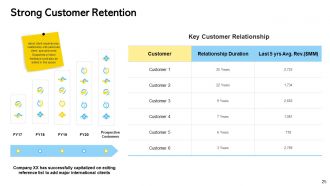
Slide 25: This slide describes Strong Customer Retention.
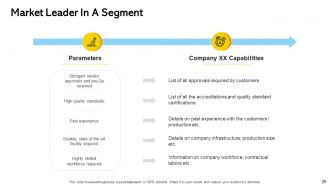
Slide 26: This slide depicts Company's Capabilities
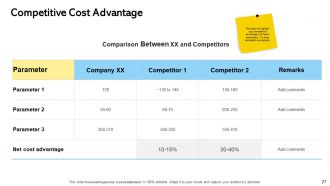
Slide 27: This slide depicts Competitive Cost Advantage.
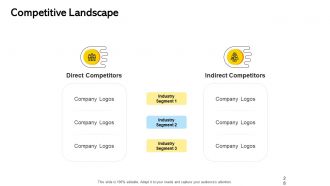
Slide 28: This slide showcases Competitive Landscape.
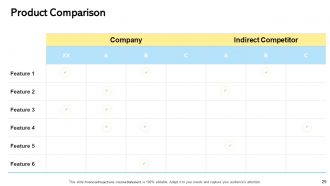
Slide 29: This slide depicts Product Comparison.
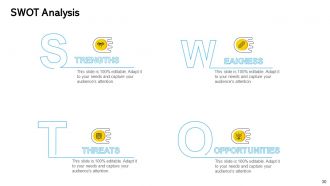
Slide 30: This slide presents SWOT Analysis to analyze Strength, Weakness, Opportunities and Threats.
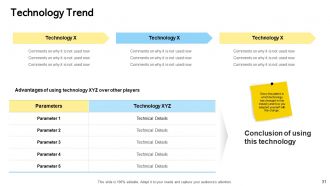
Slide 31: This slide showcases Technology Trend. Show the pattern in which technology has changed in this industry and how you adapted yourself with this change.
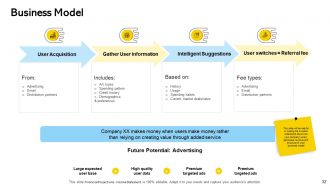
Slide 32: This slide showcases Business Model. This slide will be helpful in making the investor understand about how your company works, generates revenue and structure of your business model
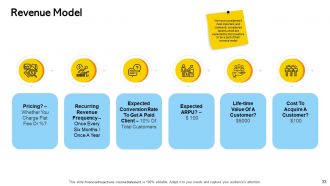
Slide 33: This slide showcases Revenue Model.
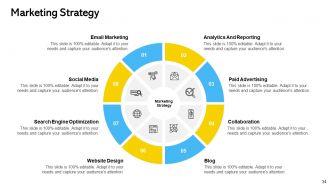
Slide 34: This slide showcases Marketing Strategy.
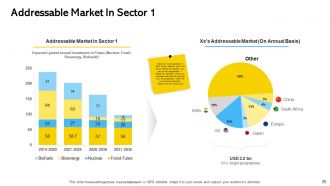
Slide 35: This slide showcases Addressable Market In Sector 1.
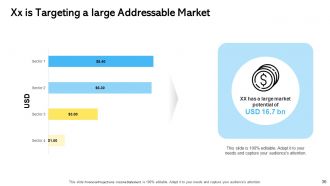
Slide 36: This slide presents Targeting a large Addressable Market.
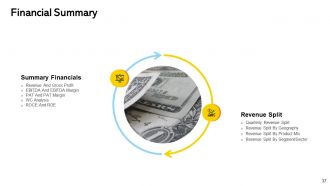
Slide 37: This slide showcases Financial Summary.
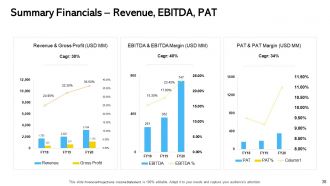
Slide 38: This slide presents Summary Financials – Revenue, EBITDA, PAT.
Slide 39: This slide showcases Summary Financials – WC Analysis, ROCE, ROE.
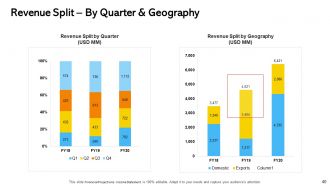
Slide 40: This slide showcases Revenue Split – By Quarter & Geography.
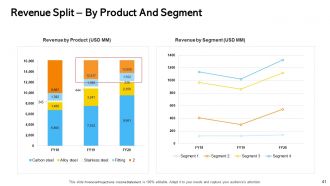
Slide 41: This slide depicts Revenue Split – By Product And Segment.
Slide 42: This slide displays Client Testimonials.
Slide 43: This is Angel Investor Pitch Deck Icons Slide.
Slide 44: This slide is titled as Additional Slides for moving forward.
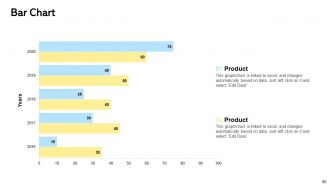
Slide 45: This slide displays Bar Chart with product comparison.
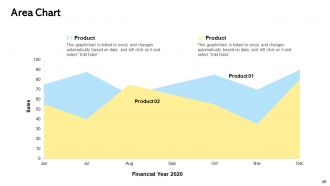
Slide 46: This slide displays Area Chart with product comparison.
Slide 47: This slide displays Magnifying Glass.
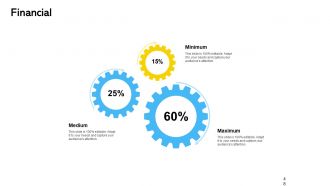
Slide 48: This is Financial slide. Showcase finance related stuff here.
Slide 49: This is About Us slide to showcase Company Specifications.
Slide 50: This is Our Team slide with Names and designation.
Slide 51: This is Our Mission slide with Mission, Vision and Goal.
Slide 52: This is Puzzle slide with icons and text boxes.
Slide 53: This is Thank You for Watching slide with Contact number, Email Address and Address.
Angel Investor Pitch Deck Powerpoint Presentation Slides with all 53 slides:
Be the best guide with our Angel Investor Pitch Deck Powerpoint Presentation Slides. Your advice will be clear and compelling.









FAQs for Angel Investor Pitch Deck
Hey! So for your angel deck you'll want problem, solution, market size, business model, and traction slides. Competition analysis too. Don't forget financials and team backgrounds - investors care about who's building this thing. The funding ask is crucial (amount + what it's for) but honestly so many people mess that up lol. Practice your pitch a ton because they're betting on you, not just the idea. Oh and tell a story through it instead of just bullet points everywhere. Each slide should flow into the next one naturally. You got this!
Get your value prop on slides 1-3, seriously. Don't make investors hunt for it. Start with the exact problem you're fixing and why current solutions are garbage - they see endless "Uber for X" pitches, so specificity matters. Skip the fluffy "revolutionary platform" stuff. Use real numbers and actual customer quotes instead. Demo something or show before/after comparisons. Make it obvious why this rocks. Honestly, you want that "holy shit, why isn't this everywhere already?" reaction. Put your differentiator right up front, then keep circling back to it throughout the whole deck.
Dude, biggest thing I see? People cram way too much crap on each slide. Also they jump straight into features before explaining why anyone should give a damn about the problem. Oh and those financial projections - everyone claims they'll magically get 1% of some huge market without any real plan. Your team slide better actually show relevant experience too, not just random credentials. Keep it short - like 10-12 slides tops. Lead with problem-solution stuff first. And be super specific about what you need the money for, none of that vague "scaling operations" BS.
Dude, market research is what separates the real founders from people just messing around with ideas. Investors can smell BS from a mile away. You've gotta show you actually get your market size, what problems customers face, who you're competing with. Half the pitches I see bomb because founders just slap some random TAM numbers in there without any real thought. Primary research is gold - talk to actual customers, run surveys, get pilot data if you can. Industry reports that everyone Googles? Skip that fluff. Your research basically proves people will actually pay for what you're building, not just think it's neat.
Okay so you need 3-5 years of revenue projections, plus your main expense buckets and when you'll actually turn a profit. Do monthly breakdowns for year one, then quarterly after that. Customer acquisition cost vs lifetime value is what angels really obsess over - seriously, nail those numbers. Don't do the classic hockey stick thing though, they're so tired of seeing that. Include your burn rate and how many months this funding buys you. Oh, and be super specific about what milestones you'll hit with their cash. The key is being realistic but still showing decent growth potential. Always explain how you got to these numbers so they can poke holes in your logic if they want.
Dude, investors see like 50 pitch decks a week - yours needs to actually stick. Clean design with consistent fonts helps them focus on what matters. Charts are clutch for showing financial stuff because nobody wants to read paragraphs of numbers. I literally can't deal with decks that are just bullet point after bullet point. Makes my eyes glaze over. Each slide should hit one main point and give it room to breathe with white space. Oh, and make your big numbers pop visually - bold colors, bigger text, whatever works. The whole thing should flow like a story they don't have to work to follow.
Dude, you gotta nail the storytelling part. Don't just dump features and numbers on them - that's where most people totally bomb. Start with real customer pain, like actual stories of people struggling with this problem. Then show how your solution saves the day. The pitch should flow: here's the problem, here's my journey fixing it, and here's proof it's working. Your metrics need to feel like they belong in the story, not just random stats you threw in. Honestly, I've watched so many founders lose investors in the first two minutes because they sound like robots. Practice saying it out loud until it doesn't feel rehearsed.
Dude, you gotta dig into each investor's deals before you pitch. What industries do they back? How much do they usually write checks for? Then tailor your deck - if they're obsessed with SaaS, hammer your recurring revenue. Healthcare investors? Start with patient impact. Most founders are lazy about this and it's super obvious. I'd also creep their LinkedIn for random connections to your story. My buddy once got funded partly because he and the VC both did triathlons. Make them feel like you built this pitch just for them, not some copy-paste job.
Honestly, just pick the metrics that actually matter for your growth story. Revenue growth is obvious - month over month or yearly, whatever makes sense for where you're at. CAC vs LTV is massive because it proves you're not just burning cash for nothing. I'd throw in retention rates too since that shows people actually stick around. Market share stuff can be really compelling if you're in a specific niche. But seriously, don't dump 20 different numbers on them. Three or four solid metrics that paint the "we're going to be huge" picture is way better than overwhelming investors with everything you track.
Keep it to 10-12 minutes tops, maybe 15-20 slides. Angels get antsy fast and they're juggling a million meetings. I've watched founders talk for like 30 minutes straight - it's brutal. Nobody's listening anymore. Hit the big stuff: what problem you're solving, your solution, market size, how you make money, any traction you've got, your team, and what you need funding-wise. Oh, and save time for questions! That's honestly where the magic happens. Practice your timing beforehand because running over just screams "I don't know what's important." Sounds obvious but you'd be surprised how many people mess this up.
Honestly, investors care way more about your team than most founders realize. I've seen amazing ideas get rejected because the team looked weak on paper. After they read your problem slide, they're flipping straight to see who's actually building this thing. You need to show relevant experience and real achievements - not just generic job titles. Highlight how everyone's skills fit together like puzzle pieces. And here's the thing nobody talks about: if you're missing someone crucial (like a CTO), just say you're hiring for it. Don't pretend gaps don't exist.
Be realistic but stay optimistic about your exit strategy. Pick 2-3 solid scenarios - usually acquisition by bigger players in your space, maybe IPO if you're shooting for the moon. Don't just name-drop random companies though, that screams amateur hour. Research actual acquisition patterns and mention similar deals from recently. One slide max, and connect it to your growth numbers. Honestly, VCs just want to see you've thought through how they'll get their money back (and then some). That's literally what they care about most.
Look, angels want proof you're not just dreaming. Customer validation is huge - surveys, pre-orders, pilot data, whatever shows real people want this thing. Back up your financial projections with actual comparable companies, not just wishful thinking. Your team's experience matters too, obviously. Here's the thing though - everyone shows these massive TAM slides that are total BS. Real validation cuts through that noise. Got early traction? Revenue growth? User numbers? Lead with that stuff. Be conservative with your projections but go heavy on the proof points. And honestly, don't just say there's a problem - show me data that proves it exists and why you're the ones who can fix it.
Yeah, definitely get feedback after every pitch! But ask specific stuff like "which slides were confusing?" instead of just "thoughts?" Here's the thing though - one investor's red flag might be totally fine to another. So look for patterns when multiple people say the same thing. Then run your changes by advisors before pitching again. I'd keep a simple doc of common objections too. That way you can tackle them upfront instead of getting blindsided repeatedly. It's honestly saved me so much time.
Hit them with a follow-up within 24-48 hours. Your full pitch deck goes in there - the detailed one, not whatever summary you presented. Toss in financial projections (show your assumptions clearly), plus any demos or case studies that back up what you claimed. Executive summary and team bios too if you didn't nail those during the pitch. Competitive analysis is clutch if you glossed over it. Here's the thing - investors get buried in these packets daily, so yours better pop. Oh, and organize everything cleanly because nobody wants to hunt through a mess of random files. Write a quick thank-you note mentioning something specific from your chat.
No Reviews