

Angel Investor Powerpoint Presentation Slides





Try Before you Buy Download Free Sample Product
 Impress Your
 Audience
 100%
100% Editable
 Save Hours
 of Time


Angel inverters are proven to be the backbone of several big organizations in their early stages. But these capital angels don't come handy and thus always a well-planned approach is a must need for representing your ideas. Designers at SlideTeam have curated a variety of ideas for your financial funding and growth strategies through our Angel Investor PowerPoint presentation slides. This PPT bundle will help you display your private equity, venture capital, and angel investor related concerns. Executive summary, key points, the key problem, solution, well-planned growth strategy, growth strategy summary, financial projection, use of funds, goals of funding, shareholding patterns, exit strategy, organization chart, milestone achievement plans, geographic footprints and expansions, display of products, services and strategies, strong customer retention, market leader in a segment, competitive cost and advantage are few to mention topics included to be personalized according to your requirement and demand. This PPT slide indicates organic approach towards achievement in business, allowing you to show your aim towards an accurate target market. Display a charitable disposition with our Angel Investor Powerpoint Presentation Slides. Demonstrate compassion for fellow beings.
People who downloaded this PowerPoint presentation also viewed the following :
Content of this Powerpoint Presentation
Slide 1: This slide introduces Angel Investor. State your company name and begin.
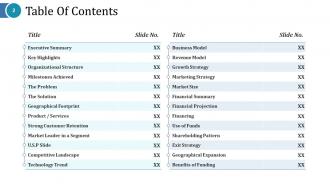
Slide 2: This slide presents the Table Of Contents. We have listed a few of them which you can alter as per your requirement.
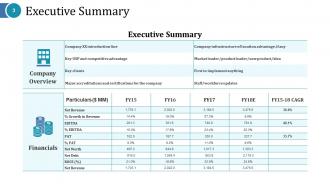
Slide 3: This slide presents Executive Summary with- Company Overview, Financials.
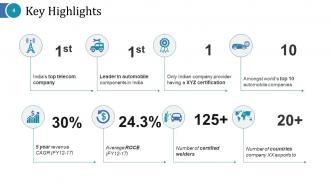
Slide 4: This slide presents Key Highlights. You can locate your highlights and make the use of it.
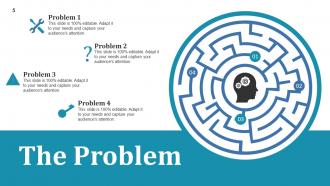
Slide 5: This is The Problem slide. You can add the problem statement and use as per need.
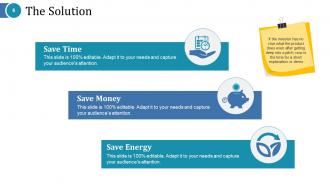
Slide 6: This is The Solution slide. You can use it to list 3 categories- Save Money, Save Energy and Save Time.
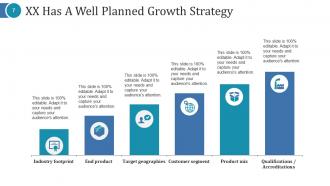
Slide 7: This is XX Has A Well Planned Growth Strategy slide displaying- Industry footprint, End product, Target geographies, Customer segment, Product mix, Qualifications /Accreditations. This slide will make the investor understand that you have a clear vision for growth. We have added the most commonly used growth strategies which can be altered by you as per your requirement.
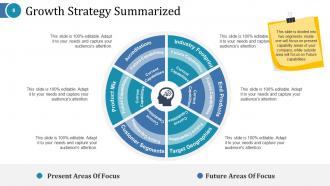
Slide 8: This is Growth Strategy Summarized slide showing these six categories- Accreditations, Product Mix, Target Geographies, End Products, Industry Footprint, Customer Segments.
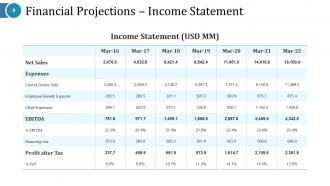
Slide 9: This slide shows Financial Projections – Income Statement table. Add the data and make use of it.
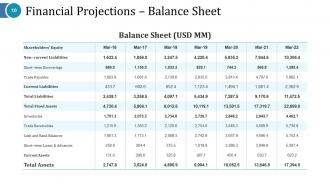
Slide 10: This slide showcases Financial Projections – Balance Sheet. Add monthly stats in this balance sheet.
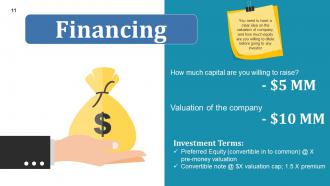
Slide 11: This is Financing slide with imagery showing- Investment Terms, Valuation of the company.
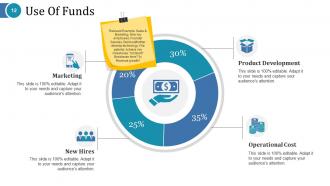
Slide 12: This slide states the Use Of Funds with respect to- Product Development, Operational Cost, New Hires, Marketing.
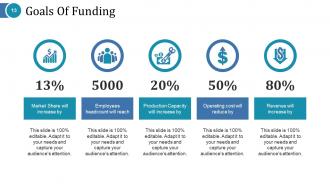
Slide 13: This slide showcases Goals Of Funding. State your funding goals etc. here.
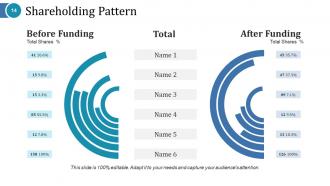
Slide 14: This slide shows Shareholding Pattern with- Before Funding, Total Shares, After Funding.
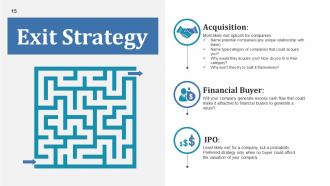
Slide 15: This slide shows Exit Strategy with these three factors- Acquisition, Financial Buyer, IPO.
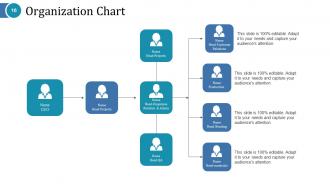
Slide 16: This slide showcases Organization Chart with various levels to state and display.
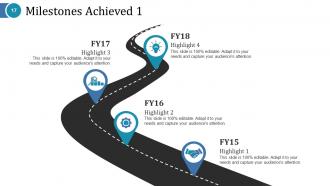
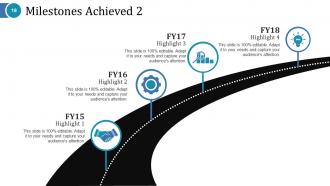
Slide 17: This slide shows Milestones Achieved roadmap. Add your highlights here.
Slide 18: This slide also showcases Milestones Achieved roadmap. Adding few success stories with the investors will grab their eyeballs and further support your pitch
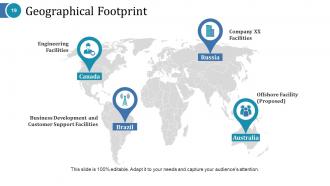
Slide 19: This slide showcases Geographical Footprint in world map image form. Display the following aspects- Global Presence, Company XX Facilities, Engineering Facilities, Business Development and Customer Support Facilities, Offshore Facility (Proposed) etc. here.
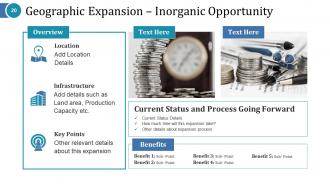
Slide 20: This slide showcases Geographic Expansion – Inorganic Opportunity. You can add your details and use it accordingly.
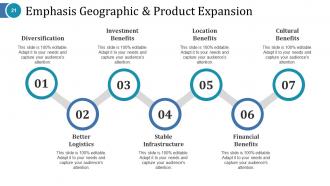
Slide 21: This slide shows Emphasis Geographic & Product Expansion stating the following seven points- Better Logistics, Stable Infrastructure, Financial Benefits, Diversification, Investment Benefits, Location Benefits, Cultural Benefits.
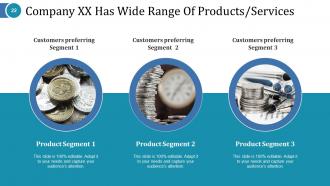
Slide 22: This slide shows Company XX Has Wide Range Of Products/Services. Use it to state the following 2 aspects- Product Segment, Customers preferring segment.
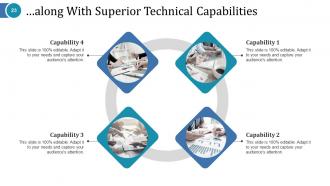
Slide 23: This slide shows Along With Superior Technical Capabilities. Add your capabilities here and use it accordingly.
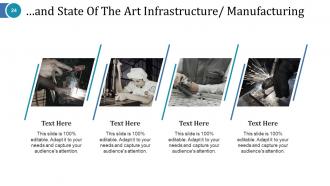
Slide 24: This slide showcase And State Of The Art Infrastructure/ Manufacturing with imagery and text boxes to state.
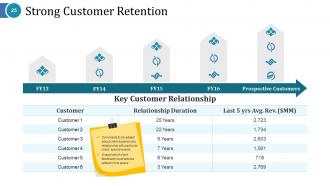
Slide 25: This slide shows Strong Customer Retention with icon imagery showing Prospective Customers.
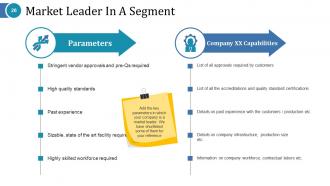
Slide 26: This slide shows Market Leader In A Segment. Add the key parameters in which your company is a market leader. We have shortlisted some of them for your reference.
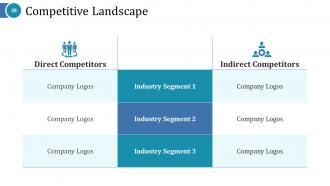
Slide 27: This slide showcases Competitive Landscape divided into Direct Competitors and Indirect Competitors.
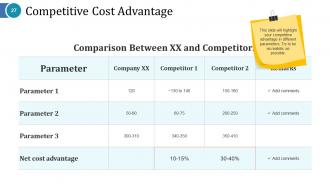
Slide 28: This slide states Competitive Cost Advantage showing Comparison Between XX and Competitors.
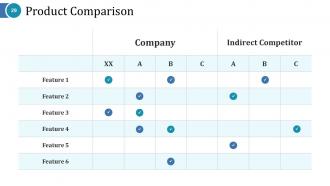
Slide 29: This slide presents Product Comparison in a tabular form. Add relevant data in the given table.
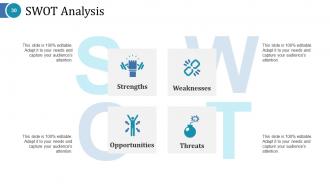
Slide 30: This slide showcases SWOT Analysis with icon imagery.
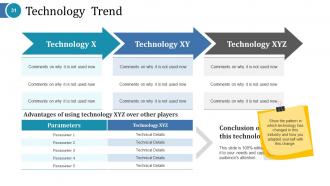
Slide 31: This is Technology Trend slide. Show the pattern in which technology has changed in this industry and how you adapted yourself with this change.
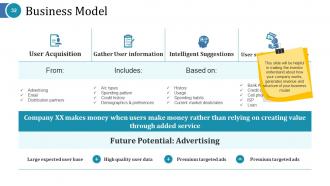
Slide 32: This slide shows Business Model with- User Acquisition, Gather User information, Intelligent Suggestions, User acquisition= Referral Free.
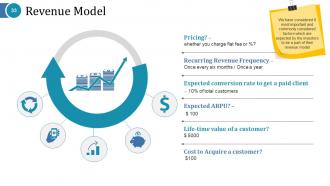
Slide 33: This slide shows Revenue Model with the following 6 factors- Pricing, Recurring Revenue Frequency, Expected conversion rate to get a paid client, Expected ARPU, Cost to Acquire a customer, Life-time value of a customer. You can make use of these or add as per requirement.
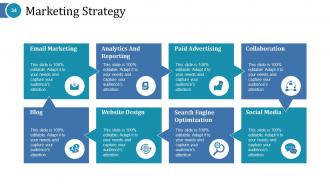
Slide 34: This is Marketing Strategy slide showing- Social Media, Collaboration, Paid Advertising, Analytics And Reporting, Email Marketing, Blog, Website Design, Search Engine Optimization.
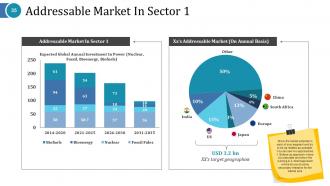
Slide 35: This slide shows Addressable Market In Sector 1 in charts and graphs.
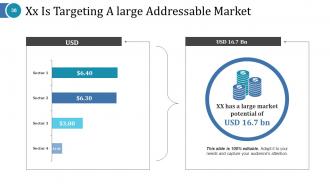
Slide 36: This slide showcases Xx Is Targeting A large Addressable Market in a graphical form.
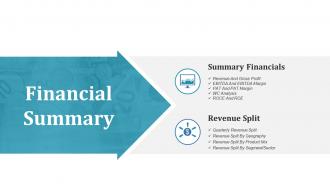
Slide 37: This slide presents Financial Summary with- Summary Financials, Revenue Split.
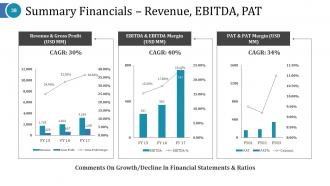
Slide 38: This slide showcases Summary Financials – Revenue, EBITDA, PAT in a graphical form.
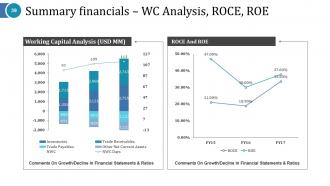
Slide 39: This slide showcases Summary financials – WC Analysis, ROCE, ROE in a graphical form.
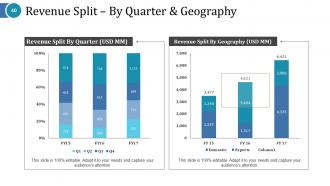
Slide 40: This slide presents Revenue Split – By Quarter & Geography in a bar graph/ chart form.
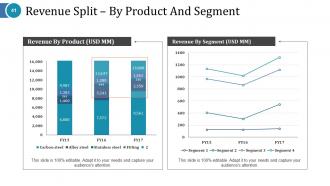
Slide 41: This slide shows Revenue Split – By Product And Segment. You can present the following data in a graphical form- Revenue By Product (USD MM) and Revenue By Segment (USD MM) here.
Slide 42: This slide presents Client Testimonials with name, designation and text boxes to state information.
Slide 43: This is a Coffee Break slide to halt. You may change the slide content as per need.
Slide 44: This slide is titled Charts and Graphs to proceed forward. You may change the slide content as per need.
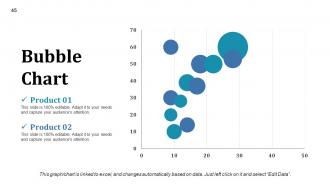
Slide 45: This is a Bubble Chart slide to show product/ entity comparison, specifications etc.
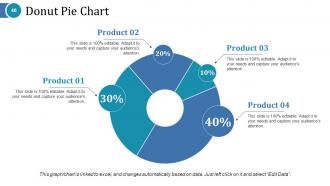
Slide 46: This is a Donut Pie Chart slide to present product/ entity comparison, specifications etc.
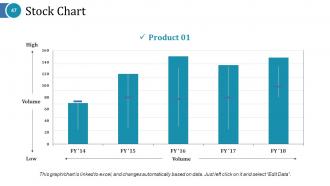
Slide 47: This is a Stock Chart to present product/ entity comparison, specifications etc.
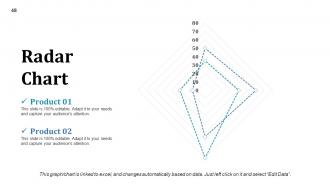
Slide 48: This is a Radar Chart slide to present product/ entity comparison, specifications etc.
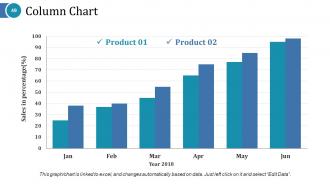
Slide 49: This is a Column Chart to present product/ entity comparison, specifications etc.
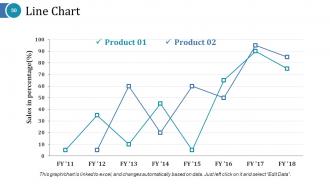
Slide 50: This is a Line Chart to present product/ entity comparison, specifications etc.
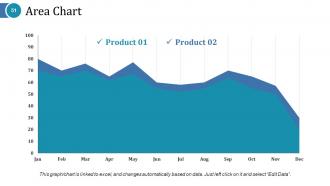
Slide 51: This is an Area Chart slide to present product/ entity comparison, specifications etc.
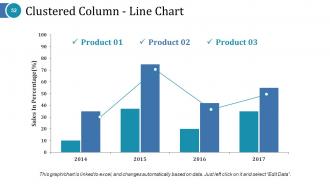
Slide 52: This is a Clustered Column - Line Chart slide to present product/ entity comparison, specifications etc.
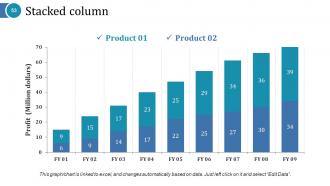
Slide 53: This is a Stacked Column graph slide to show product/ entity comparison, specifications etc.
Slide 54: This slide is titled Additional Slides to move forward. You can change the slide content as per need.
Slide 55: This is Our Mission slide. State your mission, goals etc. here.
Slide 56: This slide helps depict Our Team with text boxes.
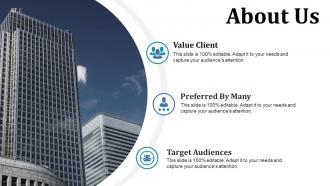
Slide 57: This is an About Us slide. State company or team specifications here.
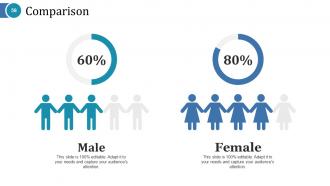
Slide 58: This is a Comparison slide to compare two products/ entities etc.
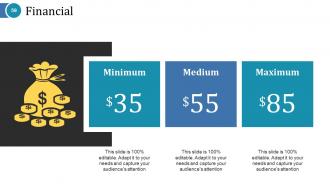
Slide 59: This slide shows Financial score with Minimum, Medium and Maximum parameters.
Slide 60: This slide presents Quotes. State your inspirational quotes here. You may change the slide content as per need.
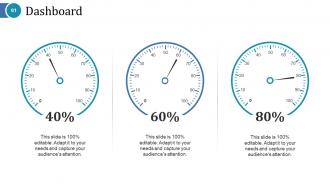
Slide 61: This is Dashboard slide to show information in percentages etc.
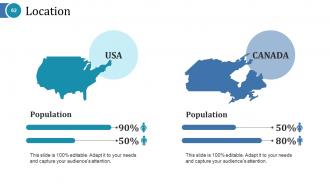
Slide 62: This is Location slide with relevant map imagery to show growth, presence etc.
Slide 63: This slide showcases Post It. Show events, important piece of information, events etc. here.
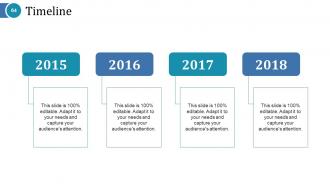
Slide 64: This is a Timeline slide to present important dates, journey, evolution, milestones etc.
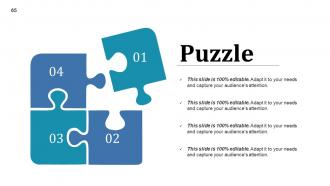
Slide 65: This is a Puzzle pieces image slide to show information, specifications etc.
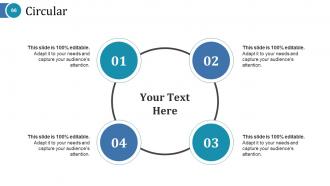
Slide 66: This is a Circular image slide. State specifications, information here.
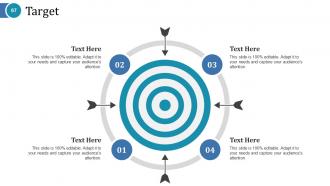
Slide 67: This is a Target image slide. State targets, etc. here.
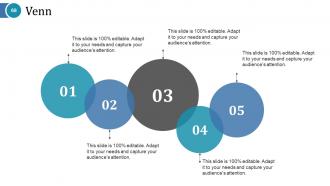
Slide 68: This is a Venn diagram image slide to show information, specifications etc.
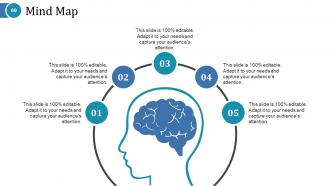
Slide 69: This is a Mind map image slide to show information, specifications etc.
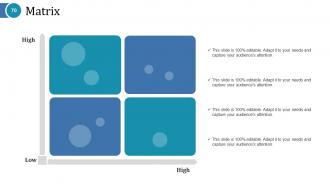
Slide 70: This is Matrix slide ranging from High to Low and vice versa.
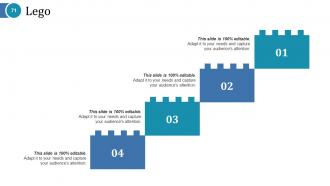
Slide 71: This is a LEGO slide with text boxes to show information.
Slide 72: This is a Silhouettes slide to show people specific information etc.
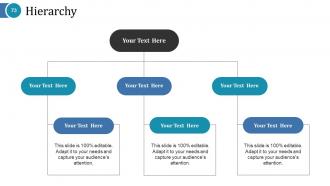
Slide 73: This is a Hierarchy slide to show information, organization structural specifications etc.
Slide 74: This is a Bulb or Idea image slide to show information, ideas, specifications etc.
Slide 75: This is a Funnel image slide to show funneling aspects etc.
Slide 76: This is Contact Us slide with Name, Address etc.
Angel Investor Powerpoint Presentation Slides with all 76 slides:
Get congratulated with our Angel Investor Powerpoint Presentation Slides. They will bring forth all the accolades.









FAQs for Angel Investor
Look, angels definitely want those massive 10x returns when companies blow up. But there's more to it than just cash. Most of them actually love the mentoring side - sharing what they know with founders, especially in their wheelhouse. Plus they get a kick out of watching something grow from nothing. Oh and some pick sectors they're passionate about, like cleantech or whatever. Here's the thing though - they're really betting on YOU, not just your product. So yeah, nail your pitch deck, but don't forget to actually connect with them as people.
Honestly, they're mostly betting on YOU first. Can you actually pull this off? That's what they really want to know. Your market size matters, obviously, and they'll dig into how you're gonna make money. But here's the thing - traction is everything. Even if it's just a few paying customers or decent user growth, that proves people actually want this stuff. They'll ask about competition too and whether you can scale later. I mean, at the end of the day, early startups are basically just founders with an idea, right? So you better be able to explain your vision clearly and show some real proof that customers care.
So angels usually want 10-25% equity, but honestly it's all over the place depending on your situation. If you're super early stage with just a prototype, you'll probably give up more - maybe 15-20% for like $25K-$100K. Once you have actual customers and revenue, you've got way more leverage. The percentage isn't everything though. A good angel brings connections and knows their stuff, which can be worth more than someone who just throws money at you. I'd rather have a smaller check from someone who actually gets my industry than a bigger one from some random rich person, you know?
Dude, start with angels - they're way easier to reach. These are rich individuals dropping their own money, usually $25K-$250K, and they'll bet on just an idea or basic prototype. VCs are a whole different beast. They manage other people's cash so everything takes forever with tons of meetings and paperwork. Plus they write much bigger checks ($1M+) but only after you've got real traction to show them. Angels move fast since it's their call, VCs have to convince a whole committee. Honestly, the VC process can be brutal when you're early stage.
So angels are mostly into pre-seed and seed rounds - that's your sweet spot. Pre-seed is super early, like when you've got a prototype and maybe some initial users. Seed comes next when you're hiring your first real team members and figuring out product-market fit. Angels can pop up in Series A too, but honestly that's when the big VC firms start taking over and it gets way more competitive. I'd focus your energy on those first two stages - better odds and you won't get crushed on valuation. Plus angels actually get what it's like at that messy early stage.
Dude, angels are going crazy for AI/ML stuff right now. Fintech and healthtech too - basically anything that can scale massively since they want those 10x returns. Climate tech is finally getting some love which is honestly about time. B2B SaaS is solid if you're solving real problems. Consumer apps though? Way harder unless you've already got decent traction. When you pitch, hammer home the market size thing. They don't want niche - they want huge addressable markets. Also make sure your competitive edge is crystal clear because that's what they're really betting on.
Most angels write checks between $25-50K, though you'll see some go as low as $10K or up to $250K if they're loaded. The sweet spot's usually that $25-50K range - big enough to matter but won't destroy them if you tank. Here's the thing though: they love pooling money together. So your $500K round? That's probably like 8-10 angels each throwing in their piece. Oh, and definitely ask about check sizes upfront when you're pitching. Saves everyone time if they usually do $15K and you need $75K from each investor.
Yeah, your background matters to angels for sure. But honestly? I've seen first-time founders get funded all the time when they really know the problem they're solving inside and out. Angels want domain expertise or startup experience, but if you don't have that, just be honest about it. Show them how you're filling those gaps - maybe through advisors or a co-founder who complements your skills. The willingness to learn fast counts for a lot too. What really sells them is your passion and understanding of the market you're going after.
Dude, networking is literally everything for finding angel investors. Most deals happen through warm intros, not cold emails that get ignored. Hit up startup events and entrepreneurial meetups - the local ones are actually gold mines sometimes. LinkedIn's great but don't sleep on those random accelerator happy hours. Angels invest in people they trust or who come recommended by their trusted circle. Build real relationships first instead of pitching everyone immediately. Start by asking your current network who they know - I swear you'll find connections you didn't expect. The whole "six degrees of separation" thing is real in startup world.
Honestly, angels care most about one thing - are you solving a real problem that actually bugs people? Tell them the story straight: here's the problem, here's what we built, here's why now makes sense. Skip the fancy deck nonsense. They've seen a million pitches already. Show some numbers, even if they're tiny. Be upfront about where you might fail and exactly how you'll spend their cash. Oh, and practice like crazy - you need to crush it in 10 minutes and not get pissy when they ask hard questions. Sounds obvious but confidence really does sell here.
Biggest mistake? Giving away too much equity upfront when you're desperate for money. Trust me, future you will hate past you for that one. Watch out for terms that box you in later - like giving investors crazy control over daily stuff or making it harder to raise again. Read every single clause, especially the liquidation preferences and anti-dilution stuff (that's where they get you). Yeah, I know legal fees suck when you're broke, but get a lawyer anyway. Way cheaper than getting screwed on a bad deal you signed without understanding it.
Most angel investors go with either convertible notes or straight equity deals. Convertible notes are basically loans that turn into equity when you hit Series A - way less paperwork headache for early rounds. Equity deals mean they buy a chunk of your company upfront, usually 10-25%. They'll want to negotiate stuff like board seats and anti-dilution rights (honestly, learn what those mean before you sign anything). The good news? Angels tend to be pretty founder-friendly since they're betting on you as a person. Don't let them steamroll you, but most won't try to screw you over either.
Yeah, so most angel investors actually stick around after they write the check. They'll give you advice on big decisions, make intros to potential customers or other investors for future rounds. Some are super involved, others barely respond to emails - honestly depends on the person and how busy they are. The good ones open doors you'd never get through on your own since they've got the connections and have probably dealt with whatever mess you're facing. Oh, and definitely ask upfront what kind of support they actually plan to provide. You don't want to assume they'll be your mentor if they're more of a "check and disappear" type.
So angel investors are being super picky lately - way more due diligence, taking forever to decide. They want startups that actually make money now, not just the "we'll figure out revenue later" thing. ESG stuff matters more too, which honestly took long enough. Oh and they're doing smaller checks more often instead of one big investment. My cousin went through this whole process recently and it was brutal. Make sure your unit economics actually work and you can prove you'll be profitable in like 18-24 months max. They're not messing around with pie-in-the-sky projections anymore.
Honestly, get your shit together before angels come knocking. Financial records, business plan, legal docs - all of it needs to be spotless. Revenue projections and customer data are crucial. Your cap table better be clean too, because they'll scrutinize every detail. Practice explaining your business model until you're sick of hearing yourself talk, trust me on this one. Market size calculations can't be some random guess either. Get an accountant to double-check everything first - it's worth the money. Oh, and have team bios ready. Even if fundraising feels far off, start organizing now.
-
Great experience, I would definitely use your services further.
-
Wonderful templates design to use in business meetings.