


Seed Funding Powerpoint Presentation Slides






Try Before you Buy Download Free Sample Product
 Impress Your
 Audience
 100%
100% Editable
 Save Hours
 of Time


Got a great idea but require funds to get it off the ground? Here’s how to pick right investor that will pitch them on board. Our seed funding PowerPoint presentation slides will give the limelight to your product and service offerings to potential stakeholders. This venture capital PPT presentation consists of an elevator pitch, problem area, solution service, value proposition, business model, product roadmap, revenue streams, revenue model and expense model. Also includes growth strategy, market strategy, competitive landscape, SWOT analysis, product comparison, financial projection, break-even analysis, financing projection, break-even analysis, financing, use of funds, shareholding pattern and exit strategy etc. This seed capital presentation templates will be helpful in raising funds for the start-ups. You can deploy the same angel funding PowerPoint slide if you are planning to give a presentation on seed capital, angel funding, crowdfunding, and seed money topics, business angel, private investment, seed investment, start-up money etc. Hurry up! Download our stunning seed funding PowerPoint presentation templates. That will surely win over the clients. Inject a bit of humor with our Seed Funding Powerpoint Presentation Slides. It allows you to deliver a couple of jokes.
People who downloaded this PowerPoint presentation also viewed the following :
Content of this Powerpoint Presentation
Slide 1: This slide introduces Seed Funding. State company name and begin.
Slide 2: This is an Agenda slide. State your agendas here.
Slide 3: This slide presents Table of Contents showcasing- Company Overview / Elevator Pitch, Our Team, The Problem, The Solution Service, Value Proposition - Product Service, Product Roadmap, Mile Stone Achieved, Traction, Business Model, Revenue Streams, Revenue Model, Expense Model, Growth Strategy, Go-to-Market Strategy, Marketing Strategy, Competitive Landscape, SWOT Analysis, Product Comparison, Financial Projection, Break-Even Analysis, Financing, Use of Funds, Shareholding Pattern, Exit Strategy.
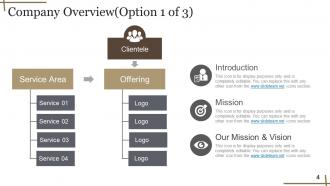
Slide 4: This is a slide on Company Overview displaying- Introduction, Mission, Our Mission & Vision, Clientele, Service Area, Logo, Offering.
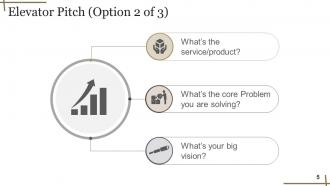
Slide 5: This is an Elevator Pitch slide showcasing- What’s the service/product? What’s the core problem you are solving? What’s your big vision?
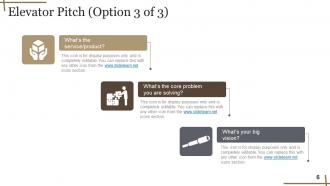
Slide 6: This slide shows the Elevator Pitch showing- What’s the core problem you are solving? What’s the service/product? What’s your big vision?
Slide 7: This slide presents Our team with names, designation and image boxes.
Slide 8: This slide shows The Problem to be presented and strategised about.
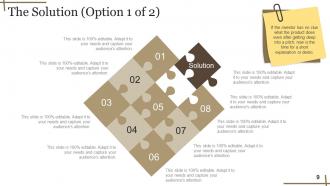
Slide 9: This slide shows The Solution to be presented and implemented. If the investor has no clue what the product does even after getting deep into a pitch; now is the time for a short explanation or demo.
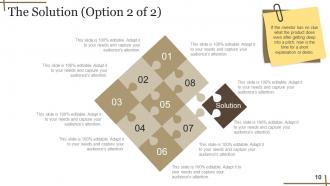
Slide 10: This slide also shows The Solution to be presented and implemented.
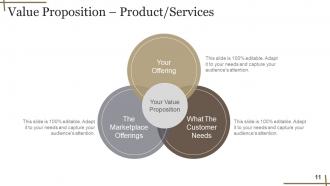
Slide 11: This slide shows the Value Proposition – Product/Services with- Your Offering, What The Customer Needs, The Marketplace Offerings, Your Value Proposition.
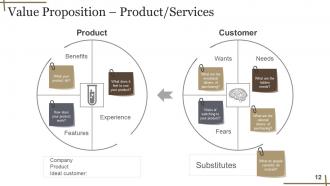
Slide 12: This slide shows Value Proposition – Product/Services displaying- Benefits, Features, Experience, Company, Product, Wants, Fears, Needs, Substitutes, Customer.
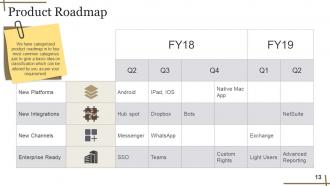
Slide 13: This slide showcases a Product Roadmap. We have categorized product roadmap in to four most common categories just to give a basic idea on classification which can be altered by you as per your requirement.
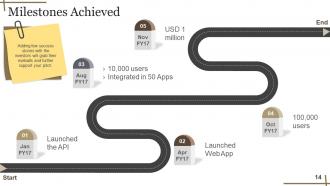
Slide 14: This slide shows Milestones Achieved (if any) to highlight fundraising aspects. Adding few success stories with the investors will grab their eyeballs and further support your pitch.
Slide 15: This slide shows Traction to present product market fit.
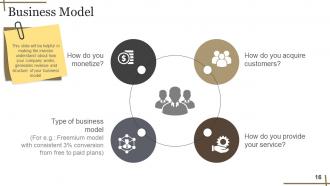
Slide 16: This slide presents a Business Model displaying- How do you provide your service? How do you acquire customers? How do you monetize? Type of business model as the main factors for understanding your business plan.
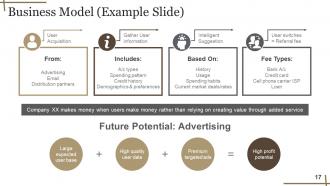
Slide 17: This slide showcases Business Model (Example Slide) displaying- From: Advertising, Email, Distribution partners, User Acquisition. Fee Types: Bank A/c, Credit card, Cell phone carrier ISP Loan, User switches = Referral fee. Includes: A/c types, Spending pattern, Credit history, Demographics & preferences, Gather User information. Based On: History, Usage, Spending habits, Current market deals/rates, Intelligent Suggestion. Future Potential: Advertising Large expected user base, High quality user data, Premium targeted ads, High profit potential.
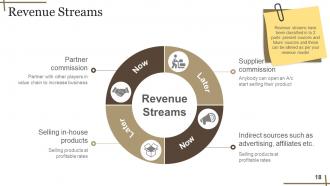
Slide 18: This slide presents Revenue Streams with the following subheadings- Partner commission, Supplier commission, Indirect sources such as advertising, affiliates etc. Selling in-house products, Revenue Streams. Revenue streams have been classified in to 2 parts: present sources and future sources and these can be altered as per your revenue model.
Slide 19: This slide shows Revenue Streams showing- Estimated Yearly Revenue, Pricing, Expected ARPU, Life-time value of a customer, Recurring Revenue Frequency, Expected conversion rate to get a paid client. We have considered 6 most important and commonly considered factors which are expected by the investors to be a part of their revenue model.
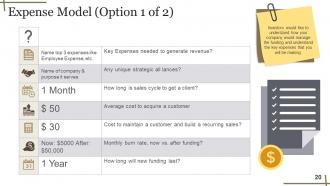
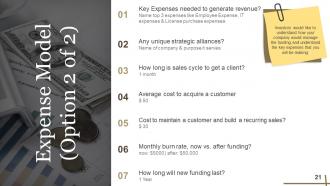
Slide 20: This slide presents an Expense Model. Investors would like to understand how your company would manage the funding and understand the key expenses that you will be making.
Slide 21: This slide also presents an Expense Model displaying- Key Expenses needed to generate revenue? Any unique strategic alliances? How long is sales cycle to get a client? Cost to maintain a customer and build a recurring sales? Monthly burn rate, now vs. after funding? How long will new funding last? Investors would like to understand how your company would manage the funding and understand the key expenses that you will be making.
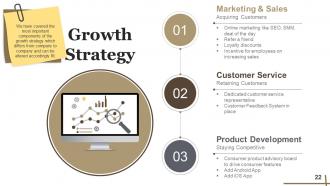
Slide 22: This slide presents Growth Strategy showing- Marketing & Sales, Customer Service, Product Development. We have covered the most important components of the growth strategy which differs from company to company and can be altered accordingly RI.
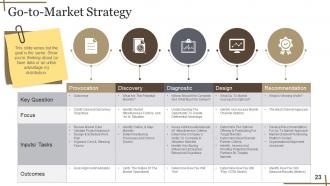
Slide 23: This slide presents Go-to-Market Strategy in tabular form.
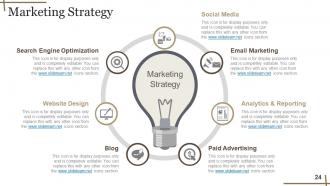
Slide 24: This slide showcases Marketing Strategy with the following subheadings- Email Marketing, Analytics & Reporting, Paid Advertising, Blog, Website Design, Search Engine Optimization.
Slide 25: This slide shows Competitive Landscape showcasing- Industry Segment, Indirect Competitors, Direct Competitors.
Slide 26: This slide shows Product Comparison in tabular form.
Slide 27: This is a SWOT Analysis slide in tabular form.
Slide 28: This is also a SWOT Analysis slide.
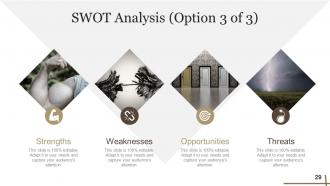
Slide 29: This slide too displays a SWOT Analysis.
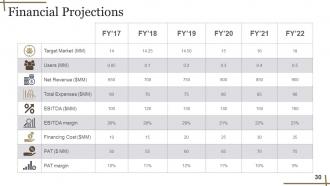
Slide 30: This slide showcases Financial Projections in tabular form.
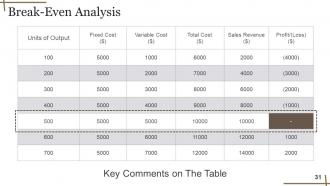
Slide 31: This slide shows a Break-Even Analysis in tabular form.
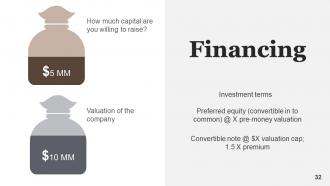
Slide 32: This slide shows Financing aspects to display how much are you willing to raise and what is valuation of the company.
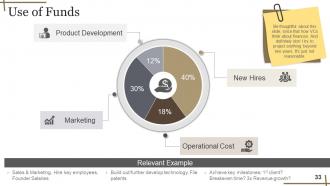
Slide 33: This slide shows Use of Funds with the following subheadings- New Hires Product Development Marketing Operational Cost Be thoughtful about this slide, since that how VCs think about finances. And definitely don’ t try to project anything beyond two years. It's just not reasonable.
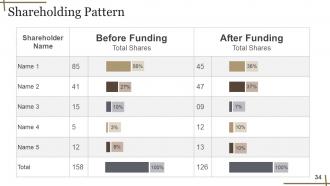
Slide 34: This slide presents Shareholding Pattern in tabular form.
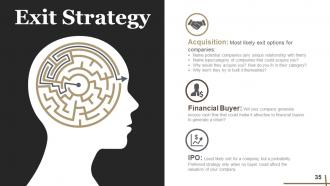
Slide 35: This slide shows Exit Strategy with- Acquisition, Financial Buyer, IPO as factors to present.
Slide 36: This is a Client Testimonials slide with name, designation and image boxes to fill information for.
Slide 37: This is a Contact Details slide with Address# street number, city, state, Contact Numbers, Email Address.
Slide 38: This is a Coffee Break slide to halt. You can change the image as per requirement/need.
Slide 39: This is an Icons Slide Seed Funding. Use them as per requirement.
Slide 40: This slide is titled Additional Slides to move forward. You may change the slide content as per need.
Slide 41: This is Our Vision slide with Mission and Goals and text boxes to go with. State them here.
Slide 42: This is Our team slide with names and designation to fill information for.
Slide 43: This is an About us slide. State team/company specifications here.
Slide 44: This is Our Goal slide. State goals, targets etc. here.
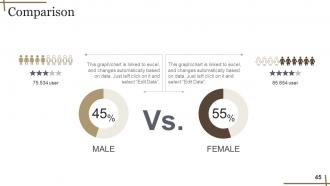
Slide 45: This is a Comparison slide to show comparison, information, specifications etc.
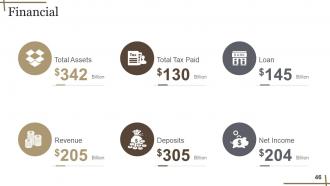
Slide 46: This is a Financial Score slide. State financial aspects etc. here.
Slide 47: This is a Quotes slide. Convey message, beliefs etc. here. You may change the slide content as desired.
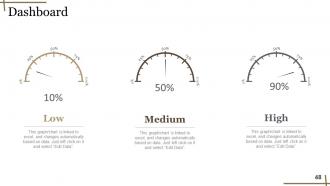
Slide 48: This is a Dashboard slide for showing information, specifications etc.
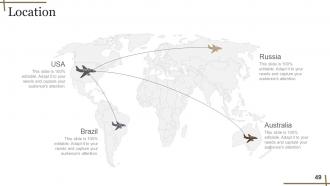
Slide 49: This is a Locations slide of world map top show global marketing, growth, presence etc.
Slide 50: This is a Timeline slide to show milestones, evolution, growth highlights etc.
Slide 51: This is an Important Notes slide to mark reminders, events etc.
Slide 52: This is a Newspaper slide to show important information etc. You may alter/modify the slide content as per need.
Slide 53: This is a Puzzle image slide. State information, specifications etc. here.
Slide 54: This is a Target slide. State your targets, aspirations etc. here.
Slide 55: This is a Circular image slide with icons. State information, specifications etc. here.
Slide 56: This is a Venn diagram image slide. State information, specifications etc. here.
Slide 57: This is a Mind Map image slide to show information, specifications etc.
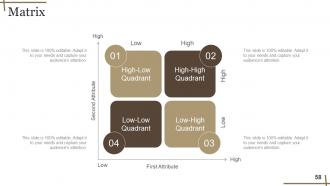
Slide 58: This slide presents a Matrix for representing an information.
Slide 59: This is a Lego slide with text boxes to show information, specifications etc.
Slide 60: This is a Bulb or Idea slide to state a new idea or highlight innovative specifications/information etc.
Slide 61: This is a Funnel slide. Showcase the funnel aspect of your team, company, product etc.
Slide 62: This slide is titled Our Charts to move forward. You can change the slide content as per need.
Slide 63: This is a Column chart slide to show product/entity comparison, specifications etc.
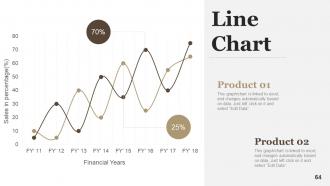
Slide 64: This is a Line chart slide to show product/entity comparison, specifications etc.
Slide 65: This is a Doughnut chart slide to show product/entity comparison, specifications etc.
Slide 66: This is a Bar Chart slide to show product/entity comparison, specifications etc.
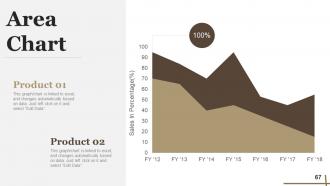
Slide 67: This is an Area Chart slide to show product/entity comparison, specifications etc.
Slide 68: This is a Radar Chart slide to show product/entity comparison, specifications etc
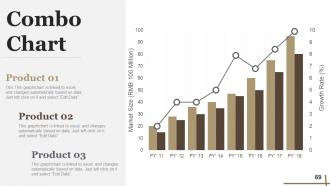
Slide 69: This is a Combo Chart slide to show product/entity comparison, specifications etc.
Slide 70: This is a Contact Us slide with Email Address, Address# street number, city, state, Contact Numbers.s
Slide 71: This is a Thank You slide for acknowledgement and ending a presentation.
Seed Funding Powerpoint Presentation Slides with all 71 slides:
Use our Seed Funding Powerpoint Presentation Slides to effectively help you save your valuable time. They are readymade to fit into any presentation structure.
-
Seed Funding
-
Agenda Slide
-
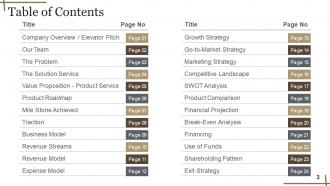
Table of Contents
-
Company Overview Option 1 of 3
-
Elevator Pitch Option 2 of 3
-
Elevator Pitch Option 3 of 3
-

Our Team
-

The Problem
-
The Solution Option 1 of 2
-
The Solution Option 2 of 2
-
Value Proposition Product Services
-
Value Proposition Product Services
-
Product Roadmap
-
Milestones Achieved
-

Traction
-
Business Model
-
Business Model Example Slide
-
Revenue Streams
-

Revenue Streams
-
Expense Model Option 1 of 2
-
Expense Model Option 2 of 2
-
Growth Strategy
-
Go to Market Strategy
-
Marketing Strategy
-
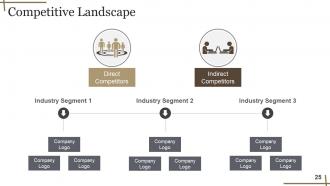
Competitive Landscape
-
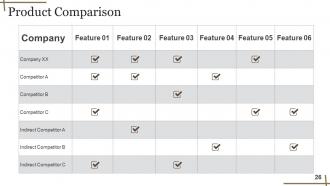
Product Comparison
-
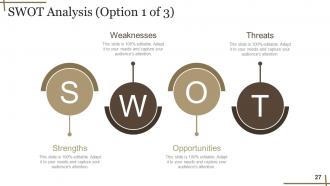
SWOT Analysis Option 1 of 3
-
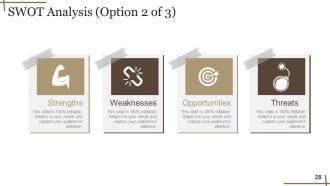
SWOT Analysis Option 2 of 3
-
SWOT Analysis Option 3 of 3
-
Financial Projections
-
Break Even Analysis
-
Financing
-
Use of Funds
-
Shareholding Pattern
-
Exit Strategy
-

Client Testimonials
-
Contact Details
-

Coffee Break
-
Icons Slide Seed Funding
-

Additional Slides
-

Our Vision
-

Our Team
-

About Us
-
Our Goal
-
Comparison
-
Financial
-

Seed Funding
-
Dashboard
-
Location
-

Timeline
-
Important Note
-

Newspaper
-
Puzzle
-

Target
-
Circular
-
Venn
-
Mind Map
-
Matrix
-
Lego
-
Bulb or Idea
-
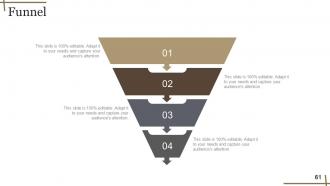
Funnel
-

Our Charts
-
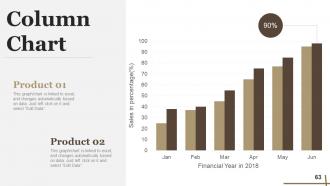
Column Chart
-
Line Chart
-

Doughnut Chart
-

Bar Chart
-
Area Chart
-

Radar Chart
-
Combo Chart
-

Contact Us
-

Thank You
FAQs for Seed Funding
Honestly, investors care about three main things. Your team comes first - can you actually pull this off? They're betting on people way more than ideas. Next is the problem you're solving and whether enough people have it to build a real business around. Traction matters too - even small stuff like customer interviews or a pilot program. Business model's obviously key... how will you make money? Oh and growth potential - they want to see a path forward. The real thing though? Show you get your customers. Like really understand what they need and will pay for.
Dude, focus on three things: the problem you're solving, your solution, and any traction you've got. Most founders I know get this backwards - they dive straight into features when they should be explaining the actual pain point first. Your deck should be like 10-12 slides tops. Practice telling the story, not just presenting data. And honestly? The traction part doesn't have to be revenue yet. User feedback works. Pre-orders work too. Oh, and definitely know your unit economics inside and out. Investors will ask. Be passionate about what you're building, but you'll need real market validation to back up that energy.
Dude, biggest mistakes I see? Don't raise before you actually have traction - like, real customers paying you money. Also avoid asking for some crazy amount that makes no sense for your stage. And please don't spam every investor on AngelList, that's just embarrassing. Instead, find VCs who actually invest in your space and build relationships first. Oh and stop obsessing over your "revolutionary" idea - I swear everyone thinks they're the next Uber. Show actual market demand and solid numbers. That's what gets investors interested, not another "we're gonna disrupt everything" pitch.
Most seed rounds fall between $100K-$2M, but honestly $500K-$1M is pretty typical. Your industry matters a ton though - SaaS companies can get by with way less cash than something like biotech. Figure out how much runway gets you to your next big milestone. Could be product-market fit, first real revenue, whatever makes sense for Series A prep. I'd shoot for 12-18 months of buffer because things always take longer than you think they will. Don't just throw out a random number - actually map your expenses and growth plans first. Makes the whole pitch way more convincing too.
So angels are usually rich people who've already built companies - they get the struggle, you know? They invest their own cash, maybe $10K-$100K, and actually mentor you. VCs are different - they're managing other people's money from big institutions. Way stricter rules, bigger checks ($500K+), but they'll want more control over your decisions. Honestly, I'd go after angels first when you're starting out. They care more about backing YOU as a person rather than obsessing over perfect numbers. VCs are great later, but angels actually take risks on early ideas.
Dude, start with AngelList and Crunchbase - seriously good for finding investors in your space. Y Combinator and Techstars are obvious choices but crazy competitive. Your local scene matters too though. Hit up regional angel groups and startup meetups in your area. LinkedIn's actually clutch for stalking investors before you pitch them (in a professional way lol). Oh, and don't sleep on university programs if there's a decent school nearby. Honestly? Build relationships way before you need cash. Makes everything easier when you're not desperately begging for money.
Look, you gotta show real proof that people actually want your thing. Pick 2-3 metrics that make sense for your industry - maybe user growth, revenue, engagement, whatever fits. But honestly? The story behind those numbers matters way more than just dumping stats on investors. They can spot fake momentum from a mile away. If you're not making money yet, focus on engagement stuff - waitlists, user activity, letters of intent. Track your key metrics consistently over time. That's what shows you're not just another startup throwing spaghetti at the wall.
Okay so seed funding - you're looking at giving up 10-25% equity typically. Investors want board seats, anti-dilution protection, liquidation preferences (they get paid first if things go south). There's usually founder vesting schedules too. Valuation caps can honestly be rough at this stage, but that's just how it goes. You'll see drag-along and tag-along rights, share transfer restrictions, investor approval rights for big decisions - the usual stuff. Oh and seriously, get a startup lawyer to look at the term sheet before signing. Those free templates you find online? Don't even bother with them.
So for seed rounds, you're looking at giving up maybe 15-25% equity. Basic math - if you're worth $4M and raise $1M, that's 20% to investors. Though honestly, negotiations can get pretty heated even over "simple" math. Investors usually get preferred shares with all their fancy protections, while you stick with common. Here's the thing though - future rounds will dilute your stake, so don't be too generous early on. I'd definitely run some scenarios to see where your ownership lands after a few funding rounds. Gets eye-opening pretty quick.
Honestly, seed funding can totally help your valuation down the road if you're smart about it. Yeah, you're giving up equity early - that part sucks. But the cash helps you hit real milestones and prove product-market fit before going after bigger rounds. Makes you way less risky for Series A investors. I've seen too many founders try to bootstrap everything and just run out of money. The trick is raising enough to actually move the needle but not so much that you dilute yourself into nothing. Use that money to 2x or 3x your next valuation.
Honestly, just pour most of your seed money into product and getting customers. I'd say like 60-70% should go toward building your core thing - hiring devs, designers, maybe one or two key people you really need. The rest? Spend it on actually finding customers. Marketing, sales, whatever works for your space. Skip the fancy office for now (I know, I know, but seriously). You're trying to prove people want what you're building and will actually pay for it. Watch your burn rate like crazy - every dollar should push you closer to that sweet spot where the product just clicks with the market.
Convertible notes are basically loans that flip to equity later - way easier than pricing your company right now. You don't have to figure out valuation upfront, which honestly saves tons of headaches when you're still early stage. Equity means investors get actual ownership shares immediately, but that requires negotiating what your startup's worth. Notes come with perks for investors too - discounts and caps when they convert. The whole process moves faster since there's less legal stuff to hash out. For seed rounds, I'd probably go with convertible notes unless you really need to set a valuation for some reason.
Okay so here's the deal - use that seed money to nail product-market fit and get real customers paying you. Don't waste it on a sick office or hiring too fast (seen way too many startups crash doing this). Build a tight team first, then obsess over user feedback to actually improve your product. Series A investors want to see consistent growth numbers and proof your unit economics aren't garbage. Track literally everything because they'll dig into your metrics hard. Basically you're trying to show the business model works small-scale so they'll give you cash to blow it up. Make sense?
Honestly, just nail down the big three: your equity slice, what they're valuing you at, and who controls the board. Research market rates first - you don't want to walk in clueless. Lawyers will try to complicate every tiny clause, but whatever. Push back hard if they want too much say in your future moves. Seed guys actually expect you to negotiate, so their first offer is never their best. Try to get multiple term sheets if you can - competition is your friend here. Oh and pick someone you can actually stand working with for the next few years, not just whoever throws the biggest number at you.
Dude, your founding story is actually massive for getting seed money. Investors bet on founders way more than ideas - they need to know why you're the right person for this specific problem. What drove you here? Some personal experience or moment where it all clicked? Honestly, I've watched pretty average ideas get funded just because the founder told an incredible story. Meanwhile brilliant concepts with boring pitches get ignored. Make sure there's a clear line from your background to the problem you're tackling. That connection is what they're really looking for.
-
Professional and unique presentations.
-
Very unique and reliable designs.
-
Perfect template with attractive color combination.
-
Understandable and informative presentation.
-
Presentation Design is very nice, good work with the content as well.
-
Very well designed and informative templates.
-
Attractive design and informative presentation.
-
Commendable slides with attractive designs. Extremely pleased with the fact that they are easy to modify. Great work!
-
Unique design & color.
-
Unique research projects to present in meeting.
-
Page:
- You're currently reading page 1
- Page 2
-
