


Startup investor presentation ppt complete powerpoint deck with slides
Need to raise funds for a new venture? Our startup Investor PowerPoint PPT is all you need. Our content ready and professionally designed pitch deck presentation for attracting venture capital has various PPT templates and designs like elevator pitch, problem and solution, product demo, market size, business model canvas, proprietary technology, competition identification and table, competition positioning, competitive analysis matrix, our offering vs. competition, marketing launch plan, sales and marketing plan, digital marketing plan, financials expecting, client testimonials etc. If you want customized slide designs, our design team is at your service. You can use this startup investor PPT presentation for topics like seed money, angel funding, corporate investment, fundraising, startup for new business, crowdfunding, seed capital, start-up money, private investment etc. Hurry up! Download our startup investor presentation PPT PowerPoint presentation slides and get on the right track. Make the right impression on angel investors and venture capitalists with our professional pitch deck template. Figure out how to carry on going forward with our Startup Investor Presentation Ppt Complete Powerpoint Deck With Slides. It helps identify the deadlock.
Need to raise funds for a new venture? Our startup Investor PowerPoint PPT is all you need. Our content ready and professi..




















-

- Google Slides is a new FREE Presentation software from Google.
- All our content is 100% compatible with Google Slides.
- Just download our designs, and upload them to Google Slides and they will work automatically.
- Amaze your audience with SlideTeam and Google Slides.
-

Want Changes to This PPT Slide? Check out our Presentation Design Services
-

- WideScreen Aspect ratio is becoming a very popular format. When you download this product, the downloaded ZIP will contain this product in both standard and widescreen format.
-

- Some older products that we have may only be in standard format, but they can easily be converted to widescreen.
- To do this, please open the SlideTeam product in Powerpoint, and go to
- Design ( On the top bar) -> Page Setup -> and select "On-screen Show (16:9)” in the drop down for "Slides Sized for".
- The slide or theme will change to widescreen, and all graphics will adjust automatically. You can similarly convert our content to any other desired screen aspect ratio.
Compatible With Google Slides

Get This In WideScreen
You must be logged in to download this presentation.


Do you want to remove this product from your favourites?
PowerPoint presentation slides
Presenting Startup Investor Presentation Ppt PowerPoint Presentation Slides. Templates are editable in PowerPoint. Change the colors and fonts as per your startup’s branding. This presentation has 59 slides. Available in both widescreen (16:9 aspect ratio) and standard (4:3) aspect ratio. Downloads are risk-free. This presentation is useful for stakeholders, company investors etc. Graphics are compatible with Google slides. Customers have prime support. This ready-to-use PPT comprises visually stunning PowerPoint templates, icons, visual designs, data-driven charts and graphs and business diagrams. Download the presentation, enter your content in the placeholders and present with confidence!

People who downloaded this PowerPoint presentation also viewed the following :
Content of this Powerpoint Presentation
Slide 1: This slide presents Startup Investor Presentation PPT. State your company name and continue.
Slide 2: This is an Agenda slide to showcase your agendas.
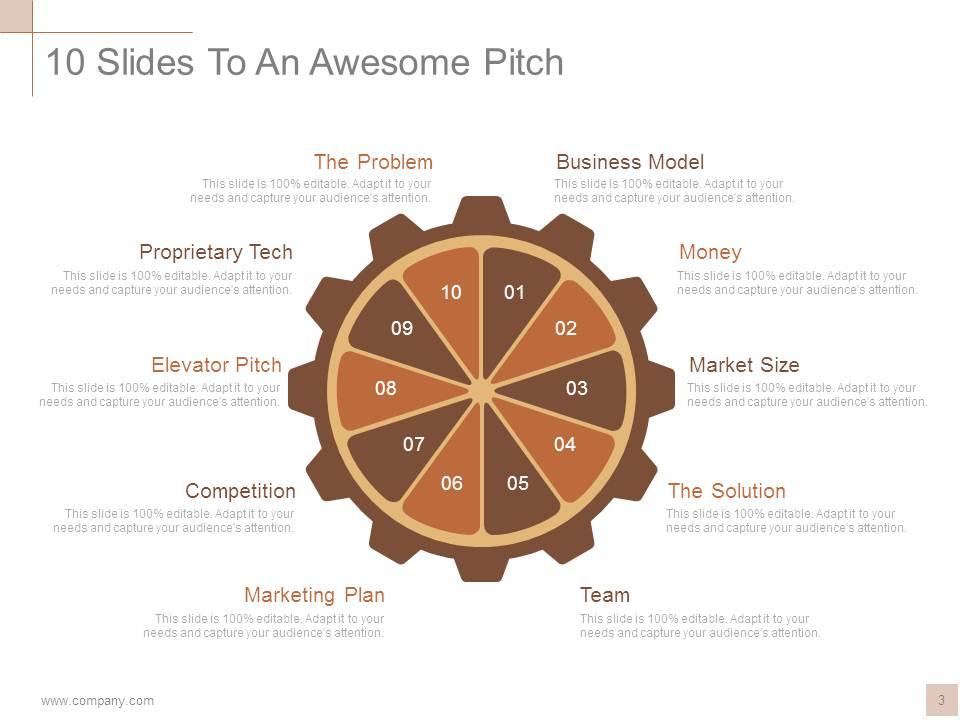
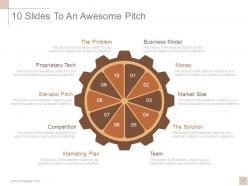
Slide 3: This slide shows 10 Slides To An Awesome Pitch containing- Team, Marketing Plan, Competition, Proprietary Tech, Business Model, Market Size, The Solution, The Problem, Money, Elevator Pitch.
Slide 4: This slide is titled Teaser Slide.
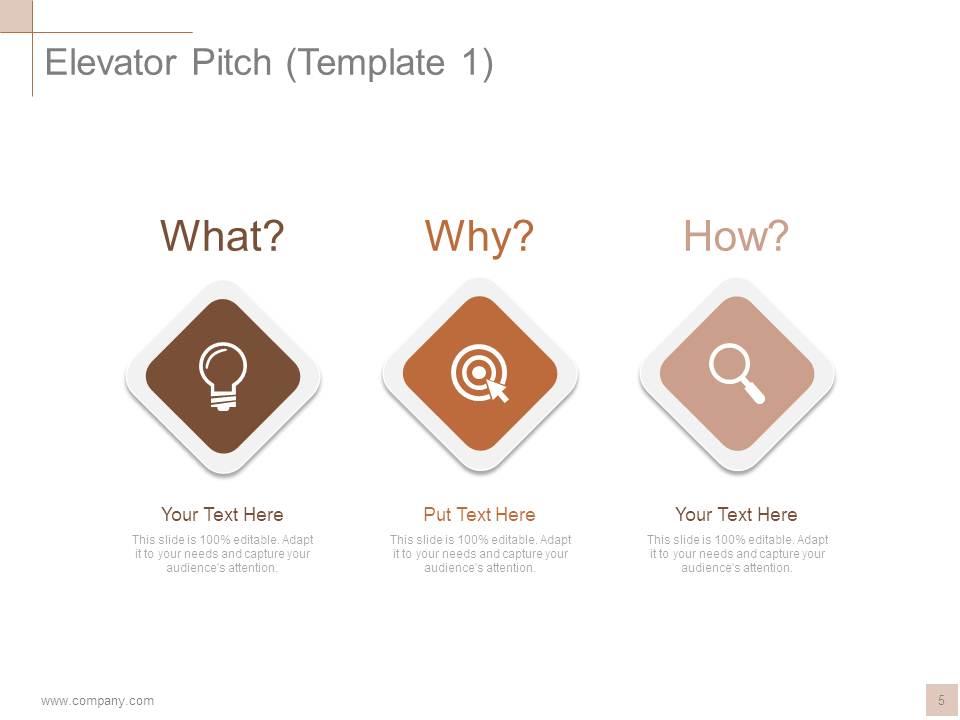
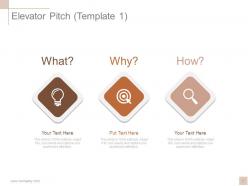
Slide 5: This slide presents the first template on Elevator Pitch showing- Why? How? What?
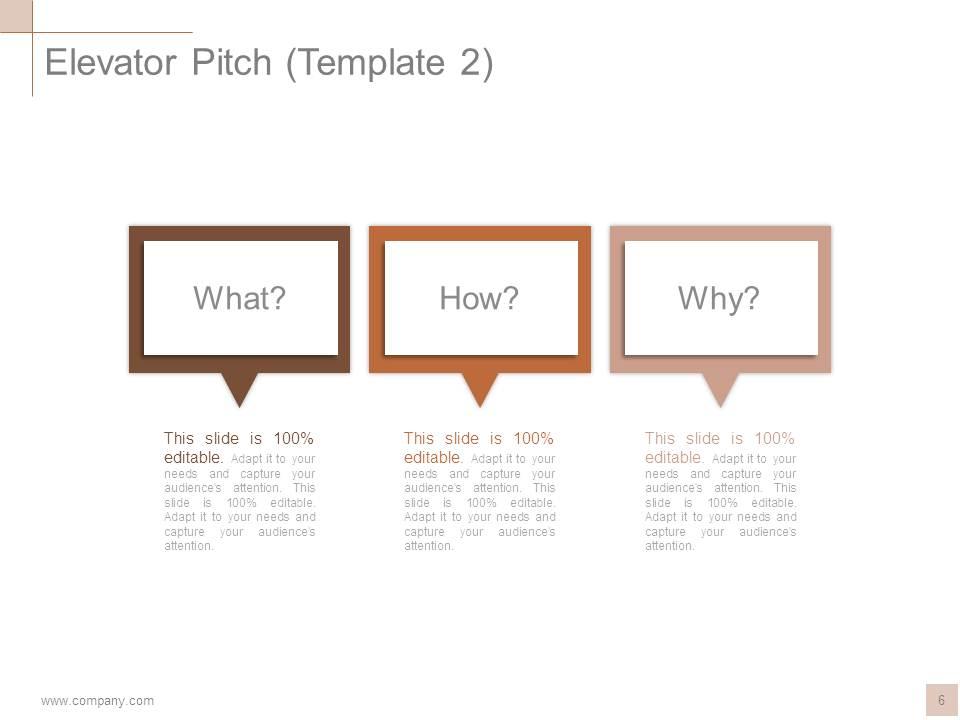
Slide 6: This slide presents the second template on Elevator Pitch.
Slide 7: This slide presents the third template on Elevator Pitch containing Write your Elevator Pitch here imagery and text boxes.
Slide 8: This is The Problem stating slide with creative imagery and text boxes.
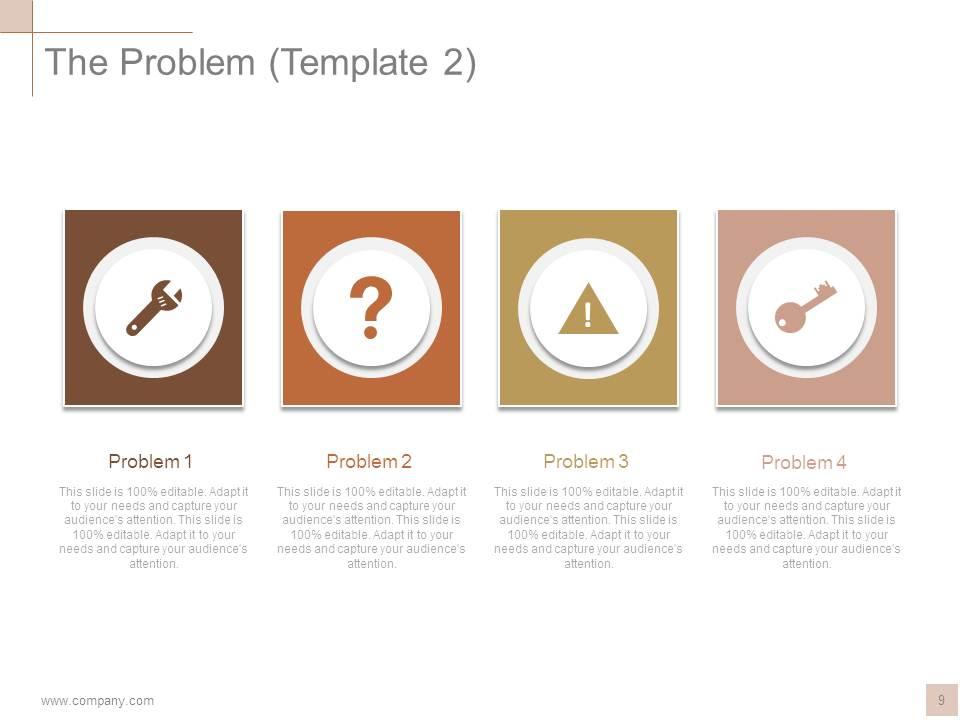
Slide 9: This slide also shows The Problem to be presented and strategized about.
Slide 10: This is another The Problem slide to state.
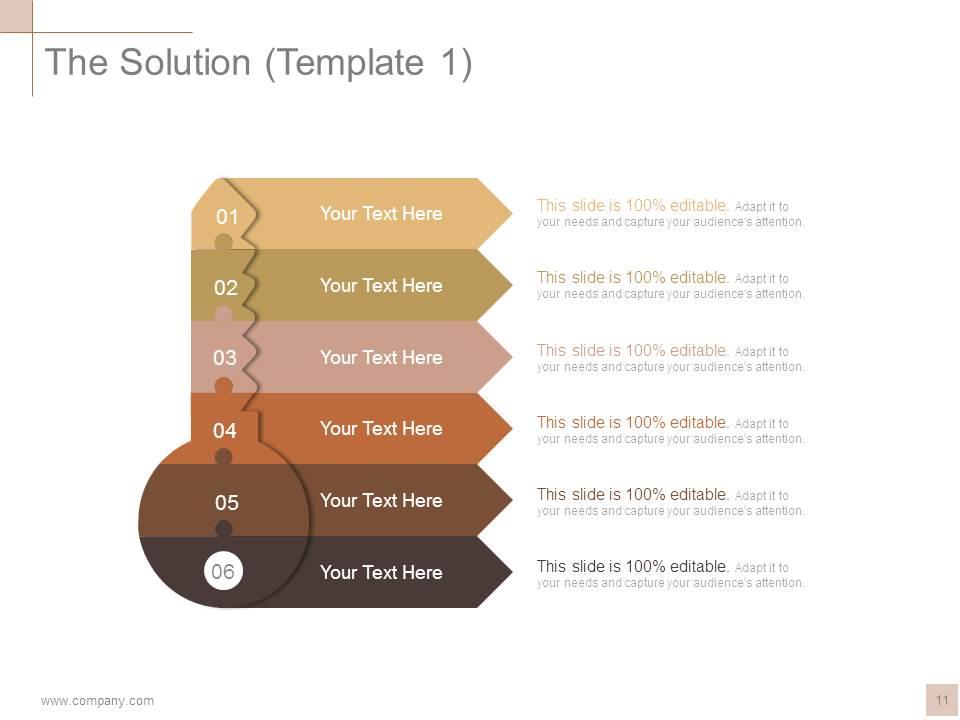
Slide 11: This slide shows The Solution to be presented and implemented. If the investor has no clue what the product does even after getting deep into a pitch; now is the time for a short explanation or demo.
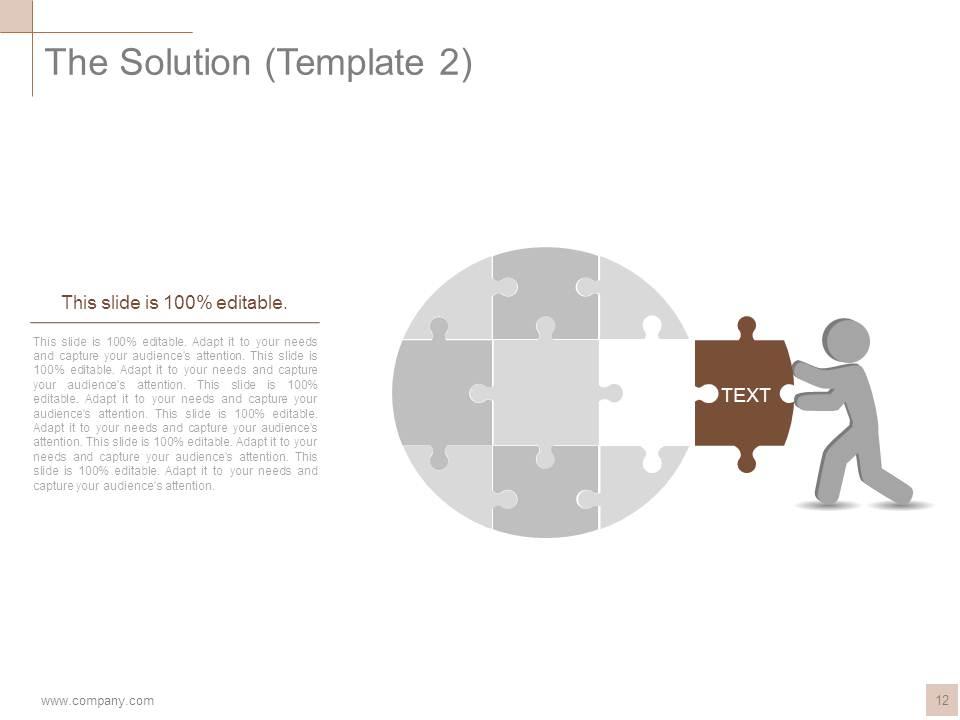
Slide 12: This slide also shows The Solution with creative imagery.
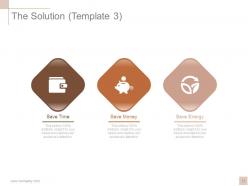
Slide 13: This is another The Solution slide with the following content- Save Time, Save Money, Save Energy.
Slide 14: This slide presents Product Demo. State product aspects here.
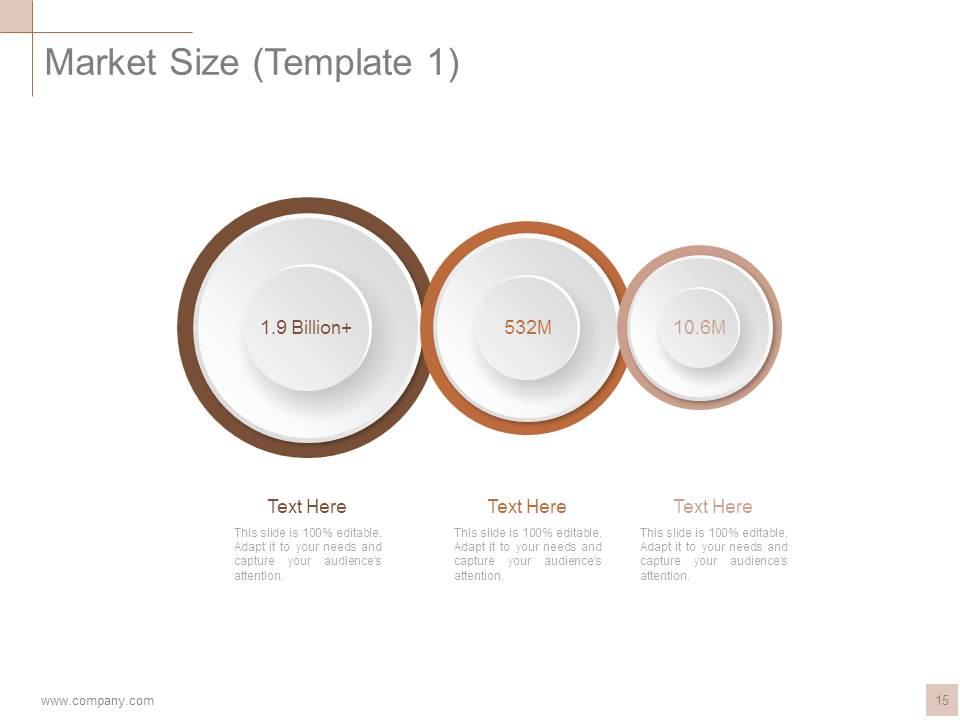
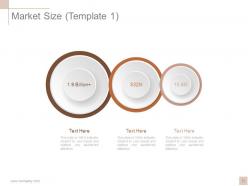
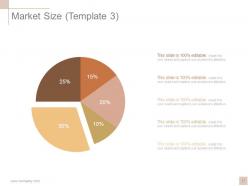
Slide 15: This is first slide showing Market Size.
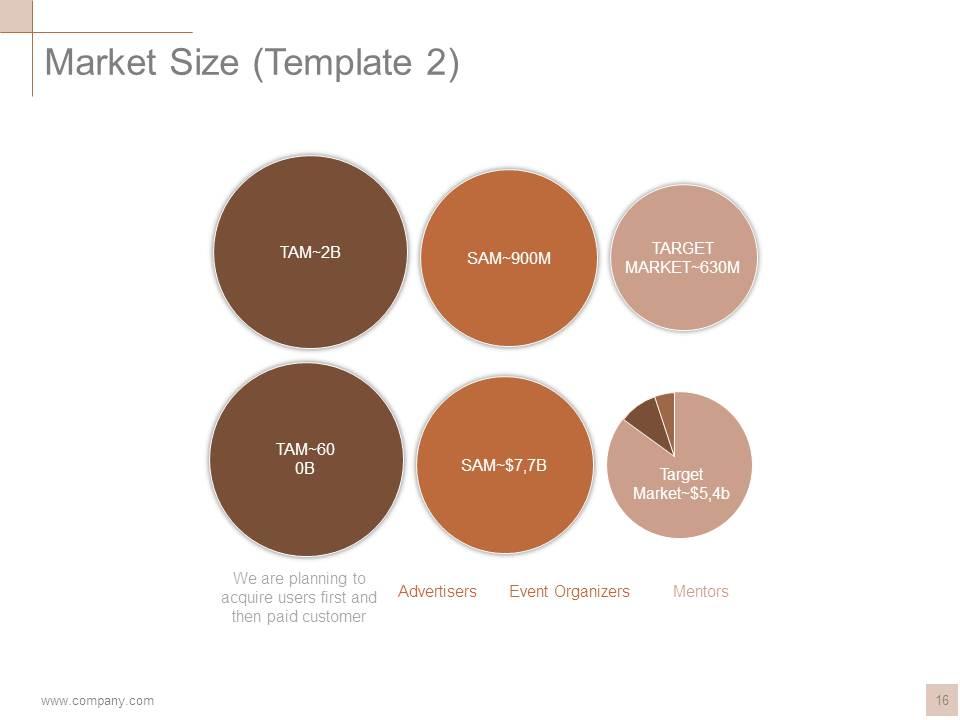
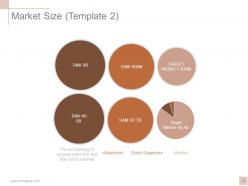
Slide 16: This is second slide showing Market Size. It also shows- Advertisers, Event Organizers, Mentors.
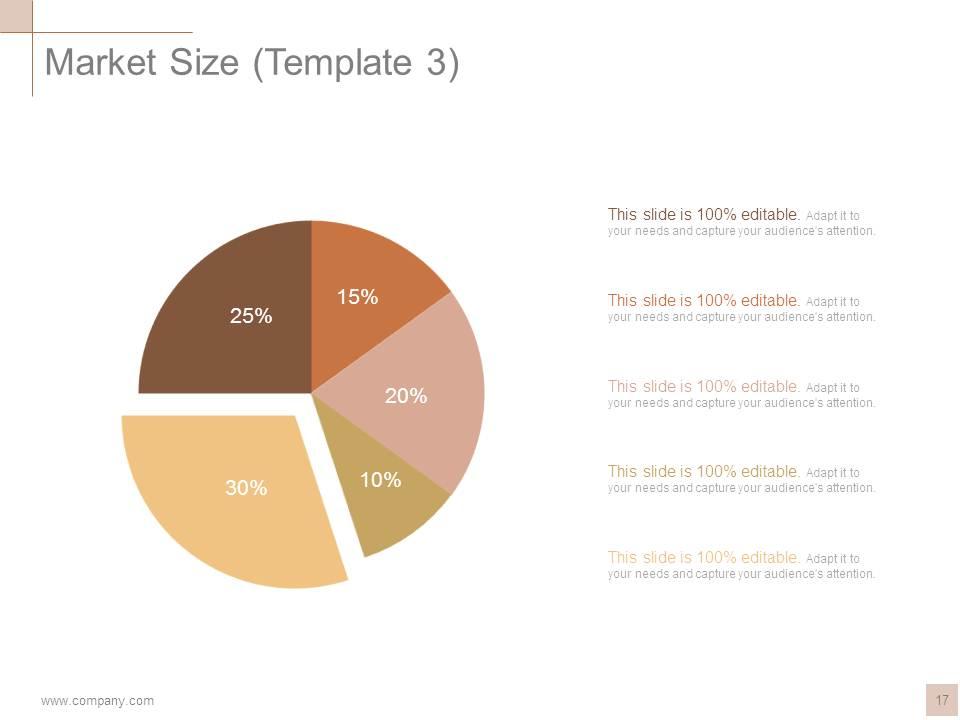
Slide 17: This is third slide showing Market Size.
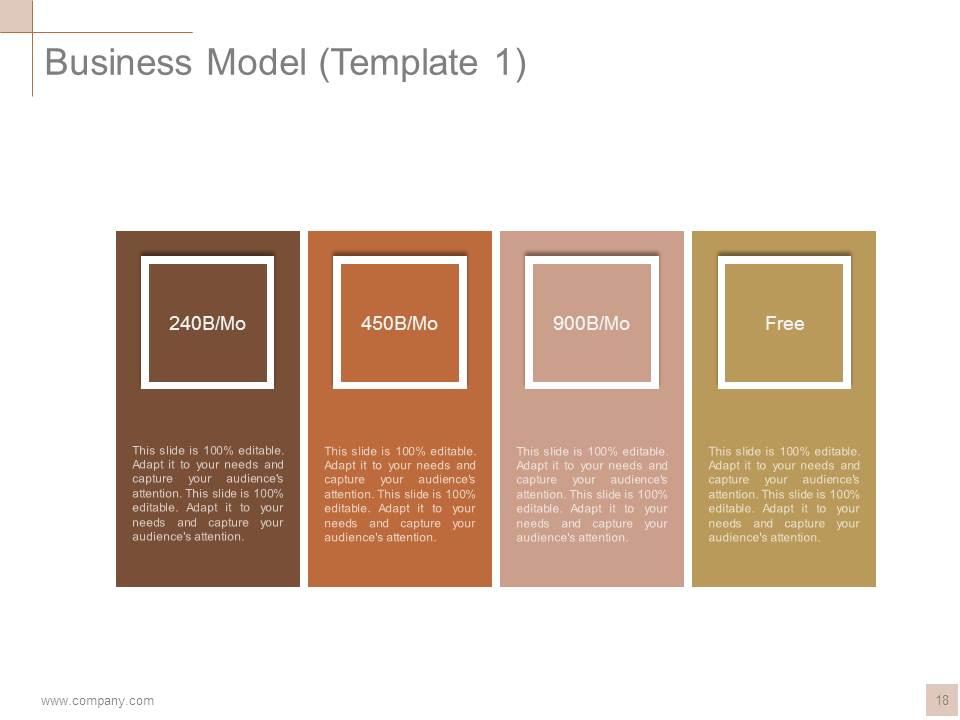
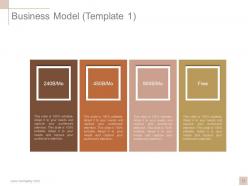
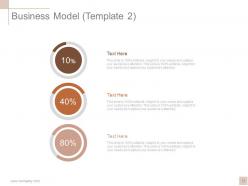
Slide 18: This slide shows Business Model. Present how your business model would look like, its functioning aspects etc.
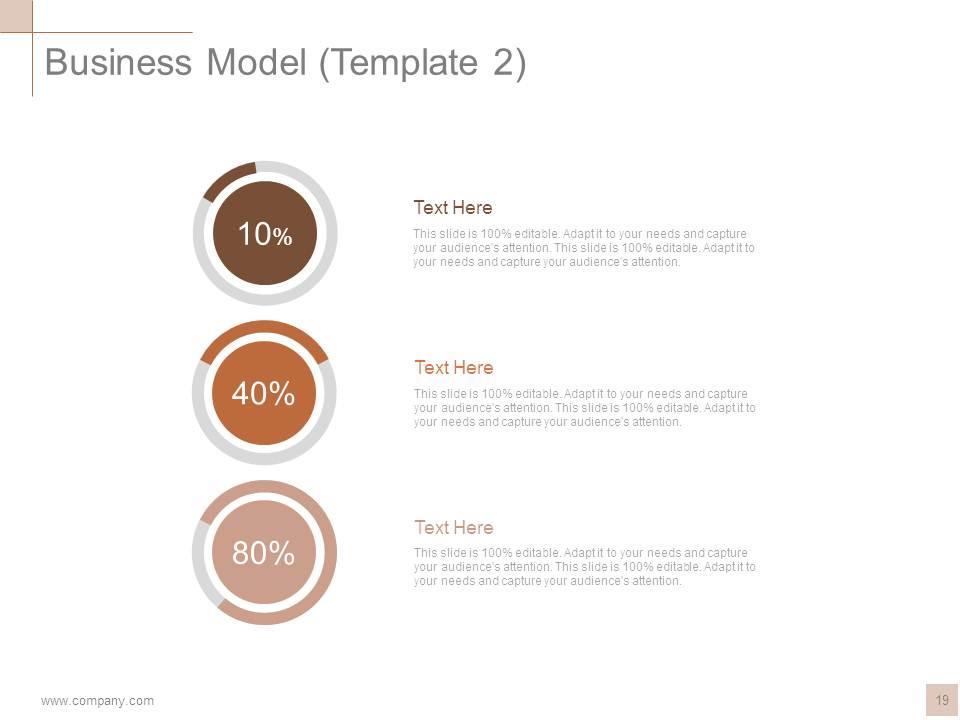
Slide 19: This slide also shows Business Model. Present how your business model would look like, its functioning aspects etc.
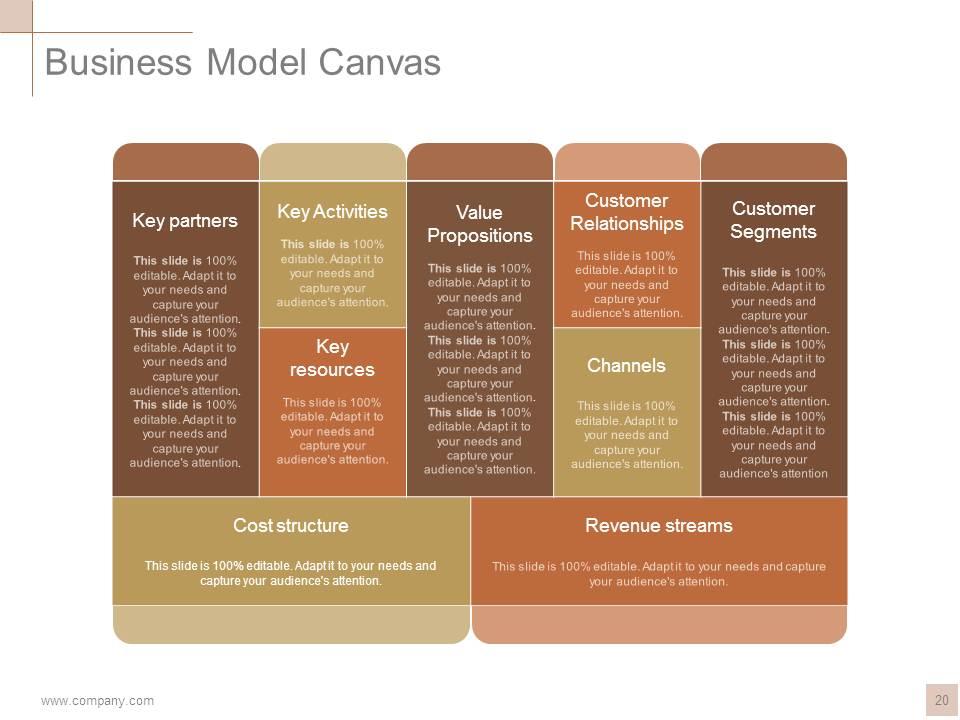
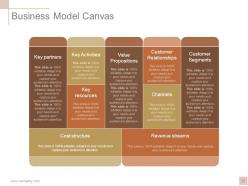
Slide 20: This slide presents a Business Model Canvas displaying- Key partners, Key Activities, Key resources, Customer Relationships, Channels, Customer segments, Cost structure, Revenue streams, Value Propositions.
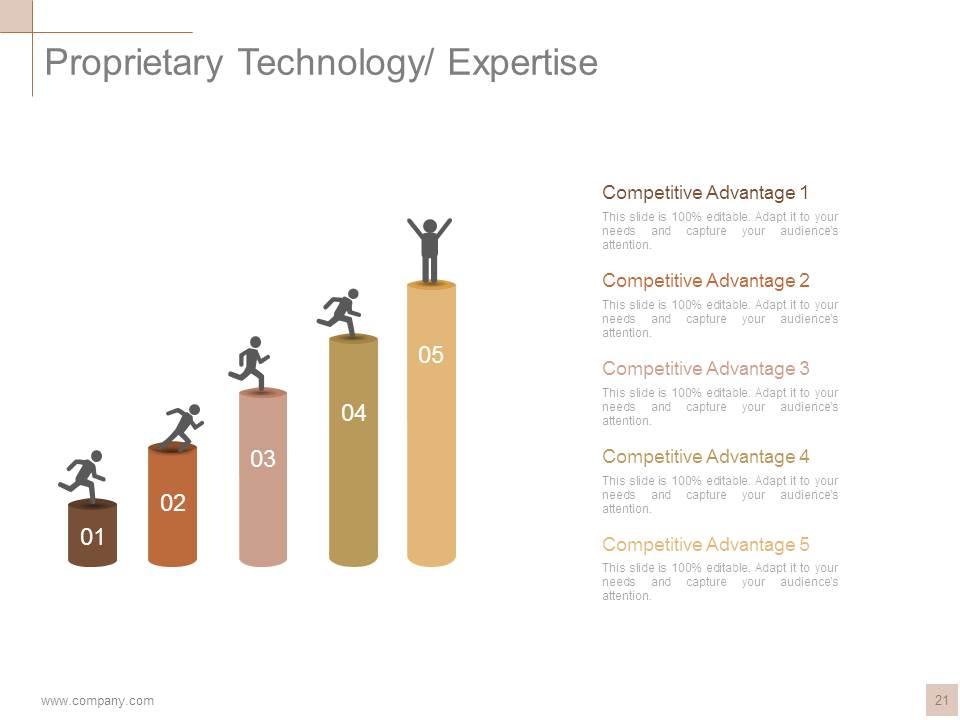
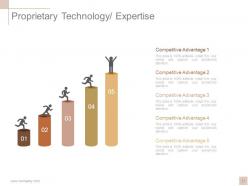
Slide 21: This slide shows Proprietary Technology/ Expertise with Competitive Advantages.
Slide 22: This slide also shows Proprietary Technology/ Expertise.
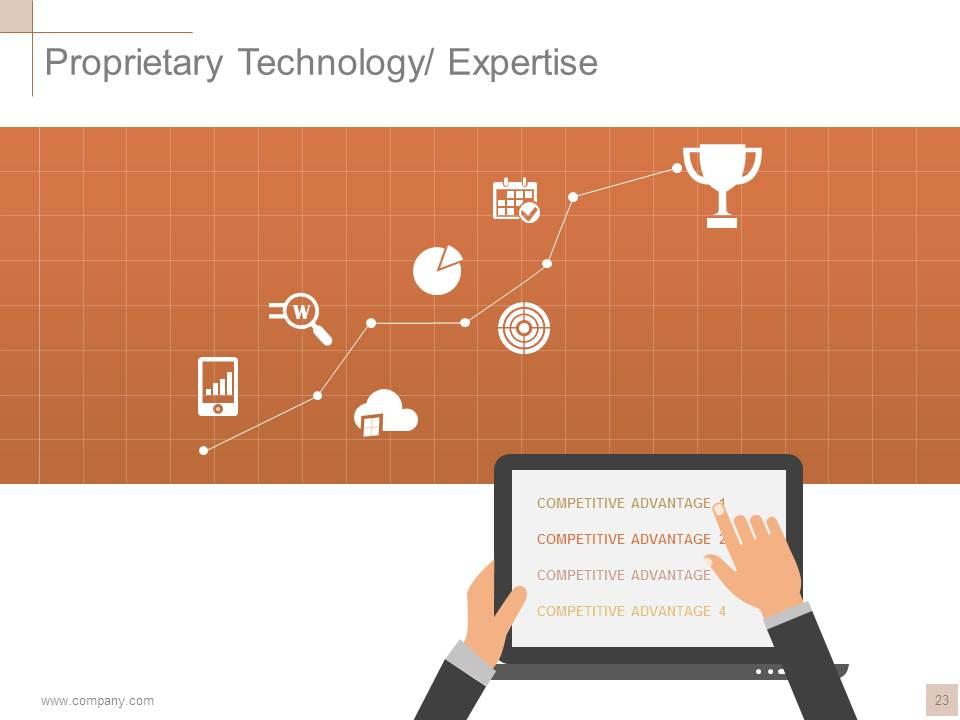
Slide 23: This is another slide showing Proprietary Technology/ Expertise with creative graph imagery.
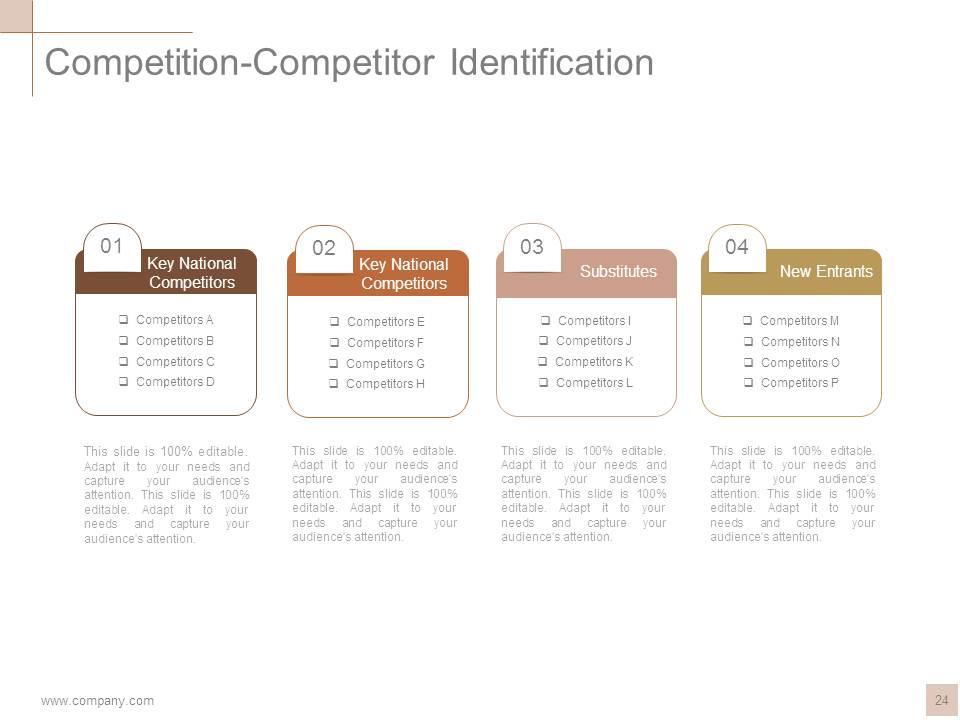
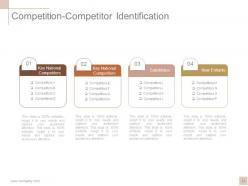
Slide 24: This is a Competition-Competitor Identification slide with the following constituents- Substitutes, New entrants, Key national competitors, Key national competitors.
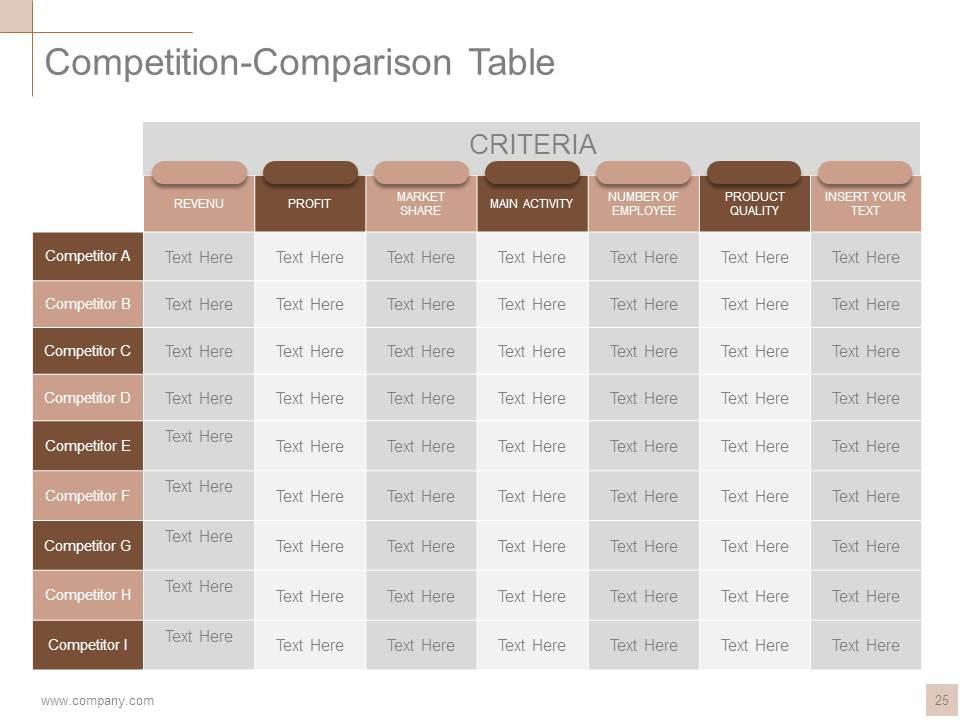
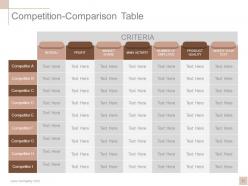
Slide 25: This slide presents Competition-Comparison Table with the following sub headings- Criteria, Revenue, Profit, Market Share, Main Activity, Number Of Employee, Product Quality.
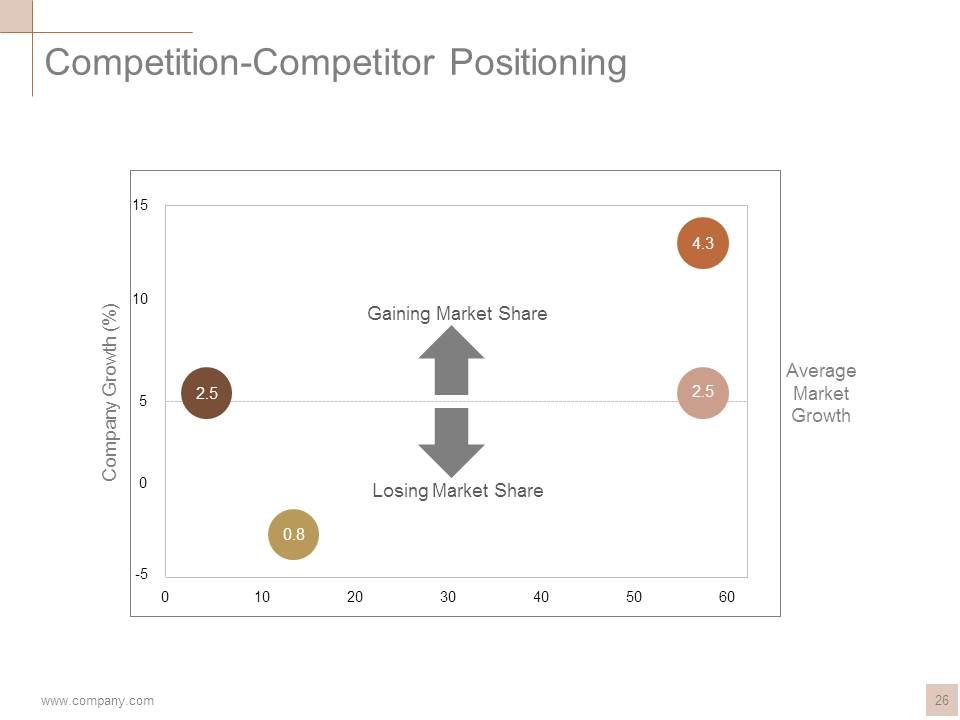
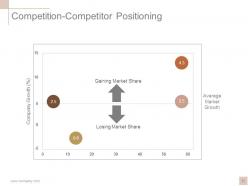
Slide 26: This is a Competition-Competitor Positioning slide showing- Average Market Growth, Company Growth (%), Gaining Market Share, Losing Market Share.
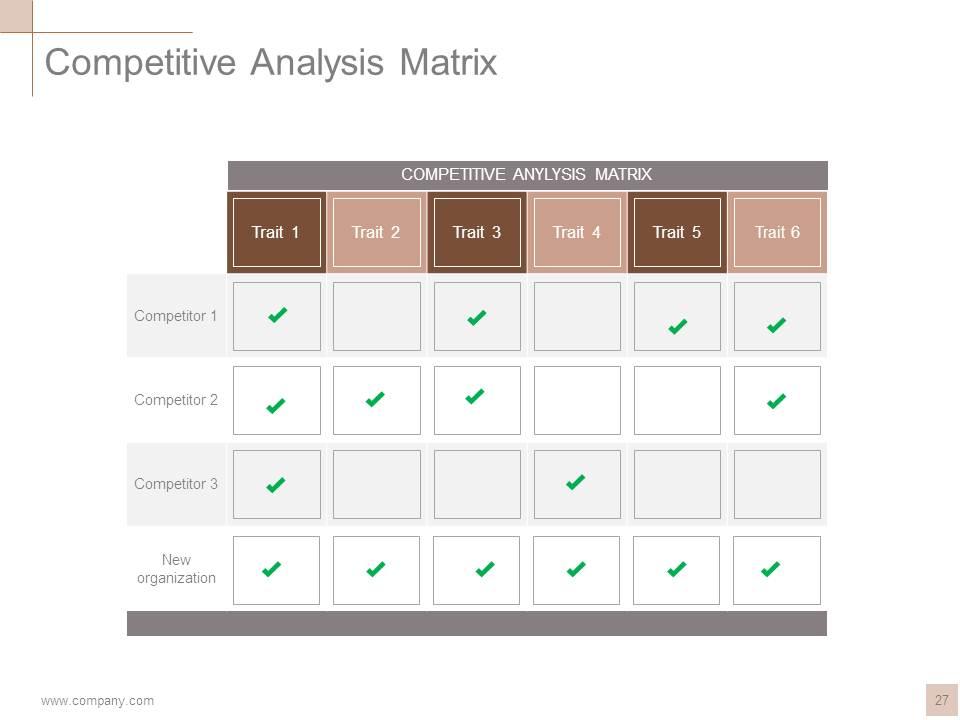
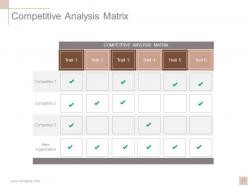
Slide 27: This slide shows a Competitive Analysis Matrix. Fill in the Traits along with the Competitors and New Organization.
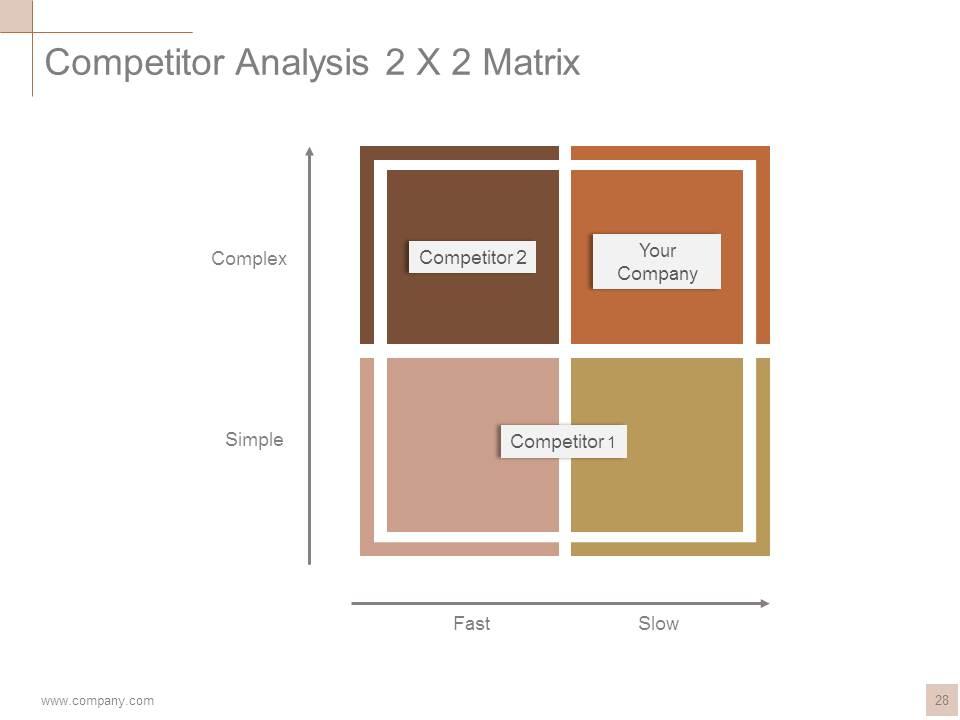
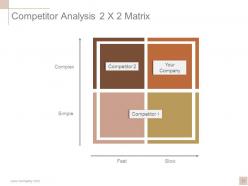
Slide 28: This slide showcases a Competitive Analysis 2 X 2 Matrix to compare your company with competitors.
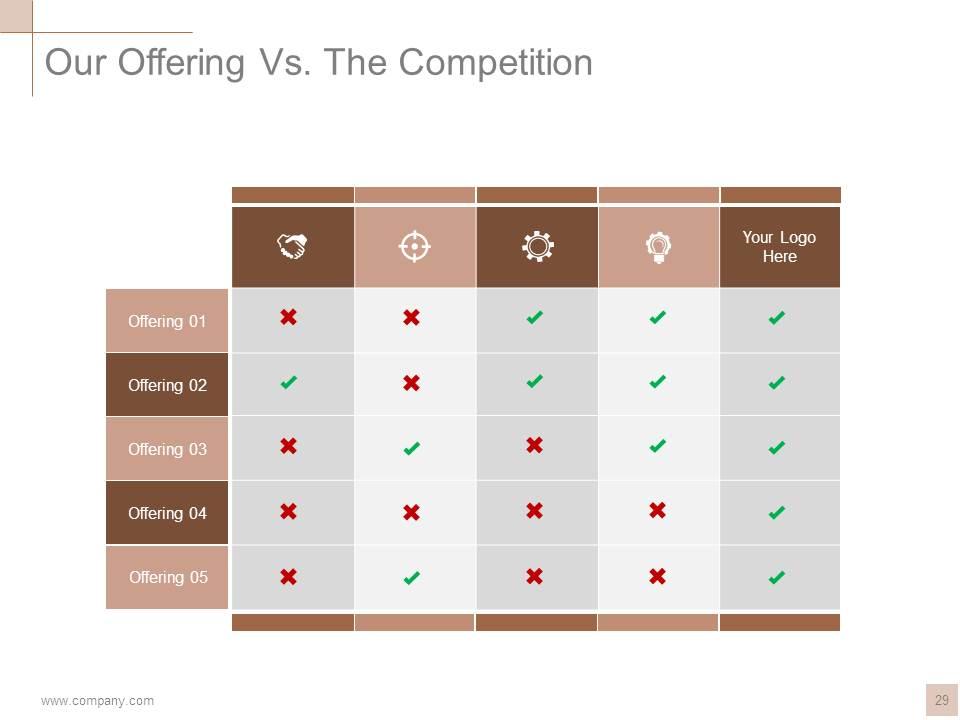
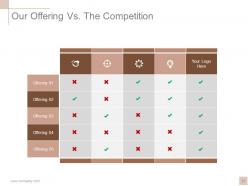
Slide 29: This is Our Offering Vs. The Competition slide. You can place your logos and offerings here.
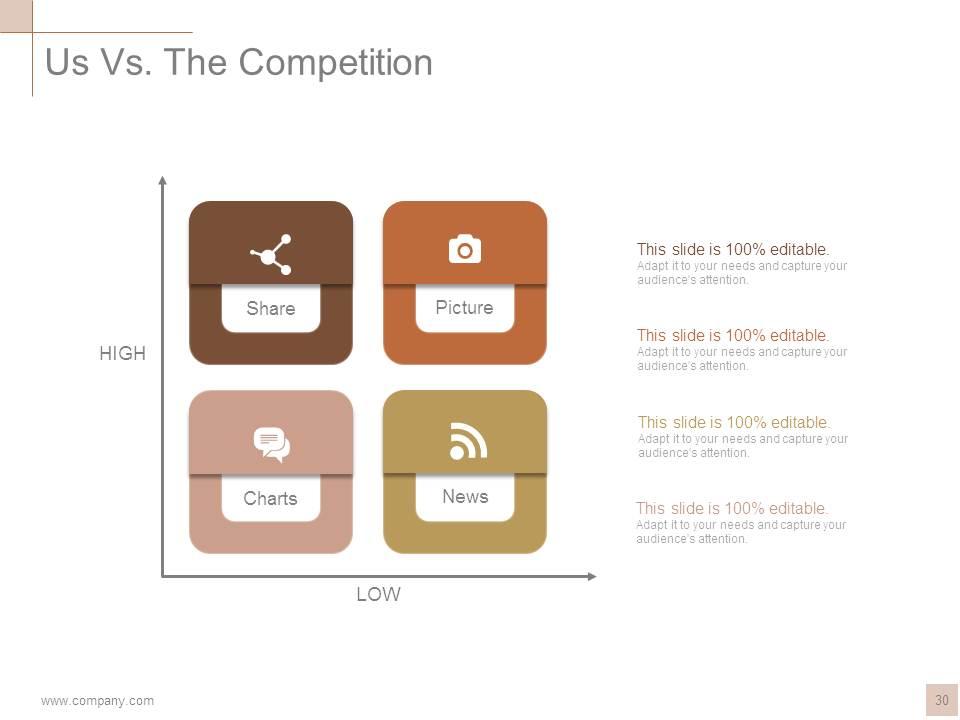
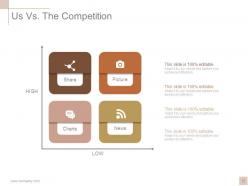
Slide 30: This slide shows Us Vs. The Competition matrix ranging from High to Low.
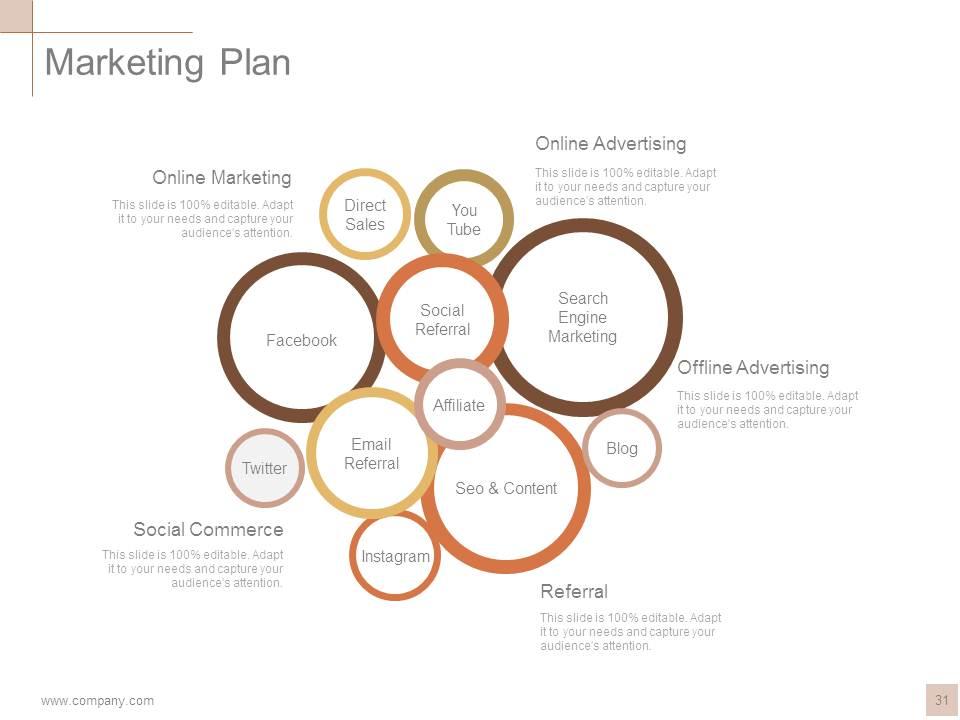
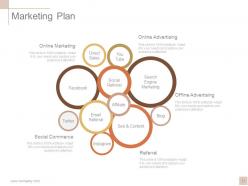
Slide 31: This slide presents Marketing Plan with the following constituents- Facebook, Social Referral, You Tube, Search Engine Marketing, Seo & Content, Instagram, Blog, Twitter, Email Referral, Affiliate, Direct Sales, Online Advertising, Offline Advertising, Social Commerce.
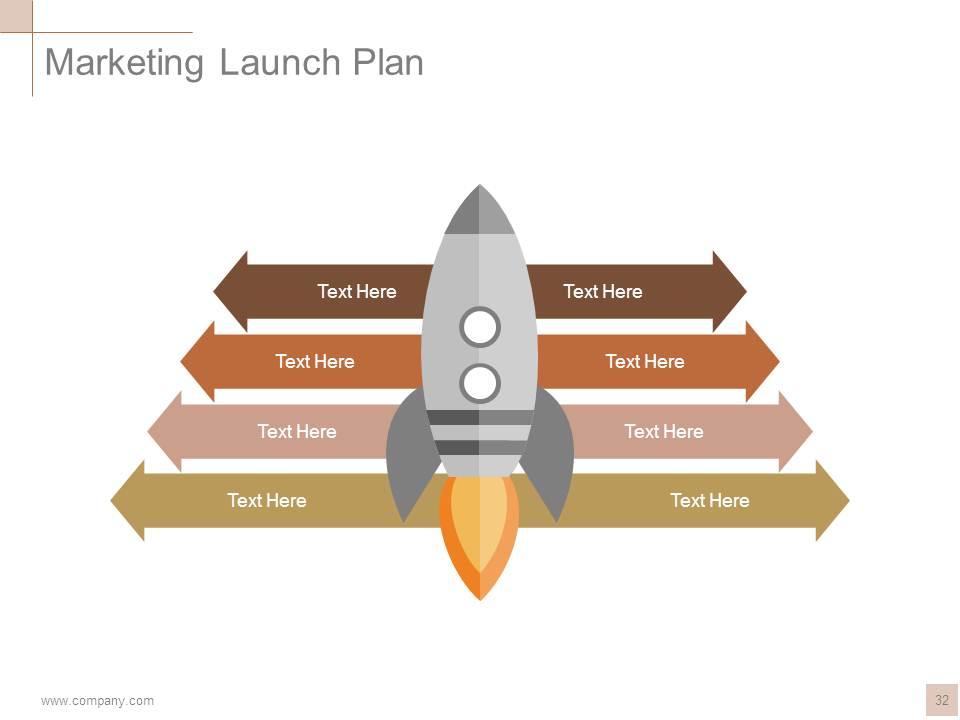
Slide 32: This slide shows Marketing Launch Plan with a creative rocket launch imagery. You can fill in these empty text boxes with desired information.
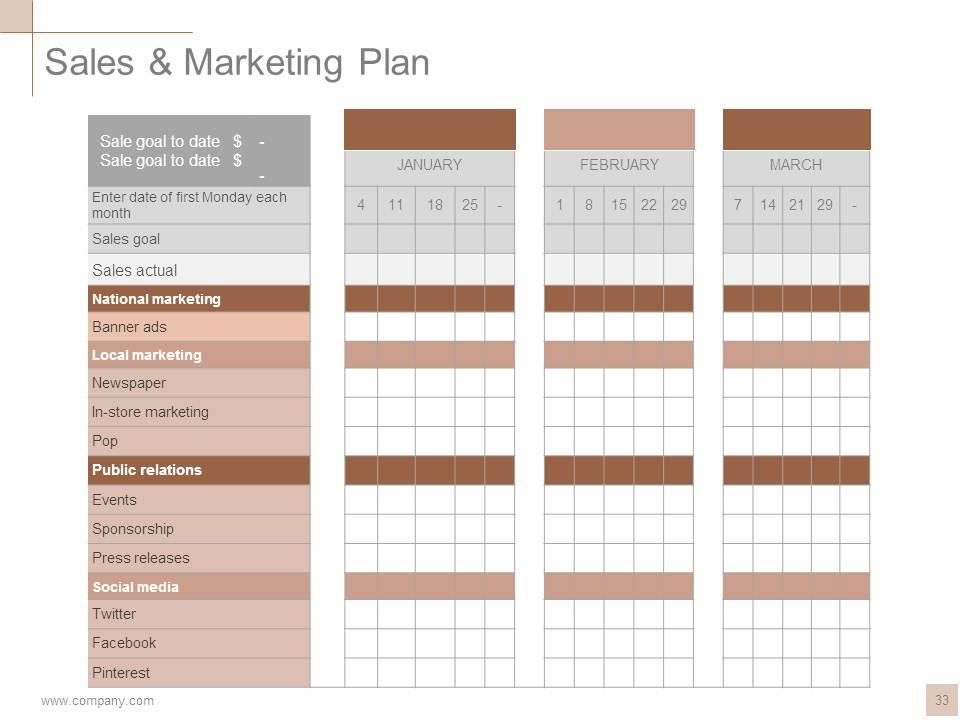
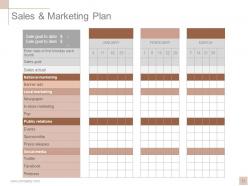
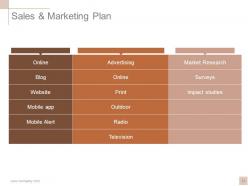
Slide 33: This slide presents Sales & Marketing Plan in a tabular form.
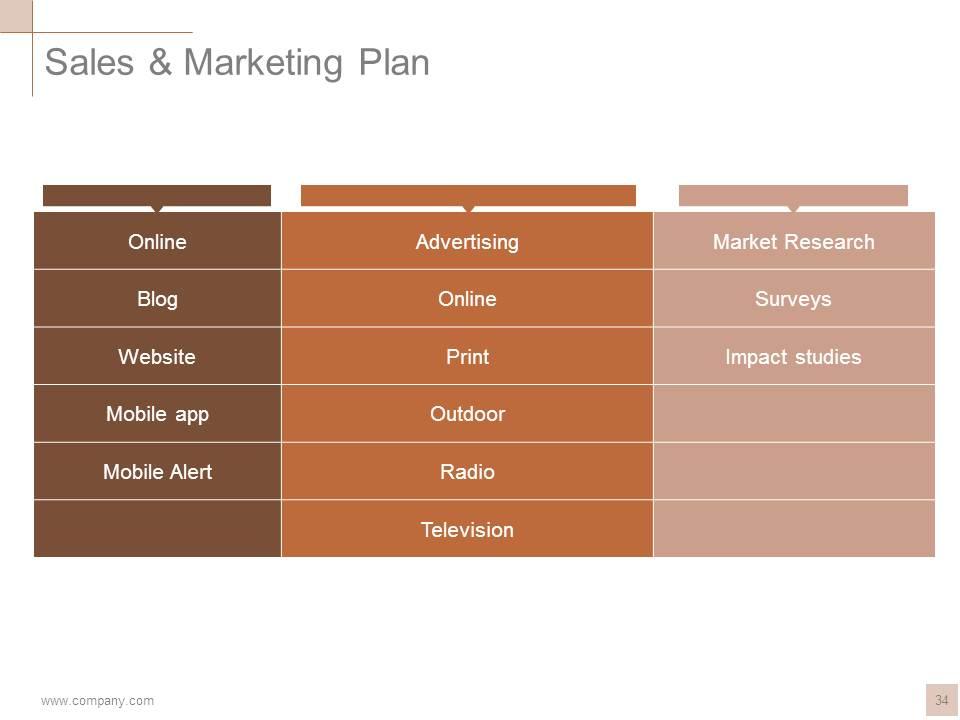
Slide 34: This slide also shows Sales & Marketing Plan categorized into- Online, Advertising, Market Research.
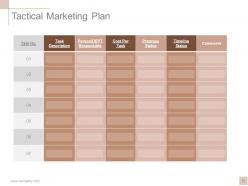
Slide 35: This slide presents Tactical Marketing Plan table with Task Description, Person/DEPT Responsible, Cost Per Task, Progress Status, Timeline Status, Comments, Task No. as its subheadings.
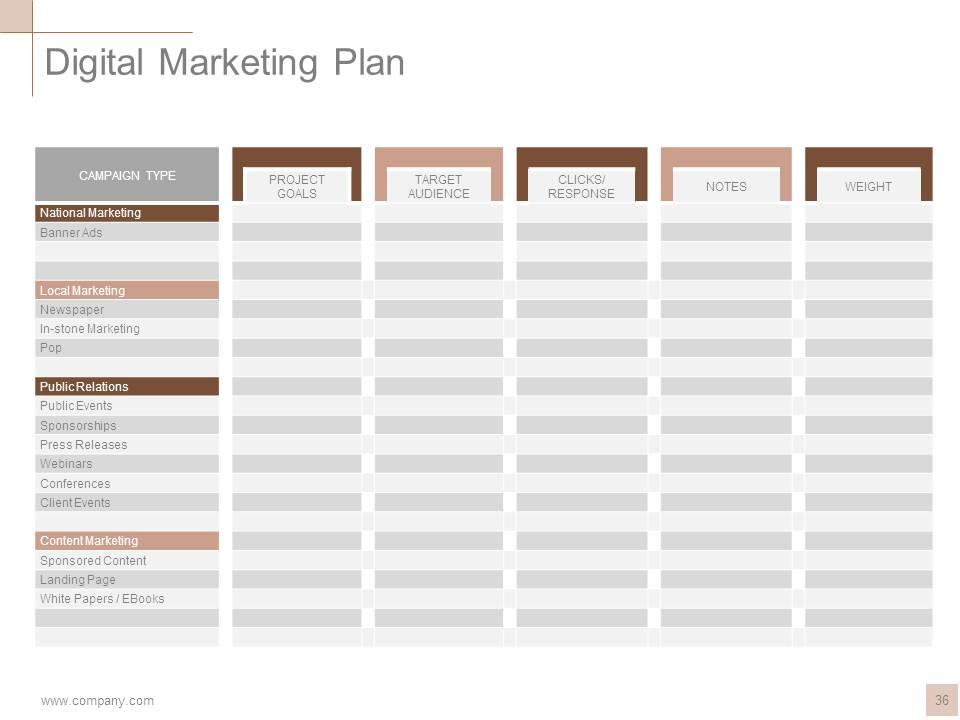
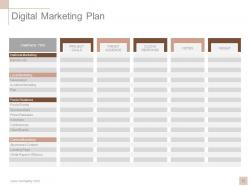
Slide 36: This slide presents Digital Marketing Plan in a tabular form.
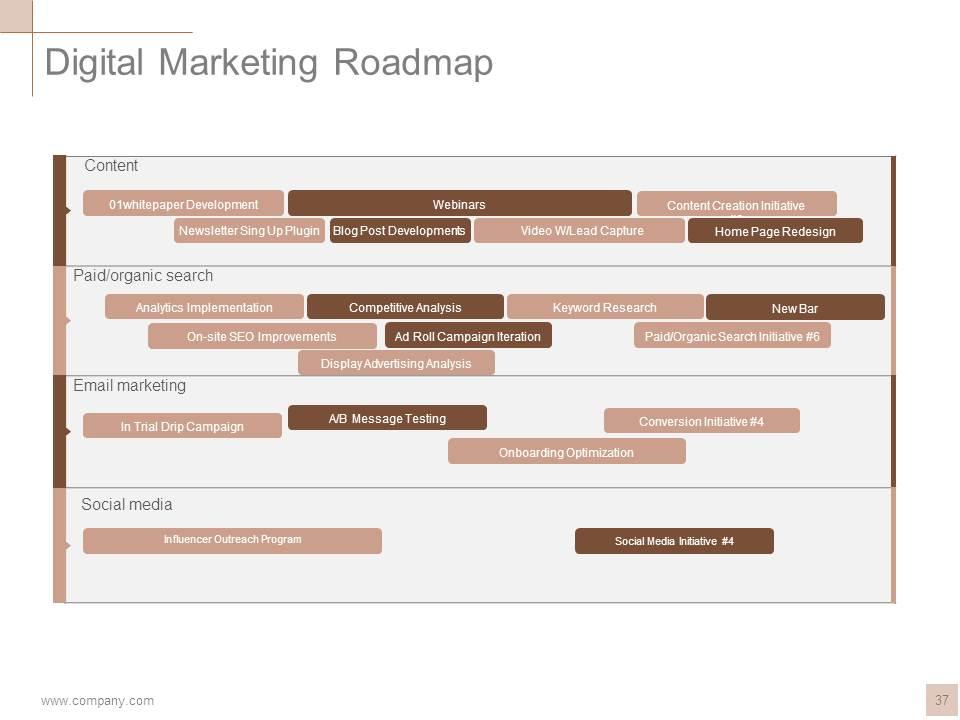
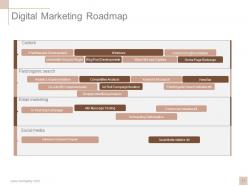
Slide 37: This slide shows Digital Marketing Roadmap with- Content, Paid/organic search, Email marketing and Social media along with its constituents.
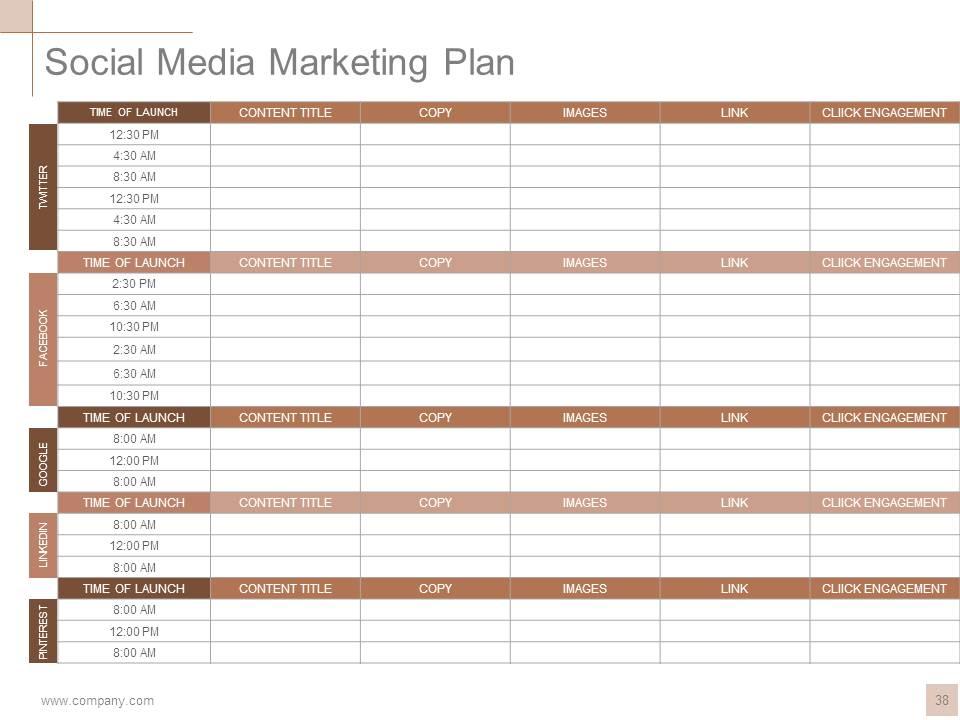
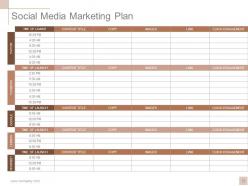
Slide 38: This slide presents a Social Media Marketing Plan.
Slide 39: This slide shows Team with- Geeks, Entrepreneurs, Sales.
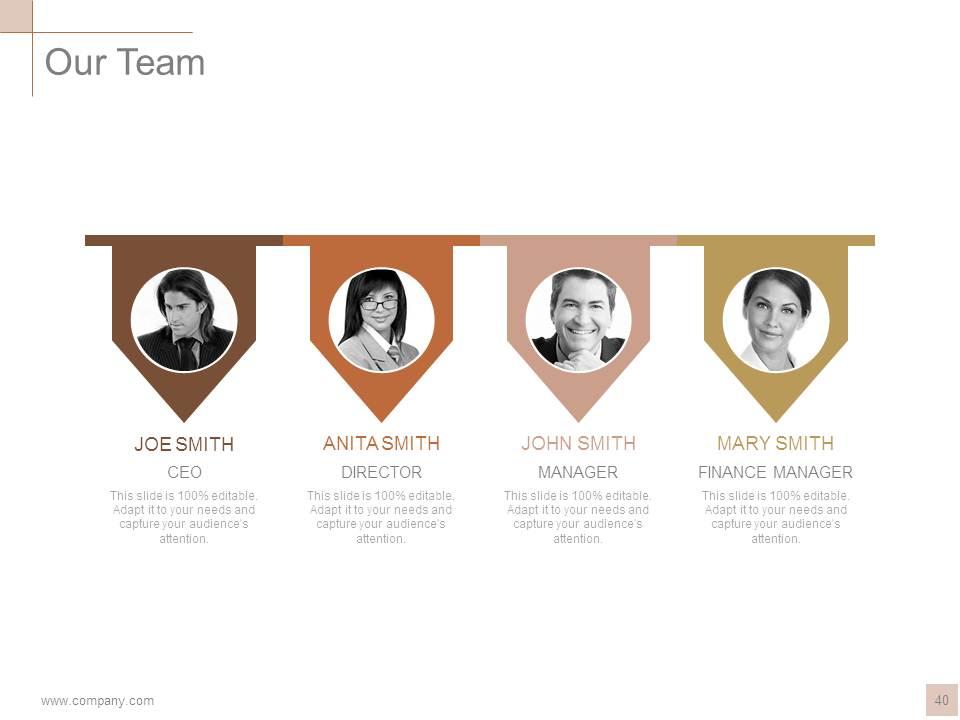
Slide 40: This is an Our team slide with name, designation and text boxes to state information.
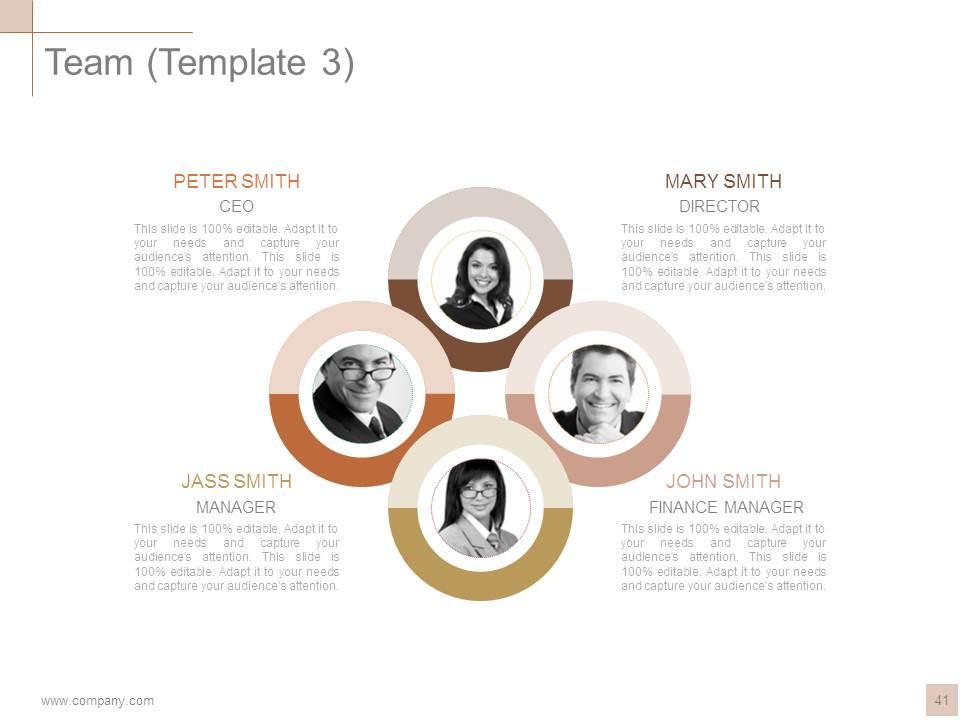
Slide 41: This is a Team slide with name, designation and text boxes to state information.
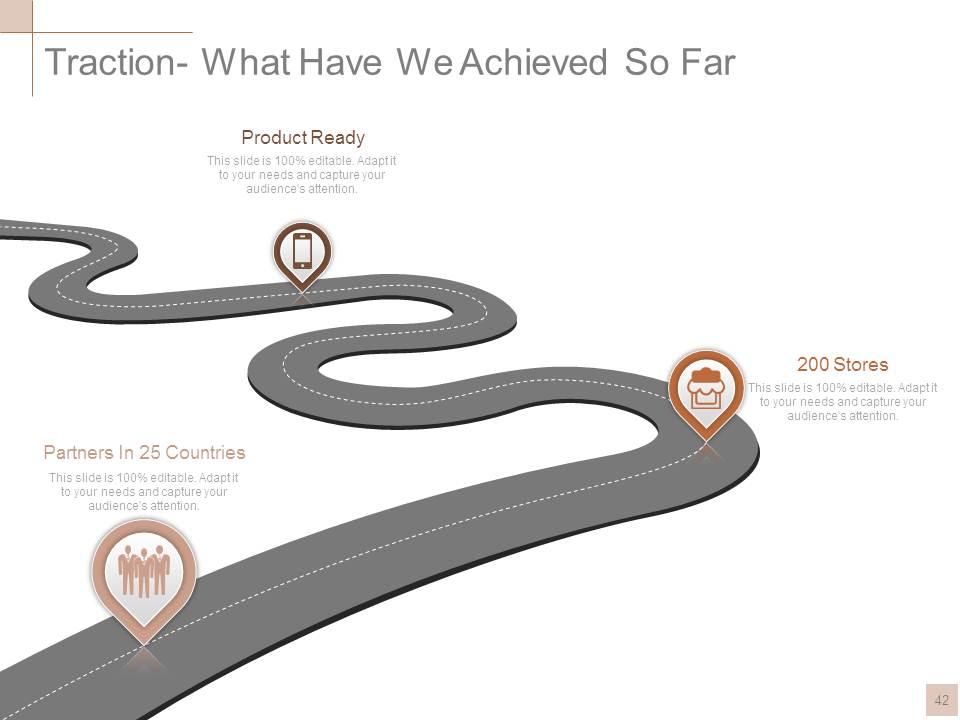
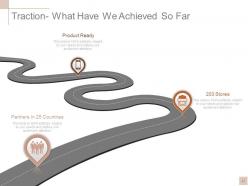
Slide 42: This slide presents Traction- What Have We Achieved So Far with roadmap imagery.
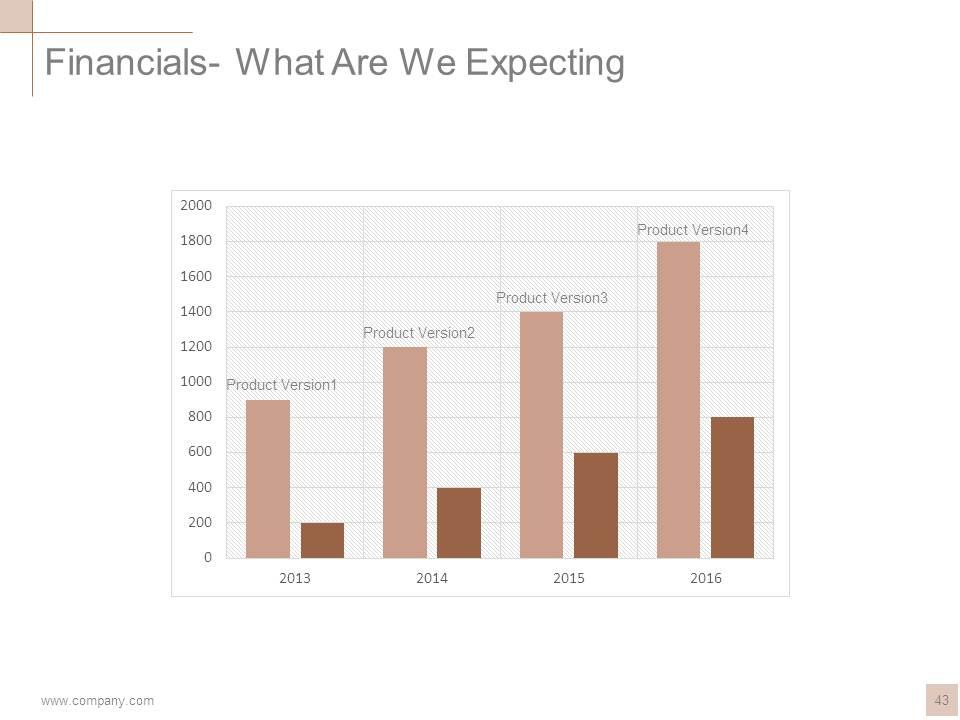
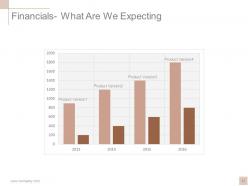
Slide 43: This slide shows Financials- What Are We Expecting in a graphical form.
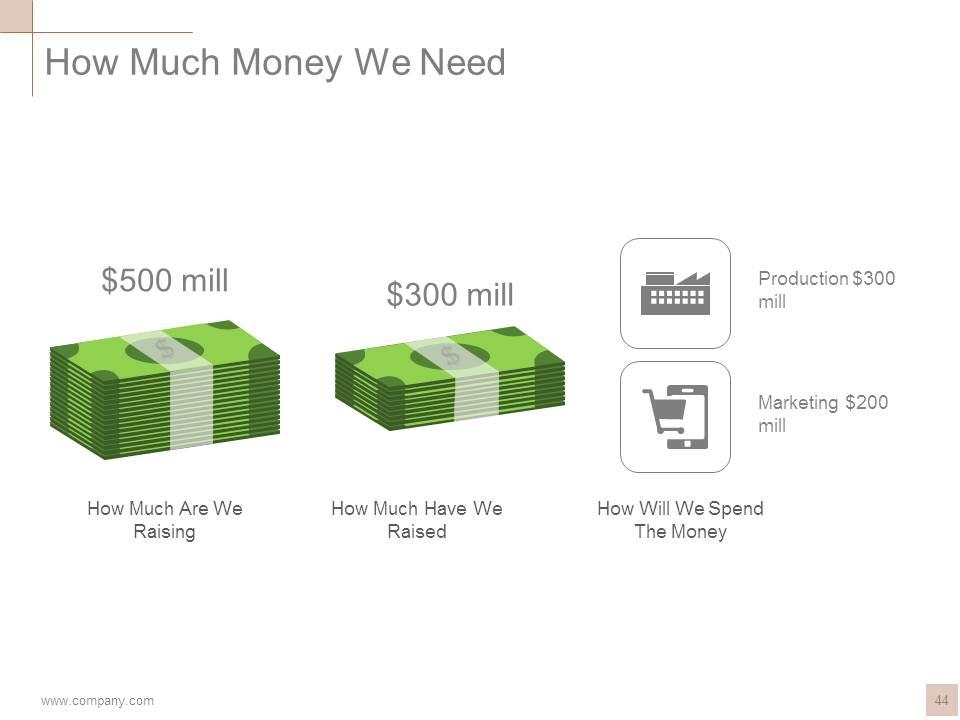
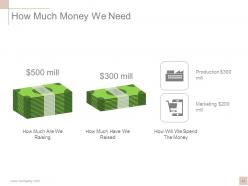
Slide 44: This slide shows How Much Money We Need. It also shows- How Much Are We Raising, How Much Have We Raised, How Will We Spend The Money, Production, Marketing.
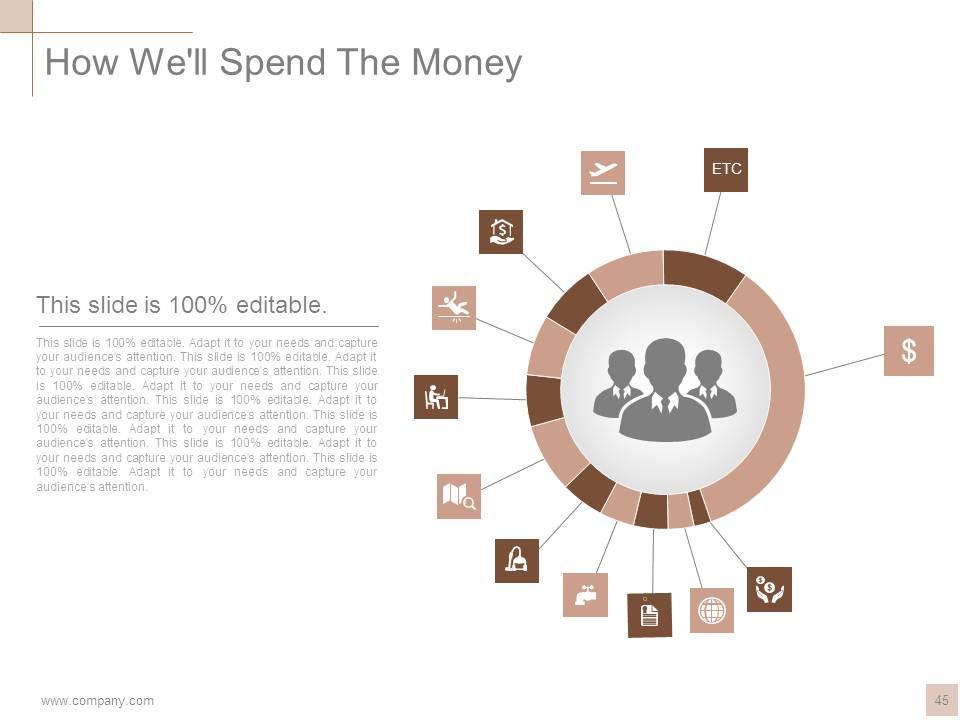
Slide 45: This slide shows How We'll Spend The Money. State your future expenditure facts here.
Slide 46: This slide presents Client Testimonials with name, designation and text boxes to fill in the necessary information.
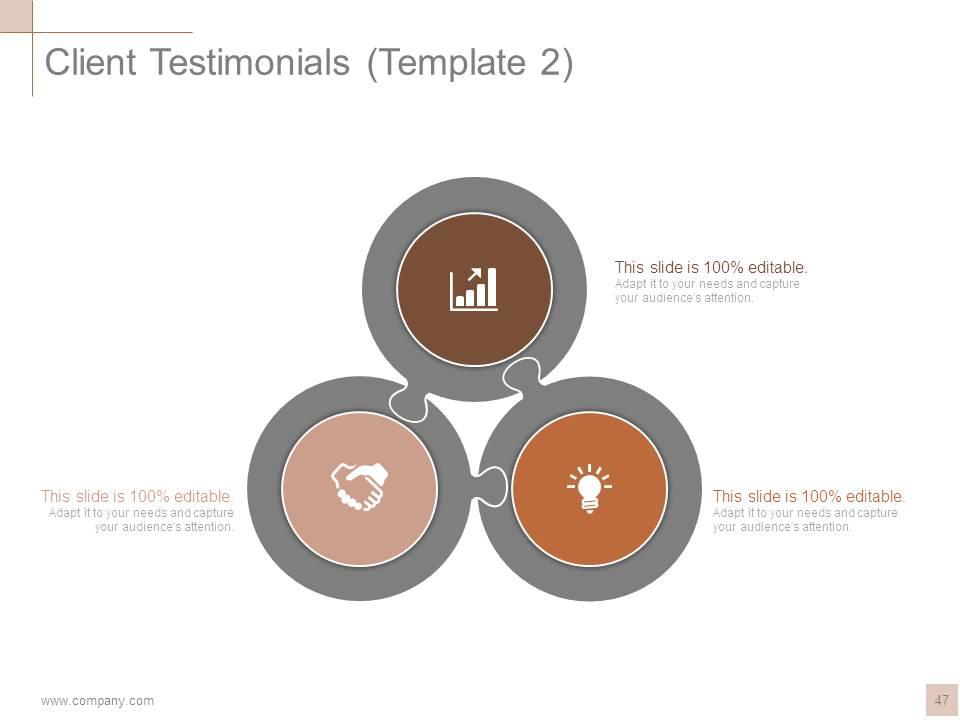
Slide 47: This slide also presents Client Testimonials in a venn diagram form with their respective icons.
Slide 48: This is another slide showing Client Testimonials.
Slide 49: This slide is titled Additional Slides to move forward. You may change the slide content as per need.
Slide 50: This is Our Mission slide with text boxes to state.
Slide 51: This is an About Us slide. State team/ company specifications here.
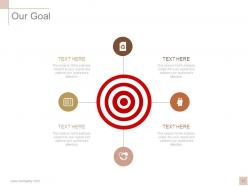
Slide 52: This is Our Goal slide. State your goals here.
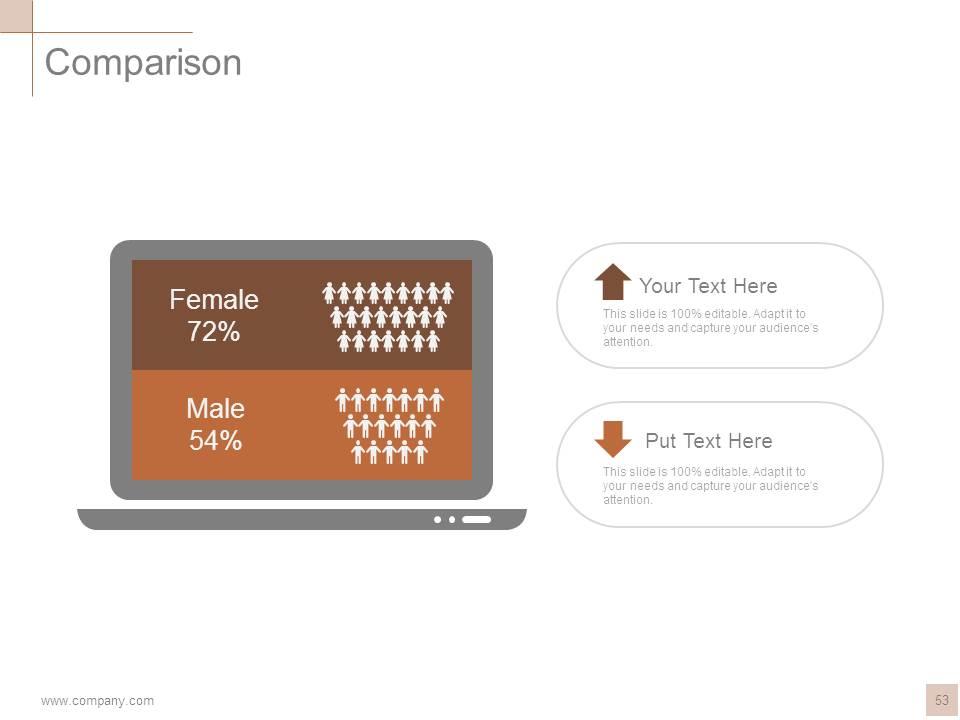
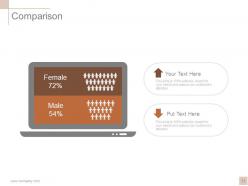
Slide 53: This slide showcases Comparison of two entities in male female chart imagery form.
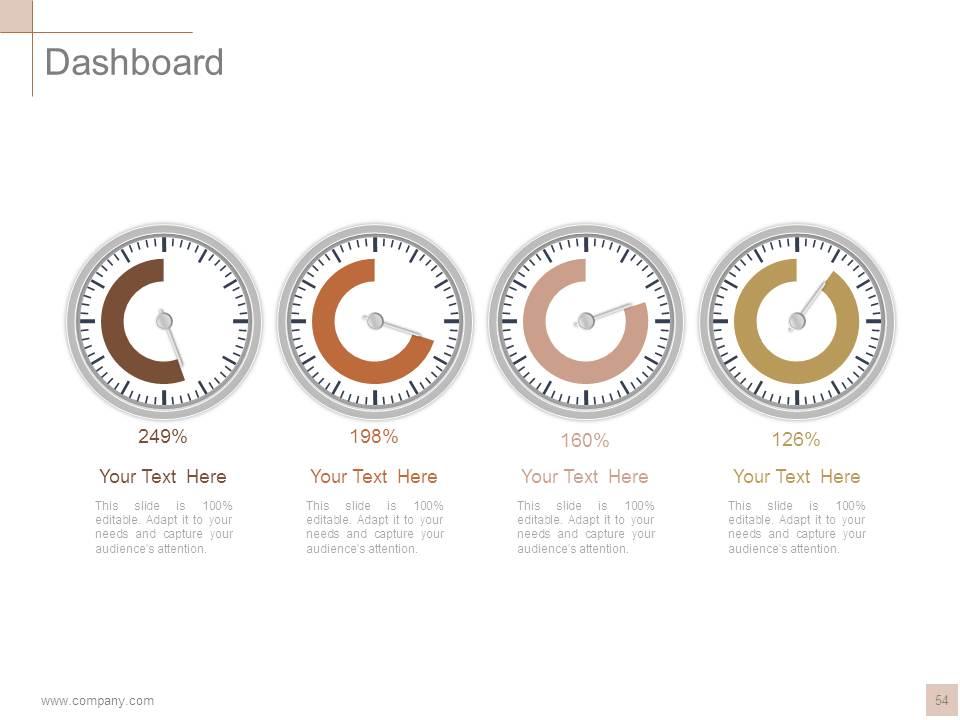
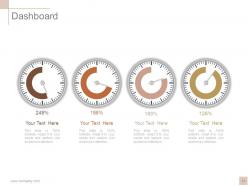
Slide 54: This is Dashboard slide to show information in percentages etc.
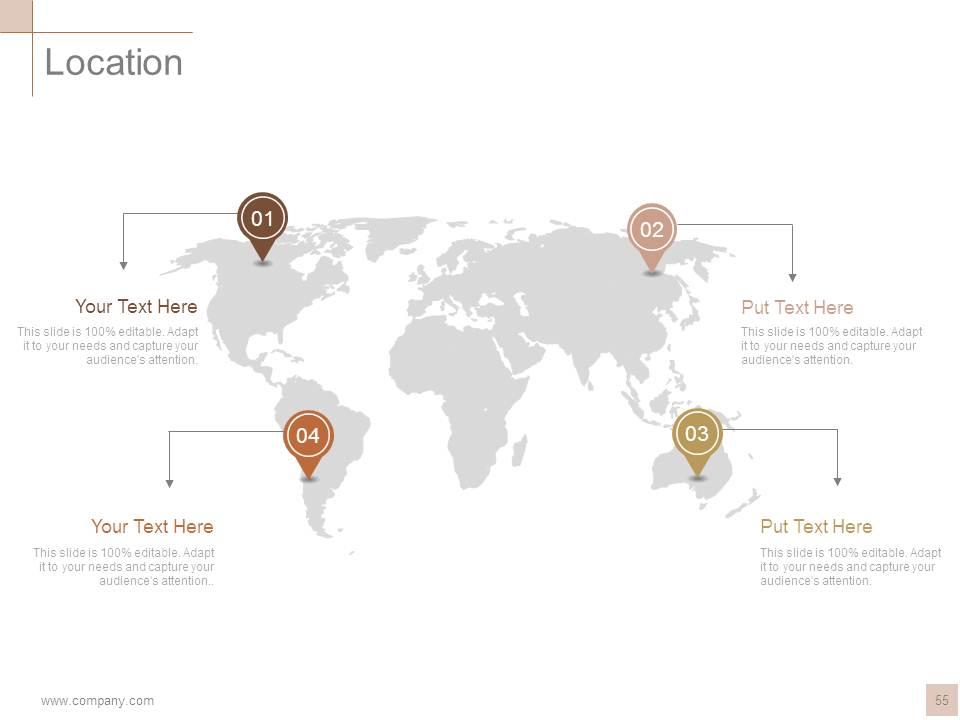
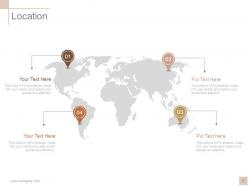
Slide 55: This is a Location slide to show global growth, presence etc. on a world map image.
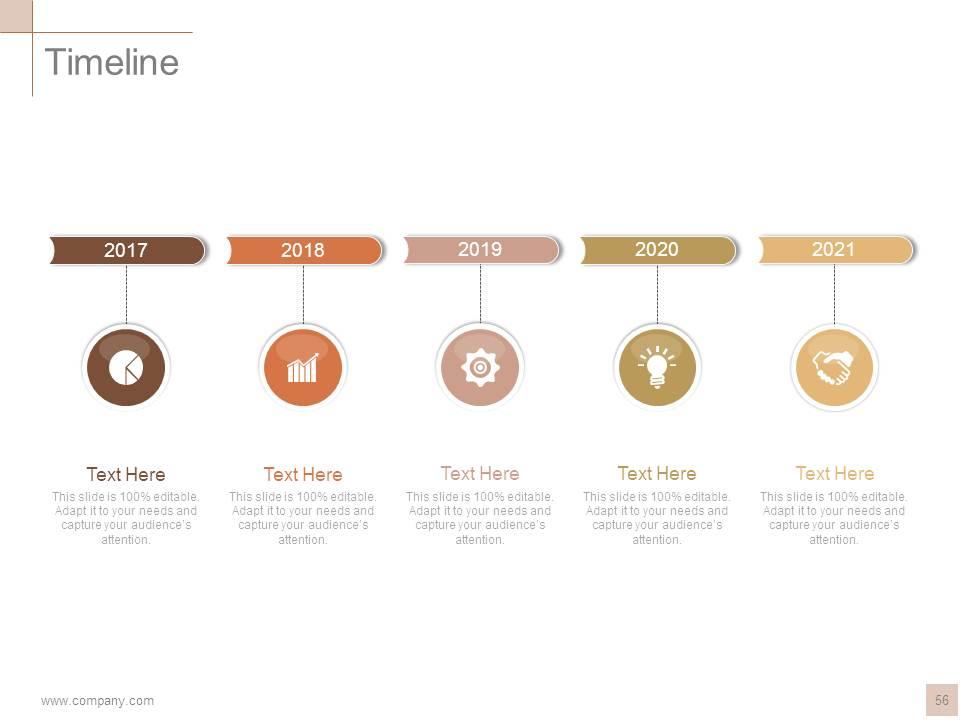
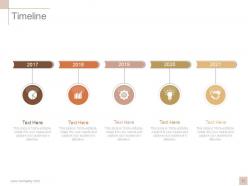
Slide 56: This is a Timeline slide to present important dates, journey, evolution, milestones etc.
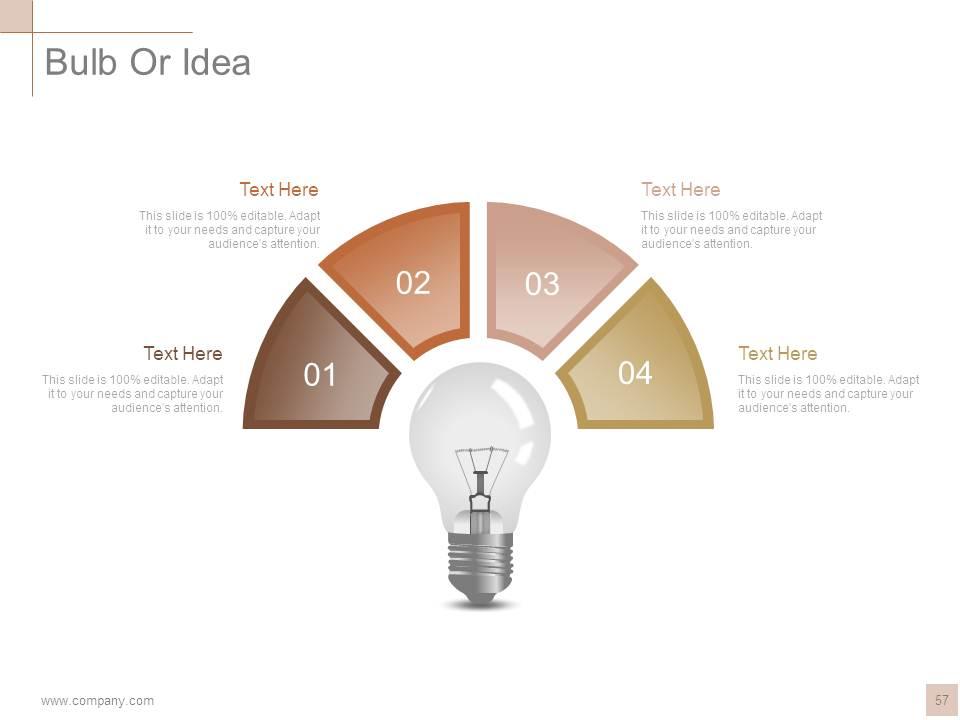
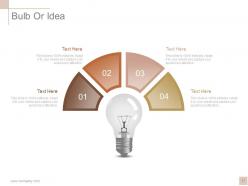
Slide 57: This is a Bulb or Idea slide to state a new idea or highlight specifications/ information etc.
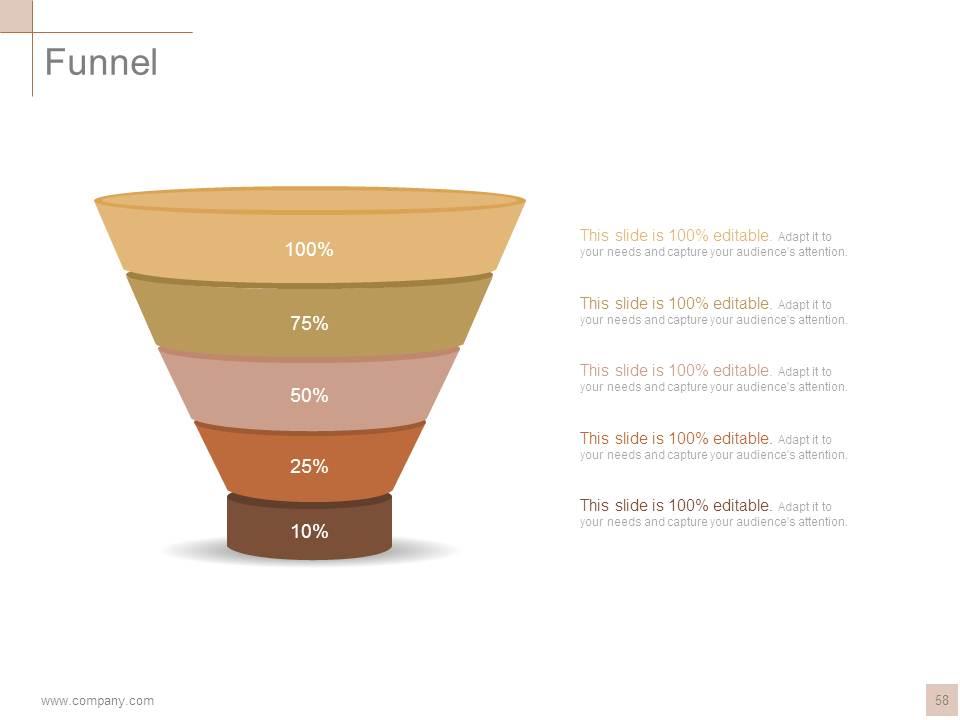
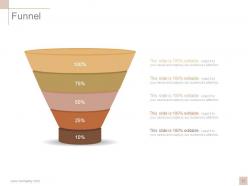
Slide 58: This is a Funnel slide. Showcase the funnel aspect of your team, company, product etc.
Slide 59: This is a Thank You slide with Address# street number, city, state, Contact Number, Email Address.
Startup investor presentation ppt complete powerpoint deck with slides with all 59 slides:
Broaden your consumer base with our Startup Investor Presentation Ppt Complete Powerpoint Deck With Slides. They will attract a bigger clientele.
-
Presentation Design is very nice, good work with the content as well.
-
Easily Understandable slides.
