


Funding project proposal powerpoint presentation slides
Present the outline of your organization to support the improvement of the community with the aid of this Funding Project Proposal PowerPoint Presentation Slides. You can influence your patrons for the fulfillment of funds by incorporating our ready-made monetary help agreement PowerPoint visuals. Explain to your donors how the assistance of benefactors can open up new opportunities for the less fortunate ones. You can illustrate the scope of the proposal comprising of the project overview, capabilities, investment and funding summary, etc. Describe the steps your firm suggests for making the less fortunate people capable of participating in the mainstream development procedure. The medical and vocational assessment for charity services can be communicated to the potential donor by taking the aid of people's welfare contract PowerPoint template. Incorporate this religious charity service bid PPT theme and convince your patrons how their monetary favor can support people with different abilities and provide them quality education. Elucidate the key activities involved and the various steps your organization adopts to provide aid to the people in need. Your institution’s objectives, mission, and core values can be elaborated effectively by employing this charity contract PPT slideshow. You can showcase your enterprise’s dream of making the society, discrimination and exploitation free. Discuss the mission’s comprehensive approach in focusing on the all-round development of differently-abled people for their sustainable means of living, recovery, and amalgamation into society. Give a sketch of the detailed investment plan to your prospective donor by utilizing this charity service bid PPT template. Download our fully editable Project Proposal ppt now.
Present the outline of your organization to support the improvement of the community with the aid of this Funding Project P..




-

- Google Slides is a new FREE Presentation software from Google.
- All our content is 100% compatible with Google Slides.
- Just download our designs, and upload them to Google Slides and they will work automatically.
- Amaze your audience with SlideTeam and Google Slides.
-

Want Changes to This PPT Slide? Check out our Presentation Design Services
-

- WideScreen Aspect ratio is becoming a very popular format. When you download this product, the downloaded ZIP will contain this product in both standard and widescreen format.
-

- Some older products that we have may only be in standard format, but they can easily be converted to widescreen.
- To do this, please open the SlideTeam product in Powerpoint, and go to
- Design ( On the top bar) -> Page Setup -> and select "On-screen Show (16:9)” in the drop down for "Slides Sized for".
- The slide or theme will change to widescreen, and all graphics will adjust automatically. You can similarly convert our content to any other desired screen aspect ratio.
Compatible With Google Slides

Get This In WideScreen
You must be logged in to download this presentation.


Do you want to remove this product from your favourites?
PowerPoint presentation slides
If your company needs to submit a Funding Project Proposal Powerpoint Presentation Slides look no further.Our researchers have analyzed thousands of proposals on this topic for effectiveness and conversion. Just download our template, add your company data and submit to your client for a positive response.

People who downloaded this PowerPoint presentation also viewed the following :
Content of this Powerpoint Presentation
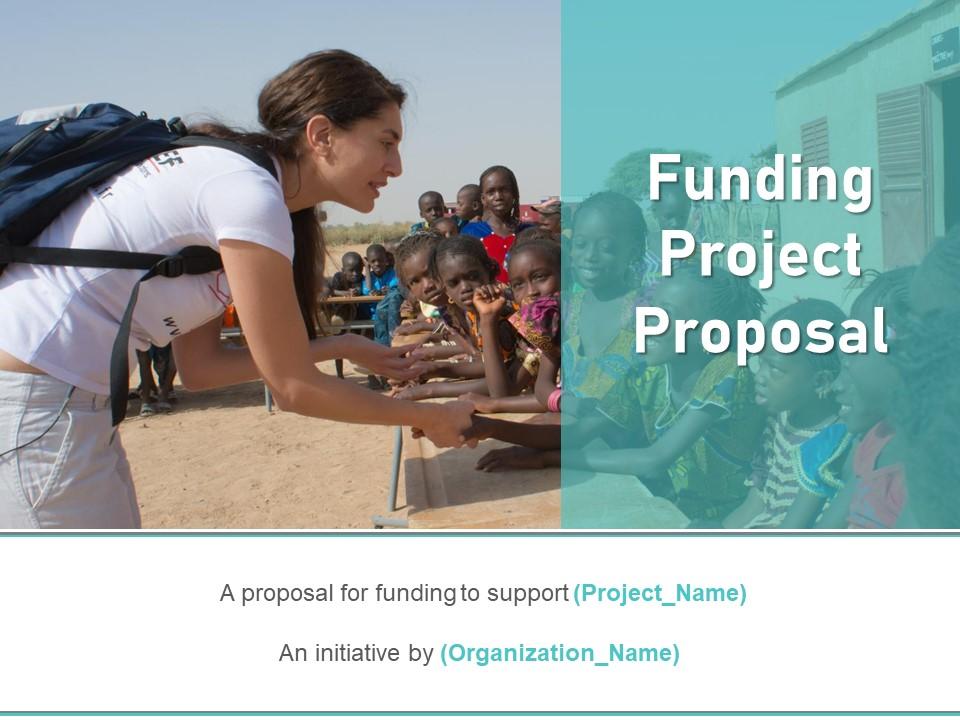
Slide 1: This slide introduces Funding Project Proposal. State Project name and Organization name.
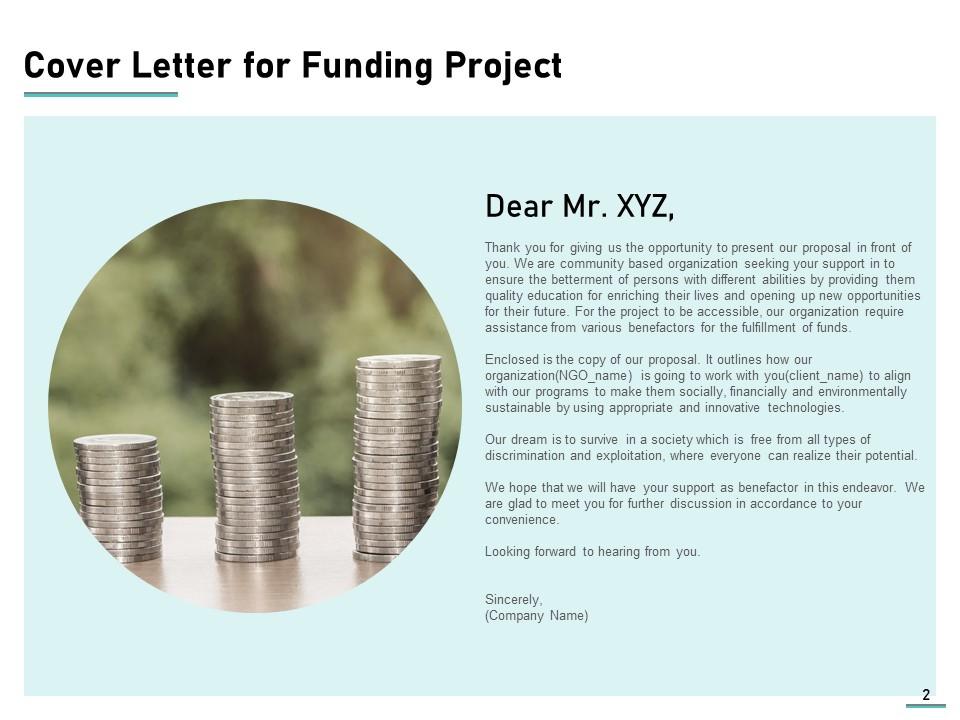
Slide 2: This slide displays Cover Letter for Funding Project.
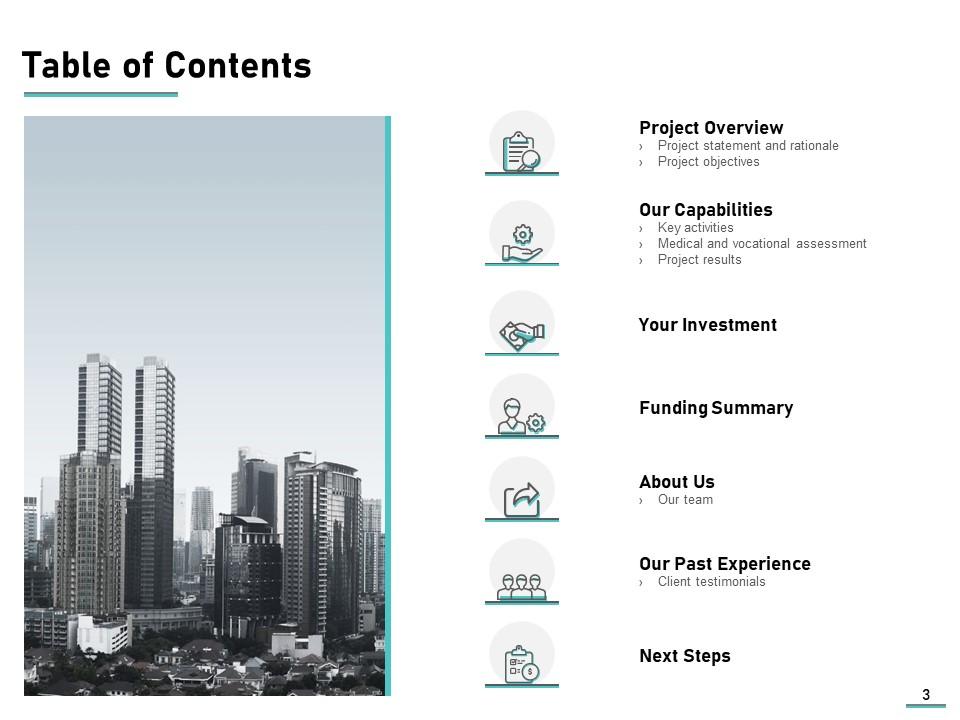
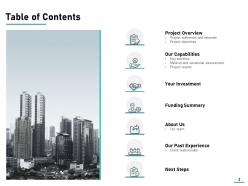
Slide 3: This slide displays Table of Contents with- Our Capabilities, Key activities, Medical and vocational assessment, Project results, Project Overview, Project statement and rationale, Project objectives, Your Investment, Funding Summary, Next Steps, About Us, Our team, Our Past Experience, Client testimonials.
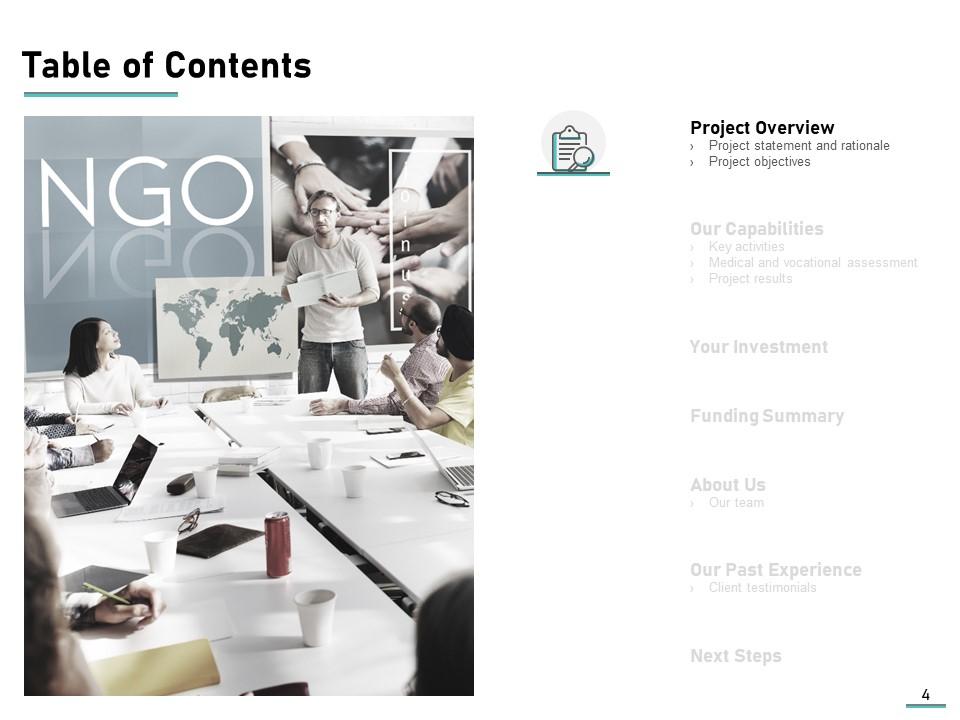
Slide 4: This slide also displays Table of Contents of the presentation.
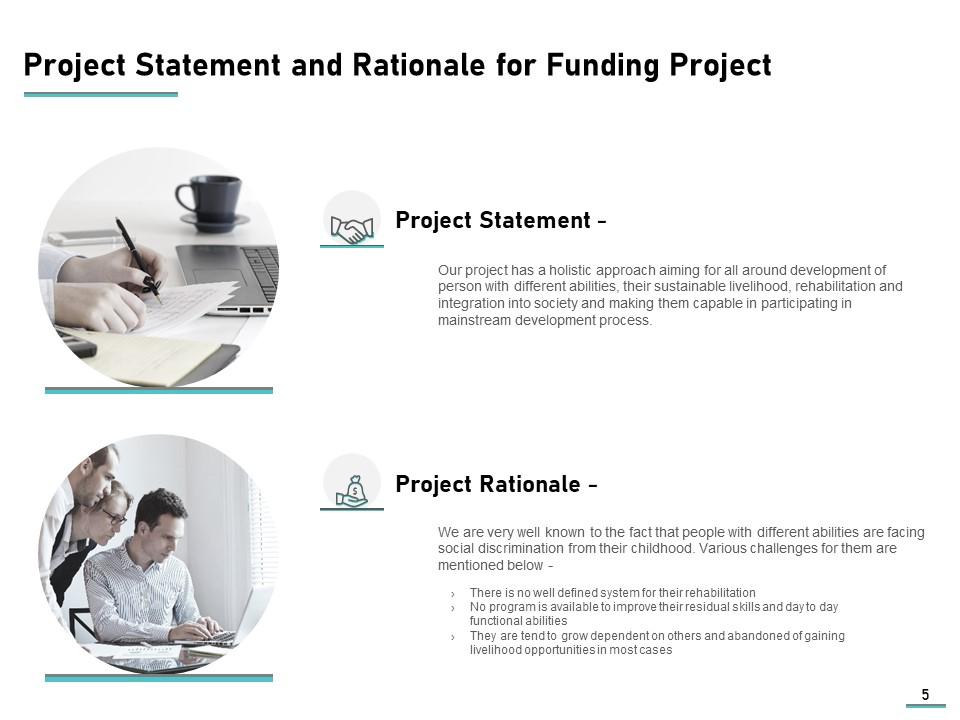
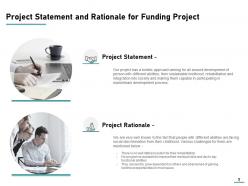
Slide 5: This slide showcases Project Statement and Rationale for Funding Project.
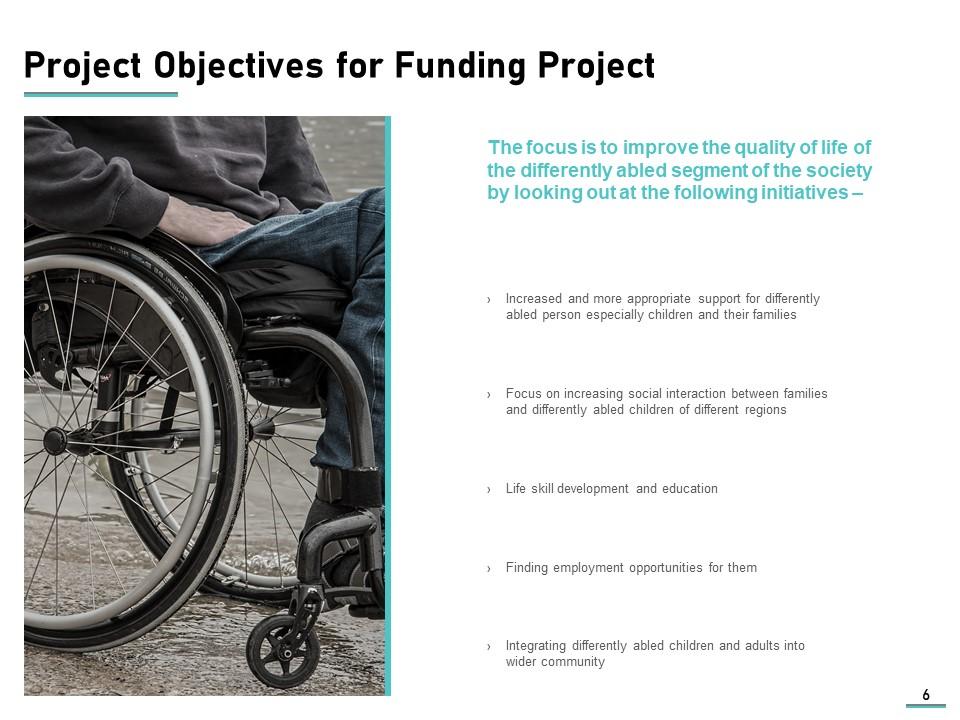
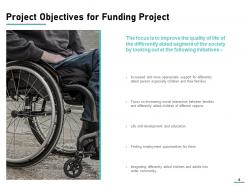
Slide 6: This slide depicts Project Objectives for Funding Project.
Slide 7: This slide depicts Table of Contents of the presentation.
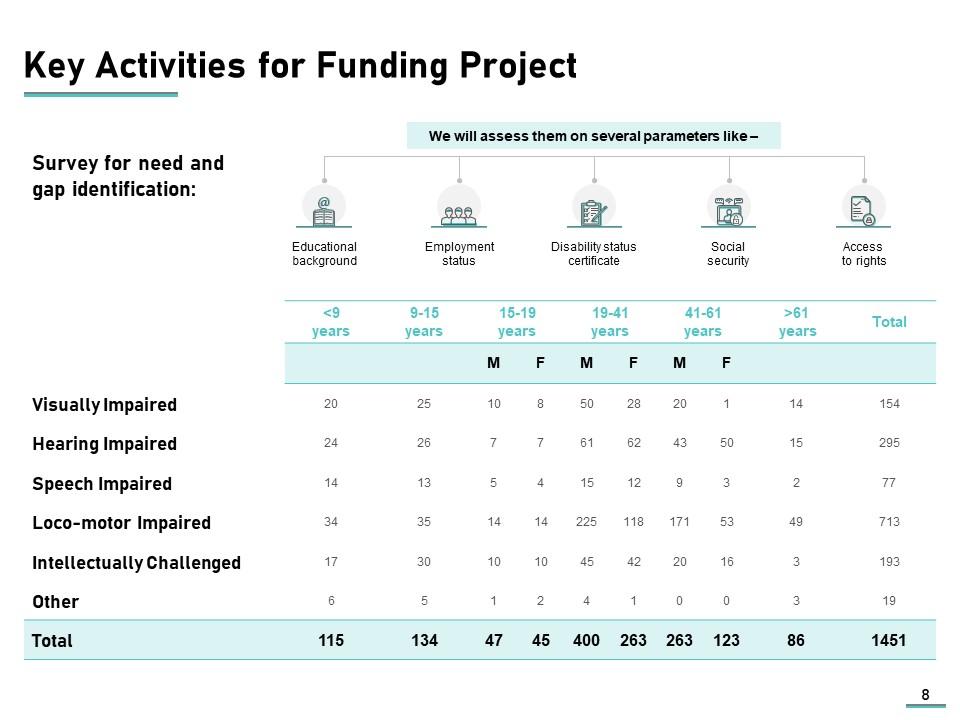
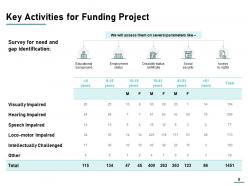
Slide 8: This slide showcases Key Activities for Funding Project.
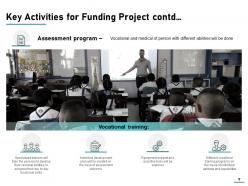
Slide 9: This slide is continued with Key Activities for Funding Project.
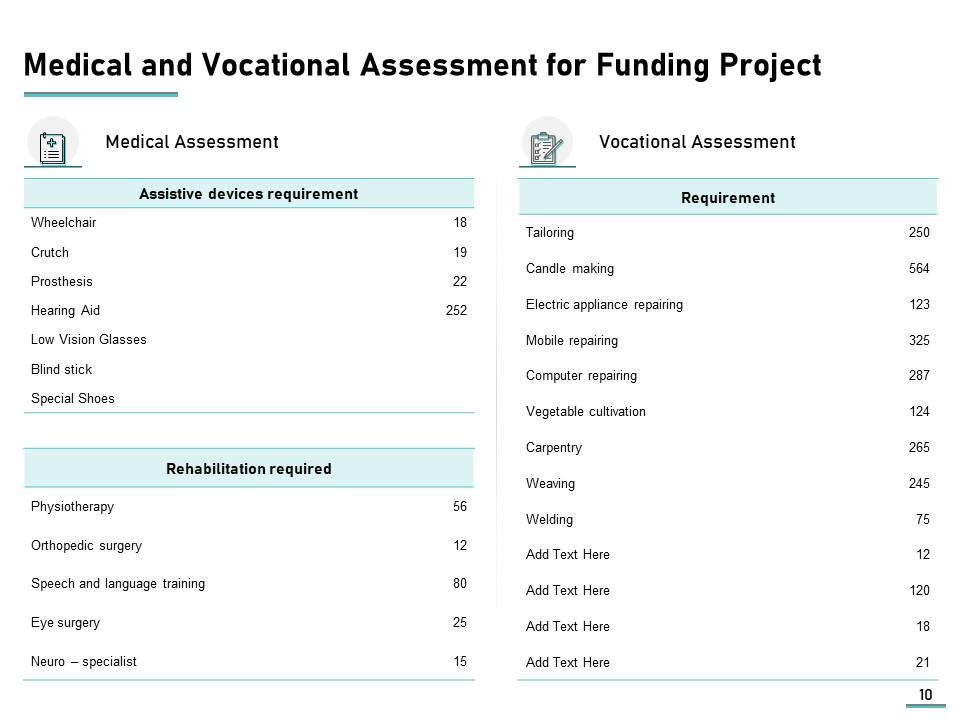
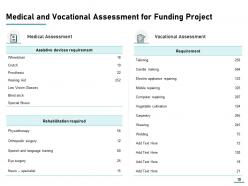
Slide 10: This slide showcases Medical and Vocational Assessment for Funding Project.
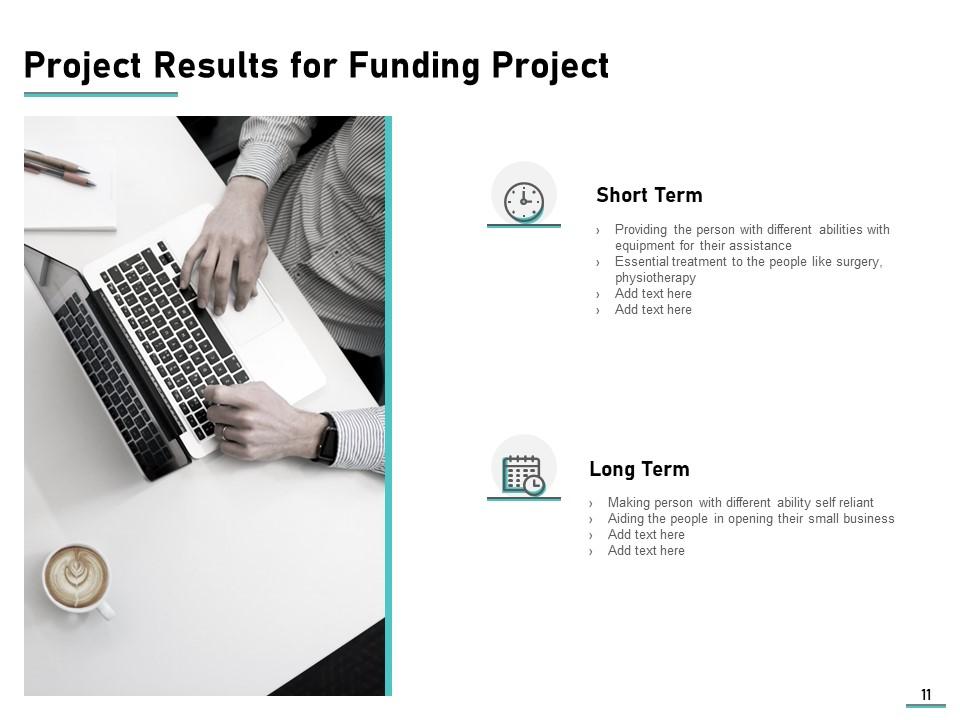
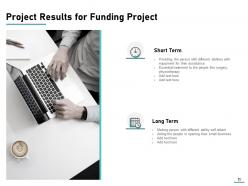
Slide 11: This slide represents Project Results for Funding Project.
Slide 12: This slide showcases Table of Contents.
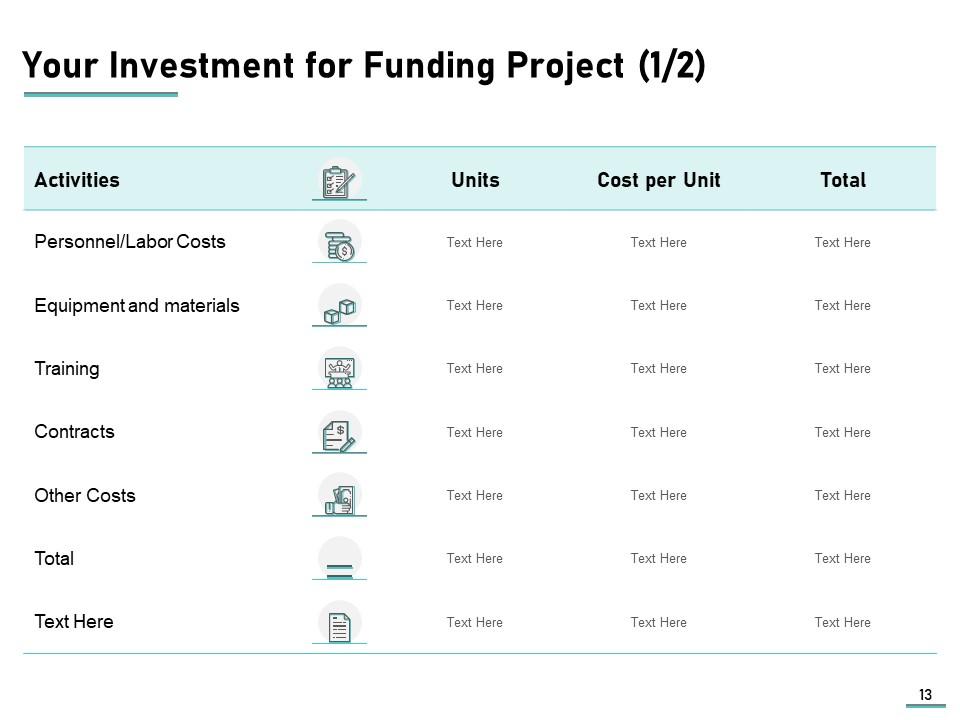
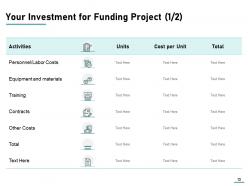
Slide 13: This slide presents Your Investment for Funding Project.
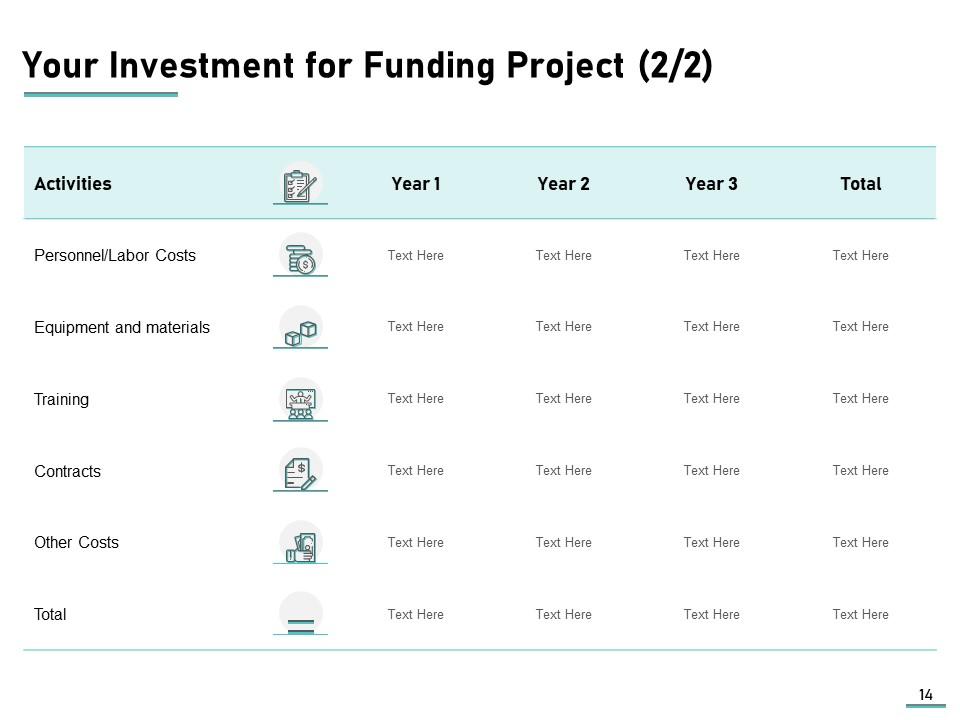
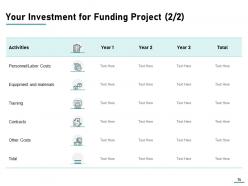
Slide 14: This slide also displays Your Investment for Funding Project.
Slide 15: This slide displays Table of Contents of the presentation.
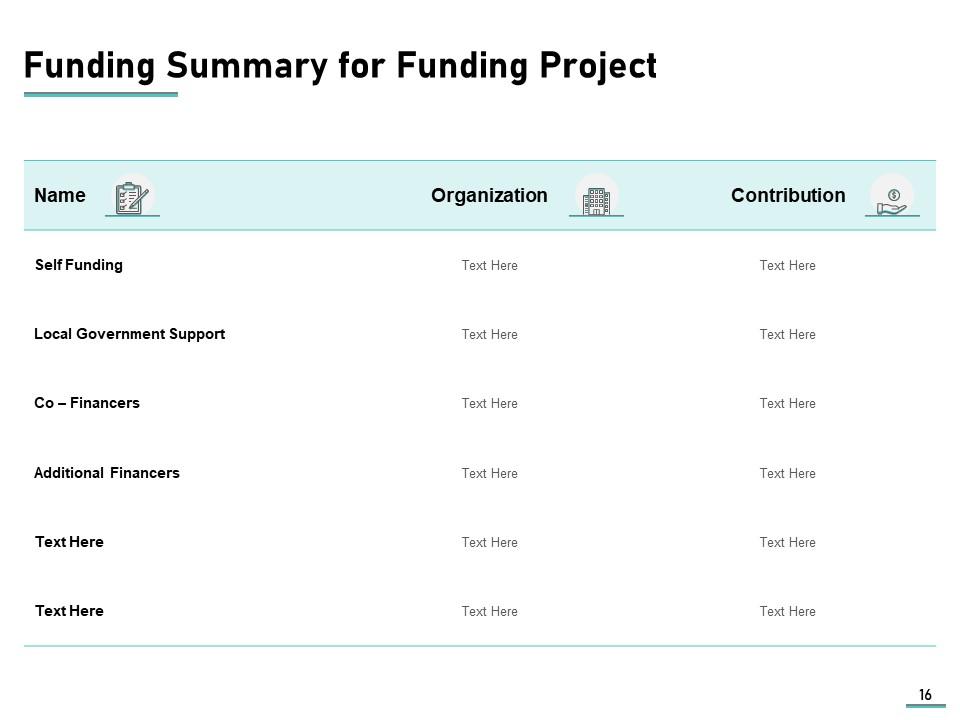
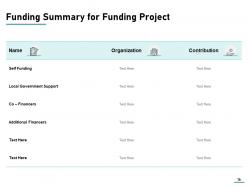
Slide 16: This slide showcases Funding Summary for Funding Project.
Slide 17: This slide displays Table of Contents.
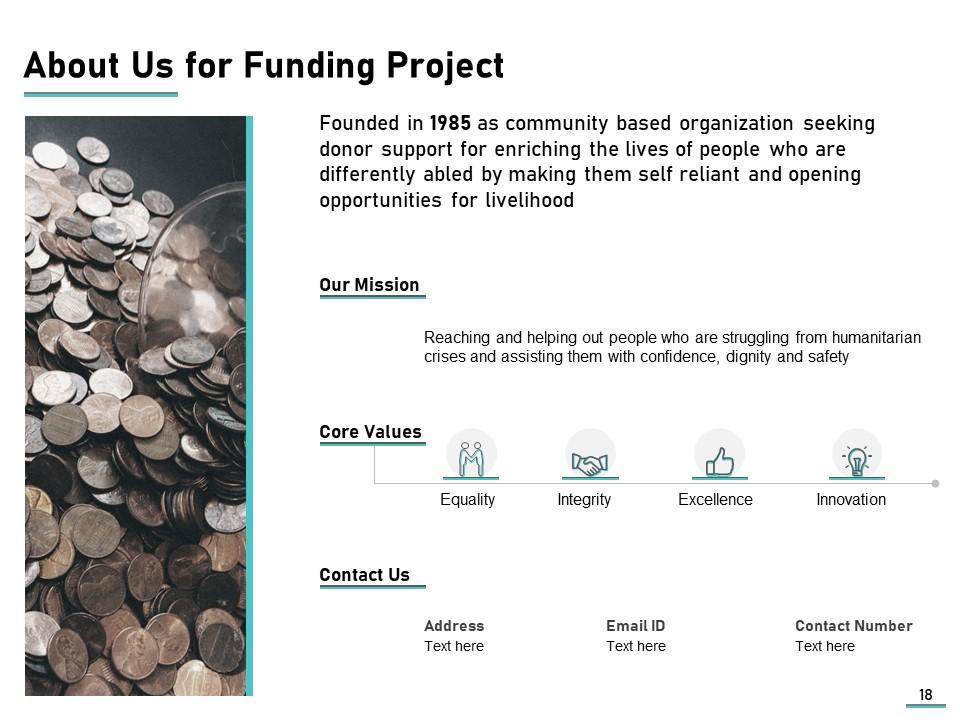
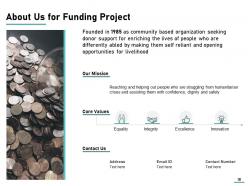
Slide 18: This is About Us slide with Our Mission, Core values, Email ID, and Contact inforamtion.
Slide 19: This is Our Team slide with names and designations.
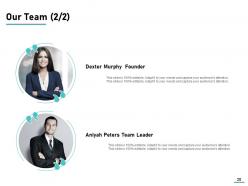
Slide 20: This is Our Team slide with names and designations.
Slide 21: This slide displays Table of Contents of the presentation.
Slide 22: This slide displays Client Testimonials with names and designations.
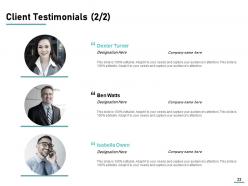
Slide 23: This slide represents Client Testimonials with names and designations.
Slide 24: This slide displays Table of Contents of the presentation.
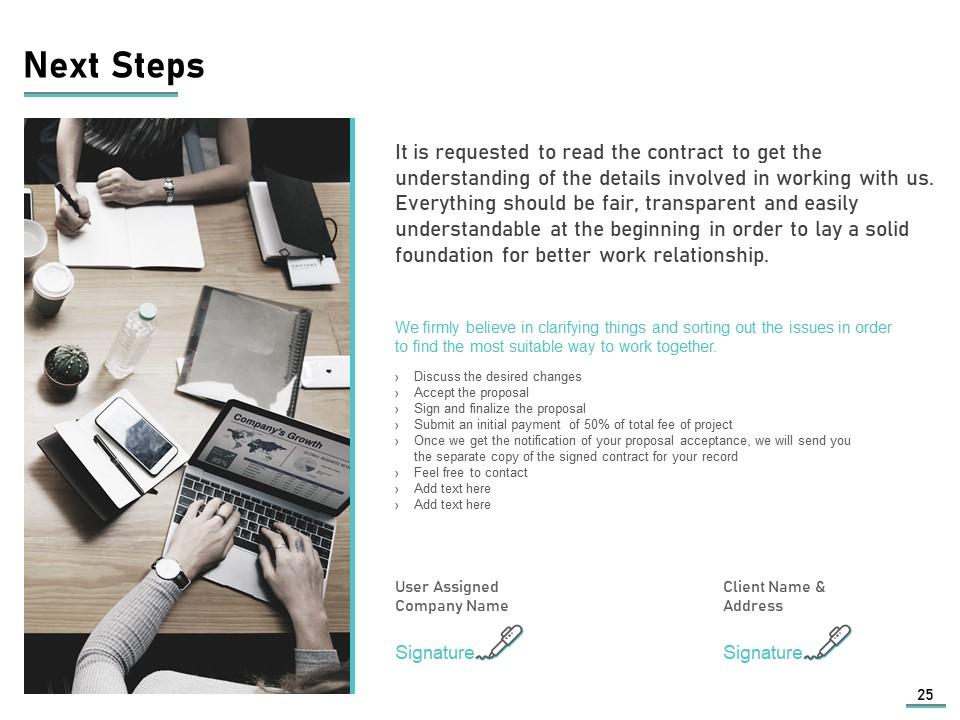
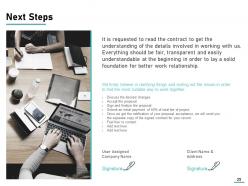
Slide 25: This slide depicts Next Steps with Company name, Client information etc.
Slide 26: This slide is titled as Additional Slides for moving forward.
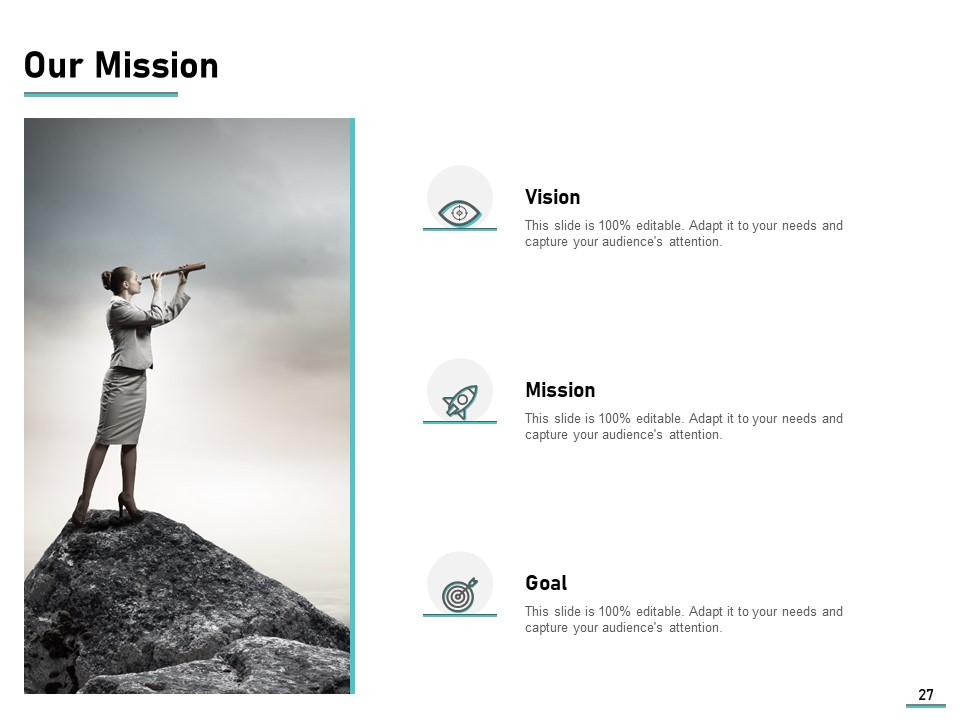
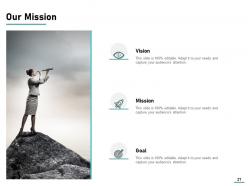
Slide 27: This is Our Mission slide with Vision, Mission and Goal.
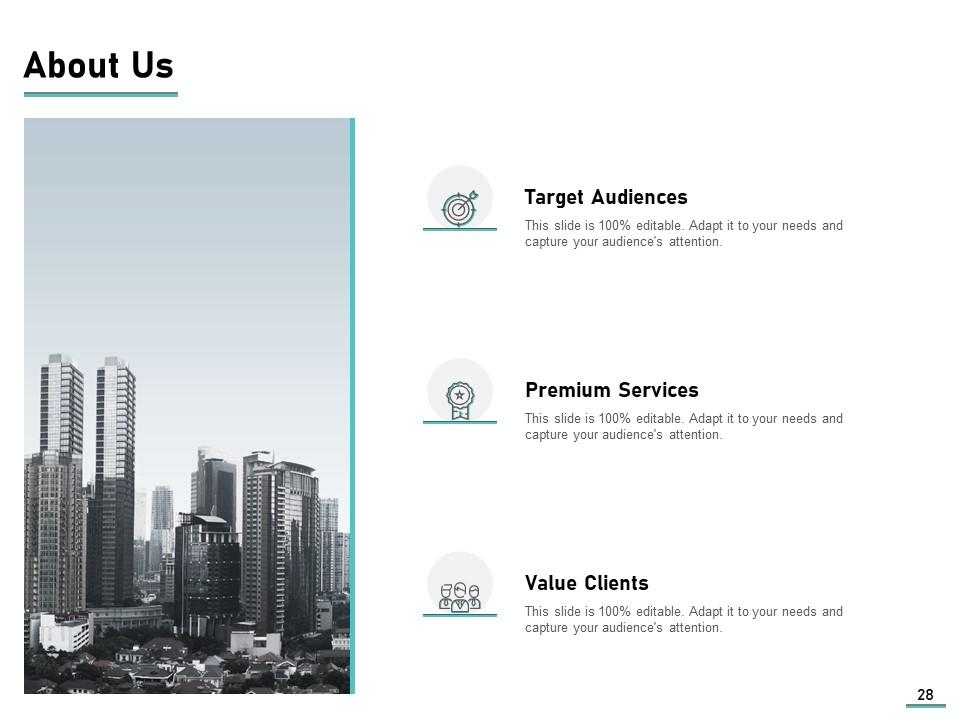
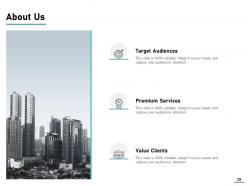
Slide 28: This is About Us slide with company specifications.
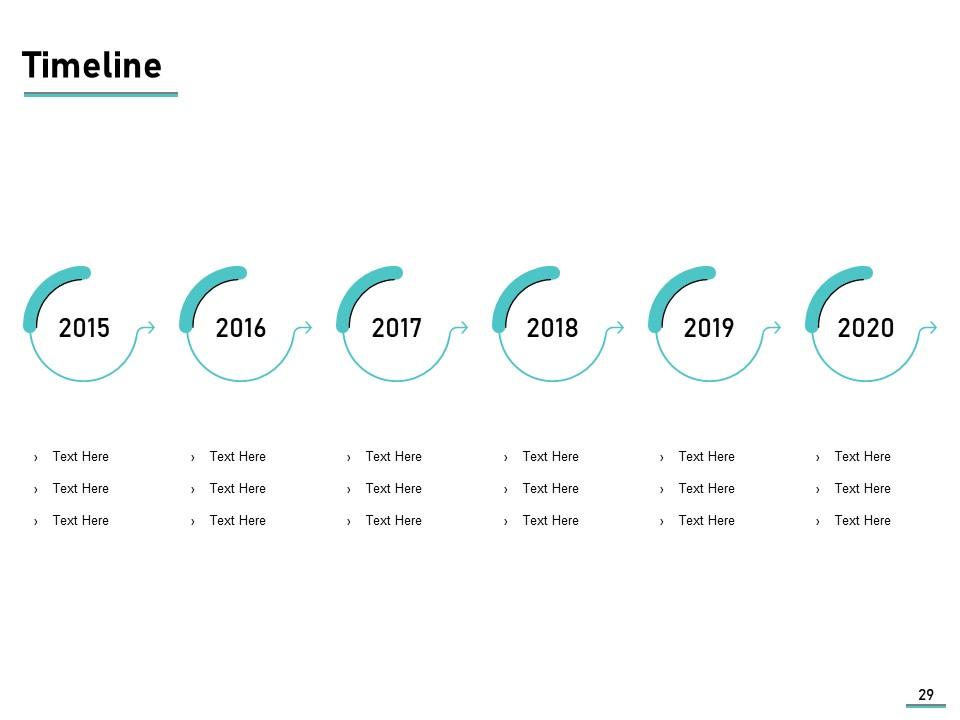
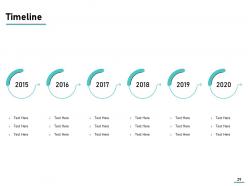
Slide 29: This slide showcases Timeline process.
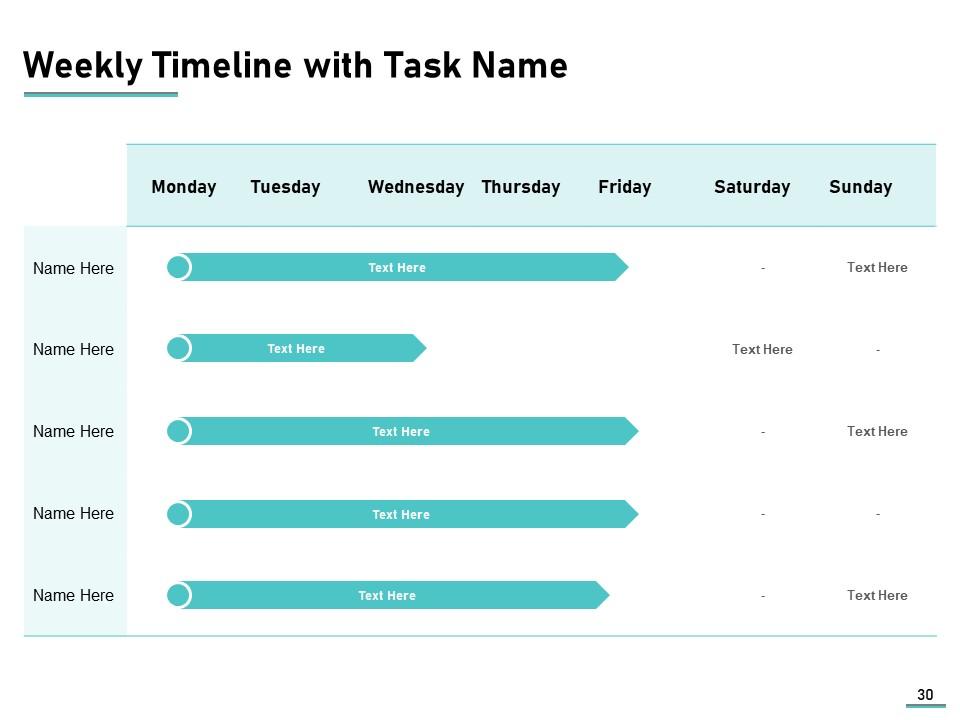
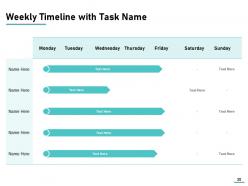
Slide 30: This is Weekly Timeline slide with Task Name.
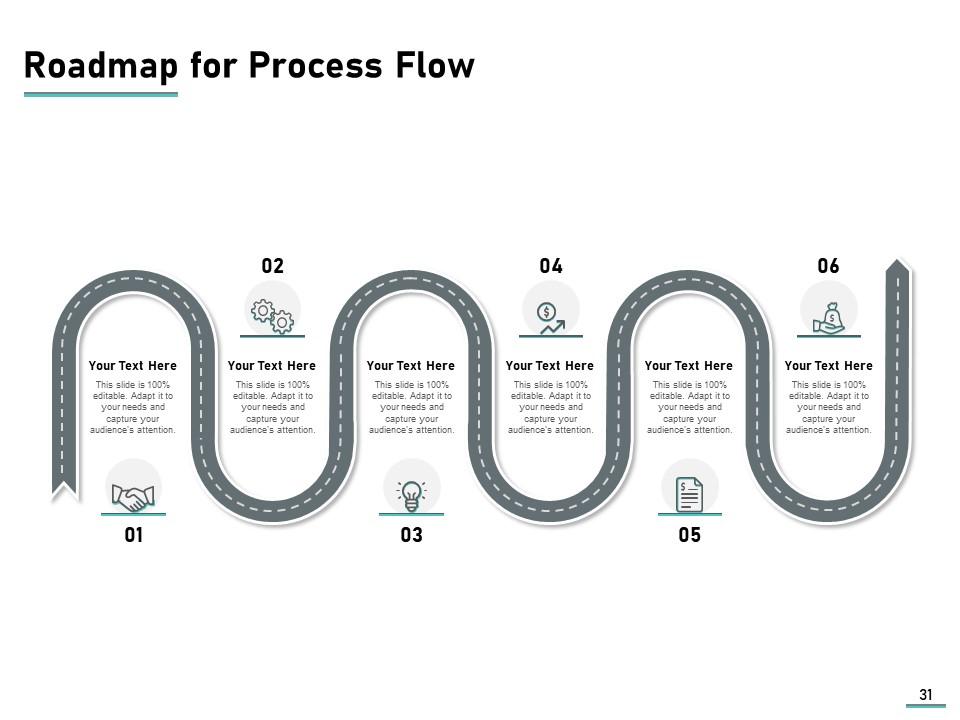
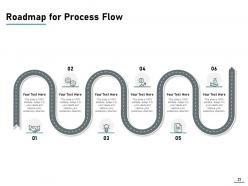
Slide 31: This slide showcases Roadmap for Process Flow.
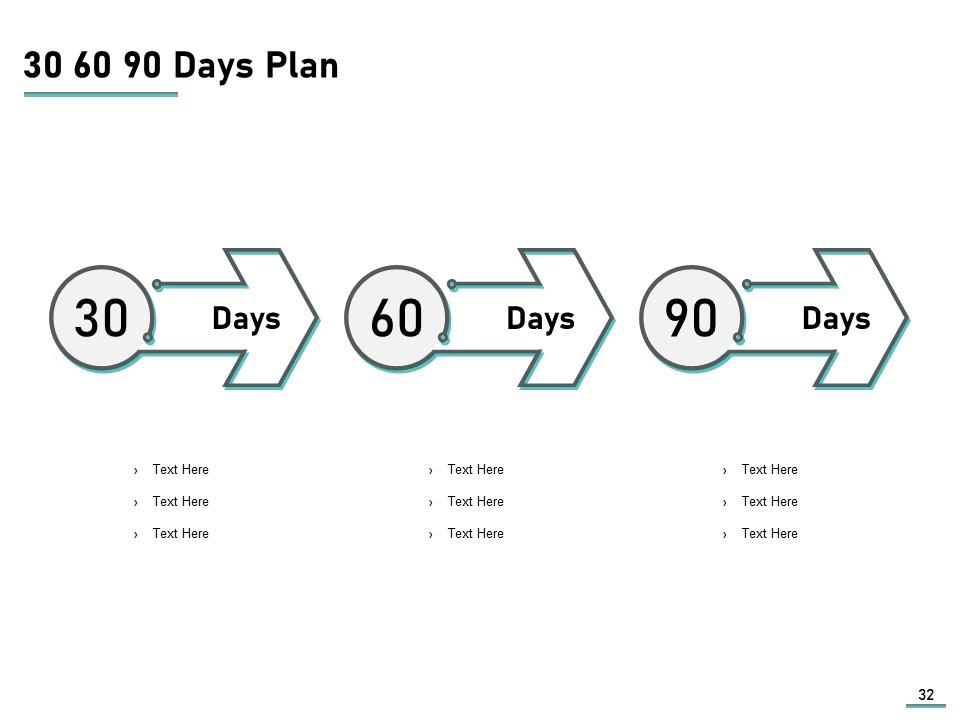
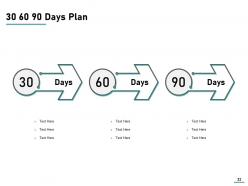
Slide 32: This is 30 60 90 Days Plan slide.
Funding project proposal powerpoint presentation slides with all 32 slides:
Use our Funding Project Proposal Powerpoint Presentation Slides to effectively help you save your valuable time. They are readymade to fit into any presentation structure.
-
Easy to edit slides with easy to understand instructions.
-
Amazing product with appealing content and design.
-
Excellent work done on template design and graphics.
-
Use of different colors is good. It's simple and attractive.
-
Commendable slides with attractive designs. Extremely pleased with the fact that they are easy to modify. Great work!
