


Pre seed round pitch deck powerpoint presentation slides




Try Before you Buy Download Free Sample Product
 Impress Your
 Audience
 100%
100% Editable
 Save Hours
 of Time


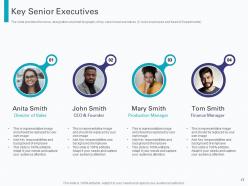
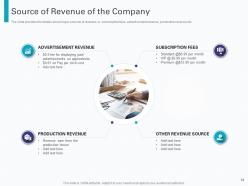
Introducing our Pre Seed Round Pitch Deck PowerPoint Presentation Slides. Provide the company’s operational overview by employing these seed funding pitch PPT templates. Present an attractive and engaging fact book of the company that includes milestones, expected revenue, target audience, and customer segment by taking advantage of these investor pitch PPT layouts. Convey the company’s vision statement, mission statement, and core values in an organized and well-structured format by taking the aid of this pre-seed pitch PPT slideshow. Mention the unique selling points of the company by incorporating these startup pitch PPT slides. Showcase the company’s organizational model that covers target customer, value proposition, revenue source, and cost structure using these seed round funding pitch PPT designs. Acquaint the audience with your key senior executives by utilizing these series A pitch PPT themes. With this fundraising pitch PPT presentation, you can elaborate on the sources of the company that is advertisement revenue, subscription fees, and production revenue. Additional slides provided at the end will help you give your presentation an orientation best-suited to your business needs and requirements. Click the download button!
People who downloaded this PowerPoint presentation also viewed the following :
Pre seed round pitch deck powerpoint presentation slides with all 46 slides:
Use our Pre Seed Round Pitch Deck Powerpoint Presentation Slides to effectively help you save your valuable time. They are readymade to fit into any presentation structure.



















FAQs for Pre seed round pitch deck
So for your pre-seed deck, nail the basics first: what problem you're solving, your solution, market size, and why your team's the right one to build this. Throw in any early traction - user feedback, pilots, whatever you've got. Business model can be rough around the edges (most pre-seed startups are still figuring that out anyway). Show the competitive landscape and be super specific about your ask - how much you need and what you'll spend it on. Oh, and keep it under 10 slides. Good storytelling beats pretty slides every time.
Get your value prop crystal clear by slide 3, seriously. Lead with the actual problem your customers deal with, then show why your solution is different - not just "better" or "faster" because honestly everyone says that crap. What can you do that nobody else can? Or maybe you're attacking the problem from a totally fresh angle. Concrete examples work way better than vague claims. A quick demo if you've got one. You want investors thinking "huh, that's actually clever" instead of "great, another me-too startup." The difference is everything.
Honestly, less is more with these things. Investors flip through tons of decks, so clean beats fancy every single time. Stick to maybe 2 fonts max and use colors that actually contrast - none of that gray-on-gray nonsense. White space is your friend here. Your charts should make sense instantly. I've seen way too many decks where you need a magnifying glass to read anything. One main point per slide, bold headlines, simple icons. Oh and definitely check how it looks on mobile since that's probably where they'll see it first. Trust me on this one.
Start with the actual problem you're solving - that's your hook. Then get specific about who's dealing with this pain. Don't just say "businesses," narrow it down like "small restaurant owners drowning in inventory chaos." The whole "our market is everyone" thing makes me want to close the deck immediately. Back everything up with real data from interviews or surveys, but keep it simple - maybe 2-3 solid stats. Market size matters but don't throw around those ridiculous TAM numbers that sound completely made up. Finish with a clear customer persona so investors can actually picture who's gonna pay you.
Dude, yes - storytelling is everything for pre-seed decks. Most founders just dump slides together, but you need an actual narrative that connects the dots. Start with a problem people can relate to (like something that happened to you personally), then show how your solution fits. The whole deck should flow like you're explaining it to someone over drinks, just... someone who happens to have money to invest lol. Investors won't remember your TAM slide, but they'll remember a good story that got them emotionally hooked. Makes you way more memorable than the 50 other pitches they'll see this month.
Look, don't overthink the financials - I've watched so many founders spiral into these insane Excel rabbit holes that make zero sense for early stage. Focus on your core drivers instead. How many customers monthly? What's the price point? Break revenue into maybe 2-3 buckets max and just explain your thinking clearly. Yeah, show 3 years but honestly year one is all anyone cares about right now. The key thing? Your numbers need to actually connect to realistic market size and customer acquisition that you can pull off. Simple beats complex every time at this stage.
Ugh, the worst thing you can do is stuff every slide with a million bullet points - instant eye glaze. Be super clear about what problem you're solving right upfront. Like, slide 2 clear. Don't skip the market size thing either, even if it feels boring. Investors get weird if they can't see the numbers. Oh and cut all the fancy buzzwords - just talk like a normal person explaining why this thing needs to exist right now. Most important though? Practice until you can nail the whole presentation in under 10 minutes. Trust me on this one.
Start with whatever experience hits closest to your actual problem. Built something similar? Worked in that industry? Put it right up front. Nobody cares about boring job titles though - talk about what you actually accomplished and why each person matters for THIS thing specifically. Show how your skills work together as a team. Honestly, if you're missing someone critical, just own it and explain who you're planning to hire. The whole point is making investors think "yeah, these people can actually pull this off in this market."
Honestly, pre-seed is all about proving people actually give a shit about what you're building. User growth matters - even if it's tiny numbers right now. Look at retention, daily actives, any revenue you've got. Customer testimonials can be gold too, sometimes better than fancy metrics tbh. Your numbers don't need to be massive yet, investors get that you're early. Just show you're trending up and tracking the right stuff. Oh and don't overwhelm them - pick like 3-4 key metrics max and make sure they tell a coherent story together.
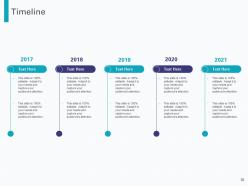
Look, investors definitely want to see your execution timeline - it proves you're not just winging it with their cash. Map out the next 12-18 months but keep it high-level since stuff will change anyway. Hit the big stuff: product launches, first customers, key hires. Don't go crazy with details though. I've seen founders get way too granular and it just looks naive. Make sure whatever funding you're asking for actually gets you to those milestones you've laid out. Otherwise you'll be back asking for more money way sooner than anyone wants.
Map out 3-4 main competitors on a simple grid - maybe price vs features, or market focus vs depth. Don't trash talk them though (investors probably know these people). Just show where the gaps are and why your approach fits there. Honestly, the "we're better" angle usually backfires. Instead, explain why you're different and why that matters. A good competitive matrix shows you actually get the market landscape. Keep it clean - too many competitors just looks messy and confuses everyone. The goal isn't proving you'll crush everyone, it's showing there's real space for what you're building.
Keep that business model slide dead simple - flowcharts work great for showing how cash moves from customers to you. Start with your main revenue stream, not like 5 random ideas you're brainstorming. Unit economics are clutch if you've got early data, even rough projections. Honestly? Focus way more on the "how" than dollar amounts at pre-seed. Oh and definitely practice explaining it in 30 seconds out loud because they'll ask you to walk through it during Q&A every single time.
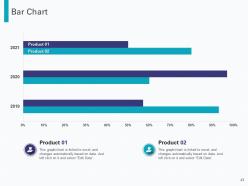
Honestly, visuals are everything in pitch decks. Flowcharts work great for explaining your business model, bar charts for market data, timelines for roadmaps - you get it. I'm obsessed with using icons and metaphors, especially when you're dealing with investors who don't get the technical stuff. A solid analogy beats confusing jargon any day. Screenshots make your product feel real instead of theoretical. Keep everything clean though - if it takes more than 30 seconds to understand what you're showing, it's way too cluttered. Strip out anything unnecessary.
Dude, you gotta tailor your pitch deck for each investor type. VCs are obsessed with huge markets and how fast you can scale - hit them hard with your TAM and growth plans. Angels? They're betting on YOU personally, so lead with your team's story and why this problem matters to you. Family offices are way more conservative than people think - they want steady returns, not your crazy moonshot idea. Corporate investors care about how you fit with what they already do. Oh and definitely stalk their portfolio first. Then just swap out 3-4 slides based on what they actually invest in. Makes a huge difference.
Definitely bring an executive summary - something short they can reference after you leave. Also toss together a basic financial model, even if it's super rough since you're pre-seed. Got any product demos or prototypes? Those are honestly way more convincing than slides. Customer feedback or letters of intent work too if you have them. I'd probably prepare a competitive analysis doc, though they might not even look at it. Oh, and put everything in a shared folder beforehand so you're not frantically searching your laptop when they ask follow-up questions.
-
Great designs, Easily Editable.
-
Enough space for editing and adding your own content.
-
Really like the color and design of the presentation.
-
Amazing product with appealing content and design.
-
Great designs, Easily Editable.
-
Innovative and attractive designs.
-
Easily Understandable slides.
-
Awesomely designed templates, Easy to understand.