


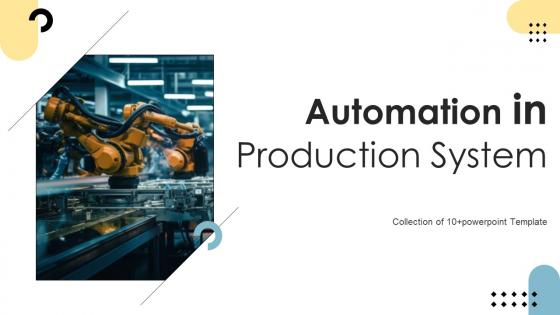
Automation In Production System Powerpoint PPT Template Bundles




Try Before you Buy Download Free Sample Product
 Impress Your
 Audience
 100%
100% Editable
 Save Hours
 of Time


Revolutionize your production systems with our dynamic PowerPoint presentation on Automation in Production Systems. Dive into the future of Industrial Automation, exploring the seamless integration of Manufacturing Automation to enhance efficiency. Uncover the transformative impact of Robotics in Production, streamlining tasks and optimizing output. This presentation is your gateway to understanding the intricacies of Factory Automation, where processes are synchronized for unparalleled productivity. Explore the world of Process Automation, gaining insights into the automated orchestration of tasks for a streamlined workflow. Whether you are a novice or an industry expert, this resource is your comprehensive guide to harnessing the power of automation for a more efficient and competitive production environment.
People who downloaded this PowerPoint presentation also viewed the following :
Automation In Production System Powerpoint PPT Template Bundles with all 20 slides:
Use our Automation In Production System Powerpoint PPT Template Bundles to effectively help you save your valuable time. They are readymade to fit into any presentation structure.









FAQs for Automation In Production System Powerpoint
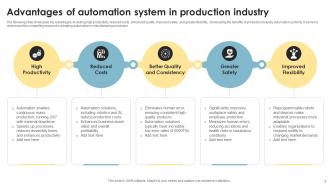
So you'll definitely see faster production lines that run way more consistently than manual work. Quality goes up too since machines don't get tired or distracted like we do. Labor costs drop, obviously, and you're not putting workers in harm's way for the dangerous stuff. The data you get is honestly pretty amazing - you can actually see what's happening in real time instead of just guessing. Most setups pay for themselves in a year or two, which isn't bad. Oh, and definitely test it on just one line first before going crazy with the whole operation.
Honestly, automation is a game changer for quality control. You get consistent inspection on every single product - no tired workers making "eh, good enough" decisions at the end of their shift. The sensors can catch tiny defects that people would totally miss, and you're getting real-time data on how everything's performing. I mean, humans are great but we get fatigued and inconsistent at scale. Set up checkpoints at your critical production stages and watch your defect rates plummet. Plus it actually speeds things up instead of slowing them down, which is pretty sweet.
So data analytics is what makes automation actually smart, you know? All those sensors and performance logs generate tons of info, and analytics turns it into stuff you can actually use. You'll catch bottlenecks before they wreck your day, predict equipment failures, optimize settings - honestly the amount of waste most places don't even realize they have is crazy. Instead of scrambling to fix broken stuff, you're preventing problems. My advice? Pick your worst headache first and start collecting data around that specific issue. Way better than trying to track everything at once.
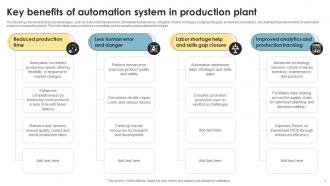
Honestly, automation saves you money in a bunch of ways. Labor costs drop big time since machines can handle the boring repetitive stuff without needing breaks or overtime. Your error rates plummet too - humans mess up when we're tired or distracted, but machines just keep doing their thing consistently. That means less waste and rework. They're also way better at using exact amounts of materials and energy. Oh, and here's the kicker - they can run all night while your competitors are shut down. I'd start with whatever processes eat up the most labor hours or cause the most headaches error-wise.
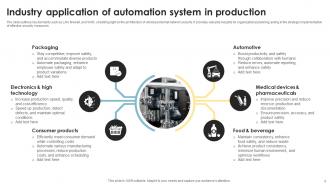
Different industries customize automation depending on what they're dealing with. Automotive goes heavy on robotics for welding and assembly - speed and precision are everything there. Food companies focus more on packaging and quality control because contaminated products are a nightmare. Pharmaceuticals? They're obsessed with sterile, validated systems since regulations will destroy you if you mess up. Electronics uses pick-and-place machines and optical inspection - those components are ridiculously tiny. Honestly, just look at your industry's biggest headaches and compliance requirements first. That's where you'll get the most value from automating.
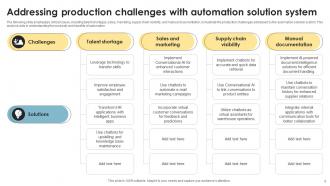
Honestly, the integration stuff is gonna be your biggest headache. Most old equipment just doesn't play nice with new automation tools - you'll probably need expensive middleware to make everything talk to each other. People hate changing their routines too, especially ones they've used for years. I'd budget way more time and money than you think you need (trust me on this one). Training gets tricky because everyone needs to learn both systems during the transition. Don't try automating everything at once - phase it out gradually or you'll create chaos.
Look, just pick one thing that's making you want to tear your hair out and automate that first. Maybe it's tracking inventory or some repetitive assembly work - honestly, even automating quality checks can be a game changer. Yeah, the upfront cost sucks, but most people see their money back in under two years from cutting labor costs and reducing screw-ups. Your workers will actually thank you since they can ditch the boring repetitive stuff. I'd start by writing down your biggest headaches and figuring out which ones tech could realistically fix.
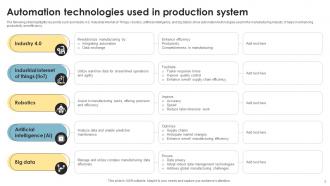
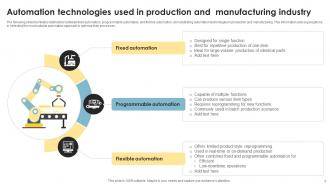
Honestly, start with IoT sensors - they're cheap now and you'll actually see results fast. AI and machine learning are game-changers for catching problems before they happen, plus quality control stuff. Those collaborative robots are pretty sweet too since they don't need safety cages like the old industrial ones. Edge computing's becoming huge because nobody wants to send all their data to the cloud and wait around. Digital twins sound fancy but they're basically just virtual copies of your line so you can mess around without breaking anything real. Way easier to implement this stuff than it used to be, but don't go crazy right away.
So basically you're switching from teaching people how to run machines to teaching them how to babysit machines instead. Focus your training on monitoring automated systems and jumping in when stuff breaks down - which honestly happens more than companies like to admit. It's way less hands-on work now and more about reading data and keeping an eye on everything. People need to learn those new dashboards and interfaces too. Oh, and figure out which jobs are getting hit hardest by automation first. Those teams should be your priority for retraining.
Look, automation's more about changing jobs than killing them completely. Sure, boring repetitive stuff gets automated, but then you need people to program and babysit those systems. The real challenge? Getting your current team trained up on new skills - honestly some people struggle with that transition more than others. Most companies end up hiring more technicians and data people. My advice: don't wait until after you automate to figure out retraining. Start now identifying which roles will shift and what skills they'll need. Being upfront with everyone about what's coming makes the whole thing way smoother.
So basically automation takes people out of sketchy situations - heavy machinery, chemical stuff, all those repetitive motions that wreck your body over time. Robots handle the dangerous parts while people do more oversight work. These systems have crazy fast sensors that shut everything down if something's off, way quicker than we could ever react. Companies usually see safety incidents drop by 20-40% after automating (which honestly makes total sense). I'd probably start by looking at whatever your riskiest manual processes are and see which ones you could automate first. That's where you'll get the biggest bang for your buck.
Dude, definitely look into predictive maintenance with AI - that stuff's getting crazy good. Cobots are everywhere now too, and edge computing is finally hitting its stride. The whole digital twin thing for real-time simulation? Total game changer. IoT sensors are collecting insane amounts of data, which means your systems need to get smarter about making decisions on their own. I'd start small though - pick one process that could really benefit from predictive analytics or figure out where humans and robots actually make sense working together. Trust me, don't go full automation right away. My buddy tried that and it was a nightmare.
Honestly, you gotta track both the obvious savings and the productivity stuff to get the real picture. Start with the easy wins - labor costs, materials, fewer screw-ups. Then look at output increases and quality improvements. The soft benefits are where it gets interesting though - less downtime and faster processing can save you serious cash. Oh, and definitely get your baseline numbers before you start implementing anything, otherwise you're just guessing later. I'd set up a basic spreadsheet tracking monthly costs vs gains. Review it every quarter to see if you're actually hitting your targets.
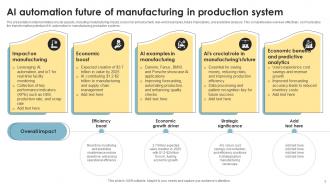
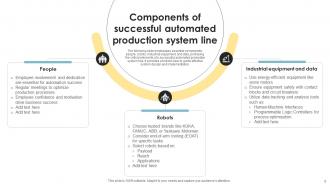
So robots are like the muscle doing all the physical stuff - assembly, packaging, whatever. AI's the brains making decisions about scheduling and quality control. Pretty crazy how they work together now, honestly. The consistency you get is impossible with people doing it manually. Plus scaling up when demand hits? Way easier. Oh, and the AI can actually predict when machines need maintenance before they break down, which is kinda genius. If you're thinking about automating, just look at your most repetitive tasks first - that's where you'll see money back fastest.
Look, automation's honestly a game-changer for cutting waste. Smart sensors can predict maintenance issues before your equipment craps out on you - no more surprise breakdowns. You'll get way better at material usage with precision controls, plus quality monitoring catches defects early. The energy savings are huge too since machines only run when actually needed. Real-time tracking helps you spot wasteful patterns fast. I'd say start with whatever's bleeding the most money right now and figure out where automated controls make sense. Oh, and don't overthink it - sometimes the simplest sensor setup gives you the biggest wins.
-
Their products can save your time, effort and money. What else you need. All in one package for presentation needs!
-
Placing an order on SlideTeam is very simple and convenient, saves you a lot of your time.