


Bid Management Process Powerpoint Ppt Template Bundles




Try Before you Buy Download Free Sample Product
 Impress Your
 Audience
 100%
100% Editable
 Save Hours
 of Time


Our Bid Management Process Powerpoint Ppt Template Bundles are topically designed to provide an attractive backdrop to any subject. Use them to look like a presentation pro.
People who downloaded this PowerPoint presentation also viewed the following :
Bid Management Process Powerpoint Ppt Template Bundles with all 17 slides:
Use our Bid Management Process Powerpoint Ppt Template Bundles to effectively help you save your valuable time. They are readymade to fit into any presentation structure.





FAQs for Bid Management Process Powerpoint
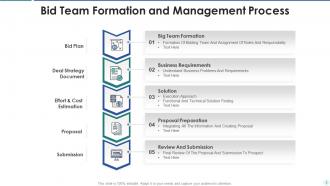
You need four main pieces: figuring out if you should even bid, putting together your team, developing the actual solution, and writing it all up. Honestly, the go/no-go decision upfront will save your sanity later - I can't stress this enough. Map out clear roles for everyone and set milestones you actually stick to. Oh, and build in review time because you'll always miss obvious stuff when you're too close to it. Templates are your friend here - why start from scratch every time? I'd say look at where your current process usually falls apart first, then work backwards from there.
Honestly, bid management software is a lifesaver for all the tedious stuff. Automated deadline tracking and template storage will save you tons of time right off the bat. The fancy platforms can even pull client info straight from your CRM - beats manually typing everything out. Workflow automation is clutch too since it handles routing drafts to reviewers and sends those annoying reminder emails for you. Analytics help you figure out what actually wins bids (though half the time it still feels like throwing darts blindfolded). I'd start simple - just digitize your templates and deadline system first.
Honestly, you can't win big bids without solid teamwork - I learned this the hard way. Your tech people need to sync with the commercial team constantly, otherwise you'll end up with pricing that doesn't match your solution (been there). Get your proposal manager setting up regular check-ins from day one. Create shared folders where everyone sees updates in real time. The communication channels thing is huge - establish them early or you're screwed when deadlines hit. I swear, half the failed bids I've seen died because departments weren't talking to each other and submitted totally conflicting info.
Win rate's your main thing to watch - tells you if your bids are actually working. Profit margins matter too though, because what's the point of winning jobs that lose you money? I always check how long bid-to-award takes and grab client feedback when I can. Cost per acquisition is massive - like, how much are you dropping on proposals versus what comes back in revenue? People get obsessed with response rates but honestly quality trumps quantity. Oh and set up some basic dashboard to review monthly - doesn't need to be fancy. Just start tracking something, even if it's messy at first.
Honestly, the worst part is always the crazy tight deadlines. Plus you're constantly dealing with people who aren't available when you actually need them - so frustrating. Resource constraints make everything harder too. Half the time the RFPs are incomplete so you're going back and forth asking for clarification. Version control becomes this total mess when everyone's editing at once. Oh and don't get me started on compliance stuff, especially government bids where missing one tiny requirement tanks your whole submission. Build good templates from the start though. Set up clear review processes. Always give yourself extra time because I swear something always goes sideways at the last minute.
Dude, actually READ their RFP thoroughly - don't just skim through it. Mirror back their exact language and priorities in your response. I can't tell you how many lazy, cookie-cutter proposals I've seen that scream "mass email." Reference their specific industry challenges and show you get their timeline constraints. Got compliance issues they mentioned? Hit those directly. Budget concerns? Address them upfront. Basically, they should feel like this proposal was written specifically for them. Templates are obvious and honestly kind of insulting. Make your solution examples relevant to what they're actually dealing with. It's more work but worth it.
Okay so first thing - actually read their RFP super carefully and hit every single requirement they mention. Don't just list features; explain how you'll fix their actual problems and what results they'll see. Make it easy to scan with headers and bullet points because those evaluators are probably reading like 20 of these things. Also, focus on benefits over just technical specs - they want to know what's in it for them. Oh and definitely get someone else to look it over before you send it. You'll be way too close to it by then to catch obvious mistakes or confusing parts.
Don't wait until the end to think about risks - weave it into every step. Right off the bat, check if the client's solid, if the project's nuts, and whether your team can actually handle it. I swear by risk matrices that score technical, financial, and timeline stuff (seriously saved me so many headaches). Keep updating that risk list as you dig deeper into requirements and scope out the competition. Oh and here's the thing - factor those risks directly into your pricing and staffing plans. You can't just cross your fingers and hope it'll all work out perfectly.
Definitely track your win rate and bid-to-revenue ratio first - those'll show you if you're actually closing deals and whether proposal time is worth it. Average deal size matters too. Pipeline conversion at each stage is honestly where I found the biggest surprises about our bottlenecks. Response time is huge since clients totally notice when you're slow (learned that the hard way). Oh, and don't try tracking everything at once - pick maybe 2-3 metrics to start with. You can always add more later once you've got a handle on the basics.
Honestly, Loopio or RFPIO are total lifesavers for bid management - they handle all the response organization and deadline tracking. For timelines, I'd go with Microsoft Project or even just Asana. Grammarly's clutch too because let's face it, we all make dumb typos when we're stressed about deadlines. Your CRM can pull client data fast, which helps more than you'd think. Google Workspace works great for collaboration since everyone's always editing different sections simultaneously. My advice? Pick one main platform first. Don't go crazy adding every tool at once or your team will hate you.
Yeah, definitely ask for feedback on every lost bid. I get it - nobody wants to revisit a rejection, but honestly that's where you'll learn the most. Most clients will actually tell you straight up what went wrong if you just ask politely. Could be your pricing was off, maybe there were gaps in your proposal, or your pitch fell flat somehow. Keep a simple log of all the feedback you get. After a few losses, you'll start seeing patterns emerge. Then actually DO something with what you learn - tweak your proposals, adjust your rates, whatever needs fixing. The feedback is useless if it just sits there.
Dude, compliance will literally kill your bid if you mess it up. Evaluators toss non-compliant proposals straight in the trash - doesn't matter how brilliant your solution is. Pretty harsh, but that's procurement for you. Following every format requirement and deadline shows you can handle details, which buyers actually care about more than you'd think. Start with a compliance checklist right away. Then get fresh eyes on everything before you hit submit - you'll miss stuff when you've been staring at it too long. Trust me on this one.
Honestly, I'd say quarterly at minimum, but after every major bid is even better - stuff's still fresh then, you know? Market conditions are crazy right now and change so fast. Win rates, feedback patterns, maybe check those monthly too. Your team's bandwidth shifts, clients get pickier, competitors do weird stuff. What crushed it six months ago might totally flop now. Oh, and definitely set a calendar reminder for the deep quarterly review. Trust me on this one - when you're drowning in active bids, it's the first thing that gets pushed off.
Look, I've been diving into our bid data lately and it's actually pretty eye-opening. You can see exactly where you're winning - like which project types or client sizes you crush versus where you keep losing. Track your win rates by category and you'll spot if you're pricing yourself out on certain jobs. The seasonal stuff is interesting too - we noticed way more activity in Q2 than I expected. Pull your last year's bids and compare wins to losses. You'll probably find you have a sweet spot project size you didn't even realize, plus figure out which competitors always seem to beat you out.
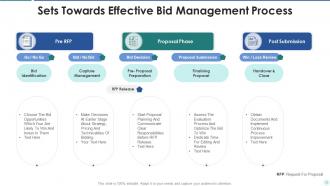
Honestly, you've gotta nail down what your business actually wants first. Then just ask yourself with every bid - does this fit our goals and target markets? I've watched so many teams get distracted by opportunities that look great but don't actually help them grow. Build some kind of scoring system that weighs strategic fit, profit potential, and how much work it'll take. Meet regularly with leadership so everyone's aligned. The hardest part? Saying no to bids that seem tempting but don't serve your bigger strategy. Trust me, that discipline pays off.
-
Top Quality presentations that are easily editable.
-
Amazing product with appealing content and design.