

 0 Comment
 Customer Reviews

Take a moment to think about this: You are the brain. Your pains and pleasures, happiness and sadness, dreams and aspirations, fears and doubts, love and hate, every feeling and emotion, everything that makes you YOU, are within some three pounds of gray matter in your head.
Take a moment to think about it.
It’s not exactly a brain-in-a-jar, but it’s not that far off either (and how would we know otherwise?). The brain doesn’t do it alone, of course. It has the spinal cord, the nerves, some chemistry, and a jolt of electricity to help. This is what this blog is going to talk about, the NERVOUS SYSTEM, which lets you experience the world around you.
This blog offers 17 gorgeous PowerPoint Templates to give you the best presentation on this human organ system.
Whether you are a high school student, a medical student, or a doctor, it has no bearing on whether this collection is right for you because the templates are:
- CONTENT-READY: You do not need to conduct any research; we have curated that for you. Should you be running late, your presentation is there for you.
- EDITABLE: Any information that catches your attention can be added to or deleted from these slides.
Each deck has several slides presenting the diagram with and without the labels and highlighting individual parts, making for a world-class comprehensive presentation!
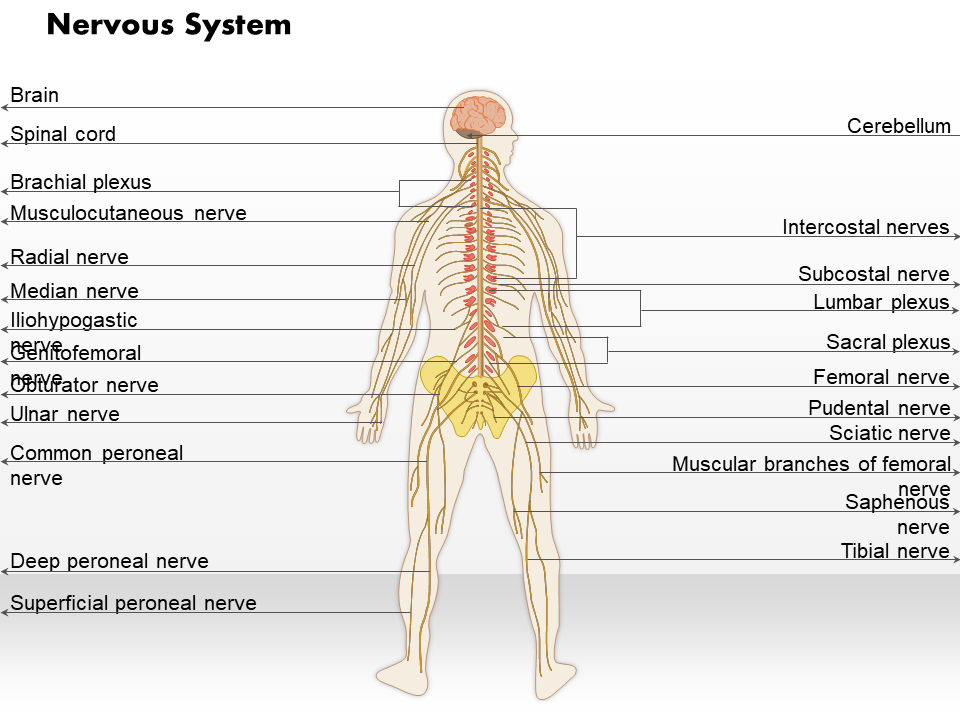
Template 1: The Nervous System
This PPT Deck covers the structure and function of the nervous system and its role in human health and disease. It provides detailed, easy-to-understand information and is an excellent resource for students and professionals alike. Download it now by clicking the link below.
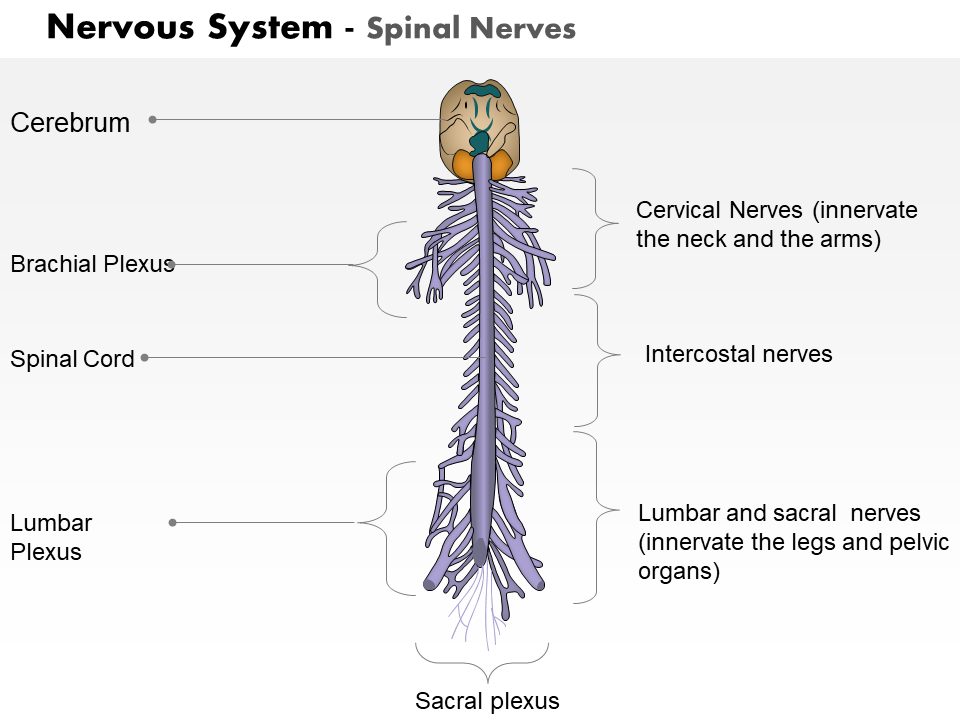
Template 2: The Nervous System - Spinal Nerves
This PowerPoint Set is an essential tool for anyone interested in learning more about the human nervous system. This PowerPoint Presentation covers everything from the anatomy of the spinal cord to the functions of neurons. Get it right away!
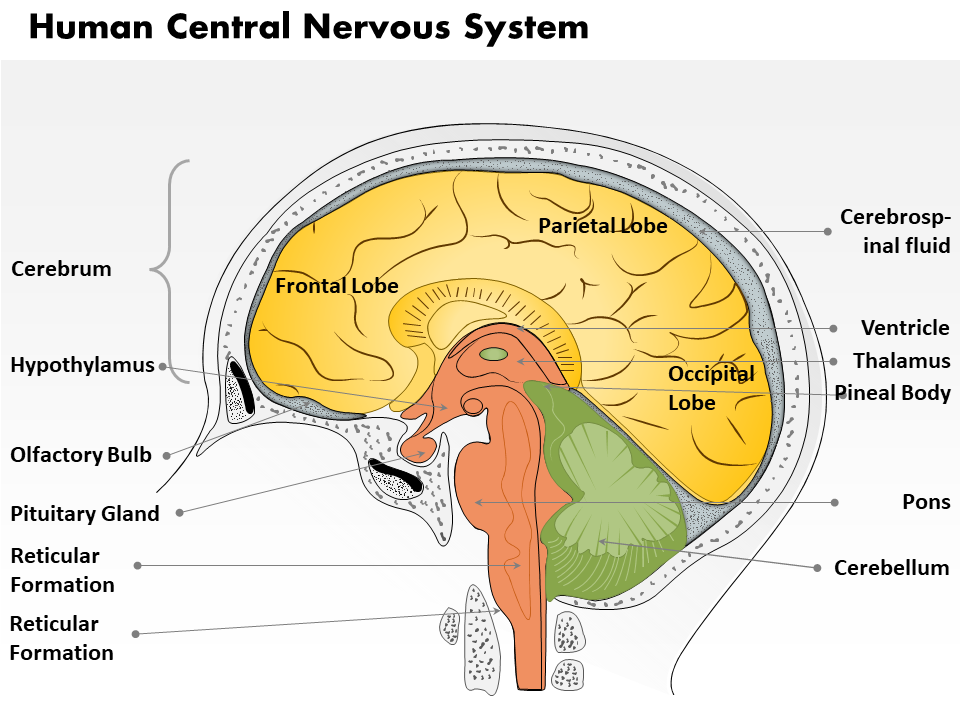
Template 3: How Relationships Work in the Nervous System
With this PPT Bundle, you can showcase topics related to the cerebrum, hypothalamus, parietal lobe, pituitary gland, reticular formation, cerebellum, etc, in your presentation. Plus, the clear and concise layout will help your audience understand the relationships between different brain parts. Make it yours now.
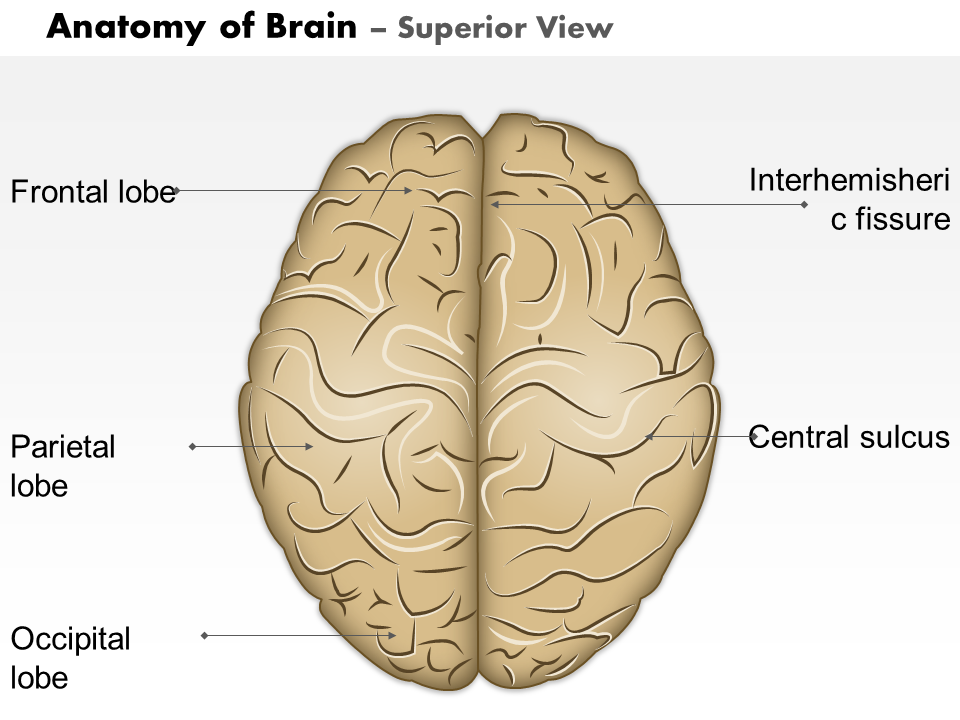
Template 4: Anatomy of the Brain - Superior View and Piecing the Jigsaw Together
This detailed PowerPoint Layout provides a comprehensive overview of the brain and its functions. Every major area of the brain is labeled and explained. from the frontal lobe to the central sulcus. The superior view allows you to see the parts of the brain and how they fit together. Download it now.
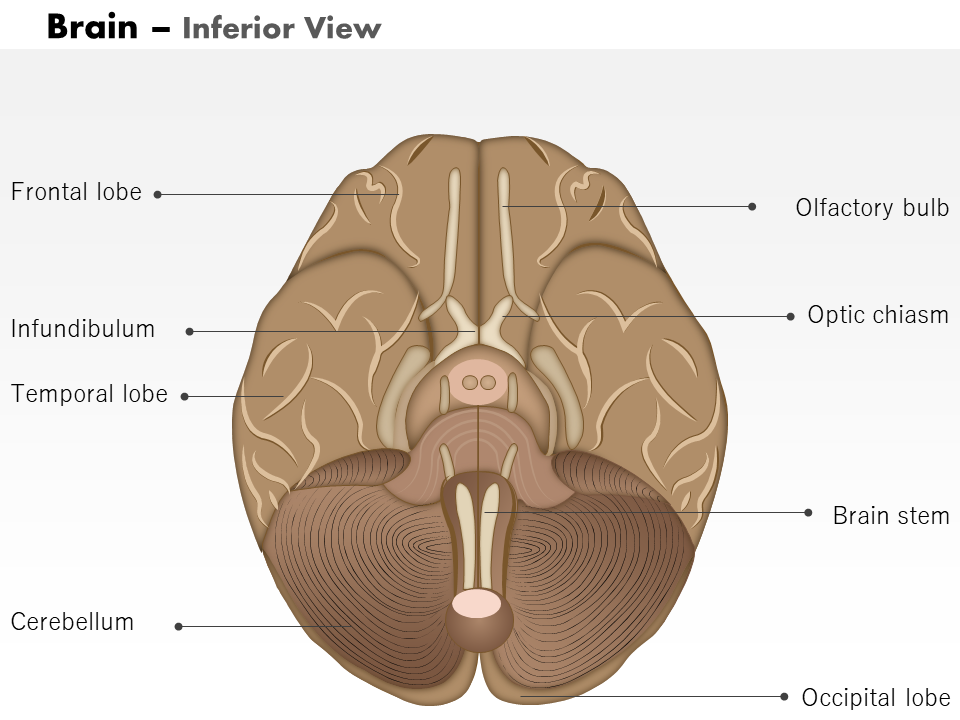
Template 5: Anatomy of the Brain – Peak into intricacies of existence with Inferior View
This PPT Preset is a comprehensive resource that provides complete information about the structure and function of the brain. It covers the brain’s anatomy from an inferior view, allowing students to visualize this important organ’s intricacies. Get it right away!
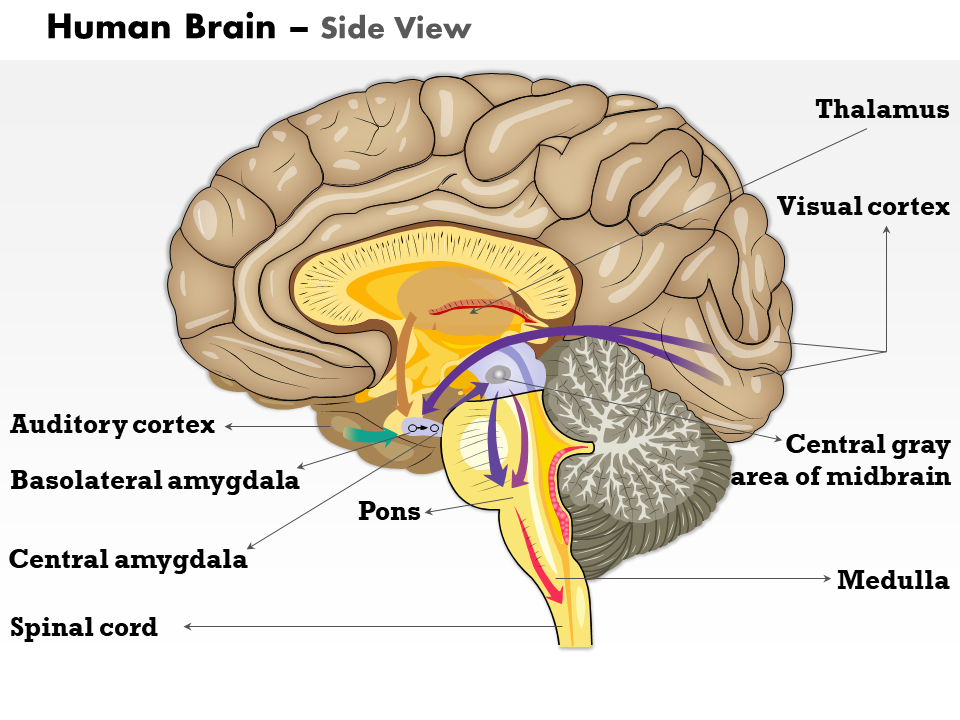
Template 6: Anatomy of the Brain – Peak into intricacies of existence with Side View
This PowerPoint Deck is packed with information on parts of the brain, such as the pons, medulla, visual cortex, etc, as well as how they function together. And to top it off, it's also visually stunning, with beautiful illustrations that bring the subject matter to life. Make it yours, now!
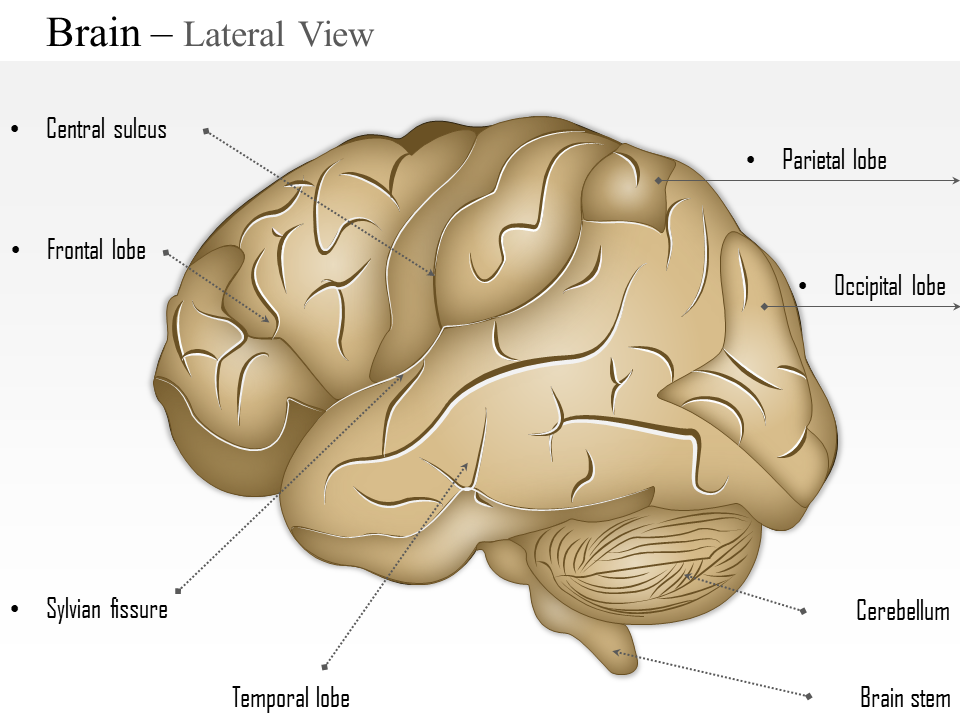
Template 7: Anatomy of the Brain – Get the corner seat with Lateral View
Use this PPT Set to showcase the brain’s lateral view and highlight the parts like cerebellum, Sylvian fissure, temporal lobe, and more. Yet another important view of the brain, download it now by clicking the link below.
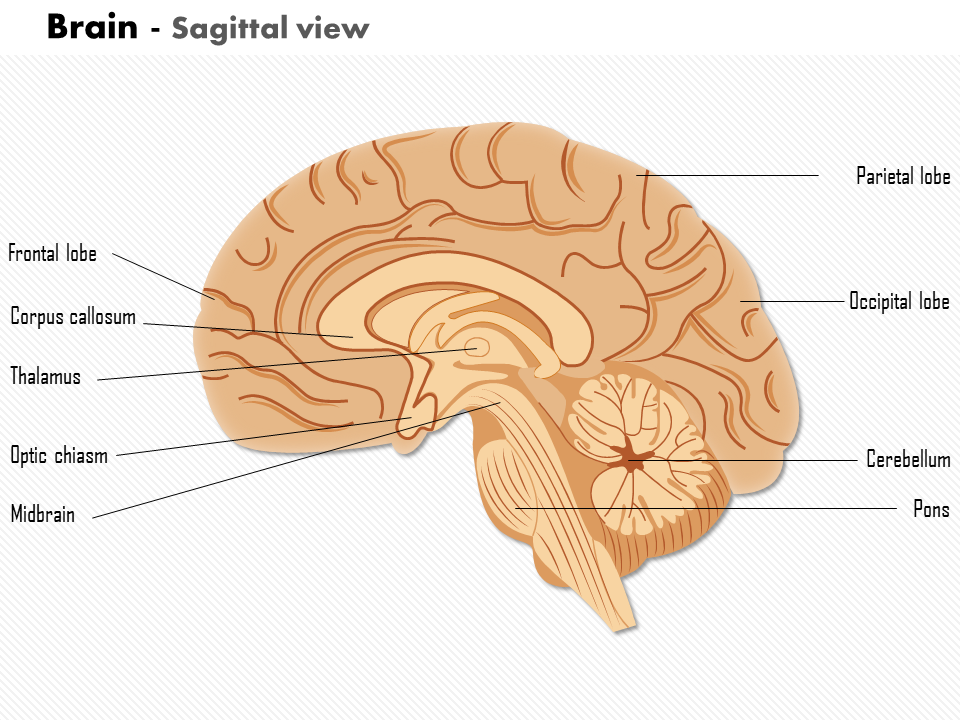
Template 8: Anatomy of the Brain – Split and Deliver in Sagittal View
A unique look into the brain’s anatomy, the sagittal view splits the organs left and right. Present the hidden parts of the brain, such as the optic chiasm and thalamus, among others. Get this PowerPoint Bundle now.
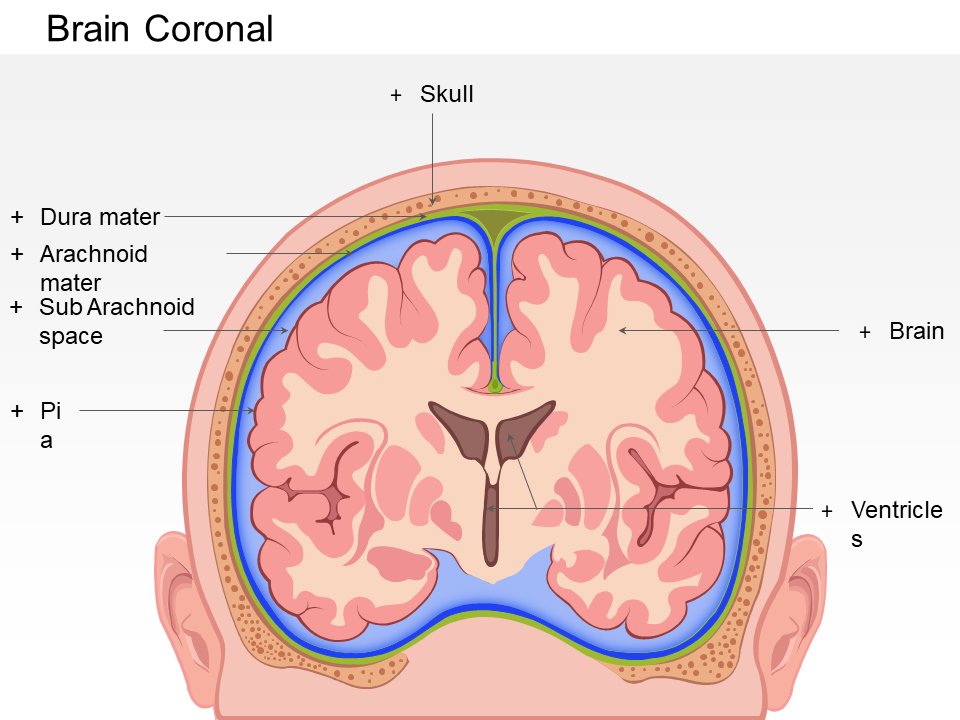
Template 9: Anatomy of the Brain – The Hard Reality of Skull and Coronal View
Showcase and explain how the brain resides inside the skull and the layers that cover it with this PPT Layout. The brain has its own system of interacting with other organs, such as the blood-brain barrier and the spinal fluid. Get this deck now.
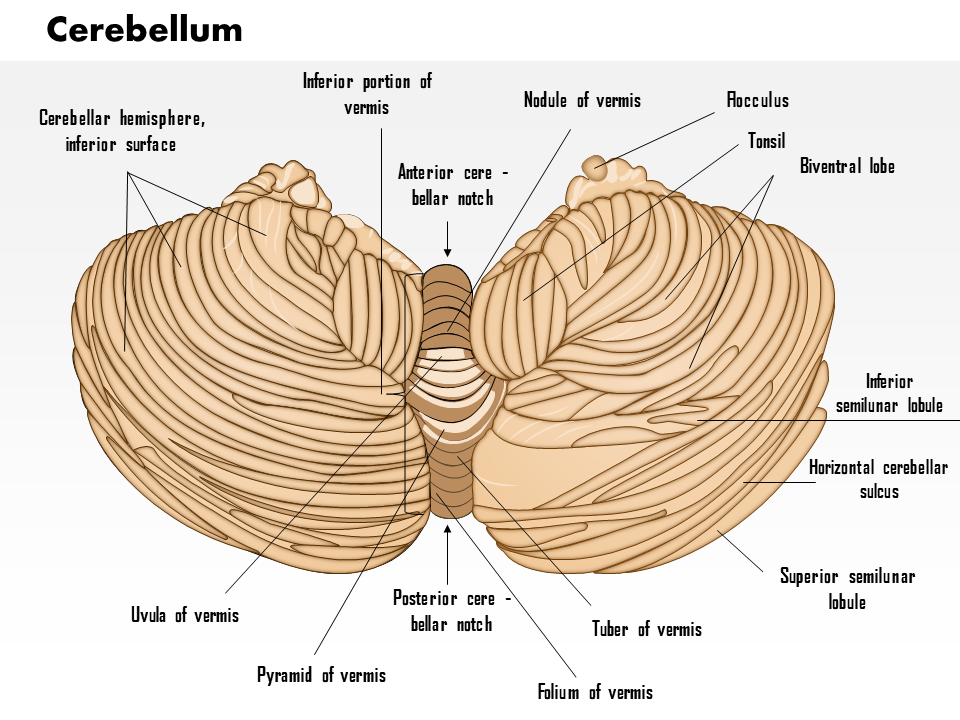
Template 10: The Cerebellum: Secret to Maintaining Body Balance
The cerebellum is a small, round structure located at the back of the brain. It is responsible for coordinating movement and balance. The cerebellum is divided into two hemispheres, each of which controls the opposite side of the body. All this information and more is within this PowerPoint Preset. Download now.
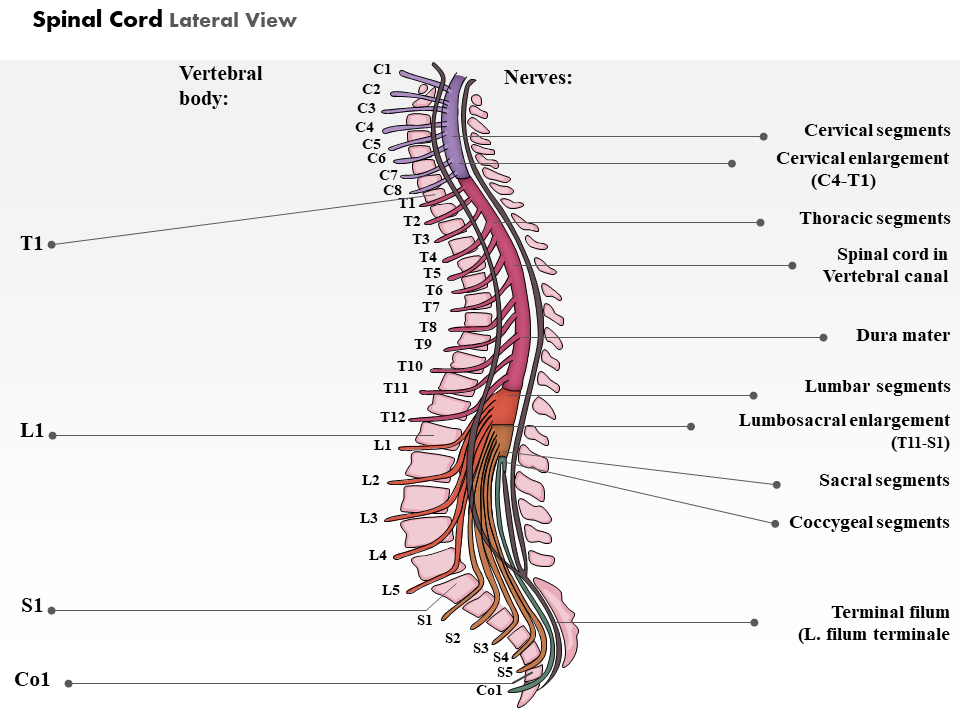
Template 11: The Spinal Cord: The VIP Needs Protection
This PPT Deck presents the spinal cord, which is a vital part of the central nervous system. It extends from the brainstem down to the lower back, with the vertebral column protecting it. Detail the parts of this important organ and educate the audience on keeping it safe. Download it now.
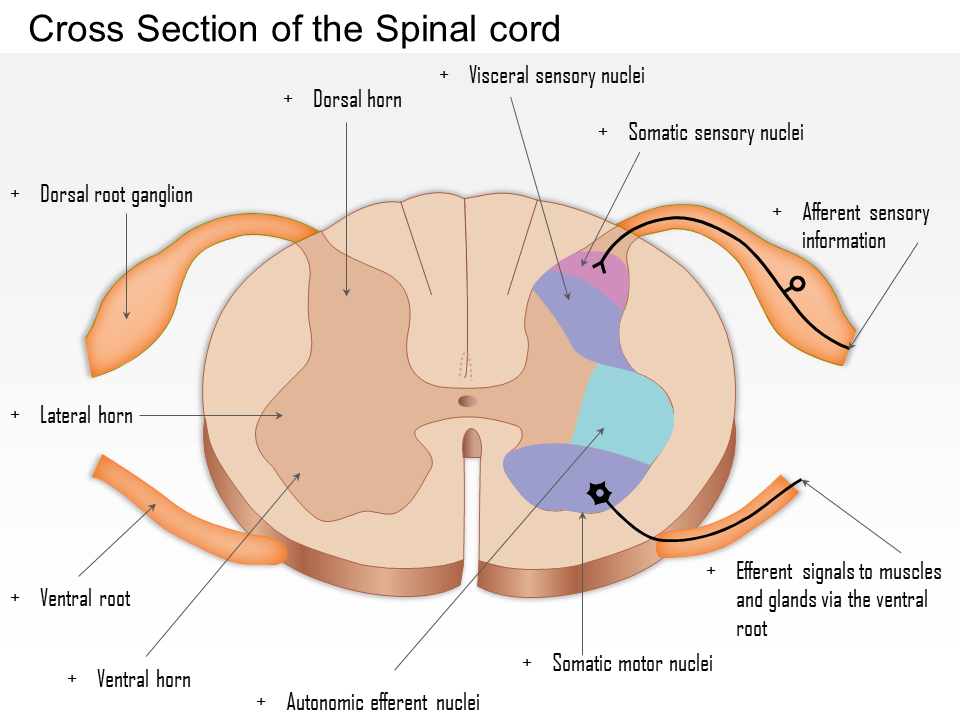
Template 12: Cross-Section of the Spinal Cord: Movement and health
A diagram of the spinal cord can be an invaluable tool for understanding this complex structure and how it works. It shows parts of the spinal cord and how they are arranged. It is an essential tool for students of anatomy, physiotherapy, or any other discipline concerned with human health. Make this PowerPoint Set yours with a download.
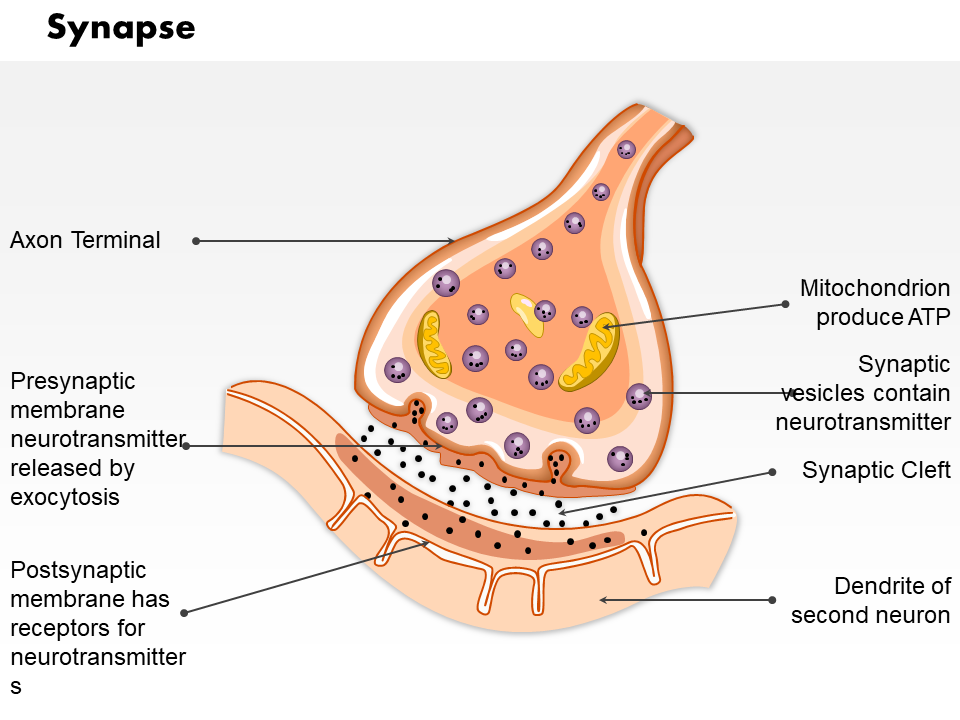
Template 13: The Synapse: The Medium that Lets You Say
Are you looking for a way to better understand how the brain works? A synapse diagram can be a helpful tool in doing just that. Synapses are the communication points between neurons, and this PPT Bundle provides a clear and concise visual representation of how they work. Get it now.
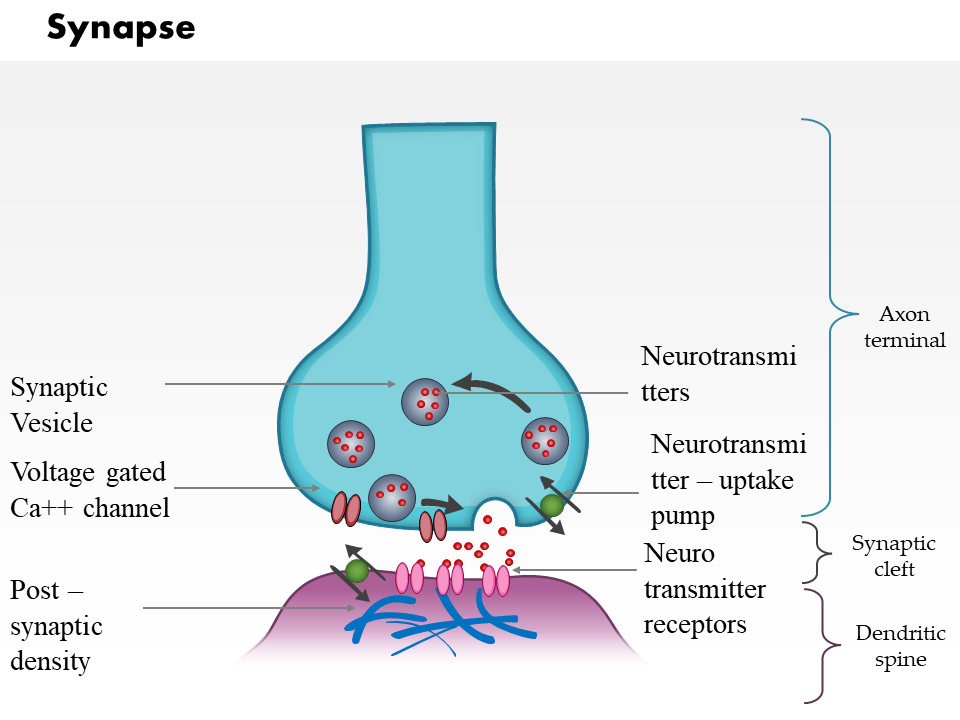
Template 14: Synapse 2 - Chemistry Involved in Transmission
The synapse chemistry diagram is the perfect tool for studying and understanding the chemical processes that take place at a synapse. This PowerPoint Preset shows the structures and functions of molecules involved in synaptic transmission. Download it now.
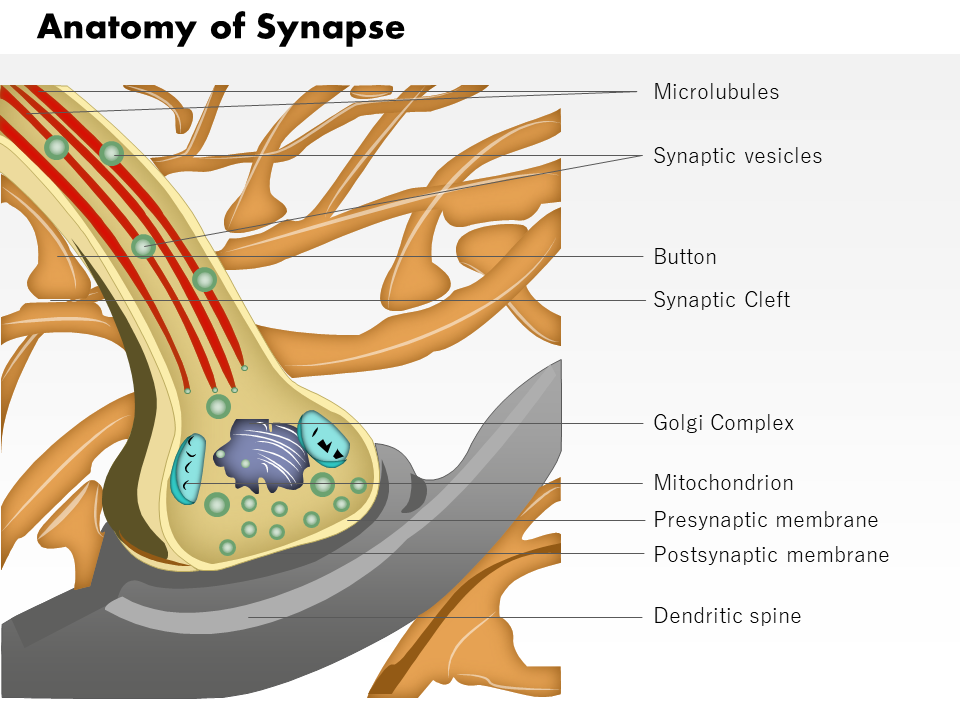
Template 15: Synapse 3: The Anatomy: The Powerhouse in Action
This PPT layout presents a detailed diagram of the synaptic cell, with its organelles like the mitochondria (the powerhouse of the cell), Golgi complex, microlubules, etc. Download this template now by clicking the link below.
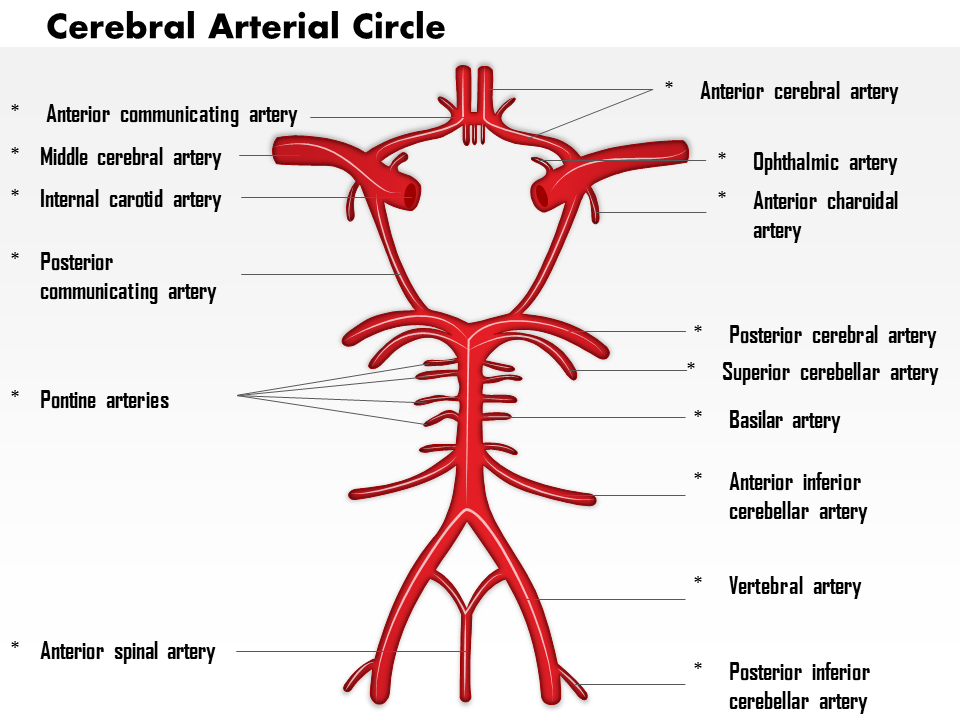
Template 16: The Cerebral Arterial Circle: Key to Genuine Understanding
The Cerebral Arterial Circle diagram is a highly detailed and accurate representation of the arteries that supply blood to the brain. It is essential to understand if you wish to understand the brain. This PowerPoint deck presents the artery diagram with labels. Get it now.
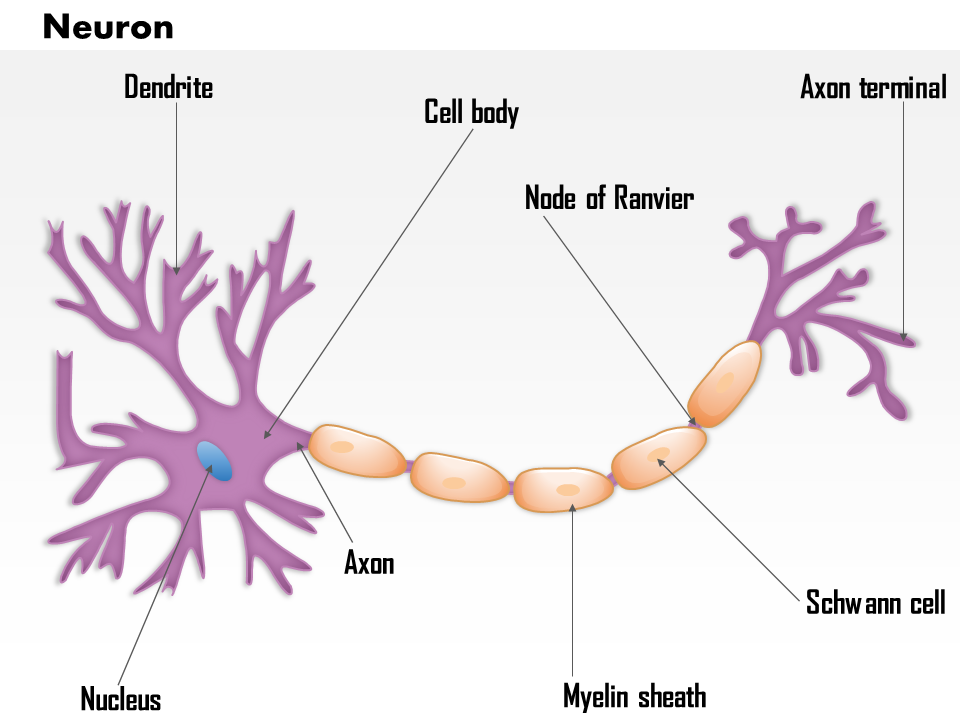
Template 17: The Neuron: Signals that Matter
The neuron is a specialized cell of the nervous system that is responsible for transmitting signals throughout the body. Use this PPT set to label and explain the structure of the cell and how it functions. Download it now.
Complexity simplified
The nervous system is an incredibly complex system, and scientists are still learning a great deal about how it works. However, we know it plays a vital role in maintaining our health and well-being. Without it, we would not be able to interact with our environment or make sense of the world around us.
You can also check out our blog with eight amazing templates on the cardiovascular system!
A Refresher
The following text is written to provide you with a refresher on the nervous system, its function, and how it works. We'll cover everything from the brain and its lobes to the nerves and how they transmit signals throughout the body.
FAQs for the Nervous System
How does the nervous system work?
The nervous system is responsible for sending signals throughout the body and consists of the brain, spinal cord, and nerves. The brain is the control center for the nervous system, and the spinal cord carries messages between the brain and the rest of the body. Nerves are responsible for carrying signals to and from the brain and spinal cord.
What is the nervous system made up of?
The nervous system comprises two parts: the central nervous system (CNS) and the peripheral nervous system (PNS). The CNS consists of the brain and the spinal cord. The PNS consists of all the nerves that branch off from the brain and spinal cord.
What does the nervous system do?
The nervous system is responsible for the regulation and coordination of body functions. It transmits signals between parts of the body and controls the activities of all other organs. It is like a command center of the human body, where, at any moment, a lot of frenetic activity is on.
What is the peripheral nervous system?
The peripheral nervous system is the part of the nervous system comprising all nerves and ganglia outside of the brain and spinal cord. Its main function is to connect the central nervous system to the rest of the body.
The peripheral nervous system can be divided into two main parts: the somatic nervous system and the autonomic nervous system. The somatic nervous system is responsible for carrying information from the body to the brain, and the autonomic nervous system is responsible for carrying information from the brain to the body.
What is the autonomic nervous system?
The autonomic nervous system controls involuntary body functions, such as your heart rate and blood pressure. It's made up of two divisions, the sympathetic nervous system and the parasympathetic nervous system. Both systems work together to ensure your body functions properly.
What does the sympathetic nervous system do?
The sympathetic nervous system is responsible for the "fight-or-flight" response. This occurs when the body perceives a threat and releases adrenaline and other hormones to prepare the body for action. The sympathetic nervous system speeds up the heart rate, increases blood pressure, and diverts blood flow to the muscles. It also increases blood sugar levels and dilates the pupils of the eyes.
What does the parasympathetic nervous system do?
The parasympathetic nervous system is responsible for the "rest and digest" response in the body. This means that the parasympathetic nervous system is active when the body is at rest. This system slows down the heart rate and increases the activity of the digestive system. The parasympathetic nervous system is also responsible for maintaining the body's blood pressure and blood sugar levels.