

 0 Comment
 Customer Reviews

Instead of throwing away food and farm waste, consider using it to generate clean, renewable energy. That’s the concept behind biogas, a natural process that converts waste into value.
Biogas production is a process called anaerobic digestion. In simple terms, it's when organic waste, like food scraps or animal manure, breaks down without oxygen. This breakdown functions within a specific container known as a biogas plant. During the waste decomposition process, biogas which is mainly methane, is generated which produces a renewable energy source. This methane is then used to generate electricity, heat homes, or power vehicles!
The value in biogas comes from its ability to turn waste into renewable energy while reducing our environmental impact. It is an environmentally friendly substitute to fossil fuels, which helps create a more sustainable future.
For a lot of people, it is challenging to communicate details about biogas production and how biogas plants work, and more. However, with the right tools and right approach, even this feels like an easy task. One such tool is a pre-designed Biogas Production Template set by SlideTech Team. These top 10 slides are appealing and educational, and aids in the breakdown of concepts into understandable pitches. These would prove to be helpful for students and anybody else who is interested in sustainable energy to deliver an impactful presentation.
(Gain access to our top biofuel PPT Templates which provide all the important information on the topic with a click here!)
Let’s explore!
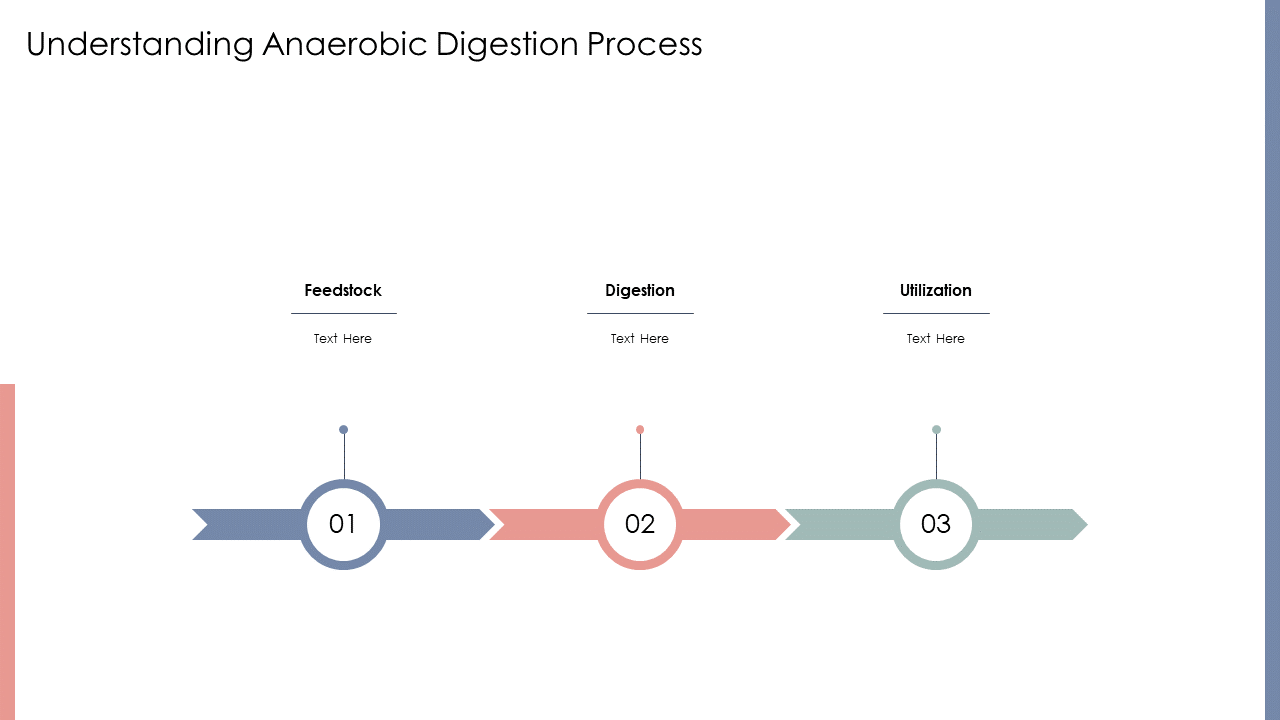
Template 1: Understanding Anaerobic Digestion Process PPT Template
This PowerPoint Slide presents a simple three-stage framework for learning anaerobic digestion. The timeline arrangement showcases the three main phases as feedstock, digestion, and utilization with text placeholder sections above each stage. Connecting arrows depict the gradual transformation of organic waste into sustainable energy via fermentation processes. This template is useful for biogas plant developers, environmental engineers, and renewable energy educators. It enables them to communicate biomass conversion principles to stakeholders and students.
Template 2: Components of Floating Drum Biogas Systems PowerPoint Template
This PowerPoint Slide highlights elements that make up floating drum biogas systems. It describes eight vital components, such as the digester, the floating drum, the feed inlet, the gas outlet, the temperature control, the mixing mechanism, etc. Each component is labeled for easy comprehension and is explained with its role in the process of anaerobic digestion, and it is accompanied by an image making the slide engaging. This template will be useful for green energy consultants, agricultural extension staff, and environmental educators. Download now!

Template 3: Understanding Biogas Production Process
How does biogas transform waste into valuable energy? This PowerPoint Template outlines the biogas manufacturing process in six steps . These are feedstock collection, pre-treatment, followed by anaerobic digestion, biogas collection, and application. The timeline design depicts how organic waste is converted to energy through the fermentation processes. The dark overlay makes for a perfect contrast for reading while keeping the educational context in the background. Employ this template to explain biomass conversion systems to stakeholders, students, or community members.

Template 4: Key Methods for Biogas Impurities Cleaning
This PPT Template outlines five methods in cleaning biogas impurities. It includes water scrubbing, activated carbon filtration, chemical absorption, etc. Each method is explained, primarily focusing on performance, effectiveness, and the difficulty of equipment. The layout and flow of the template makes it easier for beginners to grasp information. Biogas plant operators, environmental specialists, and educators can use this template to improve communication and training. Grab it today!

Template 5: Operational Principles of Biogas Scrubbing PPT Template
What are the key steps in the process of biogas scrubbing? This PPT Template addresses this question by highlighting principles of biogas scrubbing. It depicts the operational workflow in three steps. The gas inlet is where biogas enters the system. Furthermore, clean gas output releases purified methane for utilization. This template proves to be perfect for insightful presentations and educational purposes. Download today!

Template 6: Organic Waste Sources for Biogas PowerPoint Template
This PowerPoint Slide illustrates the five organic waste sources for biogas production. These include food waste, sewage sludge, plant biomass, manure, etc. Moreover, the slide presents complete descriptions related to sewage sludge and animal manure, whereas the other categories have placeholder information. This template is a helpful resource for discussing the feedstock possibilities and proves to be a beneficial resource for environmental consultants and sustainability instructors. Grab now!

Template 7: Biogas Cleaning and Methane Purification Overview PPT Template
Purifying biogas is crucial for realizing its potential as a sustainable energy source. This Slide explains three major advantages of biogas cleaning and methane purification. It includes benefits such as energy generation, waste management, and transportation fuel. Each section discusses how purified biogas helps to achieve sustainability goals, complemented with eye pleasing images to enhance the visual appeal of the slide. Use this template to communicate methane generation methods for optimization to stakeholders, investors, and municipal decision-makers. Download today!

Template 8: Types of Impurities in Biogas
To purify biogas efficiently, one must first identify its impurities. This PowerPoint Slide clearly outlines the six primary contaminants in biogas. It includes carbon dioxide, hydrogen sulfide, ammonia, water vapor, siloxanes, and trace metals. Each pollutant is explained by a brief description of its harmful effects on biogas systems and equipment. This template is effective for presenting the need for gas purification for proper biogas use. It proves to be an asset for biogas plant managers, ecologists, and renewable energy educators. They can use it to explain the importance of cleaning aids in carbon footprint reduction efforts.

Template 9: Phases of Biogas Impurities Cleaning Checklist with Phases PPT Template
This PPT Template provides an overview of the steps involved in biogas pollutants removal. The procedures include pre-treatment, desulfurization, CO₂ removal, siloxane removal and final drying and polishing. It presents details of the steps that must be taken at every stage to make sure that the biogas is properly purified and acceptable. This checklist is especially useful for different digester types, helping to streamline operations. The tabular presentation gives the slide a professional look and makes it more organized and engaging for viewers.

Template 10: Biogas Cleaning System Integration Challenges PPT Template
If you are wondering about the challenges of integrating biogas cleaning technologies into existing infrastructure, this PPT template is for you! This Slide presents obstacles that you might come across during the biogas cleaning system integration. These include alarming costs, difficulty in integration, and problems related to maintenance. Each obstacle is presented with bullet points and details regarding specific issues. This is followed by mitigation measures that offer solutions. This template will be very useful for biogas project managers as well as energy consultants.

Final Thoughts
These above-mentioned Biogas Production PPT Templates act as a guide, leading you through the process of anaerobic digestion and methane generation. With the help of these content-rich, completely templates you can Explain the benefits of fermentation process, and the value of slurry utilization. Moreover, you get a structured framework to present a well aligned presentation and transform your audience into enthusiastic supporters of biogas.
PS: Also explore our top biomass energy templates by following the link.
FAQs on Biogas Production
1. What are the key steps in biogas production?
The process of Biogas production includes a few steps. The procedure begins with the accumulation of organic materials like food waste or animal manure. These materials are then enclosed in a container known as a digester. Here, the microorganisms break down the organic matter in the absence of oxygen. Biogas is mainly methane, and is a flammable gas that can be used as fuel. Lastly, the biogas is collected and is further used for heating, generation of electricity, etc.
2. How does anaerobic digestion generate biogas?
Anaerobic digestion is a natural process where tiny organisms break down organic material, like food waste or animal manure, without oxygen. This happens inside a closed container. The microorganisms consume the organic matter, and as they do, they produce a gas called biogas. Biogas is made up of methane and carbon dioxide. The methane in biogas is valuable because it can be burned as fuel to create electricity or heat. The process is a way to recycle waste and create a renewable energy source.
3. What are the main applications of biogas?
Biogas has many uses including:
- It can be burned directly for cooking, heating, and lighting.
- Biogas can also be used to generate electricity through gas turbines or internal combustion engines.
- Another important application is as a vehicle fuel after being upgraded to biomethane which is a cleaner alternative to gasoline or diesel.
- Finally, biogas digestate serves as a fertilizer for agriculture.
4. How can biogas contribute to sustainability?
Biogas helps sustainability by turning waste into useful energy. Instead of letting organic waste perish and release harmful gases, biogas systems contain them and use them as fuel. This reduces pollution and our dependence on fossil fuels. This contributes to climate change. Biogas can also be used for heating, cooking, and generating electricity.