


Biofuel Template Powerpoint Ppt Template Bundles





Try Before you Buy Download Free Sample Product
 Impress Your
 Audience
 100%
100% Editable
 Save Hours
 of Time


Our Biofuel Powerpoint Ppt Template Bundles are topically designed to provide an attractive backdrop to any subject. Use them to look like a presentation pro.
People who downloaded this PowerPoint presentation also viewed the following :
Biofuel Template Powerpoint Ppt Template Bundles with all 17 slides:
Use our Biofuel Powerpoint Ppt Template Bundles to effectively help you save your valuable time. They are readymade to fit into any presentation structure.







FAQs for Biofuel Template Powerpoint
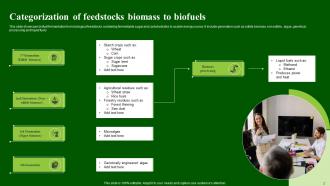
So the big biofuel players are corn, sugarcane, soybeans, algae, and agricultural waste. Corn ethanol is everywhere but it's honestly pretty awful - competes with food and guzzles water like crazy. Sugarcane's way better energy-wise. Soy has the same food competition problem though. Here's the thing - algae and waste stuff like corn stalks or old cooking oil are where it gets interesting. They don't touch food supplies at all. My cousin actually works in this space and swears by the waste-based fuels. If you're thinking investments, second and third-gen sources are the move.
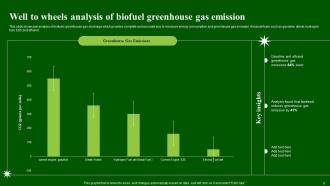
So biofuels can cut greenhouse gas emissions by 20-80% compared to regular gas - pretty decent range there. The cool thing is plants suck up CO2 while they're growing, which helps balance out what gets released when you burn them later. Corn ethanol though? Honestly not that impressive since growing and processing corn takes tons of energy. You'll get way better results with advanced stuff like algae or biofuels made from waste materials. When you're looking at options, don't just think about tailpipe emissions - the whole production cycle matters way more than most people realize.
So basically, biofuel companies are totally dependent on government support - like the Renewable Fuel Standard that forces gas stations to blend biofuels in. Tax credits and subsidies keep these companies alive since they can't really compete with cheap oil otherwise. California's got even stricter rules, which honestly makes sense for them. But here's the thing - when politics shift, the whole industry gets thrown around. Ethanol producers know this pain well. If you're looking at investing or working in this space, just remember the regulatory stuff directly affects whether these companies actually make money.
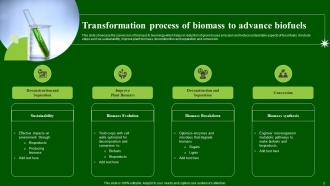
So here's the deal - biotech makes biofuels way more efficient by basically hacking the whole process. Companies are engineering bacteria and yeast that demolish plant matter faster than anything in nature. The enzymes they're creating can handle crazy high temps and different pH levels, which speeds everything up. Oh, and they're even tweaking the actual plants to have more sugar and less of that tough lignin stuff. Honestly, the enzyme improvements are where you'll see real money being made right now - that's probably your best bet for quick returns.
Look, it's kinda complicated honestly. New jobs pop up - people can grow energy crops, work at biofuel plants. That part's good for employment and bringing money in. But here's what sucks: farmers often have to ditch their regular food crops, which screws with food prices and existing markets. Land values go up too (sounds nice but then locals can't afford to buy land anymore). My cousin's town went through this whole thing last year. Bottom line - your community really needs to think through how to handle the shift before jumping in. Don't want people's livelihoods getting wrecked.
Yeah, it's a real problem - farmers have to pick between growing food or fuel crops on the same land. Corn for ethanol, soybeans for biodiesel, whatever. Food prices go up when there's less farmland for actual food. We're talking millions of acres here, which is honestly kind of crazy when you think about it. Some companies are getting better though - they'll use leftover agricultural waste instead, or plant energy crops on crappy land that wouldn't grow good food anyway. My advice? Always ask about their land strategy before backing any biofuel project.
Honestly, it's pretty complicated. Land use is huge - you'd need massive farmland that competes directly with food crops, and that's just asking for trouble. Who wants to pick between gas and groceries, right? Infrastructure costs are brutal too since processing facilities need tons of upfront cash. Different biofuels also require totally different production methods, so scaling gets messy fast. Energy returns still lag behind fossil fuels in most cases. My take? Focus on advanced stuff made from waste materials instead of food crops - way smarter approach.
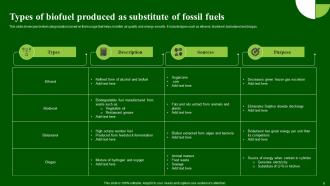
So ethanol's basically like brewing alcohol - you ferment corn, sugarcane, whatever has sugar or starch. Biodiesel's totally different though. You take vegetable oil or animal fat and chemically react it with methanol (called transesterification, but who cares about the name). Biogas is weird because bacteria just eat organic waste in tanks with no oxygen. Way less hands-on once you get it going. Honestly biogas seems like the laziest option if you don't mind the setup cost. But really, just figure out what raw materials you can actually get your hands on first. That'll basically decide for you.
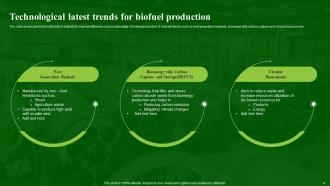
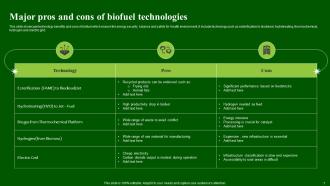
Dude, the waste-to-biofuel space is blowing up right now. Advanced pyrolysis can turn basically any organic waste into bio-oil - pretty wild stuff. There's also these new enzymes that demolish agricultural waste way faster than old methods. Gasification tech keeps getting better too, converting regular trash into synthetic fuel gas. Oh, and AI sorting systems are huge - they optimize what goes into processing before it even starts. Honestly think that's the most underrated part. You should check out companies doing full integrated platforms since they're tackling the entire supply chain headache instead of just one piece.
Okay so lifecycle analysis is a total game changer for biofuels. Instead of just checking tailpipe emissions, you're looking at the whole picture - growing crops, refining, shipping, all of it. Corn ethanol is actually a perfect example of why this matters. Sounds super eco-friendly until you realize how much energy goes into fertilizers and processing. Some "green" fuels end up having massive carbon footprints once you factor in land use changes. It's honestly pretty eye-opening. Don't let anyone sell you on a biofuel without showing lifecycle data first.
Yeah, health-wise it's actually pretty good news. Air quality improves a ton because you're cutting out most of the nasty particulate matter and toxic stuff from regular gas and diesel. That translates to way fewer breathing problems and heart issues in cities. Ethanol does kick out more acetaldehyde - not ideal, but honestly? The trade-off is still solid. The real game-changer is ditching those awful diesel fumes that trigger asthma and mess up people's lungs. If you're looking at this for your fleet, I'd definitely play up the cleaner air angle for your workers and whoever lives near your routes.
Honestly, climate is everything when it comes to biofuel crops. You've got corn doing great in places with decent rain and moderate temps, but sugarcane? That stuff needs serious heat and water - like tropical levels. Temperature swings or drought will absolutely wreck your yields. Algae's been getting hyped because it's way more flexible with different climates, which makes sense. The trick is picking crops that actually work with your weather patterns instead of fighting them. Oh, and definitely have a backup water plan because dry spells happen when you least expect them.
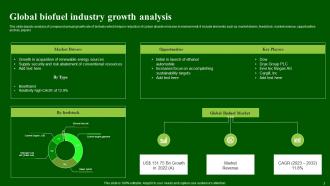
So biofuels could totally change the game for developing countries' energy situation. You're not stuck buying crazy expensive oil imports anymore - just make fuel from local crops or waste instead. Way smarter economically too since those energy dollars stay in your own economy rather than disappearing overseas. Brazil actually proved this works with their sugarcane ethanol program, which is pretty impressive honestly. Rural farming communities get a boost from it as well. Oh and you don't have to worry about oil price swings or supply issues messing with your energy supply.
So biofuels are pretty decent for hitting climate goals since they replace fossil fuels in cars and heating. They're made from plants that already sucked up CO2 while growing, which creates a way better carbon loop than just burning oil. Land use is still messy to figure out, honestly. But the newer ones made from waste materials? Those are looking solid. Your company could use them as a bridge while electric and hydrogen tech catches up - assuming you're not in a huge rush to go full zero-emission right away.
Algae fuels and cellulosic ethanol are where the real action is. Companies are finally making algae production cost-effective, which is awesome since it doesn't steal farmland from food crops. The cellulosic stuff is getting way better too - they're using corn husks and wood chips now instead of actual corn. I still think algae feels kinda futuristic, but the math is starting to work. Oh, and if you're thinking about investing? Skip the companies that only have lab results. You want ones with actual pilot programs running.
-
Extremely professional slides with attractive designs. I especially appreciate how easily they can be modified and come in different colors, shapes, and sizes!
-
SlideTeam never fails to surprise me with its amazing PPT designs. Thanks team for providing me with your constant support!