


Biomass Energy Powerpoint Ppt Template Bundles





Try Before you Buy Download Free Sample Product
 Impress Your
 Audience
 100%
100% Editable
 Save Hours
 of Time


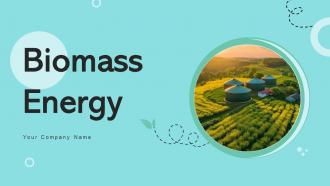
Embark on a sustainable energy journey with our PPT on Biomass Energy. Explore the transformative potential of biomass, from its origins as a renewable resource to its role in powering biomass plants and creating environmentally friendly energy solutions. This presentation provides a comprehensive guide to understanding the principles of biomass energy, covering topics such as biomass power plants and the utilization of biomass fuel. Whether youre an environmental enthusiast, energy professional, or policy maker, our Biomass Energy PPT equips you with the knowledge and insights needed to harness the power of biomass for a greener and more sustainable future. Stay at the forefront of renewable energy get your copy today
People who downloaded this PowerPoint presentation also viewed the following :
Content of this Powerpoint Presentation
Slide 1: This slide introduces Biomass Energy. State your company name and begin.
Slide 2: This slide shows Crucial methods for generating biomass energy.
Slide 3: This slide presents Industrial use cases of biomass energy.
Slide 4: This slide displays Potential ways to generate electricity from biomass energy.
Slide 5: This slide represents Biomass energy power generation: Market snapshot.
Slide 6: This slide showcases Key types of biomass energy sources.
Slide 7: This slide shows Benefits of using biomass energy sources.
Slide 8: This slide presents Essential facts regarding sustainable biomass energy.
Slide 9: This slide displays Categories of microbiological processes in biomass energy.
Slide 10: This slide represents Stages of biomass energy sector planning guide.
Slide 11: This slide showcases Solutions for overcoming biomass energy challenges.
Slide 12: This slide shows Biomass energy conversion flowchart for sustainable development.
Slide 13: This slide presents Budget plan for constructing biomass energy power plants.
Slide 14: This slide displays Key mechanisms used to create biomass energy.
Slide 15: This slide represents Diagram illustrating features of biomass energy technology.
Slide 16: This slide showcases Safety essentials for biomass energy power plants.
Slide 17: This slide shows Biomass energy industrial unit icon.
Slide 18: This slide presents Biomass energy icon for sustainable development.
Slide 19: This slide displays Biomass icon showcasing power and energy plant.
Slide 20: This is a Thank You slide with address, contact numbers and email address.
Biomass Energy Powerpoint Ppt Template Bundles with all 28 slides:
Use our Biomass Energy Powerpoint Ppt Template Bundles to effectively help you save your valuable time. They are readymade to fit into any presentation structure.










FAQs for Biomass Energy Powerpoint
So biomass is basically stuff like wood, corn, sugarcane, crop leftovers, animal waste, even algae. Plants suck up CO2 as they grow, then when you burn them for energy you're just releasing that same carbon back out - it's way faster than fossil fuels which sat underground for millions of years. Pretty clever system actually. The whole thing works on a short cycle instead of that ancient stored carbon situation. It's solid for when you need reliable power but don't want the crazy carbon footprint. Though honestly, the efficiency varies a lot depending on what you're using.
So biomass is way better than fossil fuels for carbon emissions, but it's not completely clean like some people assume. Here's the thing - when plants burn, they're just releasing CO2 they sucked up recently while growing. Coal and oil? That's carbon that's been buried for millions of years, so burning it dumps totally new CO2 into the air. Pretty big difference there. The tricky part is biomass only stays "carbon neutral" if you're actually replanting responsibly. I'd say look into where your specific biomass comes from and how they harvest it before making any big claims about saving the planet.
So there's a bunch of different ways to do this. You can just burn biomass straight up for heat or electricity - pretty straightforward. Gasification turns it into syngas, which is cool tech but more complex. Then there's pyrolysis where you basically bake it without oxygen to break it down. Oh, and anaerobic digestion makes biogas - that one's solid for organic waste. Don't forget fermentation too, like how they make ethanol from corn that ends up in your gas tank. Honestly though, it really comes down to what kind of biomass you've got to work with first, then you can figure out which method makes the most sense.
Hey! So biomass is pretty cool because you're turning trash into power - agricultural waste, wood chips, even algae that grows locally. Way better than importing oil from who-knows-where. Rural areas get jobs out of it too, which honestly makes a huge difference for those communities. The trick is using actual waste instead of chopping down forests just for fuel (that'd be dumb). I'd start by checking what organic waste your region already produces - that's your goldmine right there. Much cheaper than starting from scratch.
Biomass is tricky - huge upfront costs, like millions for anything decent. But you're basically making money from waste, which is kinda genius. Operating costs don't fluctuate like crazy since you're not dealing with oil prices. Long-term power contracts give you steady income too. Government incentives and renewable credits can really bump up your returns. Honestly though, you'll want to dig deep into what feedstock you can actually get in your area first. Oh, and definitely run those feasibility numbers - every region's different.
So biomass is way more complicated than solar or wind when it comes to emissions. With solar and wind, yeah there's manufacturing costs upfront, but then they just sit there generating clean power for like 20+ years. Biomass though? You've got all the farming, trucking it around, processing - that adds up. It can be carbon neutral if done right, but then you're using land that could grow food instead (which always bugs me). Really depends what type of biomass you're talking about too. I'd dig into studies for whatever specific type you're considering.
Dude, agricultural waste is seriously underrated for biomass energy. You've got all this stuff - corn stalks, wheat straw, rice husks, sugarcane bagasse - that farmers would normally just burn or let decompose anyway. It's actually genius because you're not competing for farmland like those dedicated energy crops do. Farmers get extra cash from what's basically trash, which is pretty sweet for them. The tricky part is logistics though - this stuff is seasonal and takes up a ton of space to haul around. But honestly, the supply is massive and it keeps coming back every harvest.
So biomass is kinda tricky - yeah, it's carbon-neutral because plants suck up CO2 while growing, which is cool. You're also turning agricultural waste and wood scraps into energy instead of just tossing them. But honestly? It still pumps out air pollutants when you burn it, so local air quality takes a hit. The bigger issue is where it comes from - some companies will literally chop down forests or use farmland that should be growing food. My take is stick with the waste-based stuff, not crops grown just for fuel. Way better for everyone that way.
So it's a total mess honestly - every country does biomass regulation differently. The EU has crazy strict rules where you actually have to prove your biomass cuts emissions vs fossil fuels (which is smart since some companies are shady about it). Meanwhile the US lets each state decide, so California's nothing like Texas. Developing countries? Way more relaxed standards. Oh and definitely check the renewable energy policies in whatever markets you're targeting first - that'll save you headaches later. The regulations change so much depending where you are.
Yeah, there's been some cool stuff happening with biomass lately. Advanced gasification and pyrolysis are getting way better at converting plant matter with less waste. Enzyme tech is pretty solid now too - breaks down the biomass more efficiently. Torrefaction (fancy preprocessing) is another thing that's helping. Honestly, the algae research sounds promising but feels like it's still got a ways to go. What's kinda wild is how they're using AI to optimize everything in real-time now. If you need specifics for your project, definitely hit up those DOE reports - they've got the best data on what's actually making it to commercial scale vs just lab experiments.
So you know how biomass energy is actually genius? Takes all your organic waste - food scraps, farm leftovers, even sewage (gross but effective) - and turns it into actual electricity or fuel. Way better than dumping everything in landfills where it just creates methane anyway. The process uses anaerobic digestion or straight-up combustion. You'll slash your waste volume while generating renewable energy. Pretty solid deal if you ask me. Check out local biomass facilities for partnerships, or maybe look into on-site digesters if you're producing tons of organic waste.
Biomass has some real headaches honestly. Supply chain stuff is a nightmare - you're fighting with food production for the same crops, and hauling all that bulky material around costs a fortune. The upfront investment is pretty steep too. Efficiency-wise? It's still behind solar and wind in a lot of cases, which is frustrating. Land use debates keep popping up everywhere. Oh, and you need consistent feedstock or you're screwed. My advice? Start local with whatever materials you can get nearby. Saves you from those crazy transport costs that'll kill your margins.
Yeah so biomass runs about $50-100 per MWh while wind and solar are more like $30-60. Solar keeps getting cheaper too which is wild. Here's the catch though - biomass actually works 24/7 no matter what the weather's doing. Wind and solar obviously can't promise that. It costs more than those two but it's still pretty competitive with geothermal and smaller hydro projects. Really depends on whether you need that constant power or if you're cool with the on-and-off nature of renewables. What kind of setup are you thinking about?
Look for waste streams first - ag residues, forestry leftovers, organic waste that's gonna rot anyway. Keeps you out of that whole food vs fuel mess, which honestly gets pretty heated. Keep your supply chain regional, like within 100 miles of your facility. Way better for transport emissions plus it helps local economies. FSC or SBP certification can back up your sustainability claims. Just avoid virgin forests and prime farmland - that's where you'll run into trouble. Stick with stuff that doesn't compete with food or mess with biodiversity hotspots. Start by mapping what waste sources you've got nearby.
Dude, these small biomass setups are actually pretty sweet for communities. Jobs get created locally - maintenance, fuel supply, operations stuff. Your energy costs drop while keeping money in town instead of sending it off to some massive utility company. Wood pellet systems, biogas digesters that eat up farm waste and spit out power - honestly the waste-to-energy angle is brilliant. Communities get way more energy independent too. Oh and you're basically solving waste problems at the same time, which is nice. If you're thinking about this for your area, I'd start by figuring out what biomass you've already got sitting around nearby.
-
Their products can save your time, effort and money. What else you need. All in one package for presentation needs!
-
Excellent work done on template design and graphics.