


Biodiesel Powerpoint Ppt Template Bundles




Try Before you Buy Download Free Sample Product
 Impress Your
 Audience
 100%
100% Editable
 Save Hours
 of Time


Introducing our comprehensive and innovative PowerPoint presentation PPT on Biodiesel Biodegradable Fuel for a Sustainable Future. This meticulously crafted PPT covers all aspects of biodiesel, from production to consumption and its vast applications. Delve into the world of green energy as we showcase the intricate Biodiesel Production process, highlighting eco friendly feedstock options and cutting edge technologies. Witness the immense potential for Biodiesel Consumption across various industries, mitigating carbon footprints and reducing dependence on fossil fuels. Moreover, experience a unique Biodiesel Production Simulation, offering a practical understanding of the complex manufacturing process. Unearth the diverse Biodiesel Application possibilities, spanning transportation, agriculture, and more, fostering a cleaner and greener planet. Empower yourself with knowledge and contribute to a sustainable future with this exceptional Biodiesel PPT.
People who downloaded this PowerPoint presentation also viewed the following :
Biodiesel Powerpoint Ppt Template Bundles with all 23 slides:
Use our Biodiesel Powerpoint Ppt Template Bundles to effectively help you save your valuable time. They are readymade to fit into any presentation structure.










FAQs for Biodiesel Powerpoint
So basically you've got vegetable oils - soybean, canola, palm oil - plus animal fats and used cooking oil. But here's where it gets tricky. Palm oil's pretty bad for deforestation, and soybean competes with food crops for land (which is kinda messed up if you ask me). Waste oils and algae are way better options since they don't mess with food systems. Actually help with waste too. Oh, and always grill suppliers about where they source their stuff - some are sketchy about it.
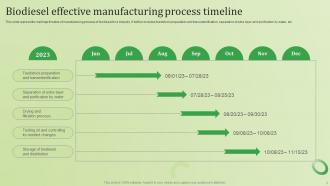
So transesterification swaps glycerol for methanol in your oil triglycerides - that's how you get biodiesel. Mix your oil with methanol and sodium hydroxide catalyst, heat to 60°C for an hour or so. The glycerol just separates naturally, which honestly never gets old to watch. Your methanol-to-oil ratio matters tons - shoot for 6:1. After the reaction, you'll need to wash out leftover methanol and catalyst, then dry everything. Temperature control is pretty crucial too. Oh and definitely start with small batches first - I learned that one the hard way when scaling up too fast.
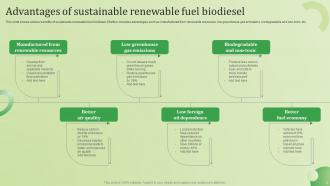
So biodiesel cuts greenhouse emissions by like 50-80% compared to regular diesel, which is honestly pretty crazy when you think about it. The plants already sucked up CO2 while growing, so you're not adding much new carbon to the atmosphere. Air quality gets better too since there's less particulate junk coming out of the exhaust. Oh, and if there's ever a spill? It actually breaks down naturally instead of poisoning the ground for years. Even mixing just 20% biodiesel with regular diesel makes a real difference for your fleet - you don't have to go full biodiesel right away.
So here's the deal with biodiesel - it's basically a closed loop thing. Plants soak up CO2 while they're growing, then release roughly the same amount when you burn the fuel. Regular diesel just dumps ancient carbon that's been sitting underground forever into our air (which obviously sucks). Used cooking oil makes way better biodiesel than fresh soybean oil, environmentally speaking. It burns cleaner too - less particulates and gross stuff coming out your tailpipe. Though honestly, the whole "how much cleaner" thing really depends on where they sourced the oil from. Worth checking that if you're thinking about switching.
Honestly, biodiesel's pretty much dead in the water without government help - it just can't beat regular diesel on price. Most states have these blending mandates forcing a certain percentage into fuel supplies, plus tax credits that actually make production profitable. The federal tax credit's been huge when it exists, though they keep letting it expire and bringing it back (so annoying). Some places throw in grants for infrastructure too. Oh, and definitely check what's available locally before you dive in - my cousin didn't research first and got burned. Those incentives literally make or break whether your project pencils out.
Honestly, enzyme catalysts are your best bet - they run cooler and make way less waste than the old-school chemical ones. Continuous flow reactors will speed things up too. Better preprocessing gets more oil out of whatever feedstock you're using, which is huge for efficiency. There's this microwave-assisted thing that sounds totally futuristic but apparently works really well. I'd focus on upgrading your catalyst setup first though, that's where you'll see the biggest difference. The reaction conditions matter a ton too, so don't sleep on optimizing those. Start looking into enzyme options for your specific system.
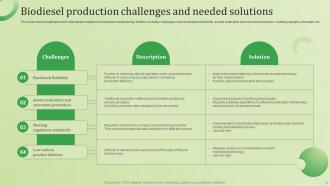
Honestly, the main headache is production costs - biodiesel's just more expensive than regular diesel, especially when oil prices tank. Feedstock like soybean oil is crazy volatile too. Bad harvest? Your profits are toast. The petroleum guys have had forever to nail down their supply chains, plus they get tons of subsidies. Government incentives can help but who knows if they'll stick around after the next election cycle. I'd probably target fleets that actually care about being green and have sustainability requirements - they might pay extra instead of just going for the cheapest option.
Yeah, waste cooking oil is where it's at for biodiesel. You're literally taking something that would otherwise clog up water systems and turning it into fuel that cuts emissions by like 85%. Pretty clever, right? The only downside is there's not endless amounts of used fryer oil sitting around - McDonald's can only help so much, you know? But honestly, if you're looking at biodiesel options, go with the waste oil approach over growing crops just for fuel. Way better for the environment.
So biodiesel gets made by chemically breaking down fats and oils - it's called transesterification or something like that. Renewable diesel is totally different though. They use hydroprocessing to make it identical to regular petroleum diesel. Here's the thing - biodiesel can be a pain. Sure, it lubricates better, but it turns into jelly when it's cold and doesn't play nice with some engine parts. Renewable diesel? You can literally just swap it in since it's the same as fossil fuel diesel. Works better in winter too. Honestly, if you're running a fleet, go with renewable diesel. Way less headaches.
Yeah, so here's the thing - when biodiesel production ramps up, it totally messes with food prices. Soybeans, corn, palm oil... all that stuff gets pulled into fuel instead of feeding people. More demand = higher prices, obviously. Farmers aren't stupid either - if energy crops pay better, they'll switch from growing food. It's brutal in developing countries where groceries already eat up most people's paychecks. Honestly, the whole food vs fuel thing is kinda screwed up when you think about it. Watch biodiesel policies if you're tracking ag markets - they move prices big time.
Hey! So biodiesel is way cleaner than regular diesel - you're breathing in way less nasty stuff while driving. Those tiny particles that get stuck in your lungs? Biodiesel cuts them down massively. Also produces less carbon monoxide and sulfur dioxide, which is clutch if you have asthma or breathing problems. Honestly, it's a pretty solid upgrade for your respiratory system. Just double-check your car can handle the higher biodiesel blends before you make the switch - some older engines get finicky about it.
Dude, algae is honestly pretty wild for biodiesel. You can get like 10-30x more oil per acre than soybeans - which is insane when you think about it. Best part? You don't need good farmland so it's not stealing space from food crops. It grows super fast and can handle wastewater or even saltwater. But here's the thing - the economics still suck. Production costs are brutal right now. My buddy works in this space and says focus on companies tackling the cost problem, not just the fancy science stuff. The biology part is mostly figured out already.
Yeah, biodiesel's actually pretty solid for emissions. B20 (that's 20% biodiesel mix) cuts down particulates, carbon monoxide, and hydrocarbons without messing with your engine much. You probably won't even notice it driving around town. B100 is cleaner but can be a pain in winter - learned that one the hard way last year. NOx emissions go up a tiny bit, which is weird, but overall it's still way better for the environment. I'd definitely try B20 first and see how your car handles it.
So you'll definitely need ASTM D6751 testing for B100 - covers acid levels, moisture, flash point, all that stuff. Testing's pricey for small batches but there's no way around it if you want to sell commercially. Once your lab results look good, register with EPA plus whatever your state requires (some want extra permits for blending). Honestly the regulations are a total maze. Find a lab that does biofuel testing specifically - they know the ropes and can save you from screwing up expensive compliance stuff later.
Yeah, biodiesel is usually way better than regular diesel - we're talking like 50-80% fewer emissions over the whole lifecycle. The cool thing is biodiesel releases carbon that plants just absorbed recently, while petroleum diesel is basically unleashing ancient carbon that's been trapped forever. But here's where it gets tricky - if they're clearing forests to plant soybeans for biodiesel, those benefits can get pretty sketchy real quick. Honestly, the feedstock matters huge. Waste oil biodiesel? Amazing. Virgin crops? Meh, not as impressive. So it depends on what they're actually using to make it.
-
SlideTeam is my one-stop destination for templates. Highly recommended!
-
Making a presentation has never been this easy for me. Thank you SlideTeam for offering a splendid template library.