

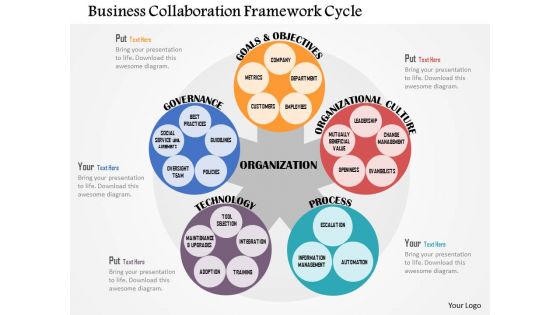
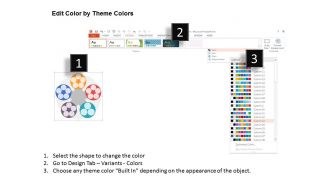
Business collaboration framework cycle flat powerpoint design





Try Before you Buy Download Free Sample Product
 Impress Your
 Audience
 100%
100% Editable
 Save Hours
 of Time


Ensure your current actions are correct with our Business Collaboration Framework Cycle Flat Powerpoint Design. They certify excellent growth in future.
People who downloaded this PowerPoint presentation also viewed the following :
Business collaboration framework cycle flat powerpoint design with all 5 slides:
Get your campaign afoot with our Business Collaboration Framework Cycle Flat Powerpoint Design. Commence your endeavor with enthusiasm.

FAQs for Business collaboration framework cycle
Honestly, start with who's doing what - map that out first or you'll have chaos. Communication rhythm is everything, so figure out how often you're checking in. Make sure everyone actually gets the shared goals (not just nods along in meetings). Your decision-making can't drag on forever either. Trust me, pick collaboration tools people will genuinely use, not some fancy platform that'll collect digital dust. Psychological safety matters tons - if people feel judged, they won't share real ideas. Oh, and you need some way to track if this stuff's actually working. The communication piece really is where I'd focus first though.
Start with a collaboration audit - map out how teams actually communicate right now. Survey people about pain points and check if work's getting duplicated or info missed. The biggest problems are usually right there in front of you! Also look at your tools situation - bet you're using way too many platforms when a few would work fine. Then find teams in your org that collaborate well and see what they're doing differently. Honestly though, the real trick is getting honest feedback from people actually doing the work, not what managers think is happening.
Honestly, good tech tools make all the difference between teams actually working together vs complete chaos. Slack or Teams keeps everyone in the loop instead of digging through endless email threads. Cloud stuff means you're all looking at the same docs - no more "wait, is this the latest version?" disasters. Video calls obviously help when people aren't in the same place. The trick is finding tools that actually play nice together. Nothing's worse than juggling like five different platforms that don't sync up. Oh, and Asana's pretty solid for project tracking if you haven't tried it yet.
Oh man, cultural stuff is huge for collaboration - way bigger than just time zones. Some people are super direct with feedback, others drop hints you have to decode. Decision-making's wild too - I've seen teams where everyone needs approval from the top, others where it's all about getting consensus first. Meeting styles vary like crazy. Even deadlines get interpreted differently depending where people are from! Honestly the conflict resolution thing trips up so many teams. You gotta build flexibility into whatever system you're using and spell out expectations clearly upfront instead of assuming everyone thinks the same way.
Start with psychological safety - that's where real trust happens. I'd share some of your own screwups first, honestly. Shows you're human too. Make it clear that we're attacking ideas, not people. Someone will definitely test this boundary, so be ready to jump in. Do regular check-ins where people can actually speak up without getting roasted for it. Mix up who runs these - can't always be the boss talking down. Here's the big one though: celebrate when someone admits they don't know something. Most places punish that, but you want the opposite.
Track the obvious stuff first - completion times, cost savings, revenue from joint projects. Are you hitting deadlines? But honestly, that's just half of it. The relationship quality matters way more than people think. How's communication flowing? Teams getting along day-to-day? I'd set up regular check-ins with partners to hash out what's broken and what's actually working. Sometimes a partnership looks great on paper but feels terrible to work in, you know? Both sides matter - the business results AND whether people don't want to strangle each other.
Oh man, the usual suspects honestly. Unclear roles mess everything up first. Then you've got leadership who says they're all-in but doesn't actually show up. Teams always try doing everything at once too - like, slow down! What really kills it though is ignoring the people side. Everyone obsesses over which tools to buy but forgets you're asking humans to work completely differently. That's hard stuff. Communication falls apart super quick if you're not careful. My advice? Pick one small thing, make sure your boss is visibly doing it, and don't expand until that piece actually works.
Honestly, the biggest thing is just walking the walk. Like actually asking different teams for input instead of just saying you want it. People need to feel safe throwing out ideas without getting shot down - I've watched so many managers claim they want collaboration then disappear into conference rooms to make all the real decisions. Cross-functional projects help break down those annoying departmental walls. Oh, and reward team wins, not just the solo rockstars. Next time you're about to decide something big, pause and think "wait, who else should probably be here?" That question alone will change how you operate.
Honestly depends what you're trying to do together. For daily chats, Slack or Teams are solid. Miro's great for brainstorming visually - though Figma works too if you're already using it. Project stuff? Asana or Monday will keep you sane. Here's the thing though - I've watched teams waste weeks hunting for the "perfect" setup when basic tools work fine. Don't go crazy with options. Pick maybe 3-4 platforms max, otherwise you'll spend half your time just remembering where you put things. Start with whatever you've got access to already, then only add new tools when something's actually broken and driving everyone nuts.
Honestly, if you're running a small business, keep it stupid simple. Your team doesn't have time to learn some crazy complex system - stick with basic communication tools and straightforward processes. Big companies? They can afford the fancy stuff with all the security bells and whistles because they've got dedicated IT people (must be nice, right?). The real trick is starting small and adding complexity only when you actually need it. Don't build some elaborate framework just because it looks impressive. Focus on what actually helps your specific situation instead of over-complicating everything from day one.
Yeah, remote work totally flips collaboration on its head. Those random hallway bumps where the magic happens? Gone. Now everything has to be super deliberate - daily standups, brainstorming calls, even those awkward virtual coffee chats (they're actually not terrible once you get used to them). Honestly, you'll be over-communicating like crazy at first, but that's normal. Async stuff becomes your best friend - shared docs, project boards, quick video updates instead of long emails. I'd start by figuring out which of your current processes completely depended on being in the same room, then tackle fixing those first.
Honestly, you've gotta stop rewarding individual stars while expecting teamwork - it's like mixed signals on steroids. Set up KPIs that actually require people to work together, like customer satisfaction scores that need multiple departments coordinating. Track stuff like how often people share knowledge and contribute to group goals. I mean, why measure solo wins when collaboration is what you actually want? Create metrics where someone literally can't hit their numbers without helping their teammates succeed too. Makes the whole "team player" thing way less theoretical.
Start with regular check-ins between teams - sounds boring but it actually works. Get everyone using the same project dashboard (good luck with that part lol). Map out who depends on what first, then build your meeting schedule around those connections. Quick weekly updates help people flag problems before they become disasters. The real trick? Make sure people feel safe enough to say "hey, this isn't working" or "I need help." Different departments won't collaborate if they're scared to speak up. Also define who makes what decisions upfront - saves so much headache later when things get messy.
So these frameworks are basically like giving your team a playbook for bouncing ideas around without everything turning into complete chaos. They knock down those stupid department walls - you know how marketing never talks to dev? Yeah, that. People get clear ways to actually contribute through brainstorming sessions or those cross-team workshops. The psychological safety thing is huge too. Nobody wants to throw out a crazy idea just to get immediately shut down (been there, it sucks). Pick something that fits how your team actually works though. Don't just talk about it in meetings forever.
First thing - only invite people who can actually make decisions. Nobody wants someone saying "let me run this by my manager" after every discussion. Get everyone in the same room defining goals and pain points together. Skip the PowerPoint death march, seriously. Make it interactive instead of just talking at people. Document everything as you go and assign owners to action items right then and there. Focus on what daily collaboration looks like, not some vague mission statement nonsense. Then shoot out those action items within 24 hours while people still remember what they committed to.
-
Informative design.
-
Professional and unique presentations.