

Catering And Food Service Management Business Plan Powerpoint Presentation Slides




Try Before you Buy Download Free Sample Product
 Impress Your
 Audience
 100%
100% Editable
 Save Hours
 of Time


Explore our meticulously designed Catering and Food Service Management Business Plan PPT, offering comprehensive insights into the dynamic Catering Management industry. This Catering management template encapsulates vital elements, including industry statistics, growth drivers, market trends, challenges, and lucrative opportunities within the US catering market. Also, the Food Catering Business PowerPoint emphasizes the appeal of starting a Catering Business, enabling individuals to enjoy the benefits of entrepreneurship, such as autonomy and flexible work schedules. Additionally, the Catering business start up presentation outlines the companys vision, mission, goals, start up expenses, and the array of key services offered, all contributing to the success of this Food Catering Business. Furthermore, the Wedding catering template addresses the competitive landscape with competitor analysis, SWOT analysis, Porters framework, and an in depth marketing strategy, offering strategic guidance for market penetration and expansion. In the financial summary section of the Social Event Catering PowerPoint presentation, youll find a transparent revenue model, economic impact assessment, profit and loss statement, and a break even analysis essential for sound financial planning and sustainable growth. Download this editable presentation to formulate a winning business strategy for your catering venture, whether its focused on Wedding Catering, Social Event Catering, or any aspect of the catering business that aligns with your goals and aspirations in the Catering Management industry.
People who downloaded this PowerPoint presentation also viewed the following :
Content of this Powerpoint Presentation
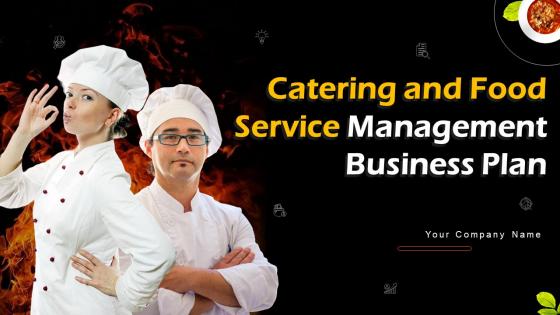
Slide 1: This slide introduces Catering and Food Service Management Business Plan.
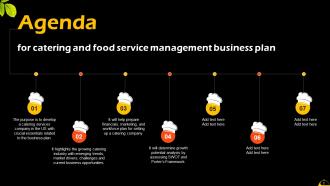
Slide 2: This slide states Agenda of the presentation.
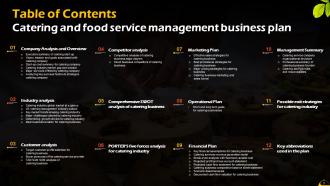
Slide 3: This slide shows Table of Content for the presentation.
Slide 4: This slide highlights title for topics that are to be covered next in the template.
Slide 5: This slide presents Executive summary of catering start-up.
Slide 6: This slide displays Vision, mission and goals associated with catering company.
Slide 7: This slide represents Start-up cost summary for catering company.
Slide 8: This slide showcases Catering industry market gap and solution.
Slide 9: This slide shows Major services offered by catering company.
Slide 10: This slide presents Analyzing key success factors to strategize catering company.
Slide 11: This slide highlights title for topics that are to be covered next in the template.
Slide 12: This slide displays Catering industry global market at a glance.
Slide 13: This slide represents US catering management industry outlook.
Slide 14: This slide showcases Key market trends shaping catering industry.
Slide 15: This slide shows Major challenges catered by catering industry.
Slide 16: This slide presents Determining growth drivers for catering industry.
Slide 17: This slide displays Ideal business location for catering business.
Slide 18: This slide highlights title for topics that are to be covered next in the template.
Slide 19: This slide represents Target customer profile selection for catering business.
Slide 20: This slide showcases Buyer personas of the catering service provider.
Slide 21: This slide shows TAM SAM SOM analysis of catering business.
Slide 22: This slide highlights title for topics that are to be covered next in the template.
Slide 23: This slide presents Competitive analysis of catering business major players.
Slide 24: This slide displays Direct business competitors of catering business.
Slide 25: This slide highlights title for topics that are to be covered next in the template.
Slide 26: This slide represents Comprehensive SWOT analysis of catering business.
Slide 27: This slide highlights title for topics that are to be covered next in the template.
Slide 28: This slide showcases PORTER’S five forces analysis for catering industry.
Slide 29: This slide highlights title for topics that are to be covered next in the template.
Slide 30: This slide shows Effective for catering business.
Slide 31: This slide presents Best promotional strategies for catering business.
Slide 32: This slide displays Major pricing strategies for catering business.
Slide 33: This slide represents Catering business marketing and sales funnel.
Slide 34: This slide highlights title for topics that are to be covered next in the template.
Slide 35: This slide showcases Short and long term goals for catering businesses.
Slide 36: This slide highlights title for topics that are to be covered next in the template.
Slide 37: This slide shows Key financial assumptions for catering business.
Slide 38: This slide presents Catering services revenue generation model.
Slide 39: This slide displays Break-even analysis with fixed and variable cost.
Slide 40: This slide represents Projected profit and loss account statement.
Slide 41: This is another slide continuing Projected profit and loss account statement.
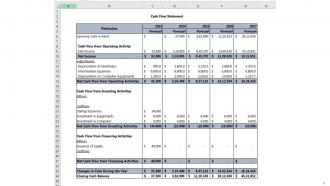
Slide 42: This slide showcases Projected cash flow statement for catering business.
Slide 43: This is another slide continuing Projected cash flow statement for catering business.
Slide 44: This slide shows Catering business comparative balance sheet statement.
Slide 45: This slide presents Catering business comparative balance sheet statement.
Slide 46: This slide displays Scenario-based analysis with realistic, optimistic, and pessimistic cases.
Slide 47: This is another slide continuing Scenario analysis with realistic, optimistic, and pessimistic cases.
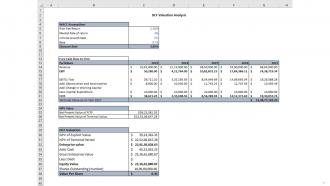
Slide 48: This slide represents Discounted cash flow valuation for catering business.
Slide 49: This slide highlights title for topics that are to be covered next in the template.
Slide 50: This slide showcases Catering service company organizational structure.
Slide 51: This slide shows Professional summary of catering business founder.
Slide 52: This slide presents Catering staff job roles and responsibilities.
Slide 53: This is another slide continuing Catering staff job roles and responsibilities.
Slide 54: This slide highlights title for topics that are to be covered next in the template.
Slide 55: This slide displays Possible exit strategies for catering industry.
Slide 56: This slide highlights title for topics that are to be covered next in the template.
Slide 57: This slide represents Key abbreviations used in the plan.
Slide 58: This slide contains all the icons used in this presentation.
Slide 59: This slide is titled as Additional Slides for moving forward.
Slide 60: This is About Us slide to show company specifications etc.
Slide 61: This slide provides Clustered Column chart with two products comparison.
Slide 62: This is a Comparison slide to state comparison between commodities, entities etc.
Slide 63: This slide depicts Venn diagram with text boxes.
Slide 64: This is Our Mission slide with related imagery and text.
Slide 65: This slide presents Roadmap with additional textboxes.
Slide 66: This is a Financial slide. Show your finance related stuff here.
Slide 67: This is an Idea Generation slide to state a new idea or highlight information, specifications etc.
Slide 68: This slide contains Puzzle with related icons and text.
Slide 69: This is a Timeline slide. Show data related to time intervals here.
Slide 70: This is a Thank You slide with address, contact numbers and email address.
Catering And Food Service Management Business Plan Powerpoint Presentation Slides with all 78 slides:
Use our Catering And Food Service Management Business Plan Powerpoint Presentation Slides to effectively help you save your valuable time. They are readymade to fit into any presentation structure.








































































FAQs for Catering And Food Service Management Business Plan
Okay so first thing - figure out your niche because honestly everything else is just guesswork without that. Then you need market research (competitors, customers, all that), a menu with pricing that won't tank you, and logistics like where you'll prep food and what equipment you need. Financial projections are huge - map out three years minimum. Marketing strategy too, obviously. The permits and insurance stuff is super boring but do it early! I learned this the hard way. Oh and be realistic about startup costs because they're always more than you think.
So market analysis is basically figuring out where your catering biz actually fits locally. Research event venues, wedding planners, corporate offices first - trust me, they'll show you demand patterns and what's seasonal. You'll discover your target customers, what they'll actually pay, and gaps competitors miss. Honestly sounds super boring but it prevents you from making costly mistakes later. The info helps you price realistically and pick the right marketing channels. Oh, and decide which events to focus on too. My cousin skipped this step and ended up way overpriced for her area.
Okay so revenue projections first - figure out your expected bookings and what people typically spend. Then break down all your costs because there's honestly a ton: food, labor, equipment, insurance, all that stuff. Seasonal stuff matters too since catering gets weird around holidays and summer. You'll need cash flow projections because you might drop serious money before clients even pay you. Profit and loss for three years minimum, plus when you'll actually break even. Oh and be conservative with your numbers - way better to surprise people than disappoint them later.
Your menu is literally everything - without it, you can't plan jack. It sets your pricing, defines who you're targeting, and determines all your costs and logistics. Plus it affects staffing, equipment, the whole deal. Different menus attract different clients too, so corporate gigs versus weddings are totally different beasts. Honestly, I'd start by checking out what's missing in your local market first. You need to find those gaps where your style could actually stand out. Everything else - marketing, operations, even what van you buy - flows from that menu decision.
Start with networking - hit up wedding venues, corporate offices, local events. Word-of-mouth is seriously everything in this business. Instagram's your best friend for showing off food pics (honestly, presentation matters more than people think). Get tight with event planners and venues for referrals. Those tasting sessions? Gold. Always carry business cards - even on deliveries. Oh, and you need a basic website with menu and photos. Don't go crazy trying every strategy at once though. Pick 2-3 things you can actually stick with consistently.
Honestly, it's all over the place depending on what you're doing. Food trucks are crazy expensive - like $50K-200K just for the vehicle. Home-based is way cheaper, maybe $10K-30K since you've already got a kitchen. Corporate catering falls somewhere in the middle around $25K-75K. Wedding stuff costs more because you need all those fancy serving pieces and linens (ugh, so much stuff to store). If you already have a restaurant, adding catering is pretty cheap. But here's the thing that'll kill your budget - commercial kitchen space. Either renting or building one out gets pricey fast. Figure out who you want to serve first, then you can work backwards on what you actually need equipment-wise.
Look, figuring out your target audience is huge - it'll shape literally everything else. Are you going after corporate gigs, weddings, casual stuff? Each one needs totally different pricing and equipment. Wedding caterers need way different gear than someone just doing office lunches. Honestly, pharma conferences are where the real money is if you can break into that world. Pick like 1-2 groups max and focus on nailing those instead of trying to please everyone. Otherwise you're just guessing at what people want and probably missing the mark.
Definitely start by scoping out your local competition - like 5-10 other caterers in the area. Yeah, it's boring research but you'll thank yourself later. Check out their menus, what they're charging, and read through customer reviews to see what people actually think. I always look for the gaps nobody's filling - maybe everyone's stuck doing the same corporate sandwich platters but no one's touching authentic ethnic food or serious dietary restrictions. Your business plan needs to spell out exactly why someone would pick you over the caterer who's been around forever. What makes you different? That's honestly the make-or-break question.
Okay so first figure out your core team - head chef, line cooks, servers, bartenders. Obviously you'll need prep cooks and dishwashers too. Event coordinators are clutch if you're doing bigger stuff. Don't sleep on having enough breakdown crew though, that's where everyone screws up honestly. I'd start with your smallest events and calculate minimum staff from there. Full-time vs part-time depends on your volume, but plan for seasonal rushes. Always have backup for no-shows because it will happen. Labor should run you about 25-35% of revenue. Oh and if you're doing delivery, factor in drivers too.
Dude, get some catering management software first - it'll handle your bookings, menus, inventory, all that stuff in one spot. Mobile POS systems are a game changer too. Your clients will actually thank you when checkout doesn't take forever. Oh and those kitchen display screens? Way better than paper tickets that somehow vanish when you're slammed. Honestly, I'd pick like two tools that fix your worst headaches first. Don't go crazy buying everything at once - you can always add more later once you see what actually works for your setup.
What makes you different from every other caterer? Pick 2-3 things you're genuinely great at - maybe it's specialty diets like keto or vegan stuff, or you do killer interactive cooking stations. Are you the only one doing real regional BBQ in town? Perfect. Corporate lunch deliveries with insane turnaround times? That works too. Hell, just being reliable when everyone else is flaky can be your thing - I've seen caterers build whole businesses on "we actually show up." The trick is choosing stuff people actually want and will pay extra for. Don't overthink it.
Dude, the legal stuff is honestly such a pain but you can't ignore it. Call your health department first - they'll tell you exactly what permits you need for commercial kitchens and food handling. Different cities have totally different rules which is super frustrating if you want to expand later. Don't forget liability insurance and workers comp once you hire people. Oh and liquor licenses if you're doing that kind of event. All this red tape costs money upfront, so factor it into your budget from day one or you'll be scrambling later.
Food costs should be around 25-35% max - that's your starting point. Then pile on labor, overhead, equipment rentals, plus whatever profit margin you want. Don't lowball yourself even if the markup feels crazy at first! Check what other caterers nearby are charging so you're not totally off base. I'd do tiered packages too - basic, mid-range, fancy - gives people options. Always pad your estimates because stuff goes wrong. My cousin learned that the hard way when her van broke down day-of. Test your pricing on a few fake events before you actually start booking clients.
Customer feedback is like your business GPS - shows you exactly where to pivot. Collect it through surveys, reviews, casual conversations with clients. You might think corporate lunch boxes are your money maker, but then discover everyone's actually obsessed with your appetizer platters instead. Honestly, this happens more than you'd think! Use that info to tweak your services, pricing, and marketing focus. I'd set up quarterly reviews to spot feedback patterns and update your plan. Keeps you profitable and relevant. Short surveys work better than long ones, by the way.
Honestly, going green isn't just trendy anymore - it's survival. Corporate clients straight up won't hire you without solid eco practices. I'd start tracking your waste first (you'll be shocked how much you're tossing). Local sourcing saves money and looks great in proposals. Biodegradable packaging is a game-changer too. My buddy lost a $50k contract last year because the client wanted composting programs and he had nothing. Focus on three things: where your food comes from, cutting waste, and maybe energy stuff if you have time. Even small changes become huge selling points when you're pitching.
-
This design is not only aesthetically pleasing but it has many uses making the cost worthwhile. The graphics look stunning, and you can edit them as per your needs.
-
The quality of PowerPoint templates I found here is unique and unbeatable. Keep up the good work and continue providing us with the best slides!