


Comparison Between 4G And 5G Powerpoint Presentation Slides





Try Before you Buy Download Free Sample Product
 Impress Your
 Audience
 100%
100% Editable
 Save Hours
 of Time


This PowerPoint presentation gives a brief idea about the Comparison between 4G and 5G technology, including the evolution of 5G and the difference between 1G, 2G, 3G, 4G, and 5G. In this Comparison between 4G and 5G PowerPoint Presentation, we have covered the difference between 4G and 5G based on features and technology, including latency, download speed, base station, OFDM coding, and cell density. In addition, this PPT contains the features of 5G over 4G that comprises more speed and capacity, connects more users and devices, acts as different networks, traffic system transformation, gaming, and relationship with the agriculture industry. Also, the 5G Impact on the Environment over 4G PPT presentation includes the technologies used in the 5G communication system, the difference between OFDM and CDMA technical specifications, positive and negative impact of 5G on the Environment, such as more energy consumption and emissions, radiations, life cycle impact, and E waste. Furthermore, this template caters to a timeline, a roadmap to implement 5G technology, and a performance tracking dashboard for 5G. Download our 100 percent editable and customizable template, which is also compatible with Google Slides.
People who downloaded this PowerPoint presentation also viewed the following :
Content of this Powerpoint Presentation
Slide 1: This slide introduces Comparison Between 4G and 5G. State Your Company Name and begin.
Slide 2: This slide states Agenda of the presentation.
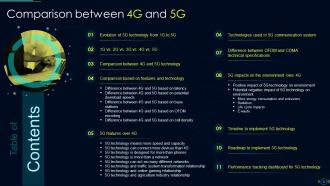
Slide 3: This slide presents Table of Content for the presentation.
Slide 4: This slide highlights title for topics that are to be covered next in the template.
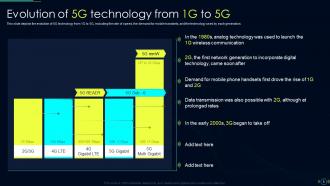
Slide 5: This slide displays Evolution of 5G technology from 1G to 5G.
Slide 6: This slide highlights title for topics that are to be covered next in the template.
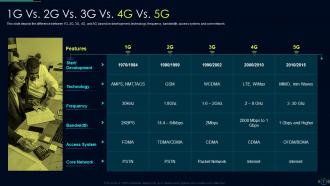
Slide 7: This slide represents difference between 1G, 2G, 3G, 4G, and 5G.
Slide 8: This slide highlights title for topics that are to be covered next in the template.
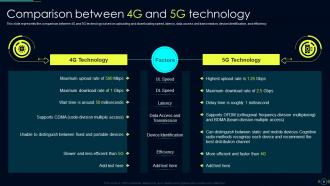
Slide 9: This slide showcases Comparison between 4G and 5G technology.
Slide 10: This slide highlights title for topics that are to be covered next in the template.
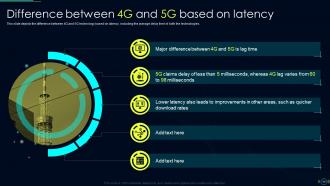
Slide 11: This slide shows Difference between 4G and 5G based on latency.
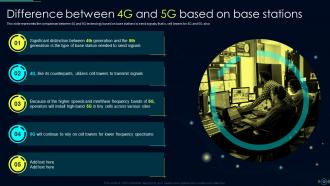
Slide 12: This slide presents Difference between 4G and 5G based on base stations.
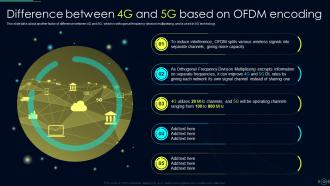
Slide 13: This slide displays Difference between 4G and 5G based on OFDM encoding.
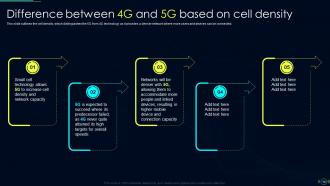
Slide 14: This slide represents Difference between 4G and 5G based on cell density.
Slide 15: This slide highlights title for topics that are to be covered next in the template.
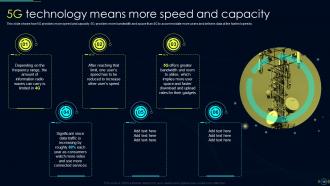
Slide 16: This slide showcases 5G technology means more speed and capacity.
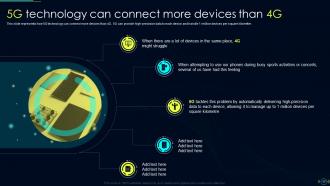
Slide 17: This slide shows 5G technology can connect more devices than 4G.
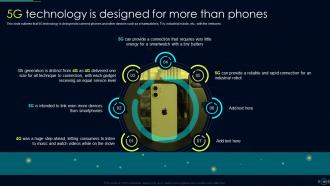
Slide 18: This slide outlines that 5G technology is designed to connect phones and other devices.
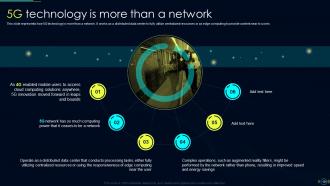
Slide 19: This slide represents how 5G technology is more than a network.
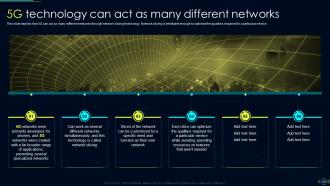
Slide 20: This slide depicts how 5G can act as many different networks.
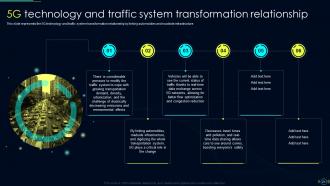
Slide 21: This slide showcases 5G technology and traffic system transformation relationship.
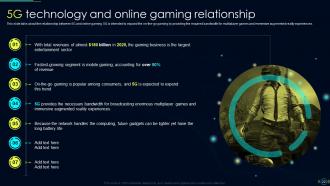
Slide 22: This slide shows 5G technology and online gaming relationship.
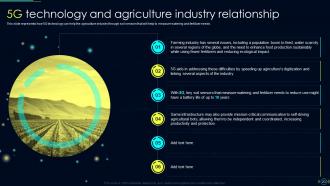
Slide 23: This slide presents 5G technology and agriculture industry relationship.
Slide 24: This slide highlights title for topics that are to be covered next in the template.
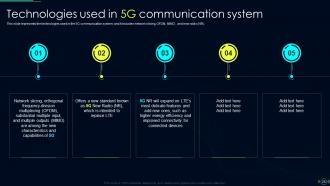
Slide 25: This slide displays Technologies used in 5G communication system.
Slide 26: This slide highlights title for topics that are to be covered next in the template.
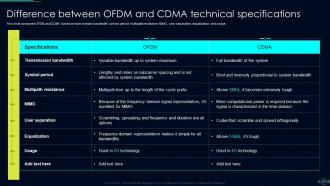
Slide 27: This slide represents Difference between OFDM and CDMA technical specifications.
Slide 28: This slide highlights title for topics that are to be covered next in the template.
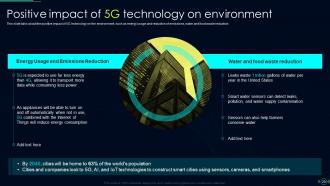
Slide 29: This slide showcases Positive impact of 5G technology on environment.
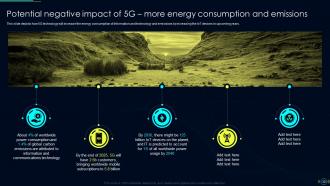
Slide 30: This slide depicts how 5G technology will increase the energy consumption.
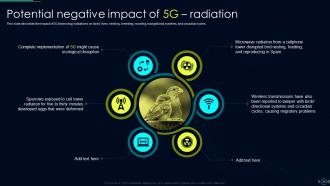
Slide 31: This slide describes the impact of 5G technology radiations on birds’ lives, nesting, breeding, etc.
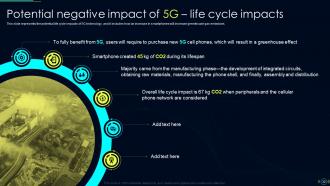
Slide 32: This slide represents the potential life cycle impacts of 5G technology.
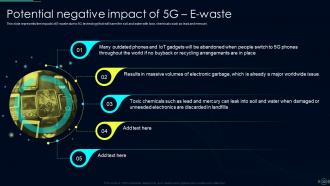
Slide 33: This slide showcases impacts of E-waste due to 5G technology.
Slide 34: This slide highlights title for topics that are to be covered next in the template.
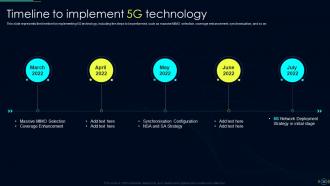
Slide 35: This slide shows Timeline to implement 5G technology.
Slide 36: This slide highlights title for topics that are to be covered next in the template.
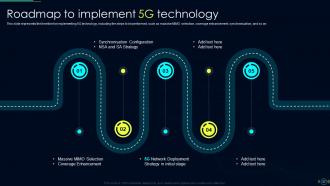
Slide 37: This slide presents Roadmap to implement 5G technology.
Slide 38: This slide highlights title for topics that are to be covered next in the template.
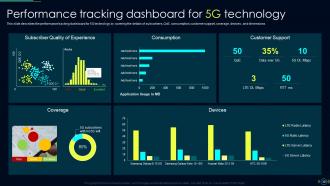
Slide 39: This slide displays Performance tracking dashboard for 5G technology.
Slide 40: This slide is titled as Additional Slides for moving forward.
Slide 41: This slide showcases Icons for comparison between 4G and 5G.
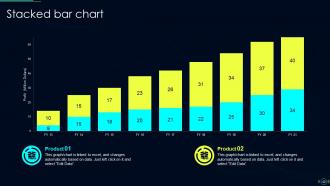
Slide 42: This slide represents Stacked Bar chart with two products comparison.
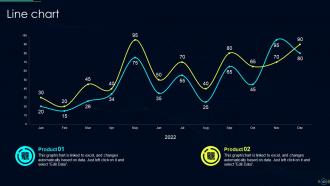
Slide 43: This slide describes Line chart with two products comparison.
Slide 44: This slide contains Puzzle with related icons and text.
Slide 45: This slide shows Post It Notes. Post your important notes here.
Slide 46: This slide depicts Venn diagram with text boxes.
Slide 47: This is Our Target slide. State your targets here.
Slide 48: This is a Thank You slide with address, contact numbers and email address.
Comparison Between 4G And 5G Powerpoint Presentation Slides with all 53 slides:
Use our Comparison Between 4G And 5G Powerpoint Presentation Slides to effectively help you save your valuable time. They are readymade to fit into any presentation structure.





FAQs for Comparison Between 4G And 5G
Dude, 5G is insane compared to 4G. We're talking 100x faster speeds because it uses these crazy high frequency waves that can pack way more data. Downloads that used to take minutes? Now they're done in seconds. The latency is basically zero too - no more annoying delays when you're gaming or whatever. Oh and it can handle tons of devices at once without everything grinding to a halt. There's this network slicing thing where different apps get their own dedicated pathways. Honestly, it's what'll make self-driving cars and remote surgery actually work someday.
So basically 5G is like 100x faster than 4G - you can literally download a whole movie in seconds instead of waiting forever. It uses these higher frequency radio waves plus way better antennas that handle tons more data. Oh and the latency is crazy low so everything responds instantly. Honestly it's pretty impressive tech. Your streaming won't buffer anymore, video calls actually work properly, and everything just loads super fast. Well, assuming you're somewhere with decent 5G coverage obviously - that's still hit or miss depending where you live.
So basically 5G uses these higher frequency bands that can handle way more people at once without everything slowing to a crawl. You know how your phone becomes useless at concerts? That's pretty much solved now. They also use these tiny "small cells" everywhere instead of just big towers, which honestly makes a huge difference. The lag drops too - like your video calls won't freeze up in crowded places. I was skeptical at first, but if you're somewhere packed with people, you'll actually feel the difference. Way more reliable than 4G ever was.
Dude, 5G is seriously night and day compared to 4G for IoT stuff. Way more devices can connect without everything slowing to a crawl. Remember how your smart thermostat used to freeze up when Netflix was streaming? That's basically solved now. The latency is crazy fast too - we're talking milliseconds instead of like 50-100ms with 4G. Opens up wild possibilities like remote surgery robots and self-driving cars that actually work reliably. Oh, and they can slice the network to give your critical devices priority over regular internet traffic. Honestly, if you're setting up anything IoT-related, I'd skip 4G entirely at this point.
So 5G latency is like 1-10ms while 4G is around 30-50ms - huge difference. You know those annoying video call delays where you keep talking over each other? That basically disappears. Gaming feels way more responsive too. The crazy part is it opens up stuff like remote surgery and self-driving cars that need instant reactions. I mean, even AR apps actually work properly now instead of feeling clunky. If you're doing anything where timing matters, you'll definitely notice it. It's honestly one of those upgrades that sounds boring but changes everything.
Honestly, 5G security is kind of a mess right now. Way more devices connecting means hackers have tons more ways to break in. The whole thing runs on software instead of hardware like 4G did, which sounds cool but creates vulnerabilities we didn't have before. Supply chain stuff is sketchy too - you're trusting equipment from who knows where. Edge computing processes data closer to users, so it's often outside your normal security setup. I'd probably avoid it for anything super critical until they figure this out better. If you're stuck deploying it, definitely plan extra budget for security audits.
Dude, 5G is a game changer for self-driving cars. Response times drop from like 20-50ms on 4G down to under 1 millisecond - that's insane. At highway speeds, those extra milliseconds literally decide if you crash or not. Your car's gotta talk to other vehicles and traffic lights instantly to make safety calls. The network can also handle way more devices at once, so you won't get bottlenecks when a bunch of smart cars are chatting with each other. Honestly feels like we're finally getting close to that sci-fi future. If you're building any car IoT stuff, definitely plan around 5G from the start.
So basically mmWave is what makes 5G crazy fast - it uses these super high frequencies (24-100 GHz) that can handle way more data than 4G ever could. It's like the difference between a freeway and some tiny backroad. But here's the thing - those high frequencies are kinda fragile? They don't travel far and walls basically block them completely. That's why you'll get insane speeds in downtown areas with tons of towers, but your suburban house might still feel pretty much like 4G. Honestly it's why 5G feels so hit-or-miss depending on where you are.
Dude, 5G is seriously a game-changer for businesses. The speeds are insane compared to 4G - we're talking real-time IoT monitoring, instant cloud access for remote work, and AR/VR training that actually works smoothly. Your supply chain tracking gets way better, automated processes run like butter, and video calls don't suck anymore. Edge computing becomes actually practical too, so you can process stuff locally instead of sending it halfway across the world. Honestly, I'd just look at where your connectivity is currently driving you crazy and figure out if 5G fixes those headaches first.
Dude, 5G is honestly a game-changer for remote work. Way faster speeds and way less lag than 4G. Your video calls won't look like garbage anymore, and file uploads actually happen in this decade. The best part? You can have like 10 devices running without everything slowing to a crawl. Cloud software and those collaboration tools that usually make you want to scream? They'll actually work properly. Oh, and if you're thinking about going remote - definitely check what 5G coverage is like in your area first. Trust me on that one.
So network slicing is basically 5G's superpower that 4G doesn't have. Picture highway lanes but for data - each "slice" gets its own speed limits, security, and bandwidth. Pretty cool concept, right? 4G just lumps everyone together which sucks for specialized needs. You could set up one slice for self-driving cars that need instant response times, another for basic IoT stuff that barely uses any data, and maybe one more for heavy streaming. Instead of sharing some basic network with everyone else, your company gets something that's actually built for what you're doing. Way more flexible than the old approach.
So basically it comes down to money and red tape. Building new towers and upgrading all that equipment costs a fortune, plus carriers need fiber connections everywhere. Spectrum auctions are such a pain - literally takes years sometimes. Population density matters too since they roll out to cities first (makes sense business-wise). Oh and there's all this drama with equipment vendors over security stuff that's slowing things down even more. Honestly your best bet is just checking your carrier's coverage map to see when it'll actually hit your area.
Dude, 5G is honestly a game-changer for streaming. We're talking speeds up to 100x faster than 4G - no more buffering on 4K videos. Even in packed areas where 4G totally dies, you'll still get smooth playback. The network handles way more people streaming at once too. Netflix and everyone probably loves this lol. Edge computing also moves content servers closer to you, so there's less delay. If you're working on anything video-heavy, definitely plan around 5G being available soon.
Hey! So basically 5G needs a ton more cell towers since the signals are pretty weak and don't travel far. Pain in the ass, honestly. More towers means way more concrete, steel, and rare earth metals for all that equipment. Plus the energy costs are insane - all those extra transmitters guzzling electricity 24/7. The network has to be super dense compared to 4G. Oh and if this is for work stuff, definitely factor in both the build-out carbon footprint and ongoing energy bills. It adds up quick.
Dude, 5G is actually a game-changer for schools. The speeds let you do crazy stuff like VR field trips - kids can literally walk through ancient Rome or do virtual dissections without any annoying lag. Remote classes become way smoother too, with HD video that doesn't freeze every two seconds. Plus all those smart campus gadgets can finally work properly instead of being sluggish. I mean, my cousin's school tried AR lessons on 4G and it was painful to watch. My advice? Figure out what sucks about your current internet situation first, then test 5G in just those problem areas.
-
The ease of modifying templates is just superb! Also, the vast collection offers plenty of options to choose from.
-
The best and engaging collection of PPTs I’ve seen so far. Great work!